The Untamed Character Analysis: 12 Hidden Insights
What makes certain characters stay with us long after the final episode ends? The Untamed character analysis reveals why this beloved Chinese drama continues to capture hearts around the world. From layered moral conflicts to subtle emotional storytelling, The Untamed character analysis helps viewers uncover the deeper meanings behind every glance, decision, and sacrifice.
At first glance, the series may seem like a typical fantasy drama set in a cultivation world. But look closer, and you’ll find complex personalities like Wei Wuxian and Lan Wangji whose journeys redefine loyalty, justice, and redemption. Through thoughtful character development and powerful symbolism, the show transforms a xianxia adventure into an unforgettable emotional experience. That’s exactly why The Untamed character analysis has become such a popular topic among fans and critics alike.
Whether you’re revisiting the series or exploring it for the first time, understanding the motivations and growth of each character adds a whole new layer of appreciation. So let’s dive deeper into the personalities, themes, and hidden details that make these characters truly timeless.

Chapter 1: Why The Untamed Character Analysis Matters
The Untamed Character Analysis and Emotional Depth in Xianxia Storytelling
Why do fans still debate every glance between Wei Wuxian and Lan Wangji years after the finale? The Untamed character analysis reveals that the series thrives not just on fantasy elements, but on layered emotional construction. Beneath the swords and spiritual energy lies a deeply human story about identity, justice, and belonging.
Unlike traditional xianxia dramas that focus heavily on immortal ascension and grand destiny, The Untamed prioritizes moral conflict and personal sacrifice. This shift aligns with modern audience expectations. According to media psychology research from the University of Southern California’s Annenberg School, viewers form stronger attachments to characters who display vulnerability and ethical dilemmas rather than invincible heroism. That explains why Wei Wuxian’s fall and rebirth resonate so powerfully.
Instead of presenting clear-cut heroes and villains, the narrative forces viewers to confront uncomfortable truths:
-
Reputation often outweighs justice.
-
Clan loyalty can conflict with personal morality.
-
Silence sometimes protects more than confrontation.
If you want a broader look at how the series reshaped the genre, explore this deeper dive into The Untamed’s evolution of xianxia culture.
How Character Arcs Drive the Global Impact of The Untamed
Character-driven storytelling fuels the drama’s worldwide popularity. In fact, Harvard cultural studies on global fandom trends suggest that emotionally complex protagonists increase cross-cultural engagement. That insight helps explain the international rise explored in The Untamed global phenomenon.
Each major character undergoes transformation across two timelines. Wei Wuxian evolves from carefree prodigy to misunderstood outcast. Lan Wangji shifts from rigid rule-follower to quietly defiant protector. Jiang Cheng struggles between love and resentment. These arcs create tension that feels real, not manufactured.
Fans don’t just watch these changes—they analyze them. Many create essays, fan edits, and long-form discussions exploring subtle gestures and symbolic choices. This phenomenon reflects findings published in Transformative Works and Cultures, which show that participatory fandom deepens narrative interpretation and emotional investment.
Want to see how cast chemistry enhances that emotional depth? 🎬 Explore more in this YouTube clip – Click to watch: Behind-the-scenes chemistry moments
👉 Want to see the full behind-the-scenes? Watch the video here: Exclusive cast interactions
Traditional Xianxia vs Modern Character-Centered Narratives
Classic xianxia stories emphasize fate, cultivation levels, and legendary battles. Heroes often rise because destiny selects them. However, The Untamed character analysis highlights something different. Here, characters shape destiny through moral decisions rather than prophecy.
Traditional model:
-
Clear hero archetype
-
Villains with defined evil motives
-
External conflict dominates
Modern approach in The Untamed:
-
Morally gray protagonists
-
Antagonists shaped by trauma
-
Internal conflict drives action
This distinction matters. Audiences today crave relatability. They connect more deeply when they see fear, doubt, and quiet resilience. Wei Wuxian’s controversial path challenges rigid definitions of righteousness. Lan Wangji’s restraint demonstrates strength without dominance. Together, they redefine heroism.
For readers curious about how this partnership reshaped onscreen relationships, this analysis of Lan Wangji and Wei Wuxian’s relationship offers further insight.
Ultimately, The Untamed character analysis matters because it reveals how emotional nuance transforms a fantasy drama into a cultural landmark. In the next section, we’ll break down Wei Wuxian’s rebellious arc and explore why his moral complexity continues to spark debate worldwide.
Chapter 2: Wei Wuxian – The Tragic Rebel at the Heart of The Untamed Character Analysis
Early Brilliance and the Foundations of Moral Independence
From the very beginning, Wei Wuxian stands out as more than a carefree genius. Any serious The Untamed character analysis must start with his early personality—playful, intelligent, and fiercely loyal. He laughs loudly, breaks minor rules, and charms nearly everyone around him. Yet beneath that bright exterior lies sharp moral clarity.
Unlike traditional xianxia heroes who blindly follow clan doctrine, Wei Wuxian questions authority when it conflicts with justice. He protects the weak. He challenges unfair punishment. He refuses to measure righteousness by status. That independence plants the seeds for everything that follows.
Many fans overlook how carefully the series builds this foundation. His humor masks a deep sensitivity to suffering. His rebellious streak signals future defiance. Even his bond with Jiang Cheng highlights tension between loyalty and principle.
For readers who want a full breakdown of character roles, this guide to The Untamed characters – who’s who in the hit drama provides helpful context.
The Turning Point: Demonic Cultivation and Moral Conflict
Conflict intensifies when circumstances push Wei Wuxian toward demonic cultivation. Rather than chasing power, he chooses an unconventional path to protect innocent lives. That decision fuels endless debate within The Untamed character analysis discussions worldwide.
Some viewers initially interpret his transformation as a fall from grace. However, closer examination reveals something more complex. He sacrifices reputation to defend those society condemns. He embraces darkness to shield the vulnerable. That inversion of moral expectations reshapes the entire narrative.
Media scholars studying anti-hero archetypes argue that audiences connect deeply with characters who challenge rigid systems. A study published in the Journal of Media Psychology suggests that morally complex protagonists increase emotional engagement because viewers actively evaluate ethical choices. Wei Wuxian embodies that dynamic.
Instead of framing him as villain or saint, the story invites reflection:
-
Does intention outweigh method?
-
Can breaking rules serve justice?
-
Who defines righteousness in a corrupt system?
His exile and downfall highlight how rumor and fear distort truth. For a deeper look at how this narrative tension influenced fandom discourse, explore The Untamed cultural impact – a global phenomenon.
🎬 Explore more in this YouTube clip – Click to watch: Wei Wuxian transformation scenes
Symbolism, Redemption, and Long-Term Character Growth
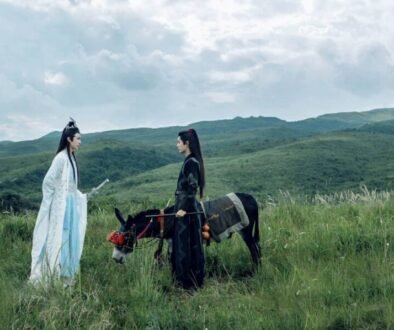
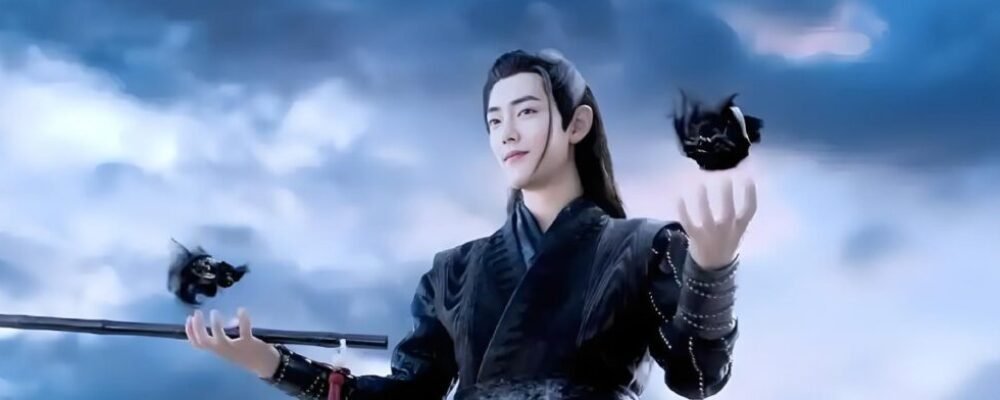
Visual storytelling reinforces Wei Wuxian’s emotional arc. Costume designers shift him from bright tones to dark robes, signaling society’s judgment rather than moral corruption. His flute becomes both weapon and voice—an instrument that commands spirits yet expresses grief.
Symbolism plays a crucial role in The Untamed character analysis because it reveals inner turmoil without heavy exposition. Black does not equal evil. Silence does not equal guilt. The series uses contrast to challenge assumptions.
After resurrection, Wei Wuxian returns with quieter confidence. Experience tempers impulsiveness. Loss deepens empathy. Crucially, he does not abandon his values. Growth refines his courage instead of erasing it.
Comparatively, traditional xianxia redemption arcs often restore status and power. Here, redemption focuses on understanding and acceptance. Lan Wangji’s unwavering trust validates Wei Wuxian’s moral core long before society recognizes it.
Fans frequently cite this journey as the emotional backbone of the show. If you’d like to see how that partnership evolves further, this analysis of Lan Wangji and Wei Wuxian’s relationship from rivals to soulmates offers powerful insights.
👉 Want to see the emotional reunion unfold on screen? Watch the video here: Iconic reunion moment
Ultimately, Wei Wuxian’s arc proves why The Untamed character analysis remains essential. His story challenges rigid morality, celebrates resilience, and demonstrates that true righteousness often demands personal sacrifice. In the next chapter, we’ll examine Lan Wangji—the silent guardian whose quiet strength reshapes the meaning of loyalty.
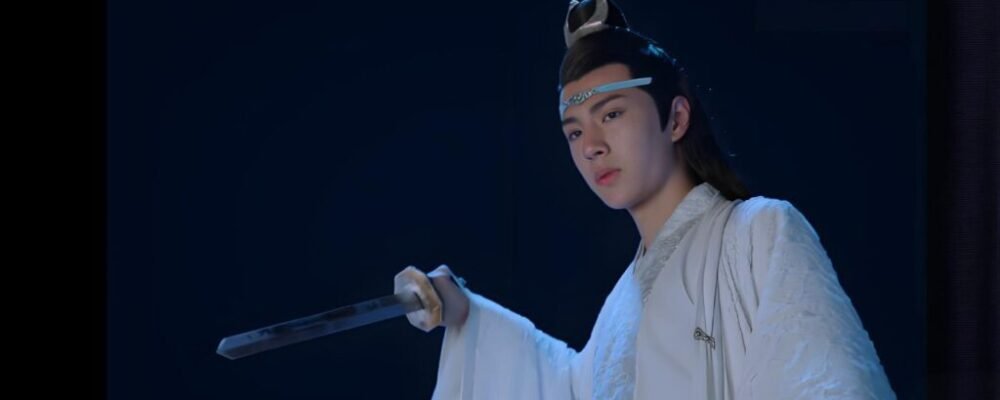
Chapter 3: Lan Wangji – The Silent Strength Behind The Untamed Character Analysis
Discipline, Restraint, and Emotional Control
Silence can speak louder than words. In any serious The Untamed character analysis, Lan Wangji represents the power of restraint and unwavering principle. While Wei Wuxian shines with charisma, Lan Wangji commands attention through composure, discipline, and quiet intensity.
Raised within the strict Lan clan rules, he embodies order and tradition. Every movement reflects control. Every word carries weight. However, that calm exterior hides emotional depth many viewers initially miss.
Unlike stereotypical stoic heroes in traditional xianxia dramas, Lan Wangji does not suppress emotion because he lacks it. Instead, he chooses when and how to express it. That distinction matters. Modern audiences value subtle emotional authenticity over dramatic declarations.
Researchers in fandom psychology, including scholars published in Transformative Works and Cultures, note that restrained characters often generate stronger fan interpretation. Viewers actively search for micro-expressions, symbolic gestures, and tonal shifts. Lan Wangji’s character invites exactly that type of engagement.
For readers exploring character backgrounds, this detailed breakdown of The Untamed characters – who’s who in the hit drama provides helpful context.
The Evolution from Rule-Follower to Independent Thinker
At first, Lan Wangji appears rigid. He upholds clan law without hesitation. He corrects Wei Wuxian’s rule-breaking behavior. He maintains emotional distance. Yet the deeper layers of The Untamed character analysis reveal gradual transformation.
As events unfold, he confronts a painful truth: rules do not always protect justice. When the cultivation world condemns Wei Wuxian, Lan Wangji faces a defining choice. Obedience would preserve reputation. Defiance risks isolation.
He chooses defiance.
That decision marks a pivotal shift from passive compliance to moral autonomy. Rather than rejecting his upbringing, he reinterprets it. He keeps discipline but applies it with compassion. He honors tradition but refuses blind conformity.
This arc mirrors broader themes explored in The Untamed’s evolution of xianxia culture, where modern storytelling challenges rigid hierarchies common in earlier genre works.
🎬 Explore more in this YouTube clip – Click to watch: Lan Wangji’s defining moments
Academic research on moral identity development suggests that characters who revise inherited belief systems often resonate strongly with global audiences. Lan Wangji embodies this principle. Growth does not erase his foundation. Instead, it refines it.
Symbolism of White Robes, the Guqin, and Silent Devotion
Visual symbolism strengthens his character arc. In many fantasy narratives, white represents purity or superiority. However, The Untamed character analysis shows a more nuanced interpretation.
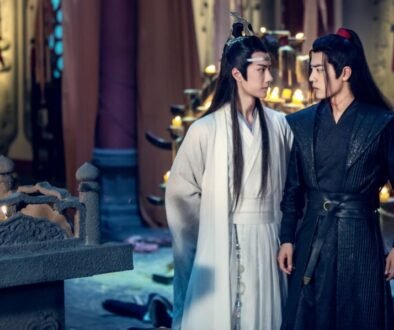
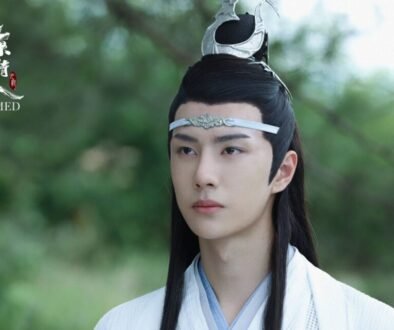
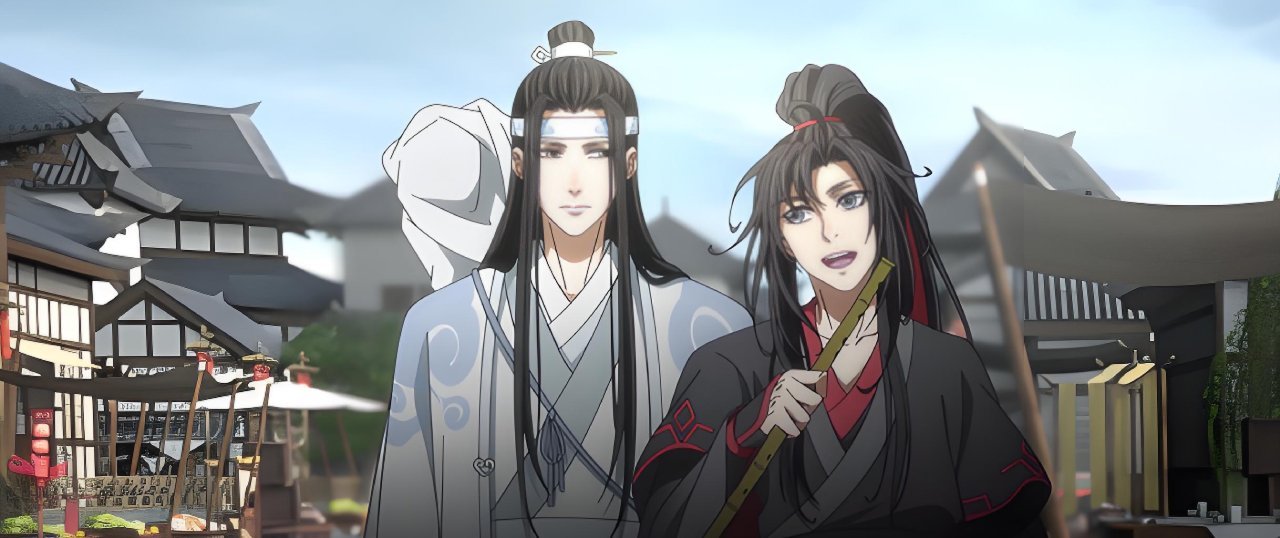
His white robes symbolize restraint and clarity, not moral perfection. They contrast Wei Wuxian’s darker attire, yet the color difference never signals opposition. Instead, the visual pairing reflects balance—order and freedom, silence and expression.
The guqin further extends his identity. Through music, he communicates feelings he rarely verbalizes. Sound replaces speech. Action replaces explanation. That choice deepens emotional realism.
Comparatively, traditional xianxia heroes often declare loyalty through grand gestures. Lan Wangji demonstrates devotion through presence:
-
He stands beside Wei Wuxian when others retreat.
-
He investigates truth quietly instead of seeking applause.
-
He protects without demanding recognition.
Fans frequently cite these understated acts as the emotional core of the series. If you’d like to explore their evolving dynamic further, this analysis of Lan Wangji and Wei Wuxian’s relationship from rivals to soulmates offers deeper insight.
👉 Want to revisit the unforgettable reunion scene? Watch the video here: Iconic emotional reunion
Ultimately, Lan Wangji’s journey proves why The Untamed character analysis remains essential for understanding the drama’s lasting power. His quiet rebellion, disciplined compassion, and unwavering loyalty redefine what strength truly looks like. In the next section, we’ll examine how the dual protagonist dynamic creates one of the most compelling partnerships in modern xianxia storytelling.
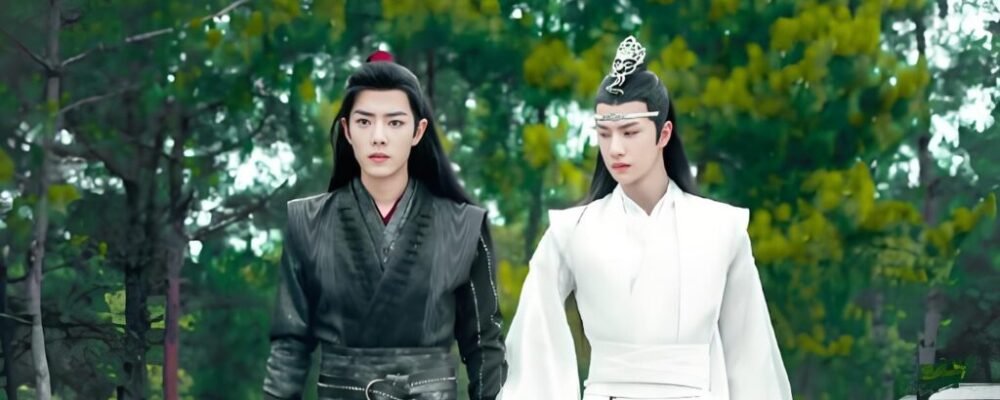
Chapter 4: The Dual Protagonist Dynamic – Core to The Untamed Character Analysis
Opposites in Personality, Equals in Moral Strength
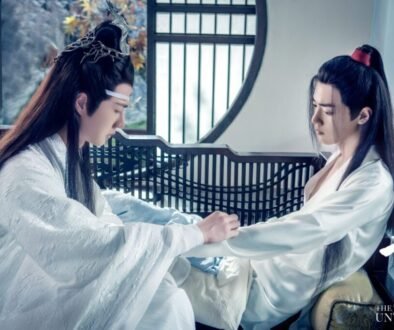
What happens when fire meets ice? At the heart of every meaningful The Untamed character analysis lies the dynamic between Wei Wuxian and Lan Wangji. Their partnership does more than drive the plot—it redefines emotional storytelling in modern xianxia.
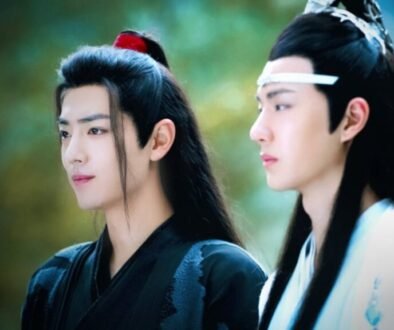
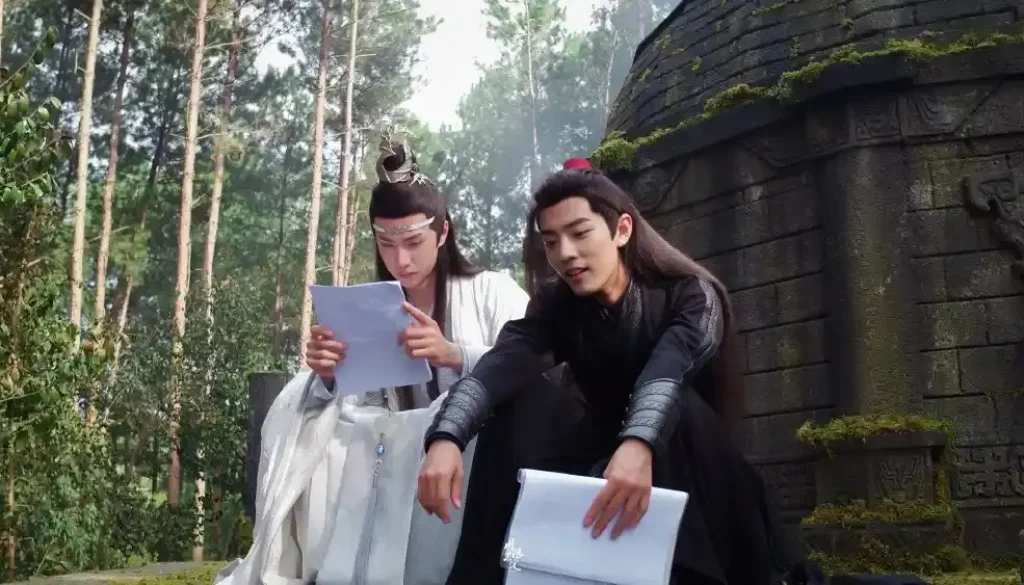
Wei Wuxian embodies spontaneity, humor, and expressive freedom. Lan Wangji represents discipline, restraint, and silent resolve. On the surface, they appear fundamentally different. Yet their moral foundations align with striking precision.
Both value justice over reputation. Both protect the innocent at personal cost. Both endure isolation rather than compromise their principles.
This contrast creates narrative tension without moral opposition. Instead of rivalry built on ego, the story crafts mutual recognition. Each sees what others overlook. Each understands the other’s unspoken convictions.
For a deeper exploration of how their chemistry reshaped fan culture, read this breakdown of Bojun Yixiao – the chemistry that redefined on-screen friendship.
Yin and Yang Balance in The Untamed Character Analysis
Traditional xianxia often separates heroes and sidekicks into hierarchical roles. However, The Untamed character analysis reveals a rare dual-protagonist structure built on balance rather than dominance.
Their relationship reflects yin and yang philosophy:
-
Expression and silence
-
Chaos and order
-
Emotional spontaneity and calculated restraint
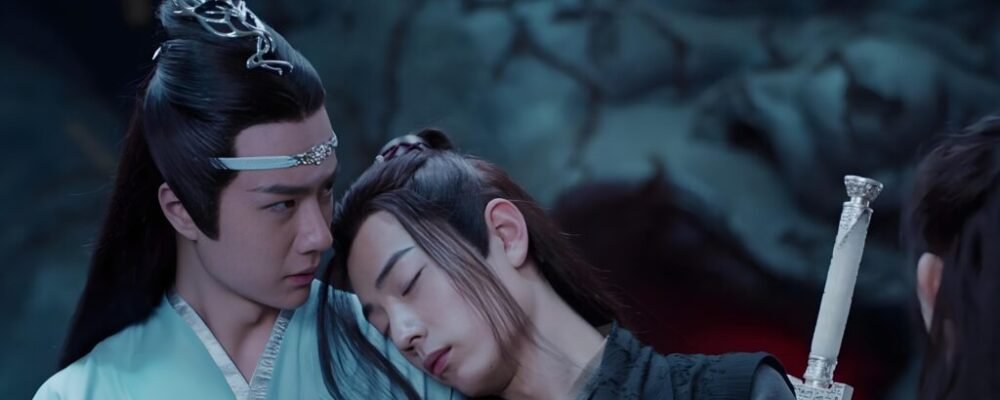
Neither overpowers the other. Instead, their strengths interlock. When Wei Wuxian faces public condemnation, Lan Wangji provides steady presence. When Lan Wangji struggles with rigid expectations, Wei Wuxian challenges him to think independently.
Cultural studies scholars frequently highlight this balance as one reason for the show’s international resonance. A comparative media study from the University of Hong Kong noted that balanced character partnerships encourage higher viewer retention because audiences invest emotionally in relational growth, not just individual arcs.
If you’re interested in how this balance influenced global popularity, explore The Untamed global phenomenon – why it captivated the world.
🎬 Explore more in this YouTube clip – Click to watch: Iconic WangXian partnership moments
Emotional Subtext and Fandom-Driven Interpretation
Subtlety defines their bond. Grand confessions rarely occur. Instead, the series relies on micro-expressions, musical cues, and carefully framed scenes. That restraint fuels ongoing discussion within The Untamed character analysis communities.
Rather than telling viewers what to feel, the drama invites interpretation. Fans analyze eye contact during tense confrontations. They revisit silent support during public accusations. They dissect musical duets for hidden emotional layers.
According to research on participatory fandom culture published in New Media & Society, ambiguous storytelling increases fan-generated content and long-term engagement. The WangXian dynamic exemplifies this effect. Subtext becomes a canvas for collective meaning-making.
Want to see how their relationship evolves scene by scene? 👉 Watch the emotional progression here: Rivals to soulmates moments
For readers who enjoy deeper relationship analysis, this article on Lan Wangji and Wei Wuxian’s relationship from rivals to soulmates offers further insight.
Ultimately, the dual-protagonist structure elevates the entire narrative. Their bond challenges rigid masculinity norms, subverts traditional hero hierarchies, and centers emotional integrity over spectacle. That balance explains why The Untamed character analysis continues to generate passionate discussion years after the finale.
In the next section, we’ll examine Jiang Cheng—a character whose loyalty and resentment create one of the most debated moral conflicts in the series.
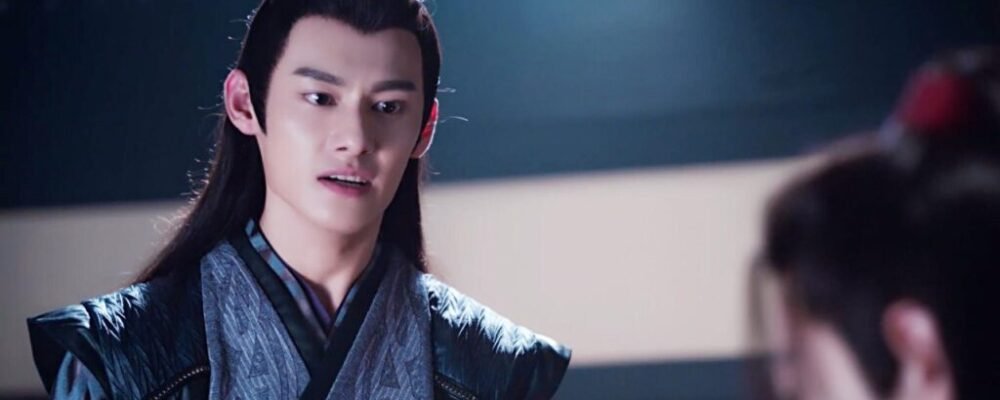
Chapter 5: Jiang Cheng – Loyalty, Jealousy, and Moral Conflict in The Untamed Character Analysis
The Burden of Responsibility and Clan Expectations
Few characters spark as much debate in The Untamed character analysis as Jiang Cheng. Unlike clear-cut heroes or villains, he lives in the gray space between love and resentment. His journey reflects the crushing weight of responsibility, especially after tragedy reshapes his world.
From a young age, Jiang Cheng carries enormous expectations. As the future leader of the Yunmeng Jiang clan, he must embody strength, discipline, and honor. When disaster strikes and his family suffers devastating losses, that pressure intensifies. Grief hardens him. Leadership isolates him.
Responsibility becomes both armor and prison.
While Wei Wuxian acts on instinct and personal morality, Jiang Cheng prioritizes clan survival. He measures decisions by long-term consequences rather than immediate compassion. That difference doesn’t make him heartless. Instead, it reveals a contrasting survival strategy.
For readers exploring broader character roles, this guide to The Untamed characters – who’s who in the hit drama provides helpful background context.
Brotherhood vs Resentment – Emotional Fracture at the Core
At the emotional center of The Untamed character analysis lies Jiang Cheng’s fractured bond with Wei Wuxian. Their brotherhood begins with shared childhood dreams and playful rivalry. However, trauma reshapes that connection into something far more complicated.
Loss changes people. When Wei Wuxian chooses demonic cultivation, Jiang Cheng interprets the decision as abandonment. He sees betrayal where Wei Wuxian sees sacrifice. Miscommunication deepens the divide.
Psychological research on sibling rivalry and perceived favoritism suggests that unresolved grief often manifests as anger toward those closest to us. Jiang Cheng’s resentment stems less from hatred and more from fear—fear of losing the only family he has left.
Consider these layered tensions:
-
Love expressed through criticism
-
Pride masking vulnerability
-
Leadership clashing with personal loyalty
Fans frequently debate whether Jiang Cheng could have responded differently. Yet his reactions feel painfully human. He struggles to balance affection with duty, especially under public scrutiny.
If you’re interested in how fandom psychology interprets this conflict, explore BJYX fandom psychology – why fans stay loyal.
🎬 Explore more in this YouTube clip – Click to watch: Jiang Cheng emotional confrontation scenes
Is Jiang Cheng an Antagonist or a Tragic Protector?
Labeling Jiang Cheng as a villain oversimplifies his arc. A deeper The Untamed character analysis reveals a tragic protector shaped by circumstance rather than cruelty.
Traditional xianxia narratives often frame rivals as clear antagonists. In contrast, this series humanizes conflict. Jiang Cheng enforces harsh decisions because he believes survival demands it. He values stability over emotional risk.
Comparatively:
Traditional antagonist model:
-
Driven by ambition or greed
-
Seeks dominance
-
Lacks empathy
Jiang Cheng’s reality:
-
Motivated by fear of losing family
-
Protects clan legacy
-
Struggles with unresolved grief
Academic studies on narrative empathy, including research from Stanford’s Storytelling Project, show that morally conflicted characters increase viewer reflection. Jiang Cheng embodies that narrative function. He forces audiences to confront uncomfortable questions about forgiveness and pride.
👉 Want to revisit the intense sibling confrontation? Watch the video here: Iconic emotional clash
Ultimately, Jiang Cheng’s complexity strengthens The Untamed character analysis by demonstrating that loyalty and resentment can coexist. His pain feels authentic. His anger feels earned. His choices, though flawed, stem from deeply human fear.
In the next section, we’ll examine key supporting characters—Wen Ning, Wen Qing, and Nie Huaisang—whose subtle influence quietly shapes the entire narrative.
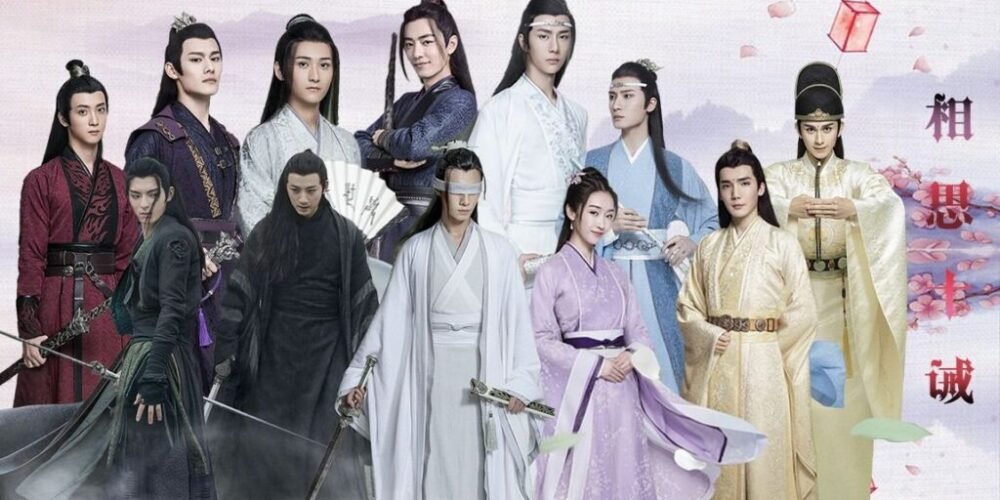
Chapter 6: Supporting Characters Who Shape the Narrative in The Untamed Character Analysis
Major protagonists drive the emotional core of the story. However, no meaningful The Untamed character analysis feels complete without examining the supporting characters who quietly influence every turning point. Wen Ning, Wen Qing, and Nie Huaisang may not dominate screen time, yet their decisions reshape the moral landscape of the entire cultivation world.
Each represents a different response to injustice. Each challenges traditional xianxia archetypes. Together, they deepen the drama’s emotional complexity.
Wen Ning – Innocence in a World of Judgment
At first glance, Wen Ning appears timid and fragile. Soft-spoken and hesitant, he rarely asserts himself. Yet beneath that gentle surface lies unwavering loyalty and moral courage.
Unlike stereotypical “resurrected warrior” figures in fantasy dramas, Wen Ning retains his humanity even after becoming the Ghost General. He does not seek revenge. He protects those who showed him kindness. That quiet devotion strengthens the emotional stakes within The Untamed character analysis.
Rather than glorifying power, the series frames Wen Ning as a symbol of compassion surviving in a hostile world. His character highlights a key theme:
-
Strength does not require cruelty.
-
Loyalty does not demand recognition.
-
Redemption can exist beyond death.
Research on audience empathy, including studies from the University of Toronto’s Narrative and Empathy Project, suggests viewers feel stronger emotional bonds with characters who display vulnerability alongside courage. Wen Ning embodies this balance.
Want to revisit his most powerful transformation?
🎬 Explore more in this YouTube clip – Click to watch: Wen Ning’s defining scenes
Wen Qing – Intelligence, Sacrifice, and Quiet Leadership
Where Wen Ning reflects innocence, Wen Qing represents strength under pressure. As a skilled physician and protective sister, she navigates danger with composure and intelligence.
In many traditional xianxia narratives, female characters often occupy supportive or romantic roles. Wen Qing breaks that pattern. She leads with strategy. She makes difficult choices. She sacrifices without self-pity.
Her arc challenges simplistic morality. Although born into the Wen clan—publicly condemned as villains—she consistently demonstrates ethical clarity. That nuance reinforces the layered storytelling central to The Untamed character analysis.
Scholars studying gender roles in East Asian media note that modern adaptations increasingly portray women as active moral agents rather than passive figures. Wen Qing stands as a strong example of this shift.
For more context on how character portrayals evolved within the genre, explore The Untamed’s evolution of xianxia culture.
Her sacrifice resonates deeply because it feels earned. She does not chase glory. She protects family at all costs. That quiet heroism leaves lasting emotional impact.
Nie Huaisang – The Unexpected Strategist
Few characters surprise audiences more than Nie Huaisang. Initially, he appears harmless—bookish, anxious, and uninterested in conflict. Fans often dismiss him early on. However, The Untamed character analysis reveals that perception can mislead.
As the story unfolds, subtle hints suggest hidden intelligence. He observes more than he speaks. He survives by appearing unthreatening. Ultimately, his strategic patience shapes the resolution of long-standing injustice.
Traditional xianxia villains often rely on brute strength. Nie Huaisang uses intellect instead. That inversion reflects a modern narrative trend where information and strategy outweigh physical dominance.
Academic research on narrative deception techniques highlights how delayed character revelations increase viewer satisfaction. When audiences realize earlier assumptions were incomplete, engagement deepens. Nie Huaisang’s arc exemplifies this storytelling strategy.
👉 Want to see his subtle manipulations unfold? Watch the video here: Nie Huaisang key moments
For readers curious about broader cultural influence, this analysis of The Untamed cultural impact – a global phenomenon offers additional insight.
Supporting characters often define the emotional texture of a story. Wen Ning embodies compassion. Wen Qing demonstrates principled courage. Nie Huaisang reveals the power of hidden strategy. Together, they elevate The Untamed character analysis beyond a simple hero-focused narrative.
In the next section, we’ll explore how the dual timeline structure intensifies character growth and reshapes audience perception.

Chapter 7: Character Development Across Two Timelines in The Untamed Character Analysis
Time changes everything. In The Untamed character analysis, the dual-timeline structure does more than create suspense—it transforms how viewers interpret morality, loyalty, and redemption. By weaving past and present together, the series forces audiences to constantly reassess first impressions.
Instead of following a simple chronological arc, the narrative opens with mystery. Questions emerge immediately. Why did Wei Wuxian fall? Who betrayed whom? What really happened at Nightless City?
Answers unfold gradually through flashbacks. That structural choice strengthens emotional investment and deepens character complexity.
How Flashbacks Reshape Viewer Perception
At first, the present timeline frames Wei Wuxian as a controversial figure. Rumors dominate his legacy. Public opinion paints him as dangerous. However, once the story shifts backward, context replaces accusation.
Suddenly, viewers witness:
-
The pressure he endured
-
The sacrifices he made
-
The misunderstandings that fueled tragedy
This storytelling technique aligns with narrative psychology research, which suggests that delayed context increases empathy. A study from the University of Cambridge on narrative sequencing found that audiences form stronger emotional bonds when new information reframes earlier judgments.
Rather than telling viewers who to trust, the series invites critical thinking. That interactive engagement explains why The Untamed character analysis remains so active in fandom spaces.
If you want to explore how this structure influenced long-term popularity, check out The Untamed legacy – why it still matters in 2025.
🎬 Explore more in this YouTube clip – Click to watch: Timeline transformation breakdown
Redemption Arcs and Emotional Growth Over Time
Growth feels authentic because it unfolds across years, not episodes. Wei Wuxian matures after loss. Lan Wangji evolves after disillusionment. Jiang Cheng hardens under responsibility.
Importantly, the dual timeline highlights contrast:
Past versions:
-
Idealistic
-
Reactive
-
Emotionally impulsive
Present versions:
-
Reflective
-
Strategically patient
-
Quietly resilient
Traditional xianxia dramas often emphasize physical cultivation levels. In contrast, this series prioritizes emotional cultivation. Characters refine empathy instead of merely increasing power.
Scholars studying character-driven media narratives note that visible internal growth strengthens long-term viewer attachment. Redemption becomes believable when it stems from lived consequences rather than sudden change.
For a broader discussion of emotional storytelling in the series, explore Xianxia emotional fusion – The Untamed’s global impact.
Trauma, Memory, and Psychological Realism
Trauma shapes every major arc in The Untamed character analysis. Loss fractures relationships. Public condemnation isolates individuals. Miscommunication deepens wounds.
Unlike simplistic revenge plots, the series portrays trauma as lingering rather than explosive. Wei Wuxian carries guilt quietly. Lan Wangji processes regret through action. Jiang Cheng expresses grief as anger.
Modern media psychology supports this layered approach. Research from Stanford’s Center for Compassion and Altruism suggests audiences connect more deeply with stories that depict long-term emotional consequences rather than instant recovery.
Because the narrative revisits painful events through flashbacks, viewers experience trauma twice—first through rumor, then through truth. That repetition intensifies empathy and reframes earlier assumptions.
👉 Want to revisit the emotional turning points across both timelines? Watch the video here: Emotional arc recap
For readers interested in broader cultural influence, this analysis of The Untamed cultural impact – a global phenomenon provides additional insight.
Ultimately, the dual-timeline structure strengthens The Untamed character analysis by demonstrating that identity evolves through memory, consequence, and choice. Past actions echo into the present. Misjudgments demand reevaluation. Redemption requires time.
In the next section, we’ll explore the central themes revealed through character decisions—justice, reputation, sacrifice, and the true meaning of righteousness.

Chapter 8: Symbolism in Costumes, Weapons, and Music in The Untamed Character Analysis
Visual storytelling speaks just as loudly as dialogue. In The Untamed character analysis, symbolism woven through costumes, spiritual weapons, and music deepens emotional meaning and reinforces character identity. Every color choice, instrument, and visual contrast carries narrative weight.
Rather than relying solely on exposition, the series uses aesthetic detail to reveal inner conflict. As a result, viewers engage not only with plot twists but also with layered visual metaphors.
Black vs White – Visual Contrast Beyond Good and Evil
At first glance, Wei Wuxian’s black robes and Lan Wangji’s white garments appear to signal moral opposition. However, a closer The Untamed character analysis challenges that assumption.
Black traditionally symbolizes danger or corruption in many fantasy dramas. Yet Wei Wuxian’s dark clothing reflects societal judgment rather than inherent evil. He wears black after embracing demonic cultivation—not because he loses morality, but because he accepts isolation.
In contrast, Lan Wangji’s white robes represent discipline and clarity. Still, white does not equal perfection. He questions authority. He defies clan expectations. His costume reflects restraint, not superiority.
This deliberate inversion subverts traditional xianxia color coding. Earlier genre works often assign clear visual moral categories. Here, visual contrast emphasizes balance rather than conflict.
For readers exploring broader genre shifts, this breakdown of The Untamed’s evolution of xianxia culture offers valuable insight.
🎬 Explore more in this YouTube clip – Click to watch: Costume symbolism explained
Spiritual Instruments as Extensions of Identity
Weapons in The Untamed rarely function as simple combat tools. Instead, they reflect personality and emotional state.
Wei Wuxian’s flute channels resentful energy. Music becomes both weapon and voice. Through melody, he commands spirits and expresses grief. That dual purpose reinforces the emotional complexity central to The Untamed character analysis.
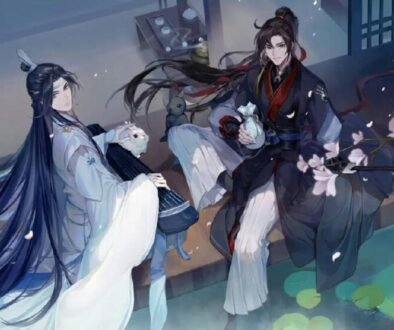
Lan Wangji’s guqin serves a different role. Rather than summoning chaos, his instrument purifies and calms. Sound becomes protection. Music becomes communication.
This contrast mirrors their personalities:
-
Wei Wuxian: expressive, adaptive, emotionally transparent
-
Lan Wangji: restrained, precise, quietly devoted
Traditional xianxia heroes often rely on swords as symbols of dominance. In contrast, The Untamed foregrounds music as emotional articulation. That choice adds softness to strength and intimacy to confrontation.
For deeper exploration of their musical bond, read WangXian lyrics meaning and music explained.
👉 Want to revisit their musical duet moments? Watch the video here: Iconic WangXian music scenes
Visual Metaphors in Key Emotional Scenes
Beyond costumes and instruments, cinematography reinforces symbolic storytelling. Framing choices often isolate characters physically to highlight emotional distance. Shadows emphasize misunderstanding. Light softens reconciliation.
During moments of accusation, wide shots underscore public scrutiny. During reconciliation, close-ups capture subtle eye movements and restrained emotion. These techniques amplify the emotional stakes discussed in The Untamed character analysis.
Academic studies on visual narrative theory, including research from the University of Oxford’s Film Aesthetics program, confirm that color contrast and framing strongly influence audience empathy. Viewers subconsciously interpret spatial distance and lighting as emotional cues.
This layered design explains why fans rewatch scenes repeatedly. Symbolism rewards attention. Small details reveal larger truths.
If you’d like to explore how these visual elements contributed to global success, check out The Untamed global phenomenon – why it captivated the world.
Ultimately, symbolism transforms the series from a fantasy drama into a visual narrative masterpiece. Costumes challenge assumptions. Instruments express identity. Cinematic framing intensifies emotional realism. Together, these elements strengthen The Untamed character analysis by proving that meaning lives not only in dialogue—but in every deliberate artistic choice.
In the next section, we’ll compare character portrayals in the live-action adaptation and Mo Dao Zu Shi to examine how interpretation shifts across formats.
Chapter 10: Why The Untamed Characters Continue to Resonate Globally
Years after its release, discussions surrounding The Untamed character analysis continue to thrive across continents. Few dramas sustain emotional relevance this long. So what makes these characters endure while others fade?
The answer lies in universal themes, performance authenticity, and fandom-driven amplification. Together, these elements transformed a Chinese xianxia drama into a global cultural touchstone.
Universal Themes That Cross Cultural Boundaries
Loyalty. Justice. Sacrifice. Identity.
These themes transcend language and geography. Viewers in Asia, Europe, and the Americas connect with Wei Wuxian’s moral courage and Lan Wangji’s unwavering devotion because those struggles feel deeply human.
Unlike traditional xianxia narratives that emphasize destiny and power ascension, this series foregrounds ethical dilemmas. Characters must choose between reputation and righteousness. They must endure isolation to protect personal truth. That internal conflict resonates globally.
A cross-cultural media study from the University of Southern California found that narratives centered on moral ambiguity attract more sustained international engagement than stories built solely on spectacle. This insight helps explain why The Untamed character analysis remains active across Reddit, Tumblr, YouTube, and academic forums.
For a broader exploration of this global appeal, read The Untamed global phenomenon – why it captivated the world.
Acting Performance and Emotional Authenticity
Powerful writing sets the foundation. Performance brings it to life.
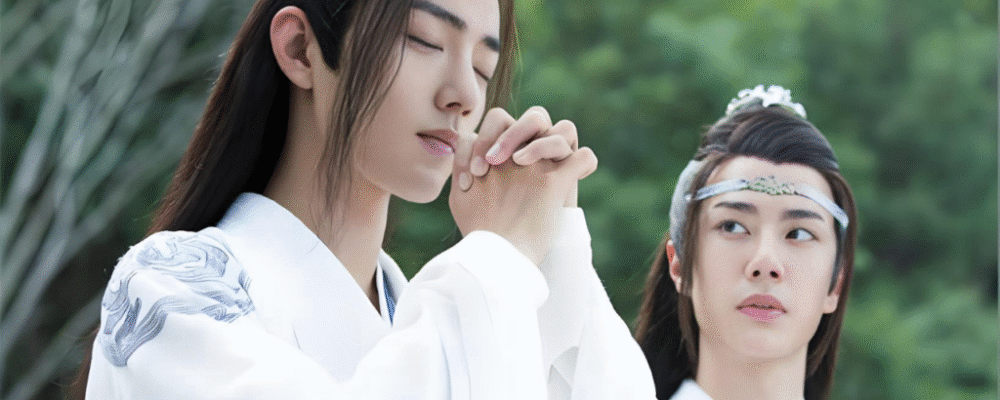
Xiao Zhan and Wang Yibo delivered layered portrayals that elevated subtle subtext into palpable emotion. Micro-expressions, restrained gestures, and quiet eye contact conveyed entire conversations without dialogue.
Modern audience psychology research suggests viewers build stronger parasocial bonds when actors display nuanced emotional transitions rather than exaggerated reactions. That subtle realism strengthens the emotional credibility central to The Untamed character analysis.
If you’d like to explore how their performances reshaped global perception, check out Xiao Zhan and Wang Yibo – iconic roles and new heights.
🎬 Explore more in this YouTube clip – Click to watch: Global fan reactions compilation
Fandom Culture and Participatory Meaning-Making
Another major reason for lasting impact lies in fandom culture. Viewers did not simply consume the story—they expanded it.
Fan art, analytical essays, translated subtitles, and video edits fueled international growth. Social media algorithms amplified emotional scenes. Online communities sustained discussion long after the finale aired.
According to research published in New Media & Society, participatory fandom significantly extends a series’ cultural lifespan. When audiences actively reinterpret narrative details, engagement multiplies.
This phenomenon becomes especially clear within The Untamed character analysis discussions. Fans debate moral decisions. They analyze costume symbolism. They reinterpret musical motifs. Collective interpretation keeps the narrative alive.
For a deeper look at this cultural movement, explore BJYX fandom psychology – why fans stay loyal.
👉 Want to see how global fans celebrate the series? Watch the video here: International fan tribute
From Drama to Cultural Landmark
Few series transition from entertainment to cultural symbol. The Untamed achieved that shift through character-driven storytelling and emotionally intelligent design.
Comparatively:
Traditional promotional success:
-
Heavy marketing campaigns
-
Short-term trending popularity
-
Rapid content turnover
Fandom-driven longevity:
-
Organic community growth
-
Deep character analysis
-
Sustained reinterpretation
The series benefits more from the latter. Because fans feel personally invested in character journeys, they continue recommending, analyzing, and revisiting the story.
Ultimately, The Untamed character analysis remains relevant because the characters feel authentic. They struggle. They evolve. They choose integrity over convenience. That emotional truth transcends genre and language.
In the final section, we’ll address frequently asked questions that readers often raise about character motivations, symbolism, and adaptation differences—bringing this comprehensive analysis full circle.
Chapter 10: Frequently Asked Questions – The Untamed Character Analysis
1. Who is the most complex character in The Untamed?
Many fans argue that Wei Wuxian stands as the most complex figure in The Untamed character analysis. His journey from cheerful prodigy to misunderstood outcast challenges rigid definitions of morality. However, Lan Wangji and Jiang Cheng also display layered psychological depth. Complexity in this series stems from internal conflict rather than simple hero-villain dynamics.
2. Why did Wei Wuxian choose demonic cultivation?
Wei Wuxian embraced demonic cultivation to protect innocent people when traditional systems failed them. Instead of pursuing power for dominance, he sought an alternative path to defend the vulnerable. His choice reflects moral defiance rather than corruption, which is why debates around his decision remain central to The Untamed character analysis.
3. Is Lan Wangji truly emotionless?
Not at all. Lan Wangji expresses emotion through action rather than words. His restraint reflects discipline, not indifference. Subtle gestures—standing beside Wei Wuxian publicly, playing calming melodies, defying clan expectations—reveal deep loyalty and devotion. His emotional intelligence strengthens the thematic depth of the series.
4. Is Jiang Cheng a villain or a tragic hero?
Jiang Cheng represents moral conflict shaped by grief and responsibility. While some viewers interpret his anger as antagonistic, his decisions stem from fear of losing family and clan stability. A nuanced The Untamed character analysis shows him as a tragic protector rather than a conventional villain.
5. How faithful is the drama to Mo Dao Zu Shi?
The live-action adaptation remains loyal to core character arcs but adjusts explicit romantic elements due to broadcasting regulations. Instead of direct expression, the series relies on subtext and symbolic storytelling. Both versions enrich the narrative in different ways.
6. Why do The Untamed characters resonate globally?
Universal themes—loyalty, sacrifice, justice, and personal integrity—connect across cultures. Additionally, layered performances and participatory fandom culture sustain long-term engagement. Viewers see themselves in these moral struggles, which explains the ongoing popularity of The Untamed character analysis worldwide.
Conclusion – The Lasting Power of The Untamed Character Analysis
Great stories entertain. Exceptional stories endure.
The Untamed character analysis reveals why this drama transcends genre boundaries. Through morally complex protagonists, symbolic storytelling, and emotionally intelligent character growth, the series redefined modern xianxia narratives.
Wei Wuxian challenges rigid morality.
Lan Wangji redefines quiet strength.
Jiang Cheng embodies unresolved grief.
Supporting characters enrich the emotional landscape.
Together, they create a narrative built not on spectacle alone, but on human vulnerability and resilience.
That is why discussions continue years after the finale. That is why new audiences keep discovering its depth. And that is why revisiting these characters always reveals something new.