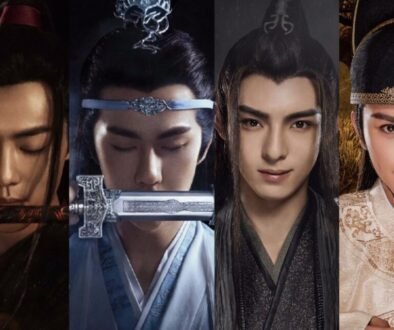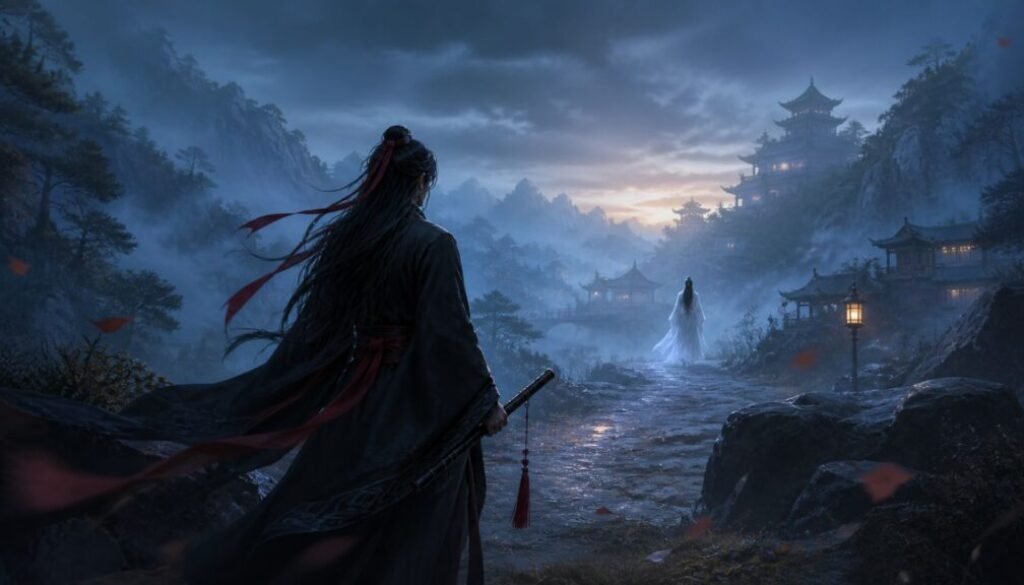
The Untamed Emotional Aftermath: Why It Lingers

Why The Untamed Emotional Aftermath Feels So Intense
Fifty Episodes Build a World That Feels Lived In
A long drama does more than deliver plot. It creates habits. Viewers learn the sound of a flute before danger, the restraint behind a glance, the emotional temperature of Cloud Recesses, and the warmth associated with Lotus Pier. Names that seemed confusing at first acquire histories, loyalties, and private wounds. By the end, the clans no longer feel like labels on a fantasy map; they feel like communities whose rules and conflicts have shaped everyone inside them.
That immersion explains the first shock of The Untamed emotional aftermath. The credits do not merely end a story. They interrupt a routine of spending time in a fully imagined world. Our guide to The Untamed Worldbuilding Explained: Why Fans Still Obsess examines how settings, customs, and moral tensions make that world feel larger than the scenes we actually see. Once viewers have mentally inhabited it, departure naturally resembles homesickness.
The effect deepens because the drama rarely divides people into simple heroes and villains. Decisions echo across families and generations. A loving act can cause pain; an unforgivable choice can emerge from fear; a public reputation can hide a private truth. The audience spends dozens of hours revising first impressions. That continual reinterpretation forms a bond based on attention, not passive consumption.
The Story Ends Before Every Emotion Feels Finished
The central mystery reaches an answer, but emotional resolution is less tidy. Some apologies arrive too late. Certain relationships survive only as memory, regret, or possibility. Even characters who remain alive must carry what happened without receiving the conversation viewers wish they could have. The series therefore resolves events while leaving feelings in motion.
This distinction matters. A completely closed story allows the audience to place it on a shelf. An emotionally open story keeps asking questions: What would healing look like now? Could a damaged bond soften with time? What does justice mean when truth cannot restore the dead? The Untamed Relationship Analysis: 7 Powerful Insights offers another way to trace how loyalty, silence, and misunderstanding remain connected long after a conflict appears finished.
Grief and Hope Arrive at the Same Time
Pure tragedy can leave viewers devastated, while a conventionally happy ending can release tension. The Untamed does something more complicated: it places hope beside loss. Wei Wuxian has regained a future and a clearer sense of who truly knew him, but that future cannot restore the people and places that vanished. Lan Wangji’s constancy offers reassurance, yet it also reminds viewers of the years they could not share.
The result is bittersweet rather than simply sad. Relief does not cancel grief, and grief does not erase the possibility of peace. The Untamed emotional aftermath lingers because the ending respects both truths. It asks viewers to accept that survival can be beautiful without pretending survival makes everything whole.
The drama also teaches viewers to expect emotional meaning from repetition. Music returns in a new context; a promise changes once its cost becomes visible; a place associated with safety later carries absence. By the finale, the audience has learned to hold several time periods in mind at once. A peaceful image can therefore contain memory of everything required to reach it. This layered response is not accidental confusion. It is the emotional grammar the series has spent its entire running time teaching.
That grammar explains why a short clip can reopen the entire experience. Viewers are not reacting only to the seconds on screen. They are supplying histories, sacrifices, and earlier versions of the characters. The ending may be brief, but the feeling behind it is fifty episodes long.
The Goodbye That Does Not Feel Like a Goodbye
An Ending Built on Distance and Recognition
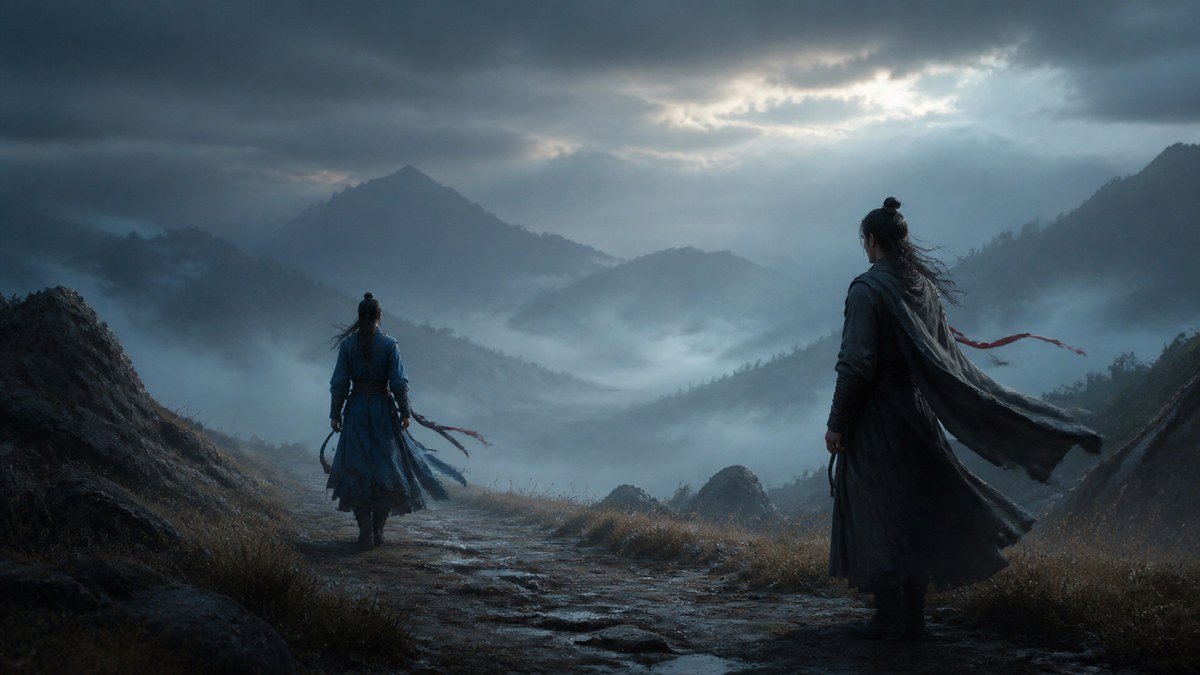
The final sequence gives the audience space, landscape, music, and a voice that changes the meaning of the moment. It avoids a long explanation. Instead, viewers must read recognition through expression. That choice suits a drama in which emotional truth has often lived in pauses, names, and actions rather than direct declarations.
Because the farewell is not presented as absolute, it never settles into a conventional ending. The moment can be read as reunion, continuation, or a promise that separation is not the last word. Our detailed The Untamed Ending Explained: 7 Secrets You Missed explores how visual and narrative clues shape those readings without requiring every viewer to reach the same conclusion.
Ambiguity here is not emptiness. It is an invitation. The audience supplies emotional continuity where the screen becomes quiet. That invitation is one reason the finale returns so easily in memory: every revisit allows a slightly different emphasis.
What the Final Smile Leaves Unsaid
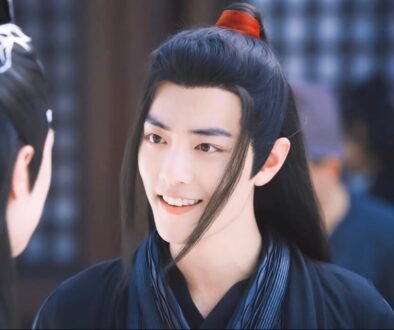
Wei Wuxian’s expression carries surprise, relief, affection, and recognition in a few seconds. The smile matters because the story has repeatedly shown how rarely he receives uncomplicated reassurance. He has used humor to deflect fear, hidden pain to protect others, and accepted misunderstanding when explaining himself seemed impossible. At the end, his face briefly stops performing for the world.
The scene is comforting precisely because it does not demand that viewers forget what came before. The smile does not rewrite tragedy. It suggests that being recognized can still create a future after tragedy. This is also why the finale becomes central to The Untamed emotional aftermath: it gives enough hope to keep longing alive.
For viewers interested in the long arc behind that recognition, WangXian Relationship Timeline: From Rivals to Soulmates follows the accumulating choices that make the last moment feel earned rather than sudden.
Ambiguity Keeps the Story Emotionally Active
A fixed answer ends debate. An open emotional image creates conversation. Fans return to staging, sound, chronology, and performance, not only to prove a theory but to remain close to the feeling. Each interpretation reveals what a viewer most needs from the ending: certainty, freedom, companionship, or the assurance that two people who found each other once can do so again.
That continuing conversation is part of the work’s afterlife. The finale becomes less like a locked door and more like a threshold. Viewers may step through it toward the novel, other adaptations, fan writing, or a rewatch. The story ends on screen, but participation begins elsewhere.
There is another reason this kind of ending remains powerful: it trusts viewers with emotional responsibility. The drama does not dictate exactly how long to grieve or what every relationship must become. It leaves room for hope without turning hope into a simplistic guarantee. Fans can imagine wandering, reunion, service, domestic quiet, or continued cultivation, yet the core recognition between the characters remains intact.
That balance protects the finale from becoming emotionally disposable. A fully explained epilogue might answer more questions, but it would narrow possibility. The existing ending allows a first-time viewer and a long-term fan to meet it differently, each bringing a new understanding of freedom, home, and companionship.
Why WangXian Stays in Your Mind After the Credits
Devotion Is Shown Through Choices
WangXian endures because the relationship develops through ethical recognition. Lan Wangji does not simply admire Wei Wuxian’s brightness; he learns to understand the conviction beneath choices that others condemn. Wei Wuxian, in turn, gradually recognizes the depth hidden beneath Lan Wangji’s discipline. Their bond becomes meaningful through repeated acts of listening, protecting, challenging, and returning.
Those choices invite close attention. A viewer can finish the plot while still feeling that the emotional story has more to reveal. WangXian Relationship Analysis: From Conflict to Devotion traces how conflict becomes trust through decisions rather than sudden confession.
This pattern makes the relationship difficult to leave behind. It rewards patience in the same way the whole drama does. Small gestures gain weight because the audience remembers the cost behind them. Once that language becomes familiar, even silence feels crowded with meaning.
Rewatching Changes the Meaning of Earlier Scenes
On a first watch, viewers follow mysteries and shifting timelines. On a second, they already know where every relationship is going. Earlier resistance can look like fear. A seemingly formal action can become tenderness. A line that once sounded ordinary may reveal warning, grief, or an attempt to protect someone without exposing them.
This backward flow of meaning intensifies The Untamed emotional aftermath. The ending sends the audience mentally back to the beginning. Instead of closure, it produces curiosity. That is why many fans restart almost immediately: not because they failed to understand the story, but because the complete story has changed how its first half feels.
The transformation is especially visible in character arcs. Wei Wuxian Personality Evolution: From Joy to Strength highlights how humor, moral courage, loneliness, and resilience acquire different meanings when viewed across his entire journey.
Viewers Carry the Unspoken Conversation Forward
Adaptation constraints encourage the drama to place emotional emphasis in framing, music, parallel actions, and names. The audience becomes an active reader of those signals. Rather than receiving a single explicit statement, fans build understanding from consistency: who notices, who waits, who stands beside whom when public opinion turns.
Active interpretation creates ownership. Viewers do not merely remember WangXian; they remember the process of recognizing WangXian. The bond becomes tied to their own attention and emotional intelligence. When the drama ends, that interpretive habit continues, which is why discussions can remain vivid years later.
Their contrast also gives the mind an unusually satisfying pattern to revisit. Wei Wuxian speaks quickly, improvises, and challenges a room’s assumptions. Lan Wangji observes, restrains, and commits with extraordinary consistency. Neither quality is complete alone. Across the story, spontaneity learns where it can rest, while discipline learns when rules fail the people they were meant to protect.
Because that change occurs gradually, viewers often notice it emotionally before they can describe it. The final episodes make the pattern visible, then send us back to search for its beginnings. In that sense, WangXian is designed for memory: every ending contains an earlier encounter, and every earlier encounter begins to contain the ending.
The Characters You Keep Mourning
Love Does Not Protect Everyone from Consequences
The series repeatedly shows people loving each other without possessing the language, timing, or freedom to prevent harm. Siblings protect one another and still become estranged. Friends trust the wrong person. Parents pass down rules meant to preserve order, yet those rules can deepen silence. Good intentions matter, but they do not erase consequence.
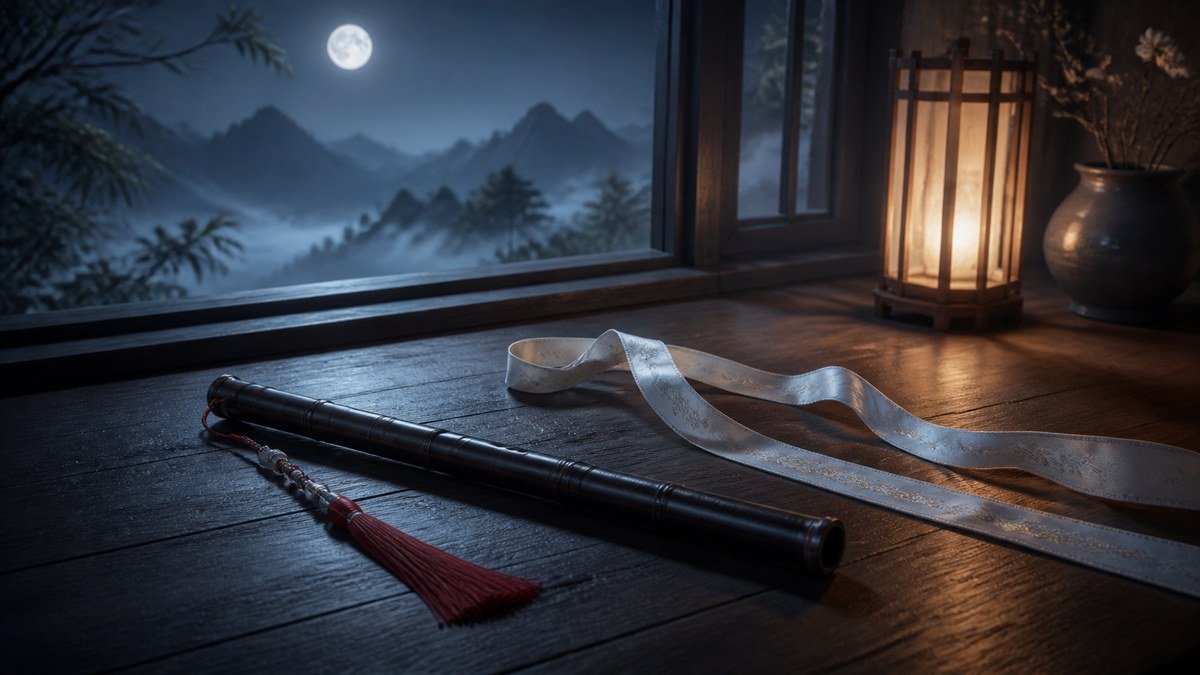
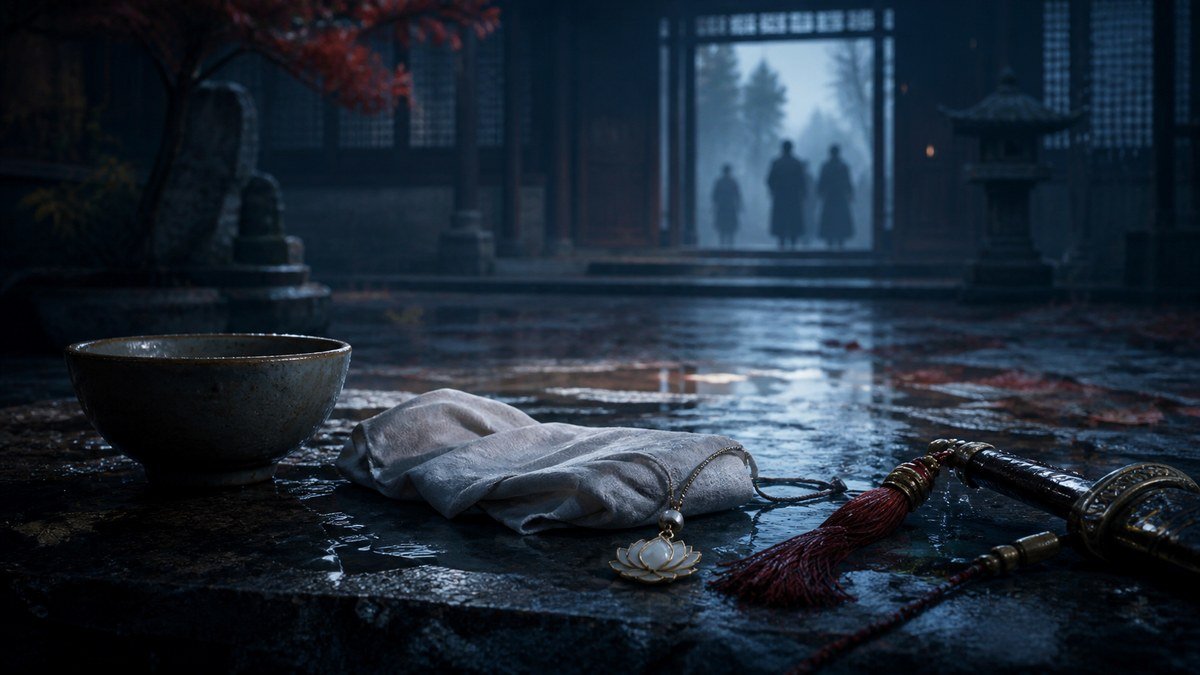
This is why sadness returns unexpectedly after the finale. A meal, a family pier, a ribbon, or a familiar piece of music can recall not only a death but an entire unrealized future. Saddest Characters in The Untamed: 10 Heartbreaking Stories looks more closely at how individual losses remain connected to love and circumstance.
The grief feels personal because the drama permits joyful memories to coexist with later pain. Viewers do not mourn abstract victims. They mourn people they saw laugh, tease, cook, argue, hope, and belong somewhere. The lost ordinary moments may hurt more than the spectacular tragedy.
Unresolved Relationships Create Lasting Ache
Some of the strongest emotional wounds come from conversations that never happen. Truth arrives when the person who needed to hear it is absent, or when damage has made simple reconciliation impossible. Jiang Cheng and Wei Wuxian embody this discomfort. Their history contains love, resentment, duty, sacrifice, and incompatible memories of the same family.
A neat reunion would flatten that history; permanent hatred would flatten it too. The drama leaves them in a more human space where knowledge changes the relationship even if it cannot repair everything immediately. The Untamed emotional aftermath thrives in that space between understanding and reconciliation.
Readers who want to revisit similar emotional patterns can explore Character Growth Comparison: The Arcs Fans Still Debate, which considers why development in this world rarely follows a clean or comforting line.
Secondary Characters Make the World Harder to Leave
The emotional world extends far beyond the central pair. Wen Ning’s gentleness, Jiang Yanli’s warmth, Lan Xichen’s faith, Nie Huaisang’s hidden calculation, and the tragedy surrounding Yi City give the drama multiple centers of attachment. Viewers can finish one arc while still carrying questions about another.
That breadth makes a rewatch feel like returning to a community rather than revisiting a single romance. Different characters move forward on different emotional schedules. Some receive peace; some receive truth; some receive neither. The imbalance is painful, but it gives the world moral texture.
The Untamed Character Analysis: 12 Hidden Insights offers a broader guide to the motives and contradictions that make even supporting roles memorable.
Mourning these characters can also reveal which form of loss affects a particular viewer most. Some respond to interrupted innocence. Others cannot let go of loyalty that was never properly understood, or of a person who became trapped inside the identity others assigned them. The cast functions like an emotional prism: the same events separate into different colors depending on whose silence the viewer follows.
This is why ranking who suffered most never fully satisfies. Pain in The Untamed is relational. One person’s absence changes a sibling, a friend, a clan, and the meaning of a familiar place. The audience continues tracing those ripples after the plot has stopped, keeping the characters present through the consequences they leave behind.
Rewatching Turns Loss into Discovery
Small Gestures Become Visible the Second Time
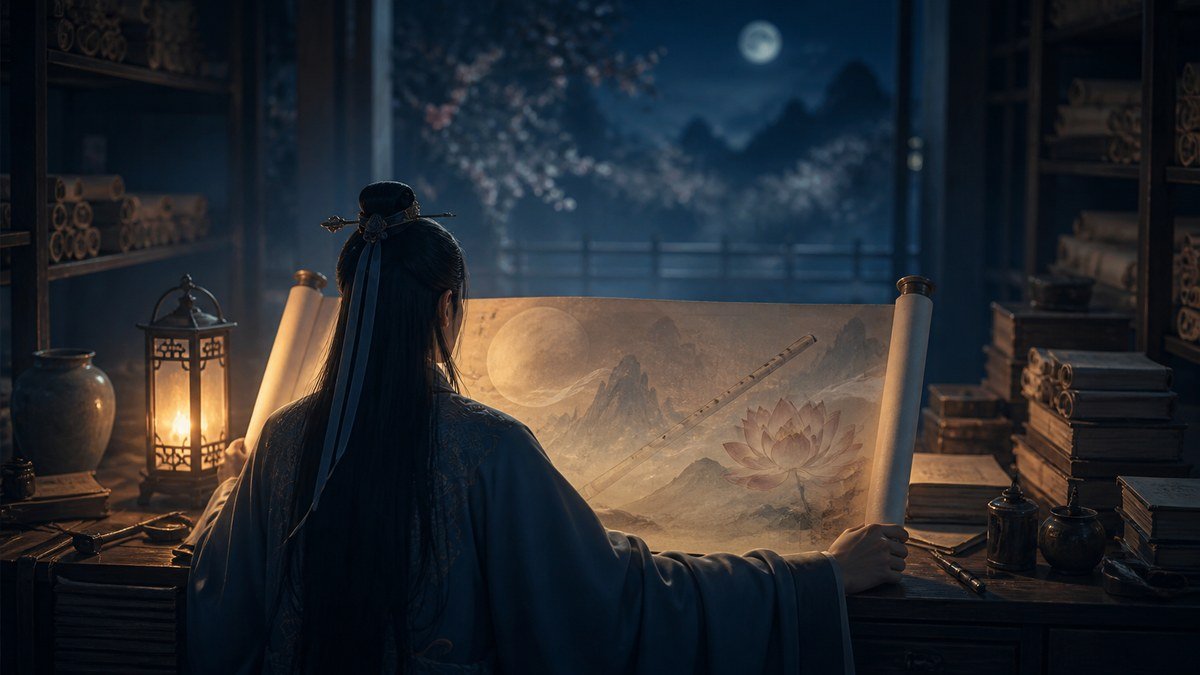
The first viewing often belongs to suspense. The next belongs to expression. Once viewers understand the plot, attention can move toward the edge of the frame: a hand tightening, a gaze held too long, someone quietly positioning himself between danger and another person, or a joke used to redirect concern.
These details make rewatching feel productive rather than repetitive. Fans are not simply reliving favorite scenes; they are discovering a second emotional narrative embedded inside the first. The Untamed Hidden Details: 10 Secrets You Missed is a useful companion for noticing how visual and behavioral clues accumulate.
Discovery also changes grief. Knowing the outcome hurts, yet seeing love and loyalty earlier provides comfort. The tragedy remains, but it no longer monopolizes the story. Rewatching restores playfulness, everyday companionship, and moments of safety that the first viewing may have rushed past.
Music Reopens the Emotional Memory
A soundtrack can return listeners to a scene before they consciously remember its details. Melodies associated with longing, home, family, or recognition become shortcuts into the drama’s emotional world. After finishing, a few notes may recreate the same ache as the finale—and sometimes the same reassurance.
That is why music becomes both trigger and medicine in The Untamed emotional aftermath. It reopens feeling, but in a form the listener can control. A song can accompany a commute, a quiet night, or a creative project, allowing the story to enter ordinary life without demanding another fifty-episode commitment.
Our The Untamed OST Analysis: 7 Songs Fans Still Love explores how recurring themes preserve character memory and why hopeful passages can feel just as powerful as tragic ones.
Familiar Scenes Become a Place of Comfort
Comfort does not require choosing only happy scenes. Sometimes familiarity itself is soothing. The viewer knows when the danger will pass, which misunderstandings will be corrected, and which moments deserve closer attention. Anxiety gives way to companionship.
The rewatch therefore changes the relationship between fan and story. On the first journey, the drama leads. On later journeys, the viewer chooses the pace, pauses to process, and returns to the sections that meet a particular emotional need. Loss becomes a library of moods rather than a single overwhelming ending.
A rewatch can also restore proportion. The most devastating episodes often dominate immediate memory, making the entire series seem darker than it was. Returning reveals how much humor, curiosity, teasing, food, music, and youthful energy surround the tragedy. Those lighter moments are not filler. They establish what the characters value and what later losses actually mean.
For some fans, the best approach is not a complete restart but a deliberately chosen path: one peaceful sequence, one character arc, or one stretch of episodes associated with discovery rather than collapse. Selective rewatching respects the emotion without surrendering every evening to it. Comfort becomes intentional, which helps the story fit into life instead of replacing it.

How Fandom Helps You Live with the Aftermath
Discussion Gives Unfinished Feelings Somewhere to Go
Talking to other fans turns private intensity into shared language. Someone else has also replayed the last scene, worried about Jiang Cheng, missed Lotus Pier, or felt unable to begin a new drama. Recognition reduces the sense that the reaction is excessive. It becomes evidence that the story created a real community of interpretation.
Fandom discussion also permits disagreement without ending attachment. One viewer may find the finale reassuring; another may remain frustrated. One may focus on romance, another on moral courage, family, or political hypocrisy. Untamed Fandom Culture: 10 Reasons Fans Can’t Let Go examines how shared analysis keeps the series culturally and emotionally active.
Behind-the-Scenes Content Softens the Farewell
Behind-the-scenes material provides tonal relief after an intense story. Sets become workplaces, solemn moments give way to laughter, and performance choices become visible as craft. The change does not invalidate the emotion on screen. Instead, it offers a gentle bridge back to reality.
The approved BOXIAO external library includes this The Untamed behind-the-scenes video for readers who want that lighter transition. Watching the people behind the characters smile and reset between takes can make the goodbye feel less abrupt.
Fan Creativity Extends Emotional Belonging
Edits, essays, illustrations, playlists, and fiction allow fans to answer what the original story awakened. Creative work can explore a quiet future, restore an interrupted conversation, celebrate a visual motif, or simply preserve a favorite expression. The goal is not always to replace canon. Often it is to remain in conversation with it.
This is where The Untamed emotional aftermath becomes generative. The ache produces attention; attention becomes creation; creation helps another viewer feel understood. Fandom does not erase the ending. It builds paths around and beyond it.
For a closer look at why audiences return so intensely, Why The Untamed Is So Addictive: The Magic Fans Can’t Forget connects character attachment, layered storytelling, and the pleasure of repeated discovery.
Community also provides a rhythm for moving forward. A new viewer asks an old question; a veteran fan answers and discovers that the answer has changed. Anniversary posts revive favorite scenes. A piece of art directs attention to a secondary character. The relationship with the drama becomes less urgent but more spacious, able to coexist with new interests.
Healthy fandom does not require constant intensity. It can include pauses, boundaries, and the freedom to enjoy another story without testing it against The Untamed. What matters is that participation remains chosen. The community works best when it offers connection rather than pressure, welcoming both the person on an eleventh rewatch and the person who needs time away.

Frequently Asked Questions
Why do I feel empty after finishing The Untamed?
You feel empty because the drama replaced part of your daily routine with a richly detailed world and emotionally important characters. Finishing removes that regular source of anticipation all at once. The feeling usually reflects attachment and immersion, not a failure to “move on.” Giving yourself time to process or discuss the ending can help.
Is post-drama sadness after The Untamed normal?
Yes. Many viewers describe sadness, nostalgia, restlessness, or an immediate urge to rewatch after completing a beloved long-form drama. If the feeling seriously disrupts sleep, work, relationships, or daily functioning for an extended period, step back from fandom content and consider speaking with a qualified mental-health professional.
Will rewatching The Untamed make the feeling better or worse?
It can do either, depending on what you need. A rewatch may comfort you by restoring familiar characters and revealing details you missed. It may also intensify emotion if you begin immediately. Try revisiting one favorite arc, listening to the soundtrack, or taking a short break before committing to the full series again.
What should I watch or read after The Untamed?
You can explore the source novel and its other adaptations, revisit selected scenes, or choose a very different drama as an emotional reset. Behind-the-scenes clips and cast interviews can also create distance from the fictional tragedy. Pick the path that feels enjoyable rather than treating recovery like a checklist.
Why does the ending feel so emotionally unresolved?
The ending resolves the central mystery while leaving parts of its emotional future open to interpretation. Visual cues, music, and recognition carry more weight than explicit explanation. That restrained approach fits the drama’s storytelling language, but it also asks viewers to imagine what companionship, healing, and reconciliation may look like afterward.
How long does The Untamed emotional aftermath last?
The Untamed emotional aftermath has no fixed timetable. For some viewers the intensity fades within days; others revisit the story for years while the feeling gradually becomes warm nostalgia. The aim does not have to be forgetting. A healthy outcome can simply mean enjoying the series without it overwhelming everyday life.
Conclusion — You Do Not Have to Leave the Story Behind
The Ache Is Part of What the Story Gave You
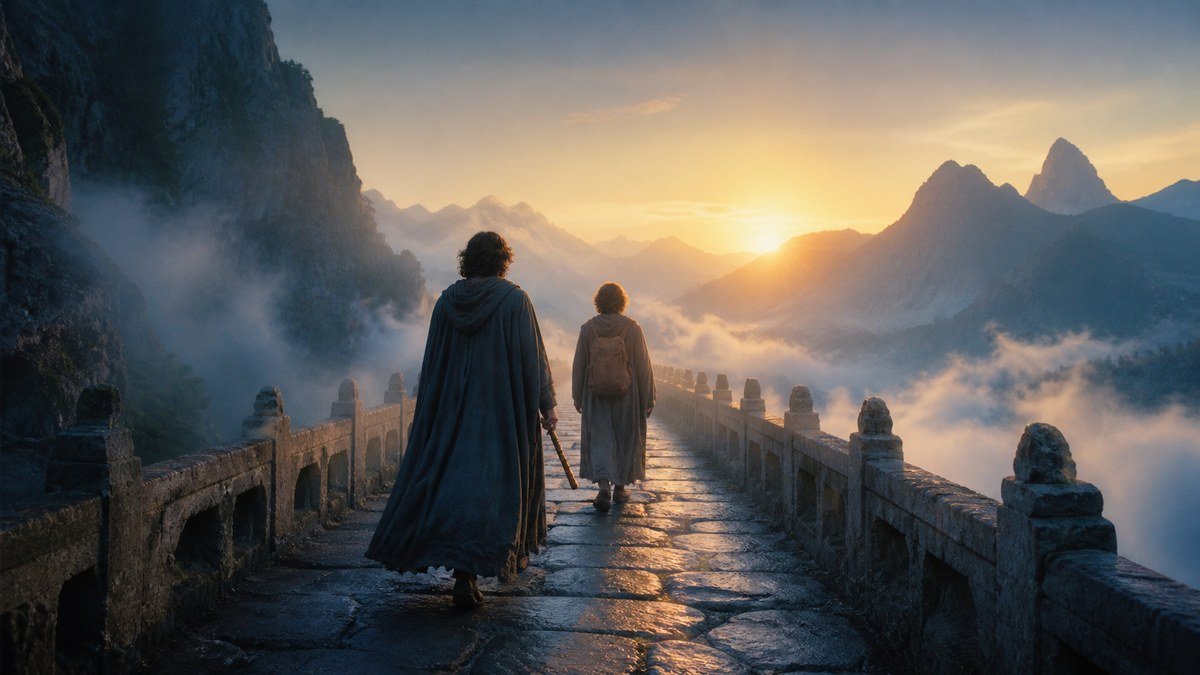
The emptiness after The Untamed is the shadow cast by attention. You learned the weight of names, promises, silences, and returns. You watched characters make beautiful choices and damaging ones, sometimes in the same breath. When the journey stopped, your emotions did not receive a command to stop with it.
That is the heart of The Untamed emotional aftermath. It is not only grief for fictional events. It is the mind continuing to work with questions about loyalty, reputation, sacrifice, justice, and the rare relief of being truly known. The series stays alive because those questions do not belong only to cultivation clans. They belong to ordinary human relationships too.
You can keep what mattered without remaining trapped in the most painful scenes. Rewatch slowly. Let music carry memory in smaller doses. Read an interpretation that challenges yours. Laugh at behind-the-scenes moments. Create something, or simply tell another new viewer, “I know exactly how you feel.”
Fandom Turns an Ending into a Shared Afterlife
Every thoughtful conversation extends the story without pretending to replace it. Fandom gives unresolved emotion a social home. That may be why the series continues to gather first-time viewers alongside people returning for another journey: each arrival renews questions older fans still love discussing.
If BOXIAO’s fandom features help you revisit the series with new eyes, you can optionally support future work through Ko-fi. The invitation is gentle, never required; reading, sharing, and joining the conversation already keep the community alive.
Eventually, The Untamed emotional aftermath may stop feeling like a wound and begin feeling like a place you can visit. The ache softens into recognition. The music still works. The final smile still opens a door. But you no longer have to stand helplessly at the ending—you can choose how and when to return.
Which part of The Untamed stayed with you longest after the final episode?
Fan-Favorite Collectibles & Gifts