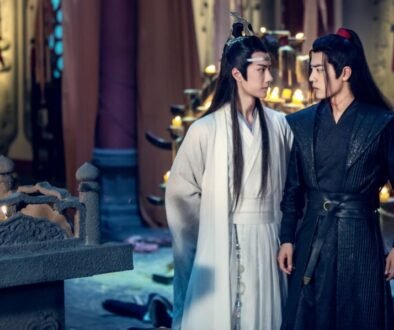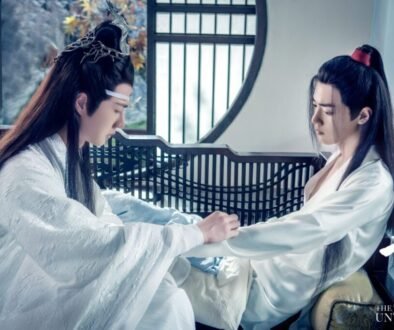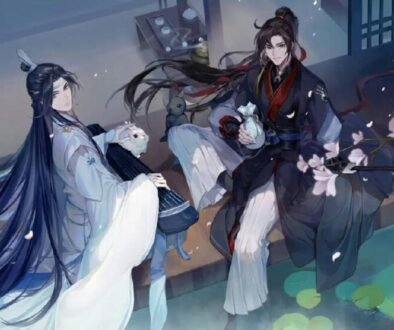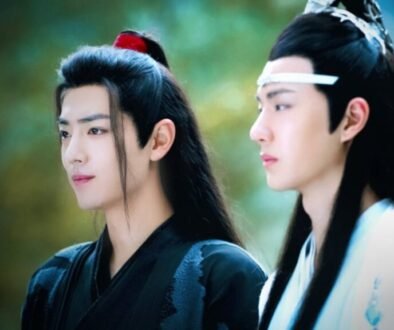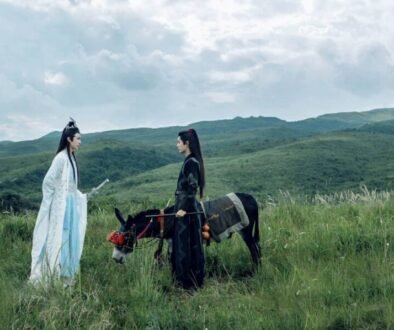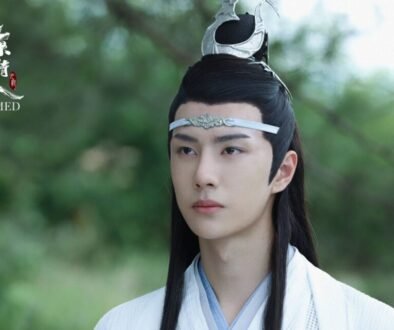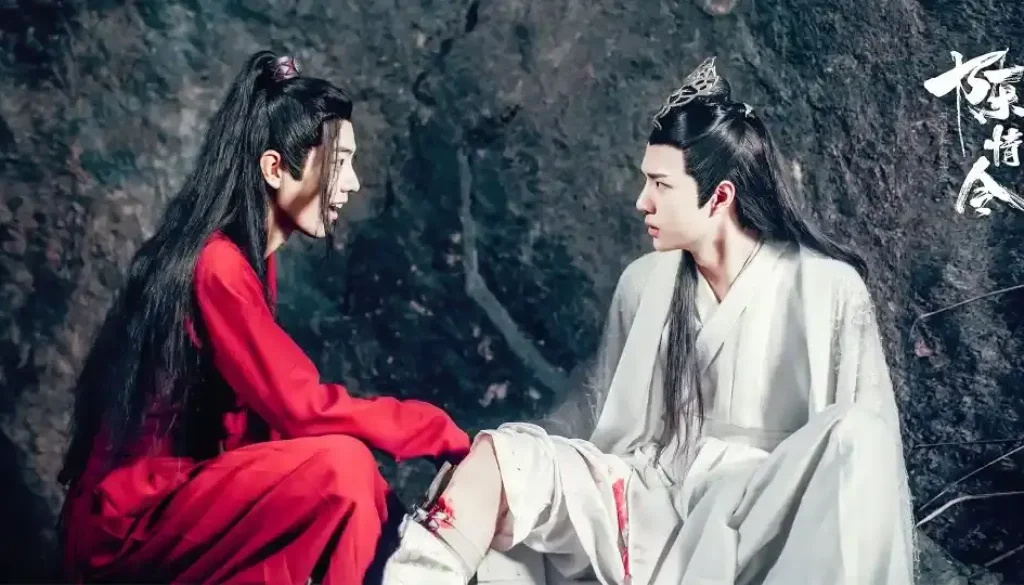
The Untamed Plot Analysis: 12 Shocking Twists
Have you ever watched a drama so layered that you needed a guide just to process its twists? The Untamed plot analysis helps unravel the emotional depth, political intrigue, and hidden symbolism behind one of the most beloved Chinese fantasy dramas of the decade. From its complex dual timelines to its morally gray characters, understanding The Untamed plot analysis allows viewers to fully appreciate the brilliance of its storytelling.
This series isn’t just another xianxia drama—it’s a carefully crafted narrative about loyalty, sacrifice, and reputation versus truth. With unforgettable characters like Wei Wuxian and Lan Wangji, and a storyline rooted in the cultivation world drama tradition, the show invites deeper exploration. A thoughtful The Untamed plot analysis reveals how each twist connects to larger themes and why certain moments hit so hard emotionally.
Whether you’re rewatching the series or diving in for the first time, this breakdown will guide you through the layers that make the story unforgettable—so let’s explore what truly makes this drama a masterpiece.
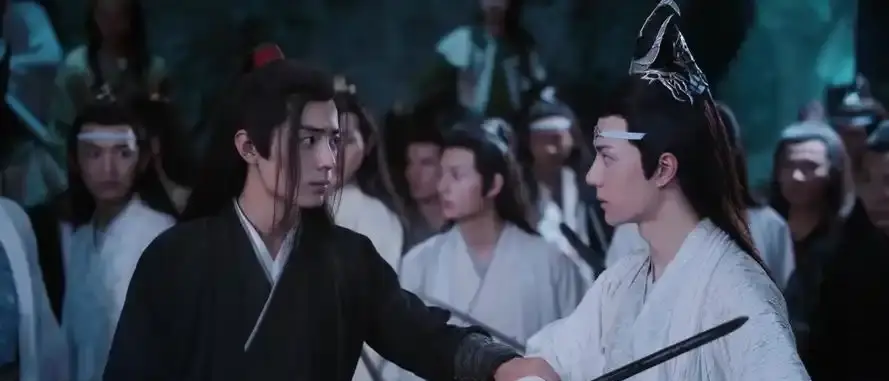
Chapter 1: Introduction to The Untamed Plot Analysis
What Makes The Untamed Plot Analysis Essential for Viewers?
At first glance, The Untamed looks like a traditional xianxia fantasy filled with sword fights and clan rivalries. However, a deeper The Untamed plot analysis reveals something far more layered—a narrative driven by moral conflict, political manipulation, and emotional sacrifice. Viewers often find themselves rewatching key episodes just to connect the dots between past and present timelines.
Unlike many fantasy dramas that rely solely on spectacle, this story builds its power through character choices. Wei Wuxian’s rise and fall, Lan Wangji’s quiet loyalty, and the hidden schemes of the cultivation world create a web of consequences that rewards careful attention. If you need a refresher on character roles, this detailed breakdown of The Untamed characters – who’s who in the hit drama helps clarify key relationships before diving deeper.
Scholars of media fandom, including research published in Transformative Works and Cultures, highlight how complex storytelling increases emotional investment. That insight explains why fans continue dissecting scenes years later. A strong The Untamed plot analysis doesn’t just retell events—it explains why they matter.
Why the Story Structure Redefines Modern Xianxia Narratives
Traditional xianxia stories often follow a straightforward hero’s journey: talent, training, triumph. In contrast, The Untamed disrupts that formula. The series opens with mystery and resurrection before stepping backward into tragedy. This reverse structure immediately raises tension.
Because of its dual timeline, every flashback carries dramatic irony. Audiences already know Wei Wuxian’s fate, which makes small joyful moments at Lotus Pier feel bittersweet. For a broader look at how this drama reshaped the genre, explore The Untamed evolution of xianxia culture.
Modern fandom research from the University of Southern California’s Annenberg School suggests nonlinear storytelling increases online discussion and theory-building. That trend fits perfectly here. Fans debate motivations, reinterpret scenes, and even analyze symbolic props like the flute.
🎬 Explore more in this YouTube clip – Click to watch
Watch the dual timeline explained
Through careful pacing and emotional callbacks, the writers transform a fantasy series into a psychological study of reputation versus truth. Any meaningful The Untamed plot analysis must consider this structural brilliance.
Global Fandom, Cultural Impact, and Narrative Depth
Popularity rarely happens by accident. While official promotion played a role, fandom-driven engagement propelled the drama worldwide. Emotional chemistry, especially between the two leads, inspired massive online communities. For deeper insight into this cultural wave, read The Untamed global phenomenon – why it captivated the world.
Academic studies on fandom psychology show that audiences connect strongly to stories centered on loyalty and shared suffering. Psychologist Henry Jenkins’ participatory culture theory explains how fans actively shape meaning rather than passively consume content. In this case, viewers created edits, translations, and essays that extended the show’s life far beyond its broadcast.
👉 Want to see the full behind-the-scenes? Watch the video here
Behind-the-scenes moments that made history
Comparatively, older xianxia dramas relied heavily on visual effects and clear moral lines. The Untamed thrives on ambiguity. Characters make flawed choices. Villains justify their actions. Heroes face public condemnation. Such complexity invites discussion rather than simple admiration.
Ultimately, this layered storytelling explains why fans still search for detailed explanations years later. A thoughtful The Untamed plot analysis uncovers emotional subtext, cultural symbolism, and structural innovation—setting the stage for a deeper exploration of its characters, twists, and themes in the sections ahead.
Chapter 2: The Dual Timeline Structure in The Untamed Plot Analysis
How The Untamed Plot Analysis Reveals the Power of Nonlinear Storytelling
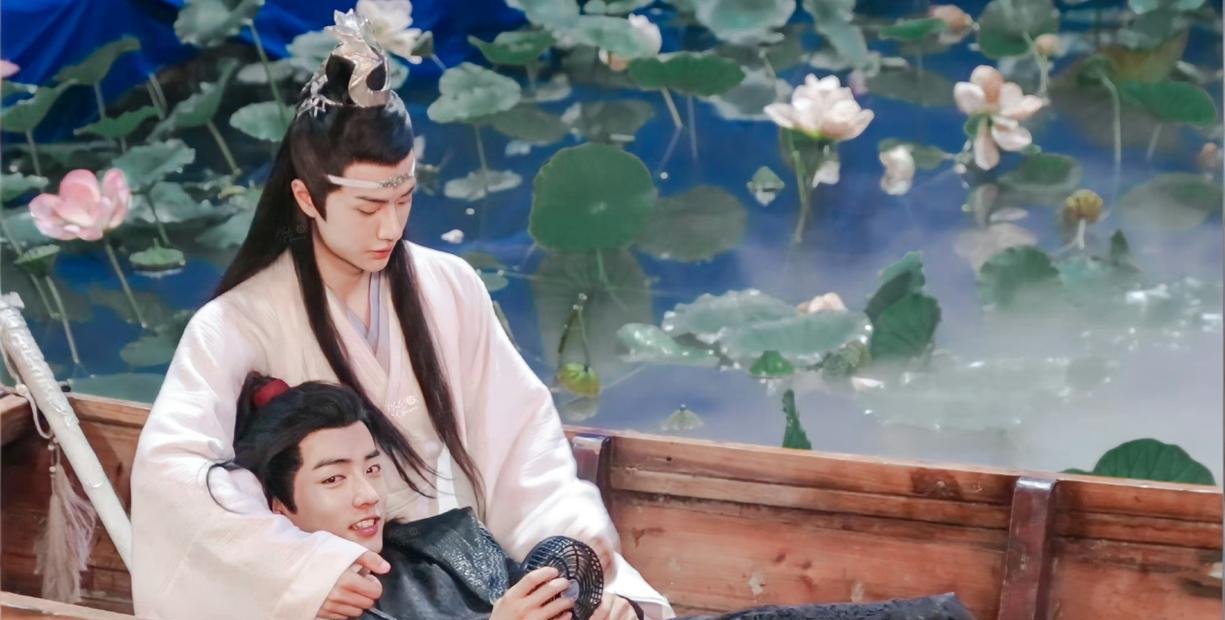
One of the most brilliant aspects uncovered in any serious The Untamed plot analysis is its dual timeline structure. Instead of starting at the beginning, the drama opens with mystery, death, and resurrection. That bold narrative choice immediately sets a darker tone and invites viewers to ask questions.
Right from episode one, Wei Wuxian returns to the world under a new identity. Confusion lingers in the air. Clues appear slowly. Tension builds. Then, just as curiosity peaks, the story shifts backward into an extended flashback arc.
This nonlinear approach does more than create suspense. It reshapes how audiences experience emotion. Because viewers already know Wei Wuxian’s tragic fate, joyful early scenes feel fragile. Laughter at Lotus Pier carries a quiet sense of doom. Brotherhood moments feel fleeting.
If you want a broader breakdown of how this structure influences character interpretation, check out this in-depth companion guide:
The Untamed character analysis – 12 hidden insights
According to narrative psychology research published in Psychology of Aesthetics, Creativity, and the Arts, nonlinear storytelling increases emotional retention and analytical engagement. That finding explains why fans continue dissecting scenes years after the finale.
Present Timeline: Resurrection, Mystery, and Moral Reframing
The present timeline begins with Mo Xuanyu’s sacrificial ritual, which brings Wei Wuxian back to life. Instead of revealing everything at once, the drama plants seeds of uncertainty.
Several key effects emerge:
-
Viewers question who truly caused past tragedies
-
Moral judgments shift as hidden truths surface
-
Suspense builds through incomplete information
Lan Wangji’s reaction plays a crucial role here. His recognition feels immediate yet restrained. Small glances carry enormous emotional weight. Because the audience lacks full context at first, these subtle cues spark discussion and theory-building.
For fans who love analyzing subtle expressions and character chemistry, this deeper dive is worth reading:
Lan Wangji & Wei Wuxian – from rivals to soulmates
🎬 Explore more in this YouTube clip – Click to watch
Watch the opening resurrection scene explained
By starting with consequences rather than causes, the drama reframes Wei Wuxian’s identity. Instead of presenting him as a villain, the structure invites sympathy from the outset. That strategic move shapes the entire The Untamed plot analysis moving forward.
Flashback Timeline: The Rise and Fall of a Cultivation Prodigy
After establishing the mystery, the story plunges into the past. What begins as a youthful training arc soon transforms into political chaos and moral conflict.
Traditional xianxia dramas often highlight steady power progression. Heroes train hard. They defeat enemies. Justice prevails. The Untamed challenges that pattern.
Here’s how it differs:
-
Power leads to isolation rather than glory
-
Innovation sparks fear instead of admiration
-
Reputation outweighs truth in the cultivation world
Wei Wuxian’s creation of demonic cultivation stands at the heart of this shift. He acts to protect innocent survivors, yet society condemns him. That tension fuels tragedy.
For a broader cultural perspective, explore this analysis of genre evolution:
The Untamed evolution of xianxia culture
Scholars studying Asian television dramas note that modern adaptations often blur moral boundaries to reflect contemporary social anxieties. Unlike older black-and-white narratives, this series embraces gray areas.
👉 Want to see the full behind-the-scenes? Watch the video here
Behind-the-scenes production insights
As the flashback arc progresses, emotional stakes rise rapidly. The Sunshot Campaign, the destruction of Lotus Pier, and the mounting suspicion around Wei Wuxian create a chain reaction. Every decision pushes him closer to exile.
How Both Timelines Converge in The Untamed Plot Analysis
Eventually, past and present collide. Secrets surface. Hidden motives unravel. Long-standing misunderstandings crumble.
Because viewers already witnessed the tragic outcome, each revelation carries added intensity. The Golden Core secret, for example, completely transforms how audiences interpret Jiang Cheng’s anger. That twist demonstrates why layered storytelling matters.
Research from the University of Southern California’s Annenberg School highlights that fragmented timelines increase online fan engagement by encouraging collaborative interpretation. This phenomenon perfectly describes The Untamed fandom culture.
For readers interested in the show’s enduring influence, this article expands on its lasting legacy:
Why The Untamed still matters in 2025
Ultimately, the dual timeline does more than organize events. It shapes emotional alignment. It reframes heroism. It challenges surface-level judgment.
Through careful pacing and structural contrast, the series turns tragedy into revelation. A thoughtful The Untamed plot analysis proves that the story’s true genius lies not just in what happens—but in when and how we learn it.
Chapter 3: Wei Wuxian – The Tragic Antihero in The Untamed Plot Analysis
Wei Wuxian’s Moral Complexity in The Untamed Plot Analysis
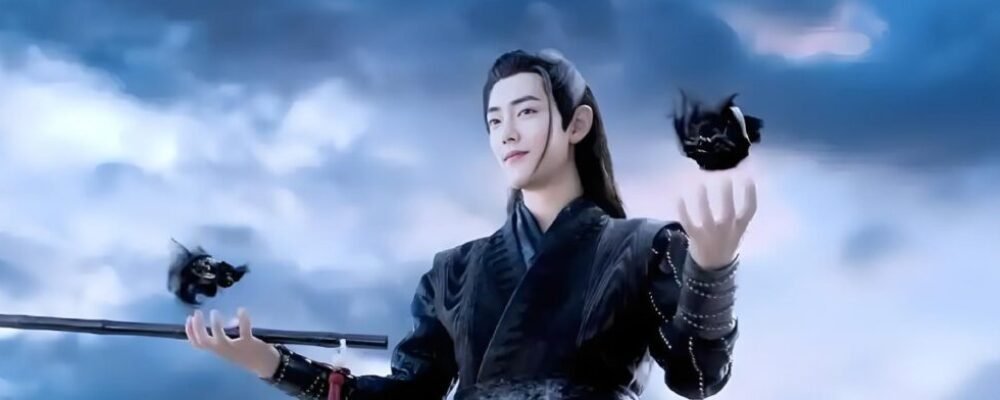
At the heart of any meaningful The Untamed plot analysis stands Wei Wuxian—the rebellious genius who reshaped the cultivation world. Unlike traditional xianxia protagonists who climb steadily toward glory, Wei Wuxian rises, falls, and rises again under heavy moral scrutiny.
From his early days at Lotus Pier, he shows exceptional talent and an unshakable sense of justice. Yet talent alone doesn’t define him. Compassion drives his decisions. Loyalty guides his actions. Unfortunately, those very strengths push him into conflict with rigid clan politics.
While many heroes protect their reputation first, Wei Wuxian protects people. That distinction changes everything.
If you’d like a broader breakdown of how the series builds layered personalities, explore this companion guide:
The Untamed character analysis – 12 hidden insights
According to narrative studies in Psychology of Popular Media, audiences connect more deeply with morally complex protagonists than flawless heroes. Wei Wuxian embodies that complexity perfectly. He makes bold choices. He accepts consequences. He refuses to bend to hypocrisy.
Such traits transform him from a simple lead character into a tragic antihero.
The Creation of Demonic Cultivation: Innovation or Rebellion?
Desperation sparks innovation. After losing his golden core, Wei Wuxian faces a devastating reality: he can no longer cultivate the orthodox way. Instead of surrendering, he develops demonic cultivation.
This turning point defines the entire story.
Traditional cultivation systems value discipline, lineage, and strict codes. Wei Wuxian challenges those foundations. He channels resentful energy, controls fierce corpses, and proves that power can exist outside established rules.
Here’s why this matters in the broader The Untamed plot analysis:
-
He uses forbidden methods to protect the innocent Wen survivors
-
He challenges authority structures within the Great Clans
-
He exposes the hypocrisy of leaders who care more about image than justice
For readers interested in how this rebellion reshaped the genre, this article provides deeper context:
The Untamed evolution of xianxia culture
🎬 Explore more in this YouTube clip – Click to watch
Wei Wuxian’s demonic cultivation explained
Scholars studying Asian fantasy narratives note that modern adaptations often reflect societal tensions between conformity and individuality. Wei Wuxian’s path mirrors that shift. He represents innovation in a world obsessed with tradition.
Consequently, society labels him dangerous—not because he lacks morality, but because he refuses to obey.
Public Condemnation and the Power of Reputation
Reputation drives the cultivation world. Once rumors spread, truth becomes irrelevant.
Following the Sunshot Campaign, political tensions intensify. The Lanling Jin Clan consolidates power. Suspicion toward Wei Wuxian grows. Every small incident strengthens the narrative that he has “fallen to the demonic path.”
Importantly, no clear evidence proves malicious intent. Instead, fear shapes perception.
Research from the University of Southern California’s Annenberg School suggests that audiences engage strongly with stories where social judgment conflicts with personal truth. That pattern explains the emotional intensity surrounding Wei Wuxian’s downfall.
For more insight into how public perception fueled the show’s global discussion, read:
The Untamed global phenomenon – why it captivated the world
👉 Want to see the full behind-the-scenes? Watch the video here
Behind-the-scenes emotional scenes breakdown
Unlike traditional villains, Wei Wuxian never seeks domination. He seeks fairness. However, his refusal to submit isolates him. Former allies hesitate. Political leaders exploit fear. Even his closest relationships strain under pressure.
This tragic spiral culminates in his death at the Burial Mounds—a moment that redefines heroism in modern xianxia storytelling.
Resurrection and Redemption: A Second Chance
When Wei Wuxian returns in the present timeline, the story reframes his legacy. Viewers now witness events with fuller context. Misunderstandings surface. Hidden sacrifices come to light.
His resurrection does not erase past pain. Instead, it offers clarity.
Redemption unfolds not through grand speeches but through quiet actions:
-
Protecting juniors without seeking credit
-
Confronting long-buried secrets
-
Accepting responsibility without self-pity
Such growth highlights why The Untamed plot analysis consistently circles back to his character arc. Wei Wuxian evolves, yet he never abandons his core values.
Comparatively, older xianxia heroes often regain status through sheer power. Wei Wuxian regains dignity through truth.
That distinction matters.
By blending rebellion, tragedy, and redemption, the series crafts one of the most compelling antiheroes in recent television history. His journey reminds viewers that justice rarely looks clean—and that sometimes, the misunderstood figure holds the purest intentions of all.
Chapter 4: Lan Wangji – The Silent Protector in The Untamed Plot Analysis
Lan Wangji’s Quiet Strength in The Untamed Plot Analysis
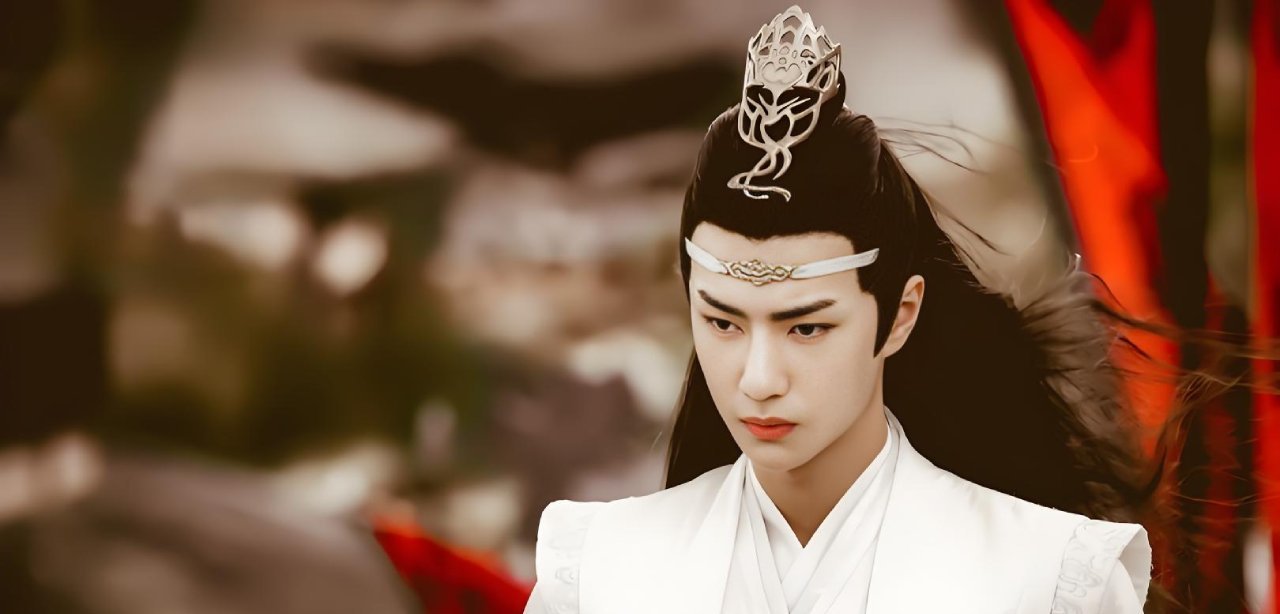
While Wei Wuxian commands attention with bold defiance, Lan Wangji anchors the story with discipline and restraint. Any thorough The Untamed plot analysis must examine how Lan Wangji’s silent loyalty shapes the emotional core of the series.
From his first appearance, he embodies the Gusu Lan Clan’s strict code of conduct—calm speech, controlled emotions, unwavering principles. However, beneath that composed exterior lies fierce devotion. Unlike other cultivators who judge quickly, Lan Wangji observes carefully. He listens. He remembers.
During the early Cloud Recesses lectures, his clashes with Wei Wuxian appear ideological. Rules matter to him. Order preserves stability. Yet small moments hint at deeper respect. A shared fight against injustice begins shifting his perspective long before tragedy strikes.
If you’d like a closer look at how their bond evolves, explore this detailed analysis:
Lan Wangji & Wei Wuxian – from rivals to soulmates
Psychological studies on audience attachment show that viewers connect strongly with “restrained protectors” because subtle emotion invites interpretation. Lan Wangji fits this archetype perfectly.
The Gusu Lan Clan’s Influence: Discipline vs Emotion
To understand Lan Wangji’s decisions, we must examine his upbringing. The Gusu Lan Clan values:
-
Strict adherence to rules
-
Emotional restraint
-
Moral righteousness
-
Ritualized behavior
These principles create stability, yet they also limit flexibility. When Wei Wuxian begins exploring demonic cultivation, Lan Wangji faces an internal conflict. Should he defend the rules—or defend the person?
Traditional xianxia heroes often choose clan loyalty without hesitation. The Untamed complicates that formula. Lan Wangji gradually realizes that morality cannot rely solely on written codes. Real justice demands empathy.
For broader context on how this drama reshaped genre expectations, read:
The Untamed evolution of xianxia culture
🎬 Explore more in this YouTube clip – Click to watch
Lan Wangji’s most powerful silent moments
Research from Psychology of Popular Media highlights that characters who experience “value dissonance” generate higher emotional engagement. Lan Wangji’s struggle between obedience and compassion exemplifies that dynamic.
Rather than abandoning his principles, he redefines them.
Unwavering Loyalty During Public Condemnation
When society turns against Wei Wuxian, Lan Wangji stands nearly alone. Clan leaders whisper accusations. Political tensions rise. Fear spreads quickly across the cultivation world.
Despite intense pressure, Lan Wangji refuses to condemn him blindly.
He challenges elders.
He confronts injustice directly.
He chooses truth over reputation.
This steadfast loyalty transforms him from a reserved cultivator into a moral pillar of the story. Unlike characters who prioritize public image, Lan Wangji risks status and punishment to uphold what he believes is right.
For readers interested in how public perception shaped the drama’s global rise, this article offers valuable insight:
The Untamed global phenomenon – why it captivated the world
👉 Want to see the full behind-the-scenes? Watch the video here
Behind-the-scenes emotional confrontations
Comparatively, older cultivation narratives often present loyalty as loud and declarative. Here, devotion manifests quietly. A single step forward in defense speaks louder than dramatic speeches.
That subtle storytelling strengthens any serious The Untamed plot analysis.
Growth After Tragedy: From Restraint to Resolve
Wei Wuxian’s death marks a turning point. Grief reshapes Lan Wangji’s quiet discipline into quiet determination. He raises the next generation of juniors with patience and open-mindedness—qualities that reflect lessons learned from past mistakes.
Instead of clinging rigidly to old doctrines, he adapts. That evolution signals growth.
Academic research on long-form television narratives suggests that audiences value characters who demonstrate moral development across seasons. Lan Wangji embodies this arc beautifully. His journey shows that strength does not always roar. Sometimes, it whispers and endures.
Upon Wei Wuxian’s resurrection, Lan Wangji wastes no time questioning his return. Recognition arrives instantly. Acceptance follows naturally. Years of silent devotion culminate in partnership rather than conflict.
Ultimately, Lan Wangji’s role within The Untamed plot analysis reveals a powerful truth: loyalty rooted in empathy outlasts fear rooted in tradition. Through discipline, sacrifice, and quiet courage, he transforms from rule-bound disciple into unwavering guardian—proving that silence can carry extraordinary weight.

Chapter 5: The Five Great Clans and Power Struggles in The Untamed Plot Analysis
How Clan Politics Shape The Untamed Plot Analysis
Power drives conflict in any epic fantasy, and The Untamed plot analysis becomes incomplete without examining the Five Great Clans. While personal loyalty fuels emotional drama, political ambition fuels catastrophe.
Unlike traditional xianxia narratives that focus mainly on cultivation growth, The Untamed places institutional power at the center of its tragedy. Each clan operates with distinct values, strengths, and hidden agendas. Alliances shift quickly. Rivalries deepen silently. Reputation becomes currency.
The Five Great Clans include:
-
Yunmeng Jiang Clan
-
Gusu Lan Clan
-
Lanling Jin Clan
-
Qishan Wen Clan
-
Qinghe Nie Clan
Together, they form a fragile balance of influence. Once that balance breaks, chaos spreads across the cultivation world.
For a deeper breakdown of key figures within these factions, explore this guide:
The Untamed characters – who’s who in the hit drama
Scholars studying political storytelling in Asian fantasy dramas note that modern adaptations often mirror real-world power dynamics. In this case, clan hierarchies reflect issues of authority, corruption, and social pressure.
Qishan Wen Clan: Tyranny and the Spark of War
The Qishan Wen Clan, under Wen Ruohan, ignites large-scale conflict. Military strength and aggressive expansion define their rule. Instead of diplomacy, they rely on domination.
Public humiliation of rival clans escalates tension rapidly. The burning of Cloud Recesses and destruction of Lotus Pier demonstrate calculated intimidation rather than impulsive cruelty.
Traditional xianxia villains often pursue immortality or personal power alone. Wen Ruohan pursues absolute control. That distinction shifts the scale from personal rivalry to political war.
🎬 Explore more in this YouTube clip – Click to watch
Sunshot Campaign battle highlights
The Sunshot Campaign emerges as a unified rebellion against tyranny. However, unity proves temporary. Once the Wen Clan falls, a new struggle begins—one rooted not in survival, but in influence.
Lanling Jin Clan: The Rise of Subtle Manipulation
After the war, the Lanling Jin Clan gradually consolidates power. On the surface, they present refinement and leadership. Beneath that image, ambition quietly expands.
Unlike the overt brutality of Qishan Wen, Lanling Jin employs strategic alliances and narrative control. Public perception becomes their strongest weapon. By shaping how others view Wei Wuxian’s demonic cultivation, they redirect fear away from themselves.
This shift highlights a critical insight within The Untamed plot analysis: tyranny does not always roar. Sometimes, it smiles.
For further reading on how political maneuvering influenced the drama’s larger legacy, see:
The Untamed global phenomenon – why it captivated the world
Research from the University of Hong Kong on media representation suggests audiences increasingly recognize “soft power antagonists” in modern storytelling. Jin Guangyao embodies this archetype perfectly.
Yunmeng Jiang and Qinghe Nie: Loyalty Under Pressure
The Yunmeng Jiang Clan prioritizes family honor and emotional bonds. Their tragedy at Lotus Pier marks a turning point in Wei Wuxian’s life. Loyalty becomes both strength and burden.
Meanwhile, the Qinghe Nie Clan values straightforward justice. However, internal instability weakens their influence. Their struggles demonstrate how even strong ideals collapse under political strain.
For readers interested in the emotional ripple effects of these alliances, this companion article expands on long-term impact:
The Untamed legacy – why it still matters in 2025
👉 Want to see the full behind-the-scenes? Watch the video here
Behind-the-scenes clan dynamics explained
Comparatively, older cultivation stories often present united sects fighting evil forces. The Untamed reveals a more complex truth. Even righteous clans fracture under ambition and fear.
Balance, Collapse, and the True Cost of Power
Once the Wen Clan falls, the illusion of harmony dissolves quickly. Suspicion replaces solidarity. Political leaders focus on consolidating influence rather than rebuilding trust.
Wei Wuxian’s unconventional methods threaten that fragile balance. Leaders label him dangerous because he operates outside clan systems. In reality, his independence exposes institutional hypocrisy.
Modern fandom research published in Transformative Works and Cultures highlights that audiences respond strongly to stories critiquing hierarchical power. The Untamed succeeds because it intertwines emotional tragedy with systemic critique.
Ultimately, the Five Great Clans represent more than background factions. They function as engines of conflict. Their ambitions shape destinies. Their rivalries fuel misunderstandings.
Through this political lens, The Untamed plot analysis reveals that the greatest threat was never just demonic cultivation—it was unchecked power disguised as righteousness.

Chapter 8: Major Plot Twists That Redefine The Untamed Plot Analysis
The Golden Core Secret: A Sacrifice Hidden in Silence
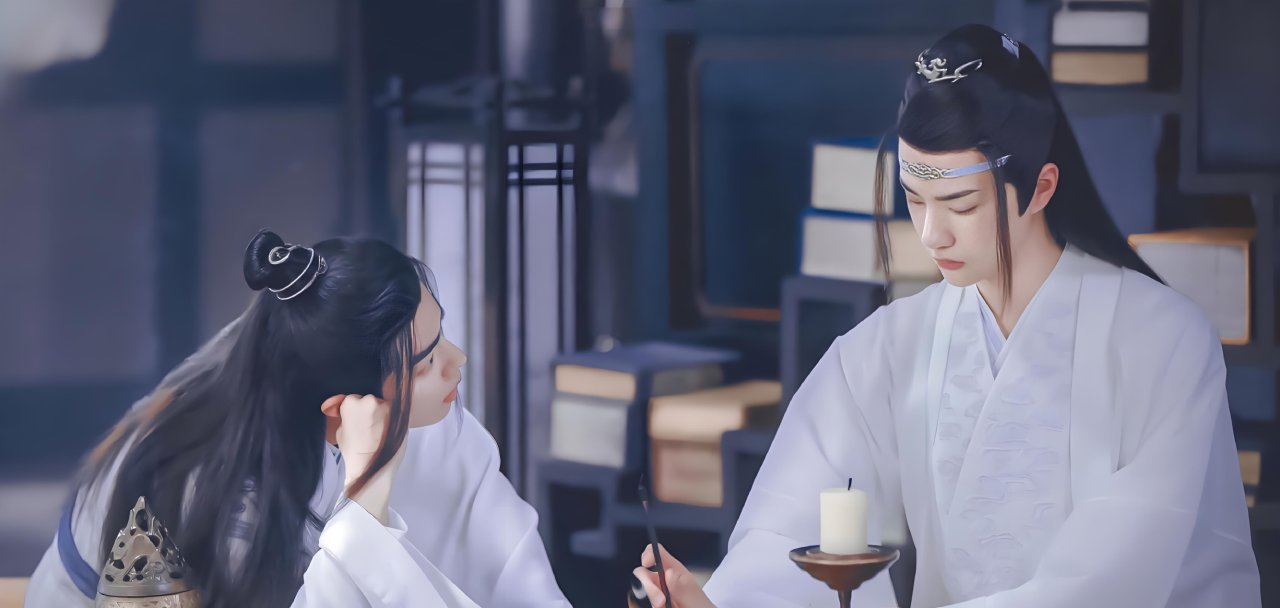
Few revelations in modern fantasy television hit as hard as the Golden Core secret. Within any thorough The Untamed plot analysis, this twist stands as one of the most emotionally devastating moments.
For years, Jiang Cheng believes Wei Wuxian abandoned him during a moment of crisis. Resentment builds. Anger hardens. Misunderstanding widens the gap between sworn brothers.
Then the truth emerges.
Wei Wuxian gave up his own golden core to restore Jiang Cheng’s cultivation after the Lotus Pier massacre. He endured unbearable pain in silence. He chose exile rather than claim credit.
This twist transforms everything:
-
Jiang Cheng’s bitterness gains tragic context
-
Wei Wuxian’s demonic cultivation becomes a necessity, not rebellion
-
Loyalty reveals itself as sacrifice rather than pride
Traditional xianxia stories often celebrate visible heroism. The Untamed honors invisible sacrifice instead.
For a deeper emotional exploration of character bonds, read:
Lan Wangji & Wei Wuxian – from rivals to soulmates
🎬 Explore more in this YouTube clip – Click to watch
Golden Core reveal scene breakdown
Research in narrative psychology shows that hidden sacrifice twists increase long-term emotional resonance. That explains why this moment continues to spark fan discussions years later.
Wei Wuxian’s Death: Hero or Villain?
Another turning point within The Untamed plot analysis is Wei Wuxian’s apparent death at the Burial Mounds. Publicly condemned, surrounded by suspicion, and emotionally isolated, he becomes a scapegoat for collective fear.
Crowds blame him for chaos. Clan leaders demand accountability. Rumors overpower truth.
Yet the series carefully avoids portraying him as monstrous. Instead, it highlights social pressure and political maneuvering.
Key elements behind this twist include:
-
Fear of unorthodox power
-
Manipulated narratives by influential clans
-
Emotional instability after prolonged conflict
Academic studies on fandom culture, including work published in Transformative Works and Cultures, note that tragic hero narratives strengthen viewer attachment. Audiences empathize deeply when institutions betray individuals.
👉 Want to see the full behind-the-scenes? Watch the video here
Behind-the-scenes Burial Mounds sequence
Unlike traditional villains who fall due to greed, Wei Wuxian falls because society fears what it cannot control. That distinction reshapes the entire moral landscape of the story.
The True Villain Reveal: Manipulation Over Force
While early conflicts focus on the Wen Clan’s tyranny, later revelations shift suspicion elsewhere. The Guanyin Temple confrontation exposes Jin Guangyao’s calculated orchestration of events.
Instead of brute strength, he used:
-
Strategic rumor distribution
-
Emotional leverage
-
Carefully timed alliances
This twist reframes earlier episodes. Small gestures suddenly carry new meaning. Seemingly minor decisions reveal hidden agendas.
For readers interested in the larger political implications, explore:
The Untamed global phenomenon – why it captivated the world
🎬 Explore more in this YouTube clip – Click to watch
Temple confrontation analysis
Comparatively, classic xianxia dramas often rely on final battles to resolve conflict. The Untamed relies on revelation. Truth, not force, dismantles deception.
The Temple Confrontation: Truth Over Reputation
Everything converges inside Guanyin Temple. Secrets surface rapidly. Long-standing misunderstandings collapse. Emotional wounds reopen.
Lan Xichen faces betrayal. Jiang Cheng confronts regret. Wei Wuxian finally receives acknowledgment.
This climactic scene reinforces a central theme within The Untamed plot analysis: reputation can distort reality, but truth eventually surfaces.
Media scholars from the University of Hong Kong suggest that contemporary fantasy increasingly critiques hierarchical authority. This confrontation exemplifies that trend. Institutions fail. Individuals reveal integrity.
Unlike conventional endings that restore clear order, the series closes on bittersweet resolution. Justice arrives, yet scars remain.
Ultimately, these major twists elevate The Untamed beyond a standard cultivation drama. Each revelation deepens character motivation, challenges surface judgments, and invites ongoing analysis. Through sacrifice, misunderstanding, and unmasked ambition, the story proves that the most powerful twists are those that reshape how we see everything that came before.

Chapter 9: Themes Explored in The Untamed Plot Analysis
Loyalty and Brotherhood: The Emotional Core of The Untamed Plot Analysis
At its heart, The Untamed plot analysis reveals a story built on loyalty—tested, broken, and ultimately reaffirmed. While the cultivation world focuses on power and reputation, the emotional foundation rests on brotherhood and devotion.
Wei Wuxian and Jiang Cheng grow up as sworn brothers. They train together, dream together, and promise to protect Lotus Pier. However, war and misunderstanding fracture that bond. Resentment slowly replaces trust. Silence deepens the divide.
At the same time, Lan Wangji demonstrates unwavering loyalty that transcends clan expectations. He stands beside Wei Wuxian when others step back. He questions authority when morality feels compromised.
Unlike traditional xianxia narratives that emphasize sect loyalty above all else, The Untamed prioritizes personal integrity over institutional obedience.
For a deeper look at how loyalty shapes character relationships, explore:
Lan Wangji & Wei Wuxian – from rivals to soulmates
🎬 Explore more in this YouTube clip – Click to watch
Iconic loyalty moments explained
Research in media psychology suggests that stories centered on sacrificial loyalty foster stronger long-term fan attachment. That emotional anchor explains the drama’s enduring global impact.
Justice vs Morality: When Rules Fail
Another powerful theme within The Untamed plot analysis centers on the tension between written rules and personal morality. The Gusu Lan Clan enforces thousands of regulations. Order matters. Discipline defines identity.
Yet rules do not always guarantee justice.
Wei Wuxian chooses to protect innocent Wen survivors despite public outrage. Clan leaders condemn him. However, his decision aligns with personal ethics rather than rigid law.
This contrast invites viewers to question authority. Should one follow tradition blindly, or act according to conscience?
For readers interested in how this theme reshaped modern xianxia storytelling, read:
The Untamed evolution of xianxia culture
Academic research from the University of Southern California highlights that contemporary fantasy increasingly explores institutional flaws. The Untamed reflects this shift by portraying authority as imperfect rather than absolute.
👉 Want to see the full behind-the-scenes? Watch the video here
Behind-the-scenes moral conflict scenes
Instead of offering simple answers, the drama presents moral gray areas. That nuance strengthens its narrative depth.
Reputation vs Truth: The Cost of Public Perception
Reputation governs the cultivation world. Once labeled “Yiling Patriarch,” Wei Wuxian loses control of his narrative. Rumors overshadow facts. Fear amplifies exaggeration.
Importantly, no formal investigation fully examines his intentions. Public assemblies rely on assumption rather than evidence. Leaders protect their image first.
Comparatively, older xianxia dramas often present public opinion as secondary to heroic deeds. In The Untamed, perception shapes destiny.
For broader context on how fandom discussions amplified these themes globally, explore:
The Untamed global phenomenon – why it captivated the world
Studies published in Transformative Works and Cultures note that audiences strongly engage with narratives critiquing social judgment. Viewers recognize the emotional toll of misrepresentation.
Through this lens, the drama becomes more than fantasy—it becomes commentary.
Sacrifice and Redemption: The Path to Healing
Finally, redemption defines the emotional resolution of The Untamed plot analysis. Wei Wuxian sacrifices his golden core. Lan Wangji sacrifices reputation. Jiang Cheng sacrifices emotional vulnerability.
Each character pays a price.
However, resurrection offers second chances. Misunderstandings unravel. Truth emerges gradually. Healing begins—not perfectly, but honestly.
🎬 Explore more in this YouTube clip – Click to watch
Final arc emotional highlights
Narrative scholars emphasize that redemption arcs resonate when growth feels earned rather than convenient. The Untamed achieves this by allowing consequences to linger.
Unlike simplistic fairy-tale endings, the series closes with bittersweet balance. Justice surfaces, yet scars remain visible.
Ultimately, these intertwined themes elevate the story beyond standard genre expectations. Through loyalty, moral conflict, reputation struggles, and hard-earned redemption, The Untamed plot analysis demonstrates why this drama continues to inspire discussion across cultures and years.