Why The Untamed Makes You Cry: 7 Emotional Reasons
Some stories make us sad for a moment; others leave an ache that returns whenever a familiar melody begins. Why The Untamed makes you cry is not simply a question of tragic deaths or painful separations. Its deepest emotional power comes from everything the characters cannot say—from Wei Wuxian’s smile hiding unbearable loneliness to Lan Wangji’s devotion expressed through silence, patience, and one unforgettable song.
Years after the drama first aired, fans still revisit these scenes knowing exactly where the heartbreak waits. Yet the tears still come. Every rewatch reveals another hesitant glance, symbolic detail, or sacrifice whose true meaning becomes clear only after we understand what each character has lost. That is why The Untamed makes you cry even during its gentlest moments: happiness always carries the shadow of what might disappear.
The story also leaves emotional spaces that the fandom continues to fill through discussions, edits, fanfiction, and shared memories. To understand its lasting hold on viewers, we must look beyond the tragedies and explore the love, regret, loyalty, and fragile hope that make its most unforgettable moments feel intensely personal.
Wei Wuxian Smiles When He Is Hurting Most
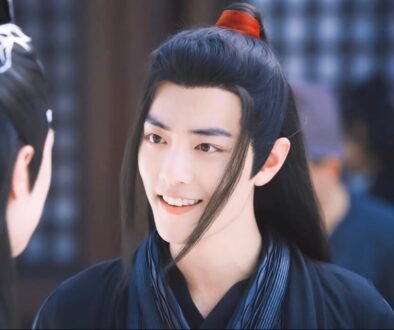
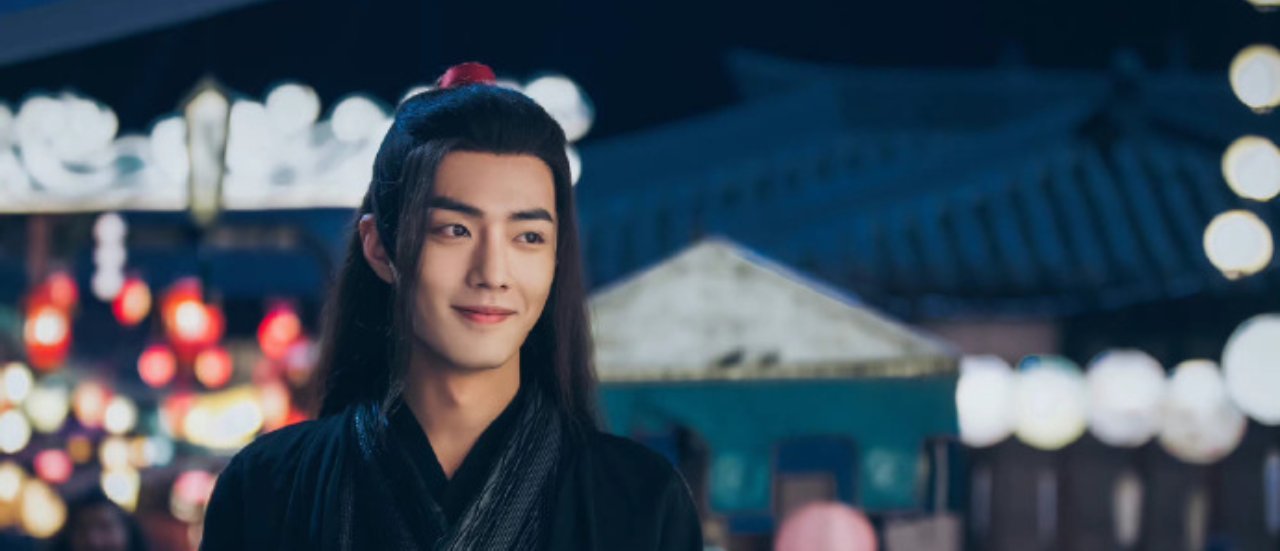
Why The Untamed makes you cry becomes clearest whenever Wei Wuxian smiles at the precise moment when another character might finally break. His humor is so natural—and Xiao Zhan makes it appear so effortless—that viewers can initially mistake it for uncomplicated confidence. On a rewatch, however, those bright expressions feel different. The smile remains charming, but we begin to notice what it is protecting: fear, exhaustion, guilt, and the growing certainty that no one will understand the choices he has made.
Humor as His Emotional Armor
Wei Wuxian rarely allows pain to arrive without trying to turn it into a joke. Sometimes the humor reassures the people around him. At other times, it gives him a few more seconds to avoid admitting how frightened or isolated he feels. Either way, laughter becomes a form of control. If he can make the moment lighter, perhaps no one will look closely enough to see the wound beneath it.
That contrast makes his cheerful scenes unexpectedly painful. His teasing voice and playful expressions preserve the Wei Wuxian everyone remembers from the Cloud Recesses, even as the world around him becomes darker. The audience can still recognize the spirited young man who challenged rules and irritated Lan Wangji for fun, but his happiness gradually begins to resemble a performance staged for everyone else’s comfort.
Xiao Zhan’s restrained acting deepens this effect. A smile may linger while Wei Wuxian’s eyes become distant; a joke may land, followed by a pause that feels slightly too long. These choices reveal how much emotion exists between the dialogue. They also explain why fans continue discussing the subtle performance details explored in Xiao Zhan Artistry: Emotion in Every Performance. Wei Wuxian does not always tell us that he is suffering. His face quietly asks us to notice.
Why The Untamed Makes You Cry for Wei Wuxian
The tragedy is not simply that Wei Wuxian suffers. It is that he repeatedly decides to suffer alone.
He protects others through choices they may never fully understand, then accepts their anger because revealing the truth would expose someone else. That instinct feels heroic, but it is also deeply self-destructive. Wei Wuxian often believes his own pain matters less than the safety, dignity, or future of the people he loves. As a result, sacrifice becomes both his greatest strength and his most devastating flaw.
Fans frequently debate whether he should have trusted Jiang Cheng, Lan Wangji, or someone else with the truth. Yet that question can miss the emotional pattern shaping his decisions. Wei Wuxian has built his identity around being the person who can endure more. Asking for help would mean admitting that the burden has become too heavy, and vulnerability is far more frightening to him than physical danger.
This tension gives the character study in Wei Wuxian Character Study: 7 Traits of Mo Dao Zu Shi’s Hero its lasting relevance. His courage cannot be separated from his recklessness, just as his generosity cannot be separated from his refusal to protect himself. We admire him for giving everything. We ache because he never seems to believe he deserves the same devotion in return.
Rewatching Changes the Meaning of His Happiness
The first viewing lets us experience Wei Wuxian’s warmth in the present. A rewatch forces us to see the future hiding inside it.
Moments that once felt carefree begin to carry emotional warnings. His confidence appears more fragile. His promises feel heavier. Even his most mischievous interactions can become nostalgic because viewers already know how sharply that youthful freedom will be interrupted. The series never needs to announce this transformation; our memory supplies the sadness.
Fans often notice the smallest details during these rewatches: the way he looks away after insisting he is fine, how quickly he redirects concern, or how his posture relaxes when Lan Wangji stands beside him. Such gestures reveal that Wei Wuxian wants to be understood, even when he refuses to explain himself. His words maintain distance, while his body quietly betrays the relief of no longer being alone.
That emotional evolution is central to Wei Wuxian Personality Evolution: From Joy to Strength. His later resilience is not a return to the carefree person he used to be. It is something gentler and more mature: the ability to carry painful memories without allowing them to erase his capacity for joy.
The Smile That Survives Everything
Perhaps this is why Wei Wuxian’s smile remains one of the drama’s most powerful images. It changes meaning without losing its warmth. Early on, it represents freedom and youthful rebellion. Later, it shields grief. After his return, it gradually becomes evidence that suffering has not taken everything from him.
The fandom does not remember that smile because it belongs to a hero untouched by despair. We remember it because Wei Wuxian continues offering warmth after the world repeatedly punishes him for caring. His joy survives, but it is no longer innocent—and that mixture of light and sorrow is almost impossible to watch without feeling personally involved.
What hurts most is the realization that someone finally learns to read the emotions hidden behind his laughter. Lan Wangji notices the pauses, understands the unspoken burdens, and stays when others turn away. That recognition leads naturally to the next part of the story: a love communicated not through grand declarations, but through silence, music, and the unwavering decision to remain.
Lan Wangji’s Love Lives in What He Cannot Say
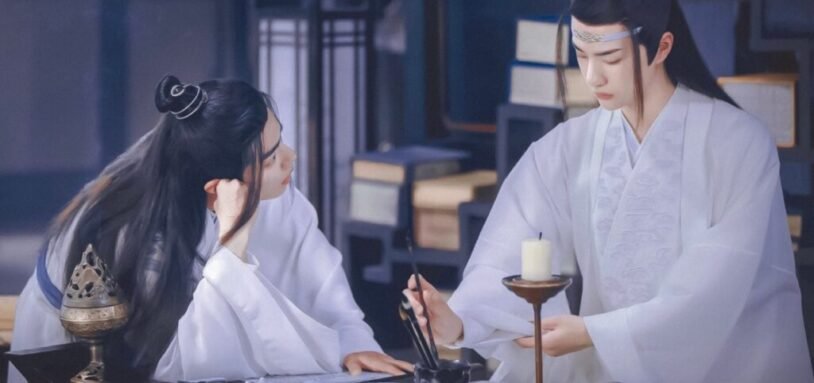
Why The Untamed makes you cry is written into Lan Wangji’s silences. He rarely explains what he feels, yet devotion appears in every restrained glance, unfinished sentence, and deliberate step toward Wei Wuxian. His love is never absent; it simply exists in a language the world—and sometimes Wei Wuxian himself—does not immediately understand. By the time those quiet choices reveal their full meaning, viewers already know how much time has been lost.
Silence Becomes an Emotional Language
Lan Wangji grows up in a world where discipline is treated as virtue and emotion must remain controlled. Naturally, his feelings do not emerge through dramatic declarations. They surface through action: standing beside Wei Wuxian when doing so carries a personal cost, remembering details others dismiss, and offering protection without demanding gratitude.
At first, that restraint can make him seem distant. Fans soon learn to watch more carefully. A slight change in his expression becomes emotionally significant. One lingering look can hold concern, admiration, fear, and affection at once. Even the way he says “Wei Ying” changes according to everything he cannot bring himself to add.
This emotional vocabulary is one reason their bond feels so rewarding to revisit. The relationship develops in the pauses surrounding the dialogue, inviting viewers to become attentive participants rather than passive observers. WangXian Relationship Analysis: From Conflict to Devotion explores that gradual shift, but its power can be felt without explanation: Lan Wangji’s silence grows warmer as his certainty deepens.
His restraint also creates heartbreak. Wei Wuxian jokes whenever a moment becomes too vulnerable, while Lan Wangji struggles to speak before the opportunity passes. They understand one another profoundly, yet their opposite defenses repeatedly interrupt recognition. One hides behind laughter. The other hides inside silence.
Regret Shapes the Lan Wangji We Meet Again
Loss changes the meaning of everything Lan Wangji once refused—or failed—to say.
Before Wei Wuxian disappears, Lan Wangji is caught between inherited rules and personal conviction. He recognizes that something is wrong, but understanding a person is not always the same as knowing how to save them. His hesitation is painfully human. Lan Wangji wants to protect Wei Wuxian, yet he has spent his life believing that righteousness should be clear and orderly. Loving someone condemned by the cultivation world forces him to confront how easily rules can become instruments of injustice.
Afterward, restraint no longer feels safe. His regret becomes visible in the person he chooses to be: someone willing to question authority, endure punishment, and stand beside Wei Wuxian without requiring the world’s approval. The transformation does not erase his disciplined nature. Instead, it gives that discipline a more compassionate purpose.
The lasting fascination with this evolution is reflected in Lan Wangji Character Analysis: 10 Powerful Traits. His loyalty is moving because it is not effortless. It develops through conflict, failure, and grief. He learns that following the correct path means little if the path abandons an innocent person.
Viewers can feel the years of absence even when the drama does not dwell on them. Lan Wangji’s later tenderness carries the weight of every conversation that never happened. He cannot recover the lost time, but he can make a different choice now: when Wei Wuxian faces the world again, he will not face it alone.
Why The Untamed Makes You Cry Through “WangXian”
Music succeeds where words fail.
The melody connecting Lan Wangji and Wei Wuxian is more than a romantic symbol. It becomes memory, recognition, and proof that one private moment survived everything that followed. Wei Wuxian may return with another face, but the song allows Lan Wangji to recognize something deeper than appearance. It carries an identity the world tried to erase.
That recognition is emotionally overwhelming because Lan Wangji does not need an explanation before choosing him. There is no interrogation and no demand that Wei Wuxian justify his return. After years of grief, the person he lost is suddenly present—and Lan Wangji responds by staying close.
Fans often debate when Lan Wangji fully understood his feelings or when Wei Wuxian began recognizing them in return. The exact moment matters less than the pattern revealed in WangXian Relationship Timeline: From Rivals to Soulmates: affection is built through accumulated acts of attention. Each rescue, argument, shared look, and remembered promise adds another layer.
The song gathers those layers into one emotional truth. It says, without needing to say it plainly, I remember you. I know you. You are not alone.
Devotion That Never Demands Repayment
What makes Lan Wangji’s love extraordinary is its lack of possession. He protects Wei Wuxian without trying to control who he becomes. Although fear sometimes sharpens his concern, he gradually understands that devotion cannot mean placing another set of restrictions around someone who has fought all his life for freedom.
Instead, he offers something Wei Wuxian has rarely received: a place where he does not need to perform strength. Around Lan Wangji, silence no longer feels like judgment. It becomes shelter.
That is why their quietest scenes can be more moving than the story’s grand tragedies. Lan Wangji’s presence answers the loneliness explored in the previous chapter. He cannot undo Wei Wuxian’s suffering, but he can witness it, believe him, and remain.
Still, such understanding arrives only after separation has taken its price. Throughout The Untamed, love is repeatedly delayed by fear, social expectations, and truths revealed too late. That pattern leads us to the next heartbreak: the unbearable power of everything the characters almost had.
The Drama Makes Love Arrive Too Late
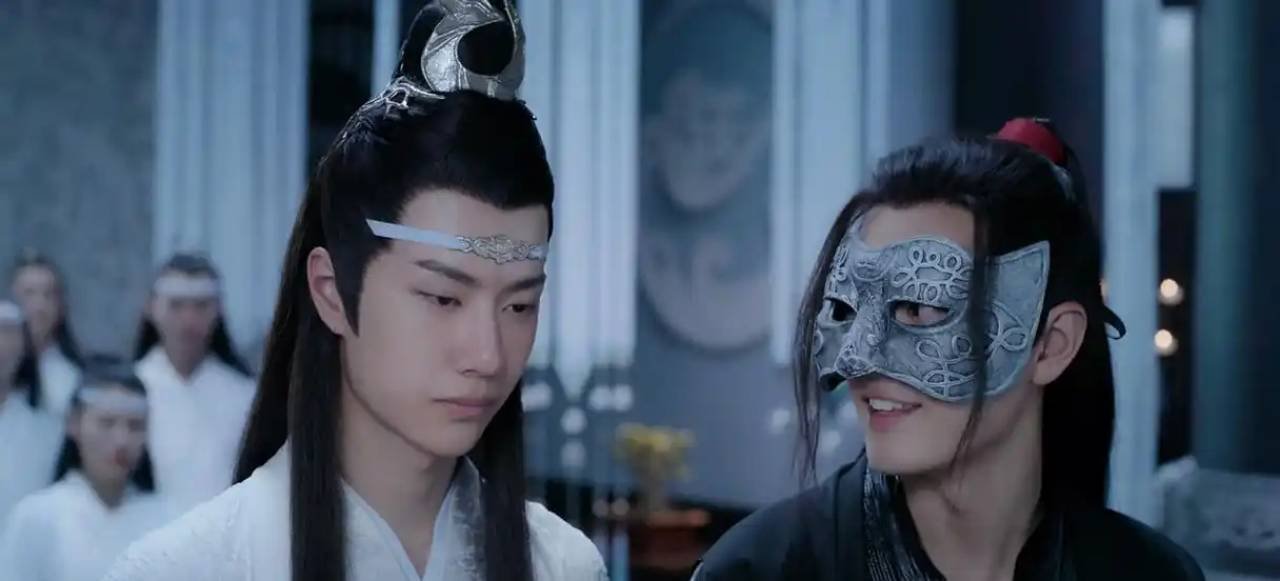
Why The Untamed makes you cry becomes painfully clear whenever its characters discover the truth at the worst possible moment. A relationship has already fractured, someone has disappeared, or a promise can no longer change the outcome. Love fills the story, yet fear, pride, and social pressure repeatedly prevent it from arriving when it could still save someone. Understanding eventually comes—but instead of bringing relief, it exposes everything the characters have already lost.
Truth Arrives After the Damage
Nearly every central relationship in The Untamed depends on information that someone chooses to hide. Wei Wuxian conceals the cost of his sacrifice because he wants to protect Jiang Cheng. Resentment stops Jiang Cheng from asking the questions that might reveal his brother’s intentions. Lan Wangji senses Wei Wuxian’s danger but struggles to express the full depth of his trust.
None of these silences exists simply to create convenient drama. Each one grows from a recognizable emotional defense. Wei Wuxian turns secrecy into an act of protection. Anger gives Jiang Cheng a temporary sense of control. Years of discipline teach Lan Wangji to restrain the words that might expose his heart.
Fans often imagine the conversations that could have changed everything. What if Wei Wuxian had explained himself? A different question from Jiang Cheng might also have altered their future. Lan Wangji, meanwhile, may have prevented part of the tragedy by abandoning caution sooner.
Yet honesty requires more than an available moment. Characters must feel safe enough to reveal their most vulnerable truths, and the cultivation world rarely offers that safety. The secrets explored in The Untamed Hidden Details: 10 Secrets You Missed make rewatches especially painful. Once fans know what everyone conceals, every earlier conversation gains a second meaning.
Characters Recognize Love Through Loss
Too often, absence reveals the full value of a relationship.
Jiang Yanli’s tenderness matters long before tragedy strikes, but losing her exposes how much emotional stability she quietly created. She offered Wei Wuxian a home where he never needed to justify his place. At the same time, her warmth reassured Jiang Cheng that love did not have to become another competition.
Without her, the brothers lose more than a sister. They lose the person who understood both of them well enough to translate the affection hidden beneath their pride. Neither man knows how to rebuild that bridge alone.
Other relationships follow a similarly painful pattern. Grief uncovers loyalties that characters once concealed, while death transforms ordinary memories into sacred ones. A familiar voice, shared meal, or unfinished promise suddenly carries unbearable weight because no future moment can replace it.
That emotional pattern gives Saddest Characters in The Untamed: 10 Heartbreaking Stories its resonance. Sadness rarely belongs to only one character. Loss travels through relationships, becoming guilt for one person, anger for another, and lifelong devotion for someone else.
The audience often recognizes this love before the characters do. That knowledge offers no comfort. Viewers can only watch the distance between feeling and expression grow until no confession can restore what disappeared.
Why The Untamed Makes You Cry Over “Almost”
Some of the drama’s most painful moments never become actual endings. Instead, they reveal futures that almost existed.
Lotus Pier could have remained a home. Wei Wuxian and Jiang Cheng might have reached adulthood as brothers rather than rivals shaped by grief. Lan Wangji may have stood openly beside Wei Wuxian before the cultivation world turned against him. Even characters who later cause terrible harm sometimes appear capable of choosing another path.
These possibilities give the story its lasting emotional tension. Fans mourn more than what happened; they also grieve every alternative hidden inside the outcome. One honest conversation might have protected a relationship. A single act of courage could have interrupted a tragedy. Someone arriving only moments earlier may have preserved an entire future.
Tenderness often appears immediately before disaster, allowing viewers to see exactly what the characters will lose. A peaceful meal hurts because it cannot last. Every joyful reunion carries the memory of another separation. Happiness remains genuine, but its fragility makes it almost unbearable.
Character Fate Analysis in The Untamed: Hidden Meanings connects naturally with a question fans continue to debate: did destiny determine these outcomes, or did social pressure and personal fear turn avoidable suffering into fate? The drama refuses to provide a simple answer, leaving viewers to imagine the paths no one took.
Understanding Cannot Restore the Past
Later revelations clarify motives, but The Untamed never pretends that truth automatically repairs every wound. Learning why Wei Wuxian made certain choices cannot return the years taken from him. Discovering the depth of another person’s sacrifice does not erase the resentment that grew in its absence.
Some relationships survive in altered forms. Others remain suspended between affection and bitterness. Even when characters finally see one another clearly, they must live with the consequences of understanding too late.
This emotional honesty distinguishes the drama from stories where one confession fixes everything. Forgiveness may become possible, but restoration demands something more. Time has changed the people involved, and grief has reshaped the meaning of home, loyalty, and family.
Perhaps that incompleteness explains why fandom discussions remain so active. Viewers return to the missing conversations through essays, edits, and fanfiction, temporarily offering the characters another chance. Each interpretation asks whether love might have reached them sooner in a kinder world.
Nowhere does this pain feel more intimate than within the Jiang family. Their affection remains fierce and genuine, yet sacrifice, expectation, and grief repeatedly distort it. To understand why home becomes one of the drama’s most heartbreaking ideas, we must next examine the family bonds that survive even after they appear completely broken.
Family Love Is Tender, Complicated, and Often Broken
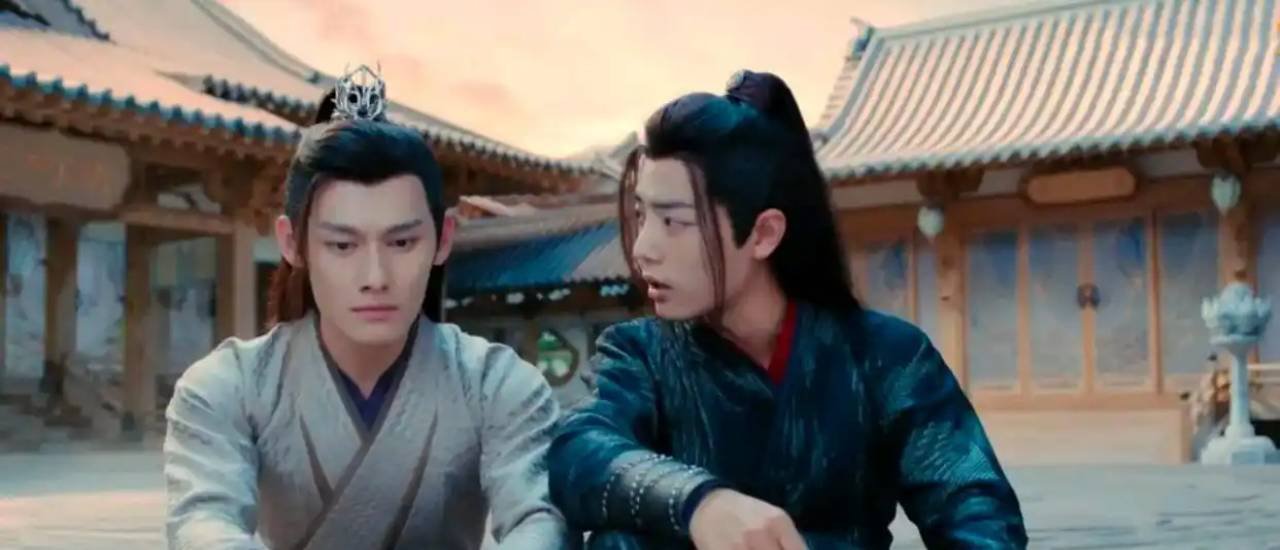
Why The Untamed makes you cry cannot be separated from its vision of family. Romantic devotion may form the story’s emotional center, but Lotus Pier gives that emotion its earliest shape. Here, love is expressed through bowls of lotus-root soup, childish arguments, fierce protection, and sacrifices no one knows how to discuss. The Jiang siblings care for one another deeply, yet affection alone cannot protect them from pride, expectation, and grief. Home becomes both their safest memory and their most painful wound.
Jiang Yanli Represents the Feeling of Home
Jiang Yanli possesses no legendary cultivation power, but her emotional influence is immense. She creates warmth in a world constantly measuring people by strength, status, and usefulness. Around her, Wei Wuxian is not an outsider indebted to the Jiang clan. Jiang Cheng does not need to prove that he deserves his inheritance. They can simply be her brothers.
Her soup carries much of this symbolism. It is ordinary, nourishing, and lovingly familiar—the opposite of the political suspicion surrounding the characters. Whenever Jiang Yanli prepares it, she briefly restores a world in which care requires no explanation. Fans remember those scenes because they offer more than comfort; they reveal what every later tragedy will destroy.
The tenderness of these interactions is part of what makes The Untamed Iconic Scenes: 15 Moments That Give Chills emotionally compelling. The most unforgettable moments are not always the loudest. Sometimes a quiet meal carries the weight of an entire family history.
Jiang Yanli also sees through Wei Wuxian’s performance more gently than almost anyone else. She does not force him to confess his pain. Instead, she gives him a place where he does not need to earn affection. Once that place disappears, his loneliness feels almost physical. Fans are not grieving only for a character; they are grieving for the last uncomplicated version of home.
Why The Untamed Makes You Cry for the Jiang Brothers
Wei Wuxian and Jiang Cheng never fit comfortably into the language of either friendship or brotherhood. They are bound by childhood, rivalry, loyalty, resentment, and an affection neither knows how to express safely. Every argument carries the intimacy of people who understand exactly where the other person is vulnerable.
Jiang Cheng’s anger is often interpreted as proof that love has disappeared. Yet his fury remains intense precisely because the bond still matters. Indifference would be quieter. What he cannot accept is the feeling that Wei Wuxian repeatedly chooses everyone else while leaving him to carry the ruins of their shared home alone.
Wei Wuxian, meanwhile, believes sacrifice should communicate what words cannot. He gives away something irreplaceable, protects Jiang Cheng’s future, and then hides the truth. From his perspective, this secrecy preserves his brother’s dignity. From Jiang Cheng’s perspective, it creates another unexplained abandonment.
Their tragedy lies in this mismatch. One brother loves by giving everything silently; the other needs honesty and the reassurance of being chosen. Both care. Neither receives love in the form he can recognize.
This complexity is why The Untamed Relationship Analysis: 7 Powerful Insights remains relevant to their bond. Relationships in the drama rarely collapse because affection was false. They collapse because love becomes entangled with incompatible needs, unspoken expectations, and wounds that pride refuses to expose.
Sacrifice Replaces Honest Communication
Throughout the Jiang family story, sacrifice becomes a substitute for conversation. Characters prove their devotion through irreversible actions while withholding the truths that might allow others to understand those actions.
At first, this can appear noble. Wei Wuxian’s choices are motivated by loyalty, and Jiang Yanli’s instinct is always to protect the people she loves. Yet sacrifice without communication leaves survivors with incomplete stories. They inherit the consequences without understanding the intention.
That pattern transforms love into guilt. Jiang Cheng cannot respond meaningfully to a sacrifice he does not know occurred. Wei Wuxian cannot ask to be understood without revealing what he deliberately concealed. Each protects the other’s heart in a way that ultimately causes a different kind of damage.
The emotional evolution of these bonds connects naturally with Character Growth Comparison: The Arcs Fans Still Debate. Growth in The Untamed does not always mean reconciliation. Sometimes it means finally recognizing what another person gave, even when that knowledge arrives too late to restore the relationship.
Revisiting the cast’s warmth through The Untamed behind-the-scenes footage can make this fictional family pain feel even more poignant. The contrast between the production’s lighter atmosphere and the finished drama reminds viewers how carefully these intimate emotions were created.
A Home That Survives as Memory
Lotus Pier is rebuilt, but restoration cannot return the childhood shared within it. Its lakes, docks, and lotus flowers become symbols of a home that still exists physically while remaining emotionally unreachable.
For Wei Wuxian, Lotus Pier holds belonging and insecurity at once. He was loved there, yet he was also reminded that his place could be questioned. For Jiang Cheng, it represents inheritance, duty, and everything he failed to protect. Neither can return without encountering the person he used to be.
Jiang Yanli’s memory ties these conflicting emotions together. She represents the possibility that the brothers might once have remained a family despite their differences. After her loss, every unresolved feeling becomes harder to speak because the person who translated their love has gone.
That is why their relationship remains “意难平” for so many fans. A clean reconciliation might feel comforting, but the drama offers something more honest: recognition without complete repair. The brothers know more by the end, yet knowledge cannot give them back their former home.
Family in The Untamed is not painful because it lacks love. It is painful because love is present everywhere and still fails to prevent separation. This moral complexity prepares us for the characters waiting beyond the story’s heroic center—people whose suffering does not excuse their actions, but whose humanity makes it impossible to dismiss them as simple villains.
Even the “Villains” Carry Uncomfortable Humanity
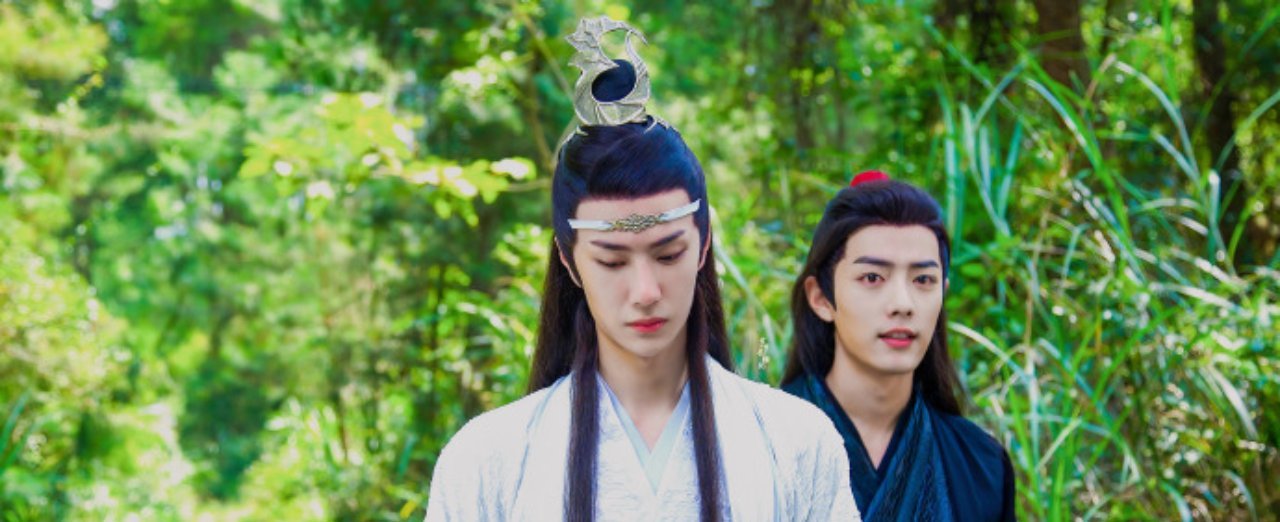
Why The Untamed makes you cry extends beyond the suffering of its heroes. The drama becomes even more unsettling when it turns toward people who manipulate, betray, and destroy others—yet still reveals the frightened, humiliated, or grieving individuals they once were. Understanding their pain never removes their responsibility. Instead, viewers must hold two uncomfortable truths at once: suffering can shape a person, but that person still chooses what to do with it.
Pain Does Not Create Simple Morality
The cultivation world prefers clear labels. It separates people into righteous and evil, legitimate and illegitimate, worthy and disposable. Once society assigns an identity, few characters can escape it.
The Untamed repeatedly challenges this moral certainty. Reputation often matters more than truth, while powerful clans condemn outsiders for offenses they quietly tolerate among their own members. Public judgment then turns fear into persecution and personal ambition into supposed righteousness.
Several antagonists recognize this hypocrisy early. Some pursue power because they believe status offers the only protection from humiliation. Others weaponize secrets, loyalty, and public opinion to gain control over a system that once treated them as insignificant.
Their pain provides context, but it does not make every later action inevitable. Trauma creates pressure rather than destiny. Each character encounters moments when a different choice remains possible, and those decisions ultimately determine whom they become.
The moral structure explored in The Untamed Plot Analysis: 12 Shocking Twists gives the story’s revelations their emotional force. Every twist rearranges our understanding of guilt. A respected cultivator may protect a lie, while the world may condemn another person before anyone learns the truth.
Why The Untamed Makes You Cry for Broken Characters
Few emotional experiences feel more uncomfortable than grieving for someone who has caused terrible harm.
Xue Yang embodies that contradiction. His cruelty remains undeniable, yet the Yi City arc reveals a distorted longing beneath it. He cannot name tenderness without turning it into possession, imitation, or rage. When he finally recognizes the value of what he destroyed, the realization cannot redeem him. It only exposes how completely he misunderstood the possibility of receiving genuine care.
Meng Yao creates a different kind of ache. In a fairer world, his intelligence and discipline might have earned admiration. Instead, repeated humiliation teaches him that talent alone will never secure belonging. Every slight strengthens his belief that survival requires calculation, until his desire to escape powerlessness becomes inseparable from his willingness to control others.
Viewers can condemn these choices while mourning the people both characters might have become under different circumstances. The Untamed Character Analysis: 12 Hidden Insights helps illuminate this tension. Character depth does not require innocence; sometimes the most haunting figures recognize love only after their actions make them incapable of accepting it.
The actors strengthen that moral discomfort by moving convincingly between vulnerability and menace. Revisiting more of The Untamed’s behind-the-scenes atmosphere offers a lighter contrast to the darkness they create onscreen and highlights the performances behind these complicated characters.
Nie Huaisang and the Cost of Revenge
Nie Huaisang fascinates viewers because the drama initially encourages everyone to underestimate him. His apparent helplessness makes him easy to ignore, and that invisibility eventually becomes his greatest advantage.
Grief transforms his harmless image into a strategy. Rather than confront powerful enemies openly, he arranges circumstances, exposes concealed crimes, and allows other people to move across a board whose full design they cannot see. His intelligence deserves admiration, but the human cost complicates any satisfaction surrounding his success.
Does his plan deliver justice, revenge, or an inseparable mixture of both? The answer depends on which consequences viewers can accept. Nie Huaisang uncovers wrongdoing that powerful institutions might otherwise bury. At the same time, his strategy places people in danger without giving them enough information to protect themselves.
The theories discussed in The Untamed Plot Holes: 10 Shocking Fan Theories Explained reflect the uncertainty surrounding his actions. Fans still debate how much he predicted, whom he knowingly endangered, and whether every apparent coincidence belonged to his plan.
This ambiguity prevents Nie Huaisang from becoming either a conventional mastermind or a purely righteous avenger. His grief explains the emotional source of his revenge, but it cannot grant him moral immunity.
Perhaps the most revealing detail lies in what he learns from the cultivation world. Rules cannot guarantee justice, and public morality frequently protects whoever controls the story. Instead of rejecting that system, Nie Huaisang masters it.
Fans Mourn Who These Characters Might Have Been
The drama’s antagonists linger in fandom memory because their worst qualities grow beside recognizable needs: dignity, safety, love, acknowledgment, and justice. Those desires could have inspired healing. Resentment and ambition turn them into weapons instead.
Imagining alternative lives does not absolve these characters. It allows fans to grieve the moment when possibility became destruction. What if Meng Yao had found acceptance without needing power? Xue Yang might have chosen differently if someone had taught him that affection could not be forced. Nie Huaisang, too, may have avoided manipulation if the cultivation world had offered genuine justice.
These questions keep fandom discussions alive because the drama refuses to close every moral argument. Its villains are neither misunderstood saints nor empty monsters. Their suffering becomes part of the harm they later choose to inflict.
That complexity also changes how viewers interpret the drama’s visual world. White robes cannot guarantee purity, just as shadows do not belong exclusively to evil. Color, framing, music, and recurring objects continually challenge the labels characters place on one another.
In the next chapter, those creative choices reveal how The Untamed communicates emotion without relying on dialogue. A melody, costume, or carefully arranged frame can express truths that the characters themselves struggle to speak.
Music and Visual Symbolism Reopen Every Wound
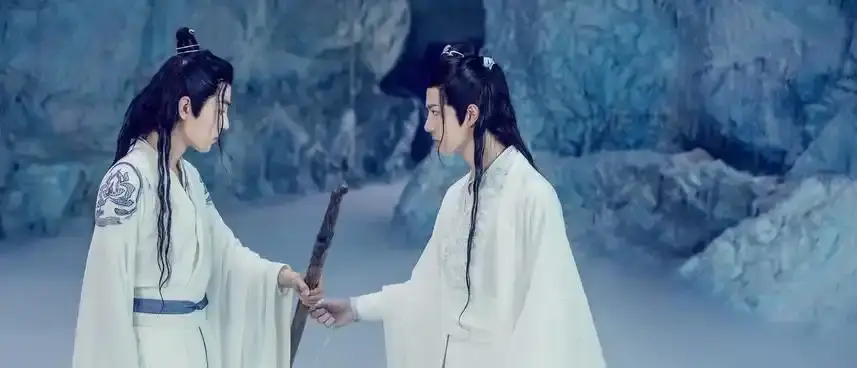
Why The Untamed makes you cry cannot be explained through dialogue and character tragedy alone. Much of its emotional force lives beneath the words—in a flute melody, a sleeve caught by the wind, or the carefully controlled distance between two figures. These creative details preserve memories, reveal feelings, and allow viewers to sense an approaching loss before any character acknowledges it.
“Wuji” Carries an Entire Relationship
A few notes are enough.
Before viewers consciously recall a specific scene, “Wuji” can restore its entire emotional atmosphere. The melody carries the hesitant beginning of WangXian’s connection, the pain of separation, the shock of recognition, and the quiet relief of finding one another again. Because the song belongs to their private emotional world, hearing it can feel like remembering something personal.
Music succeeds where Lan Wangji’s restraint and Wei Wuxian’s humor create distance. Neither man needs to explain what the melody means. It preserves a memory they share beyond the cultivation world’s judgment—a moment of connection that remains intact even after time, reputation, and identity change.
Recognition gives the song its greatest emotional power. Wei Wuxian returns in another body, surrounded by uncertainty, but the melody carries something appearance cannot conceal. Lan Wangji does not recognize a face; he recognizes a soul through the memory of music.
The Untamed OST Analysis: 7 Songs Fans Still Love explores the soundtrack’s emotional layers in greater depth. Each recurring musical idea guides fans toward a relationship, loss, or unresolved promise. Rather than instructing viewers to feel sad, the score awakens emotions the story has already taught them to carry.
Why The Untamed Makes You Cry Through Color and Distance
The drama’s visual contrasts quietly challenge its characters’ moral assumptions. Wei Wuxian’s black robes suggest danger, while Lan Wangji’s white clothing evokes discipline and purity. Their actions, however, continually complicate those associations. Darkness can shelter compassion, and spotless authority can conceal cruelty.
Costume functions as more than character identification. Flowing layers, restrained palettes, and small personal details reveal how individuals negotiate identity within rigid clan systems. Wei Wuxian gradually separates himself from the visual order around him. By contrast, Lan Wangji maintains such careful control that every moment of physical or emotional disorder becomes significant.
Untamed Costume Design: 7 Hidden Details offers another perspective on how clothing supports characterization. During a rewatch, changes in color, texture, or styling can reveal an internal transformation before the character finds words for it.
Distance also carries meaning. Lan Wangji and Wei Wuxian may occupy the same frame while social expectations create an invisible barrier between them. In more intimate scenes, one character quietly enters the other’s space, and that small movement becomes a declaration of trust.
Framing gives loneliness a visible form. Emotional isolation surrounds Wei Wuxian long before others physically abandon him. Even in a crowded scene, the composition can separate him from the group. Lan Wangji’s arrival then changes the visual balance: one person standing nearby becomes a quiet refusal to let the world define Wei Wuxian alone.
Familiar Objects Become Emotional Witnesses
Objects in The Untamed rarely remain neutral. Chenqing carries power, grief, and the cost of survival. Bichen represents discipline while becoming part of a relationship that repeatedly tests restraint. The forehead ribbon begins as a symbol of rules and privacy, then acquires an intimacy that fans immediately recognize.
These items witness emotions that the characters cannot express openly. A weapon can preserve trauma. Through a ribbon, one character can communicate trust and permission. Meanwhile, a musical instrument can call someone back across years of separation.
The meanings explored in The Untamed Talismans and Artifacts: Hidden Meanings reveal how physical objects connect personal memories with the drama’s larger mythology. Their importance comes from more than magical power. Who touched them, what someone sacrificed for them, and which relationships they represent all shape their emotional meaning.
Locations function in a similar way. Cloud Recesses changes from a place of restriction into one associated with youthful discovery and eventual refuge. Lotus Pier holds warmth, grief, and the memory of a family that can never return to its original form. At the Burial Mounds, discarded people briefly create a fragile community within a landscape everyone else fears.
Returning to these settings feels emotional because viewers remember several versions of them simultaneously. A peaceful courtyard contains the shadow of a future separation. Rebuilt halls still carry the absence of those who once called them home.
Behind the Beauty Lies Deliberate Storytelling
The drama’s emotional symbolism depends on close creative collaboration. Lighting, costume, set design, acting, music, and editing guide viewers toward the same unspoken feeling without making the effect seem forced.
That careful craft becomes especially fascinating when contrasted with The Untamed’s behind-the-scenes production moments. The lighter working environment offers a glimpse of the process behind scenes that ultimately communicate longing, danger, and grief with remarkable conviction.
Fans often discover this craftsmanship during rewatches. The first viewing follows the mystery and emotional momentum. Later visits create enough space to notice how a melody enters before recognition, how the lighting shifts around a moral decision, or how two characters’ positions anticipate separation.
Such details keep familiar scenes alive. Viewers do not merely replay the same story; they uncover another layer of its emotional design. Every new observation changes the memory of what came before.
Ultimately, music and imagery ensure that The Untamed continues speaking after the dialogue stops. Its emotions remain connected to sounds, colors, objects, and places that fans can revisit instantly. All these elements gather in the final moments, where one voice, one name, and one expression offer hope without pretending the past can disappear.
The Ending Offers Hope Without Erasing the Pain
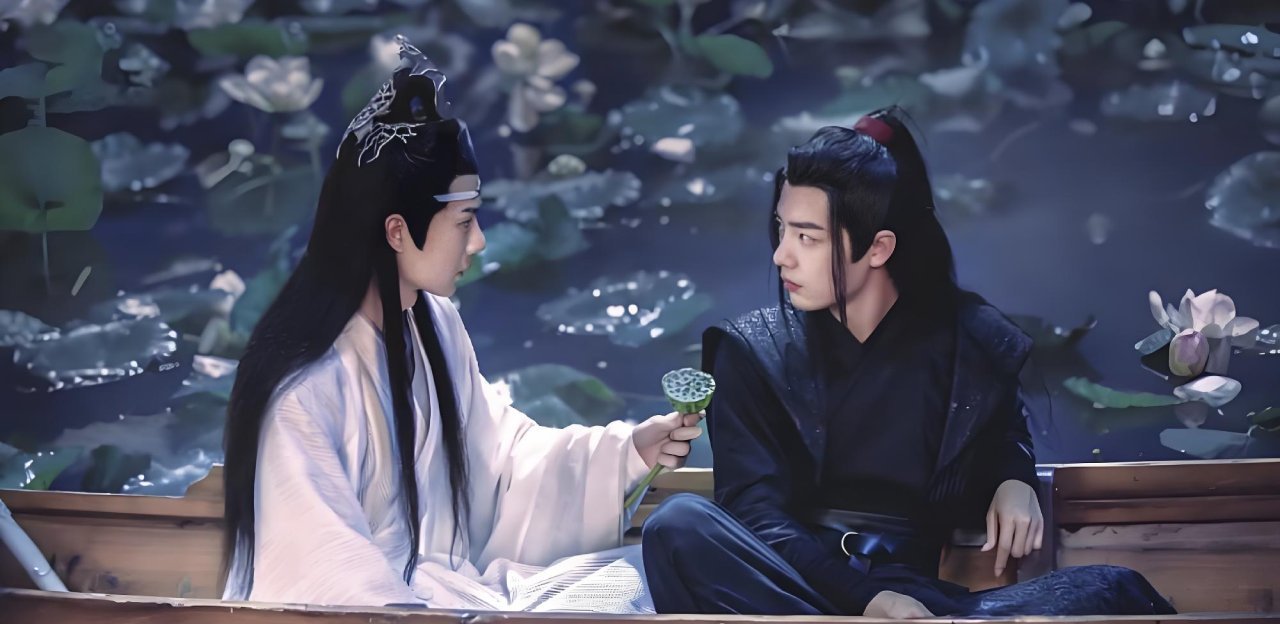
Why The Untamed makes you cry finds its fullest answer in the final moments. The conclusion does not reverse the story’s losses or perfectly restore everything the characters once had. Instead, viewers receive something quieter: recognition, freedom, and the possibility that two people separated by fear and circumstance can still find their way back to each other. Hope finally arrives, carrying the memory of everything they endured to reach it.
Recognition Brings the Story Full Circle
The final call of “Wei Ying” holds extraordinary emotional weight because the name has never sounded casual in Lan Wangji’s voice. Throughout the drama, he uses it to express warning, concern, frustration, relief, and devotion. When Wei Wuxian hears it once more, those two syllables gather every previous emotion inside them.
Recognition has always shaped their relationship. Lan Wangji sees beyond Wei Wuxian’s reputation when others accept convenient accusations. After Wei Wuxian returns in another body, music allows Lan Wangji to identify him beyond physical appearance. By the ending, that intimate understanding no longer represents a danger. It becomes the foundation of belonging.
Wei Wuxian’s expression completes the moment. His smile looks familiar, yet it differs from the emotional armor he relied on before. This time, he does not perform happiness to distract someone from his pain. Surprise, relief, and affection appear together as he realizes that the person calling his name has chosen him again.
Fans continue examining the scene through interpretations such as The Untamed Ending Explained: 7 Secrets You Missed. Its restraint creates space for emotion rather than limiting it. The drama does not need to show every detail of their future. One voice and one smile reveal what matters most: their connection remains.
Why The Untamed Makes You Cry Even When It Gives You Hope
A completely joyful conclusion might have felt emotionally dishonest. Too much has happened. Jiang Yanli and other beloved characters cannot return, while time has permanently changed several relationships. No final reunion can erase the years of grief that shaped Wei Wuxian and Lan Wangji.
The ending therefore allows happiness and sorrow to coexist. Wei Wuxian survives, but survival cannot return him to the carefree person he once was. Lan Wangji finds him again, yet their reunion does not remove the regret that transformed him. Their hope feels precious because it grows around scars rather than pretending those scars never existed.
This emotional balance prevents the conclusion from becoming empty consolation. The Untamed never insists that suffering was necessary or that every loss served a greater purpose. Instead, the story suggests that pain does not eliminate a person’s ability to choose joy afterward.
Fans cry because this happiness feels both earned and fragile. We remember every smile Wei Wuxian used to hide a wound, every moment Lan Wangji hesitated, and every relationship that delayed truth destroyed. When recognition finally arrives without fear, relief releases the grief viewers have carried through the entire story.
The Story Continues Inside the Fandom
The screen fades, but the emotional experience rarely ends there. Fans return to the soundtrack, replay favorite scenes, examine visual details, and debate relationships that never received complete closure. Each rewatch becomes both a reunion and a new interpretation.
Untamed Fandom Culture: 10 Reasons Fans Can’t Let Go explores this continuing conversation. The fandom does more than preserve the drama’s popularity; it expands the emotional spaces left open through artwork, edits, essays, fiction, translations, and shared memories.
Different viewers carry distinct versions of the story. Some connect most deeply with WangXian’s devotion. Others remain haunted by the Jiang family, Yi City, or characters whose fates never feel fully resolved. Together, these interpretations reveal how many forms of love and loss the drama contains.
Readers who want to share their own interpretations can continue the conversation in the Exclusive Membership Community. That invitation feels natural because The Untamed has never seemed like a story people simply watch alone. Its emotions become more powerful when fans recognize and discuss them together.
A Legacy Built from Unforgettable Feelings
View counts and international popularity alone cannot measure the drama’s lasting legacy. Its deeper achievement lies in how quickly a melody, name, or familiar image can restore an entire emotional world.
The Untamed Legacy: Why It Still Matters in 2025 examines that continued resonance, but fans already understand it instinctively. They feel it when “Wuji” begins. Lan Wangji’s silence and Wei Wuxian’s smile make the legacy instantly recognizable. Whenever Lotus Pier appears, viewers experience it again as though they had lost that home themselves.
The story endures because it trusts its audience with complicated emotions. Love cannot always prevent misunderstanding, while sacrifice never guarantees recognition. Justice may arrive through morally unsettling choices, and forgiveness does not necessarily restore what once existed. Even so, connection remains possible.
That possibility becomes the final source of the tears. The Untamed does not promise a life without grief. It shows that after loss changes everything, someone may still call your name—and you may turn around to discover that they never forgot you.
Final Emotional Takeaways
-
Wei Wuxian’s brightest smiles often conceal his deepest loneliness.
-
Lan Wangji transforms silence into a language of lasting devotion.
-
Delayed truths make love and recognition arrive painfully late.
-
Family remains meaningful even when no one can completely repair it.
-
Music, color, and symbolic objects preserve emotions beyond dialogue.
-
Genuine hope survives without denying permanent loss.
-
Fandom memory keeps every unfinished relationship alive.
If this journey revived the emotions that made the drama unforgettable, readers can also support future fandom reflections through the Ko-fi Community. More importantly, keep revisiting, discussing, and reinterpreting the moments that still matter—because every fan who remembers them gives the story another life.
Fan-Favorite Collectibles & Gifts