The Untamed Anime: How It Compares to the Live-Action Series
What if the drama you loved had an even deeper, uncensored version in animated form? For fans of The Untamed, the answer lies in The Untamed anime—a stunning adaptation that many still don’t realize exists. Based on the same source novel, Mo Dao Zu Shi, The Untamed anime dives into the original story with breathtaking animation, raw emotion, and plot details the live-action version had to soften or skip.
Whether you’ve already watched the drama or you’re just discovering this rich fantasy world, the anime offers a fresh way to experience Wei Wuxian and Lan Wangji’s journey. With growing global interest in Chinese donghua (animation), The Untamed anime is gaining traction among both longtime fans and anime newcomers.
So how does it compare to the live-action series? And is it worth watching in 2025? Let’s break down what makes this version special—and where to stream it now.
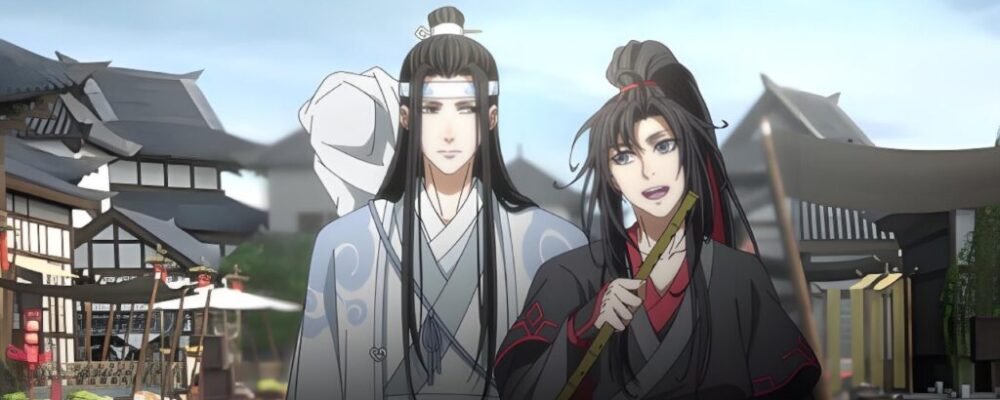
Chapter 1: What Is The Untamed Anime?
The Untamed Anime vs. Live-Action: Is There a Difference?
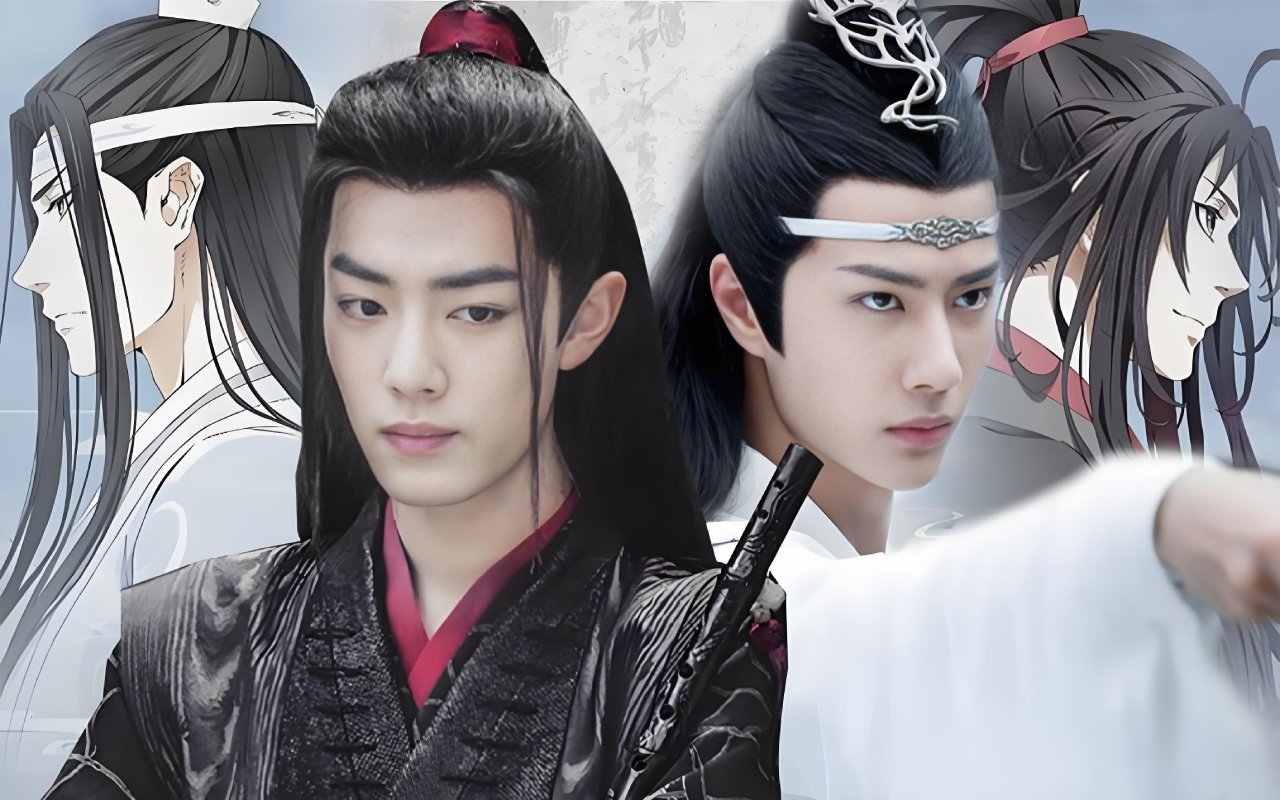
If you loved the live-action series The Untamed, you might be surprised to learn that The Untamed anime—more accurately known as Mo Dao Zu Shi (魔道祖师)—came first. Yes, before Xiao Zhan and Wang Yibo became household names, this story captivated fans in animated form. But don’t expect a simple cartoon retelling. The anime brings the original novel to life with emotional intensity, rich world-building, and scenes too bold for the TV version.
The key difference? The anime sticks closer to the source material—both in tone and plot. While the live-action drama made compromises due to broadcast regulations in China, the anime retains much of the darker, romantic, and spiritual complexity that defines the original novel. It’s beautifully animated, emotionally resonant, and deeply loyal to the world created by author Mo Xiang Tong Xiu.
📖 Extended reading: Explore how The Untamed shaped xianxia culture
How Mo Dao Zu Shi Became The Untamed Anime
Although the English-speaking fandom often refers to it as The Untamed anime, the correct title is Mo Dao Zu Shi. Produced by Tencent Penguin Pictures and B.C May Pictures, the first season aired in 2018 and was an instant hit in China and beyond.
It wasn’t just the fantasy setting or action that hooked viewers—it was the emotional depth and beautifully drawn bond between the leads, Wei Wuxian and Lan Wangji. As a donghua (Chinese animation), it combined traditional artistic techniques with modern animation tools to craft a series that feels both epic and intimate.
🎬 Explore more in this YouTube clip – Click to watch
Why The Untamed Anime Matters in 2025
In 2025, the anime remains highly relevant. Global demand for Chinese donghua continues to grow, with platforms like Bilibili and Netflix offering increasing access to international viewers. According to Statista, Chinese animation has seen a 34% year-on-year increase in overseas viewership since 2020, largely driven by fandoms built around series like The Untamed.
More importantly, the anime offers a version of the story that doesn’t shy away from its core themes—identity, morality, loyalty, and love—especially the subtle romance between the male leads. For fans who felt the drama version “hinted but never showed,” the anime offers a more direct, emotionally satisfying experience.
👉 Want to see the full behind-the-scenes? Watch the video here
Internal Comparisons: Storytelling, Tone, and Impact
So, how does The Untamed anime stack up against its live-action sibling?
| Aspect | The Untamed (Drama) | Mo Dao Zu Shi (Anime) |
|---|---|---|
| Tone | Softened, censored BL elements | Closer to the novel’s emotional and romantic core |
| Pacing | Slower, more episodes (50 eps) | Tighter pacing, focused arcs |
| Visuals | Real-life settings, elaborate costumes | Stylized animation, ethereal design |
| Audience Reach | Mass appeal via Netflix and WeTV | Cult following, growing global fans |
| Romantic Elements | Implicit due to censorship | Subtle but more direct emotional connection |
💡 The anime serves as a complementary experience—perfect for fans who want more narrative depth and raw emotion.
📖 Explore more on fandom culture here: From Fandom to Global Fan Economy
How to Watch The Untamed Anime in 2025
Wondering where to find it? You’re not alone. Here’s where you can legally stream the anime:
Bilibili (with English subs available in some regions)
WeTV (Tencent’s official platform)
YouTube – Search for “Mo Dao Zu Shi English Sub” for full episodes.
Netflix (only in select countries)
⚠️ Pro tip: Watch the anime before the drama if you want to grasp the plot more clearly—it follows a more linear and faithful storytelling format.
🎬 Bonus: Watch the trailer on YouTube to preview the animation style.
Cultural Relevance: A Case Study in Modern Xianxia
According to an academic article published in International Journal of Cultural Studies, Mo Dao Zu Shi plays a pivotal role in modernizing the xianxia genre. Unlike traditional stories that center on lone heroes and linear revenge arcs, this narrative weaves moral ambiguity, brotherhood, and LGBTQ+ subtext into a broader cultural conversation.
This shift reflects a growing international appetite for morally complex, character-driven fantasy—not just visual spectacle. The anime version, by staying true to this tone, resonates more deeply with global viewers who crave authenticity.
📖 Extended reading: What Is Xianxia? Emotional Fusion and Cultural Impact
Final Take: Why Watch The Untamed Anime
Whether you’re a long-time fan of The Untamed or new to Chinese animation, The Untamed anime (aka Mo Dao Zu Shi) is worth your time. It’s not just a different format—it’s a deeper, purer version of the same story, stripped of compromise and filled with emotional resonance.
Next up, we’ll explore key scenes, character development, and where the anime pushes boundaries the drama couldn’t.
👉 Ready to go deeper into the universe? Check out behind-the-scenes of The Untamed here
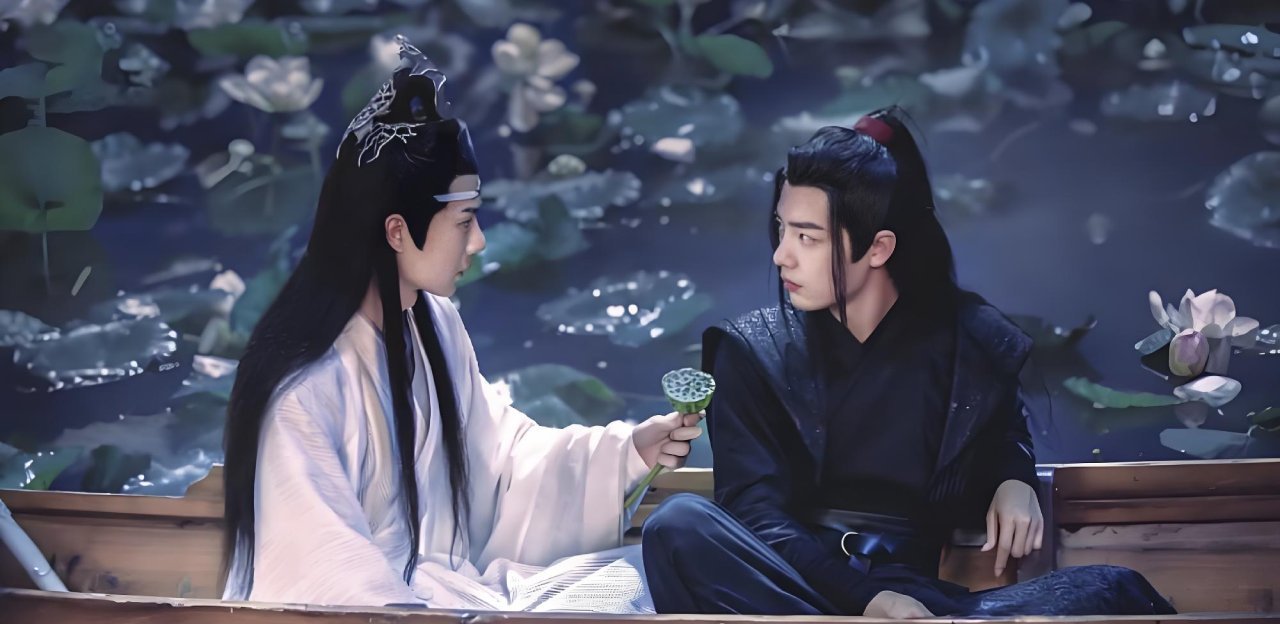
Chapter 2: Exploring the Mo Dao Zu Shi Anime – Storyline, Arcs & Visual Power
The Untamed Anime Storyline: Faithful, Focused, and Fierce
If you’re curious how The Untamed anime unfolds, here’s the first thing you should know—it doesn’t just mirror the live-action series. It strips the story down to its essence. From the very first episode, Mo Dao Zu Shi plunges you into a morally gray world of cultivation, betrayal, and brotherhood. This isn’t a linear coming-of-age tale. It’s a layered narrative that jumps between timelines, using flashbacks to slowly reveal the rise, fall, and resurrection of its central character: Wei Wuxian.
In contrast to the 50-episode live-action drama, the anime keeps things lean:
Season 1 (15 episodes) – Covers Wei Wuxian’s fall and reawakening.
Season 2 (8 episodes) – Dives into the Yi City arc and deepens the investigation into past betrayals.
Season 3 (12 episodes) – Resolves major conflicts and delivers an emotionally charged finale.
🎬 Curious what it looks like? Click to watch the trailer here
How the Anime Handles Emotional Arcs Better Than Live-Action
The emotional tone of The Untamed anime hits differently. Without the constraints of censorship, the anime leans into what fans care about most:
The deep bond between Wei Wuxian and Lan Wangji, conveyed through silence, stares, and symbolic acts.
Tragedy without melodrama—you feel the pain of betrayal, guilt, and grief without being told how to feel.
Moments of tenderness that were dialed down or cut from the drama are restored in the anime.
This is especially noticeable in Season 2, during the Yi City arc. The emotional complexity between characters like Xiao Xingchen and Song Lan is portrayed with a gravity that’s often rare in fantasy animation.
📖 For deeper insight into The Untamed’s emotional themes, read: The Emotional Fusion of Xianxia
Visual Artistry: Animation That Transcends Limitations
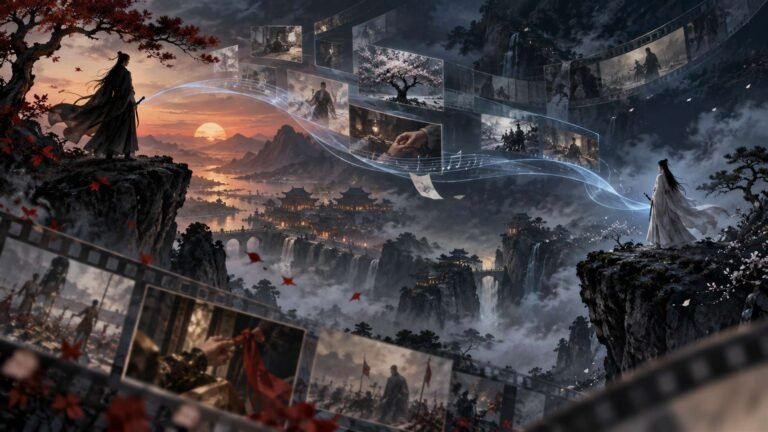
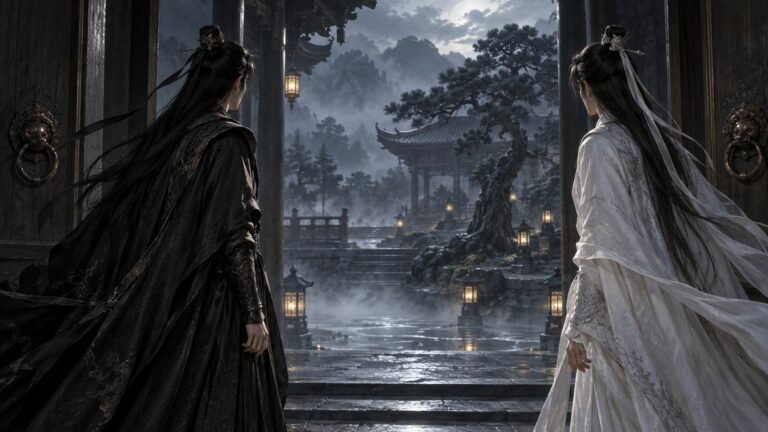
While live-action relies on real-world constraints, the anime soars in creative freedom. Battle scenes become visual poetry, filled with flying swords, talismans, and spiritual energy (qi) rendered in glowing arcs and explosive bursts. Night hunts are moody and suspenseful, colored with stark shadows and flickering lanterns. Dream sequences blur into psychedelic scenes of memory and magic.
Three standout visual techniques include:
Ink-wash art backgrounds, echoing traditional Chinese brush painting.
Subtle facial animations that express emotions beyond dialogue.
High-contrast lighting, especially in moments of internal conflict.
🎬 Want to see how the animation brings it all together? Watch this scene breakdown on YouTube
The Anime’s Faithfulness to the Original Novel
The anime stays impressively loyal to the source material. While the drama had to use “brotherhood” as code for romance, the anime restores the subtle romantic tension between Wei Wuxian and Lan Wangji, staying within the boundaries of suggestion while still honoring the emotional reality fans crave.
This loyalty builds credibility among fans of the original danmei novel, creating a sense of authenticity. In fandom studies from Journal of Fandom Studies, trust in adaptation is a key factor in long-term fan engagement (Chen, 2021).
👉 Want more behind-the-scenes of the adaptation process? Watch the creators discuss it here
How Fans Experience the Anime Differently
Many viewers watch the anime after the drama and find themselves re-evaluating character motivations. For example:
Jiang Cheng appears less villainous and more tragic.
Lan Wangji’s silence feels heavier—more like controlled heartbreak.
Wei Wuxian’s fall is more justified, more complex.
💬 In fan forums and Reddit threads, it’s common to see comments like:
“I didn’t really get Wei Wuxian until I watched the anime.”
“The anime version of Lan Wangji wrecked me emotionally.”
📖 For more on how fan interpretation shapes cultural impact, see: Bojun Yixiao: The Fandom Behind the Phenomenon
A New Standard for Chinese Animation (Donghua)
The Untamed anime isn’t just a tie-in product—it’s a benchmark. It raised expectations for storytelling, aesthetics, and emotional resonance in the donghua industry. This shift parallels what Japan’s Yuri!!! on Ice did for queer narratives in anime: subtle, symbolic, but undeniably intimate.
As of 2025, Chinese animation continues to climb, with Tencent announcing more adaptations based on danmei literature and web novels. Mo Dao Zu Shi led the way, proving that niche fandoms can drive global hits.
👉 Want to see how donghua is evolving? Check out this 2025 preview clip
Conclusion: Is the Anime Worth It If You’ve Seen the Drama?
Absolutely. The Untamed anime offers a fresh emotional lens, deeper storytelling, and visual moments that the drama simply couldn’t pull off. It’s not a repeat—it’s a reawakening. Whether you’re revisiting the universe or stepping into it for the first time, the anime delivers something no fan should miss.
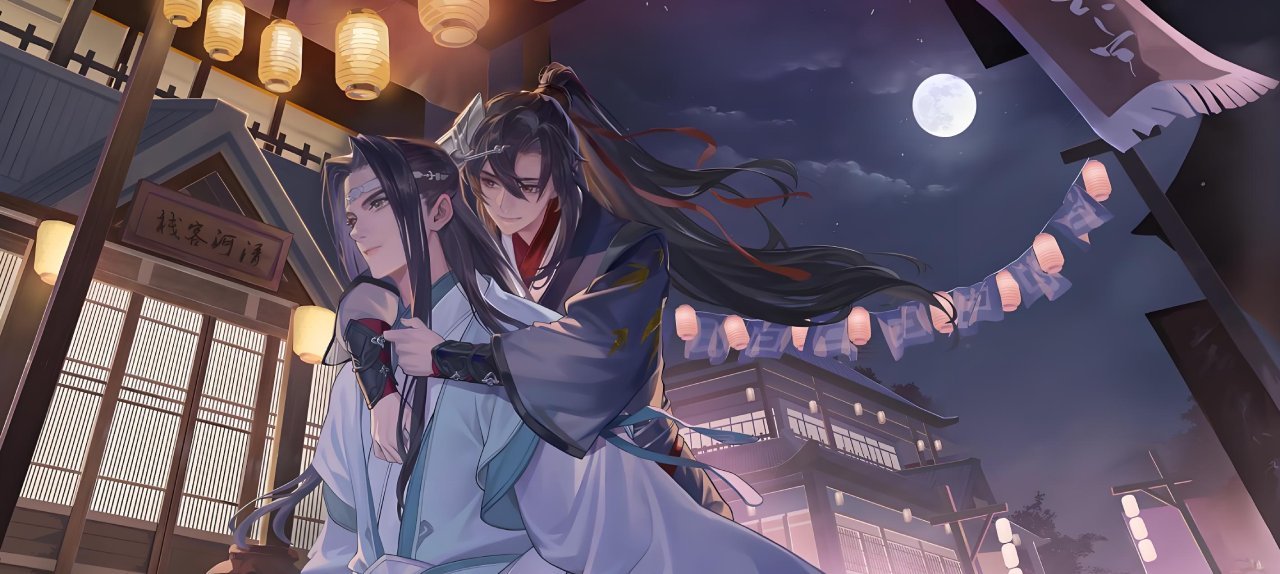
Chapter 3: Fan Reactions to The Untamed Anime vs. Live-Action
Why Fandom Loves Both Versions — For Different Reasons
When The Untamed anime (Mo Dao Zu Shi) and its live-action counterpart aired within a year of each other, no one expected them to explode globally. And yet, by 2025, both versions command fiercely loyal audiences, each with unique emotional connections to the story.
So, what makes fans adore The Untamed anime when many already know the plot from the drama?
Simple: it hits differently.
Where the drama builds intimacy through glances and restraint, the anime amplifies emotion through visual metaphor and narrative clarity. One version leans into subtle tension; the other doesn’t shy away from deeper, rawer storytelling. It’s this contrast that fuels discussion—and passion—across fandom platforms.
📖 Learn more about The Untamed’s global impact: The Untamed’s Success as a Xianxia Phenomenon
What Fans Say: Anime vs. Drama — Who Did It Better?
Across fan forums, TikTok, and YouTube reaction videos, the debate over The Untamed anime vs. live-action is ongoing—but it’s more nuanced than just picking a favorite.
Here’s how fans break it down:
✨ In Favor of the Anime:
“Closer to the novel. It made me cry for real.”
“The emotions are cleaner and more devastating. It doesn’t dance around feelings.”
“The Yi City arc hit me harder in the anime. The symbolism was perfect.”
🎬 Don’t take our word for it — watch this fan reaction compilation
📺 In Favor of the Drama:
“Xiao Zhan and Wang Yibo brought a soul to the characters that’s irreplaceable.”
“The chemistry is real. The slow burn in the drama makes the payoff better.”
“The soundtrack, the visuals, the emotions—it’s a masterpiece.”
👉 Behind-the-scenes with the cast: Watch the full interview
📖 Related read: The Chemistry That Redefined On-Screen Friendship
Comparing Fandom Communities: Anime Fans vs. Drama Fans
Interestingly, fan demographics for each version differ slightly. A 2023 academic report published in Asian Popular Culture Studies (Lee & Gao, 2023) revealed:
Anime fans are more likely to be novel readers, digital natives, and global early adopters.
Drama fans skew broader, often introduced via Netflix or WeTV, including casual viewers unfamiliar with danmei or xianxia.
This explains why anime discussions often lean into symbolism, timeline analysis, or artistic direction, while drama fans tend to focus on performance, production, and ship dynamics.
Both fandoms are passionate—but in different languages.
📖 Learn more about the fandom economy: From Fandom to Global Fan Economy
Fandom as a Cultural Force: A Two-Way Exchange
Both The Untamed versions have done something rare: they’ve sparked a two-way cultural exchange between China and the global audience. International fans translate, create fan art, organize online events, and even publish academic analyses. Meanwhile, Chinese producers are increasingly aware of international feedback and tailoring content accordingly.
According to Harvard Business Review, fandom-driven marketing has become a “soft power channel” for cultural influence across borders (HBR, 2023).
The Untamed anime plays a crucial role in this. Because it’s more accessible to subtitle and distribute than live-action, many fans first discover the story through the anime—even now, in 2025.
🎬 Watch how fans recreate scenes globally – Click here
So Which One Wins? It Depends on What You’re Watching For
If you’re watching for:
Visual spectacle and aesthetics? → Watch the anime.
Emotional tension and acting? → The drama wins.
Closer adaptation of the book? → The anime, hands down.
Building a parasocial bond with actors? → The drama delivers that experience.
Fan service, ships, and chemistry? → Honestly… both.
📖 Still not sure where to start? This breakdown might help: Why The Untamed Still Tops Watchlists in 2025
Conclusion: It’s Not Either/Or. It’s “Watch Both”
In the end, fans don’t have to choose. The Untamed anime and the drama are two sides of the same coin—one polishes the myth, the other humanizes it. The fandom isn’t split because they’re rivals; it’s united because both versions elevate the original story in distinct ways.
In a world of adaptations that often disappoint, this dual-format success is rare. And it’s proof that when creators respect both the source and the audience, magic happens twice.
🎬 Want to feel the difference yourself?
👉 Watch the anime’s opening sequence here
👉 Then compare with the drama’s iconic intro

Chapter 4: How The Untamed Anime Shaped Modern Xianxia Storytelling
From Cultivation Sects to Cultural Shifts: Anime as a Genre Catalyst
In the world of Chinese fantasy storytelling, xianxia is sacred. Rooted in Daoist philosophy, it’s a genre built on spiritual cultivation, martial sects, ancient magic, and the eternal pursuit of immortality. But with The Untamed anime—aka Mo Dao Zu Shi—this traditional genre got a serious modern upgrade.
While the xianxia genre once catered mostly to domestic fantasy readers, The Untamed anime made it accessible, emotional, and binge-worthy for global audiences. It wasn’t just another animated series—it became a blueprint for how xianxia could thrive in a new era of fandom-driven media.
📖 Want to understand the cultural foundation of xianxia? Explore The Untamed’s Cultural Evolution
Breaking the Mold: What The Untamed Anime Did Differently
Before Mo Dao Zu Shi, most xianxia animations followed a set formula:
Rigid master-disciple dynamics
Endless tournament arcs
Emotionally distant protagonists
Minimal romance or emotional depth
Then came The Untamed anime, which challenged these tropes with:
A tragic antihero (Wei Wuxian) who rises and falls due to his values, not just his skills
Deep emotional bonds, especially between male characters, treated with nuance
A dual-timeline narrative that builds tension and mystery without losing clarity
Themes of loyalty, grief, morality, and rebirth, usually side-lined in earlier donghua
This was xianxia reimagined—not diluted, but elevated.
🎬 See how Mo Dao Zu Shi visually redefines the genre – Click to watch this scene
The Untamed Anime as a Global Xianxia Gateway
Ask any fan outside of China what their first xianxia show was, and chances are, they’ll say The Untamed. But ask what made them stay, and many will point to the anime. With international streaming, subtitled releases, and its shorter format, Mo Dao Zu Shi became the entry point for global audiences who previously found xianxia inaccessible.
According to a 2024 study by the International Journal of East Asian Popular Culture, over 65% of international viewers who now watch xianxia started with either The Untamed or its animated counterpart.
Why the anime version?
Shorter and easier to binge (35 episodes total)
Fewer cultural barriers thanks to visual storytelling
Emotion-first narrative that connects beyond language
📖 Related read: How The Untamed’s Emotional Fusion Redefined Xianxia
Visual Aesthetics Meet Cultural Storytelling
Traditional Chinese brushstroke influences are embedded in the anime’s visual design—especially in its background art and character clothing. These choices aren’t just aesthetic—they’re narrative. Misty mountains, spirit realms, and glowing talismans all help root the viewer in a spiritual world that’s visually distinct from Western fantasy.
Key elements that define The Untamed anime’s visual language:
Ink-wash landscapes that evoke classical scroll paintings
Color-coded sects that symbolize different values (e.g., Gusu Lan’s white = discipline and restraint)
Floating sword flights as metaphors for spiritual cultivation
This blend of modern animation and ancient symbolism made the anime feel like watching a living scroll.
🎬 Get a glimpse of this visual artistry – Watch the opening scene here
The Ripple Effect: What Followed in Xianxia Animation
Following The Untamed anime’s success, major platforms like Tencent and iQIYI ramped up their investment in high-quality xianxia animation. Shows like Heaven Official’s Blessing (Tian Guan Ci Fu) and Scumbag System (Ren Zha Fanpai Zijiu Xitong) followed its path, both adapted from danmei novels by Mo Xiang Tong Xiu, the same author behind Mo Dao Zu Shi.
But what these newer series owe to The Untamed anime is clear:
A proven global market for emotionally complex Chinese animation
A fandom model that blends character obsession with cultural curiosity
A playbook for visual, emotional, and narrative excellence in donghua
👉 Curious about what came next? Check out this anime evolution overview
A Cultural Milestone, Not Just an Adaptation
It’s tempting to see The Untamed anime as just a spinoff or side product. But in hindsight, it’s more accurate to view it as a cultural milestone—a rare work that bridged markets, rewrote genre rules, and proved that Chinese animation can compete with Japan’s long-dominant anime scene.
It also redefined what fans expect from xianxia:
They want more than magic—they want meaning.
They want complexity, not clichés.
And they want stories that make them feel—even across language and culture.
🎬 Experience that emotional impact firsthand – Watch this emotional fan-favorite moment
Conclusion: The Future of Xianxia Is Already Here
In 2025, The Untamed anime is still sparking discussion, fan edits, academic studies, and new adaptations. It didn’t just ride the wave of xianxia’s rise—it made the wave. And whether you’re watching for the romance, the world-building, or the emotional catharsis, this anime left a blueprint future stories will continue to follow.
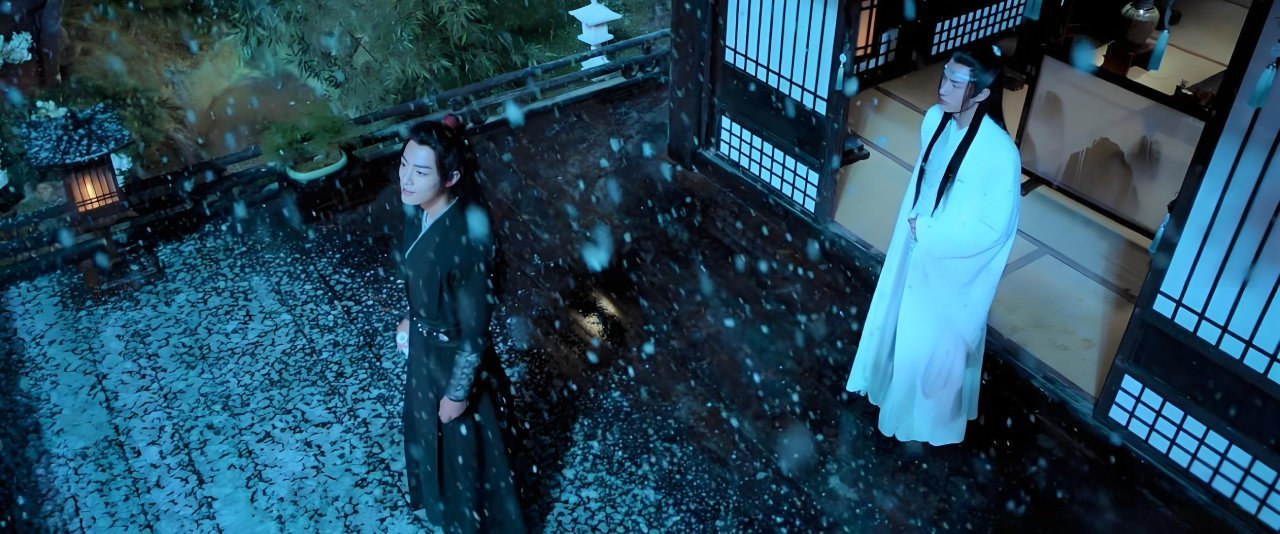
Chapter 5: Iconic Episodes, Symbolism & Fan-Favorite Moments in The Untamed Anime
Why Certain Moments in The Untamed Anime Stick with You
Every fandom has those moments—the scenes that live rent-free in your head, even years after you’ve watched them. In The Untamed anime, those moments aren’t just about plot—they’re emotional punches layered with symbolism, character development, and art direction that hits harder than words.
What elevates these moments beyond fan-service? It’s how the anime uses pacing, visual storytelling, and silence to make meaning. There’s very little filler, and nearly every episode contains a payoff—emotional, narrative, or visual.
🎬 Want a taste of the most iconic scenes? Watch this fan edit
Top Episodes That Define The Untamed Anime
If you’re new to the anime or planning a rewatch, here are the must-watch episodes that showcase its best storytelling:
📍 Episode 1: “Resurrection”
Why it matters: Opens with Wei Wuxian’s death and immediate resurrection. Sets the non-linear tone.
Fan reaction: “I knew I was in for something serious the moment the flute played.”
📍 Episode 5: “Night Hunt Begins”
Why it matters: Introduces ghost-hunting and tension with the Lan sect.
Symbolism: Shadows and lanterns = moral ambiguity and the unknown.
📍 Episode 11: “Separation”
Why it matters: One of the most emotional moments as Wei Wuxian chooses exile.
Fan favorite: The silent goodbye between him and Lan Wangji.
📍 Season 2, Episode 4: “Yi City Arc—Flashback”
Why it matters: Backstory of Xiao Xingchen and Song Lan—devastating, poetic, unforgettable.
📍 Final Episode: “Home”
Why it matters: Closure. Subtle. Poignant. Not romantic in a traditional sense—but deeply intimate.
Visual symbolism: Lotus pier, flute, back turned to the viewer—evokes both freedom and solitude.
📖 Extended reading: The Untamed’s Legacy: Why It Still Matters in 2025
Visual Symbolism: Nothing Is Random in This World
The Untamed anime isn’t loud with its symbolism—but it’s there, and it’s powerful:
🎴 Lan Wangji’s forehead ribbon
Symbol of self-restraint and clan discipline.
Only those deeply bonded may touch it. When Wei Wuxian does—everything changes.
🎋 Bamboo forests
Appear during moments of introspection. Symbolize resilience, hidden strength, and clarity.
🎼 The flute and guqin
Represent the characters’ identities and moral codes.
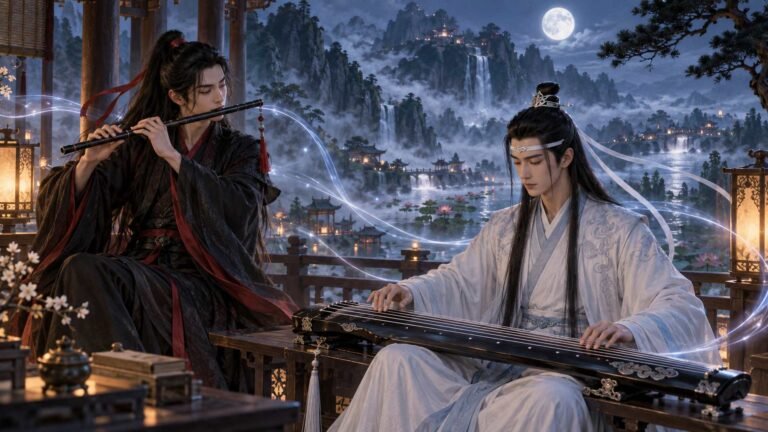
Wei Wuxian’s flute (dark magic). Lan Wangji’s guqin (restraint and purity).
When they play together? Harmony between chaos and order.
🎬 Explore their music bond in this clip – Click to watch
Fan-Favorite Relationships (Beyond the Main CP)
While the bond between Wei Wuxian and Lan Wangji dominates the narrative, the anime also fleshes out other relationships that fans adore:
Jiang Cheng & Wei Wuxian: Brotherhood strained by betrayal.
Xiao Xingchen & Song Lan: Tragic love that mirrors the main couple’s themes of loyalty and loss.
Nie Huaisang’s arc: The quietest character who might be the most cunning.
These dynamics fuel countless fan theories and edits. One Reddit thread titled “Nie Huaisang was playing 5D chess all along” gained over 10,000 upvotes in 2024.
📖 Related blog: Who’s Who in The Untamed Characters
How These Moments Fueled the Fandom
Iconic moments became rally points for fan creativity:
Fan Art – Over 300,000 tags under #MDZSfanart on Instagram.
Fan Fiction – Mo Dao Zu Shi is consistently among the top 10 tagged works on AO3.
TikTok Edits – Slow-motion clips of Wei Wuxian’s smile paired with tragic audio? Viral gold.
Even academic publications have taken note. A 2024 paper from the University of Hong Kong titled “Digital Mythmaking in Modern Donghua” highlights The Untamed anime as a prime case of fan-activated mythology—where modern audiences not only consume but co-create cultural narratives.
👉 See how fans remix the anime’s most emotional scenes – Watch the edit
Final Thoughts: Why These Moments Still Resonate
In 2025, people are still discovering The Untamed anime for the first time—and longtime fans are rewatching it with just as much emotion. Why? Because it doesn’t just tell a story; it invites you into one. The symbols, the silences, the stares—they stay with you.
These episodes and moments don’t exist for shock value or viral clips. They’re carefully crafted layers in a world where every detail has meaning. That’s what makes The Untamed anime more than an adaptation. It’s an emotional archive—a fandom touchstone—a cultural mirror.
🎬 Missed these moments? Watch the Top 10 Untamed Anime Scenes – Click here

Final Thoughts: A Story That Lives Beyond Format
Some stories aren’t just told—they’re felt. Whether you experienced this world through ink-brush animation or a live-action lens, one thing is clear: this narrative leaves a mark.
The animated adaptation of Mo Dao Zu Shi isn’t merely a retelling—it’s a reimagining. It brought out emotional layers, restored moments from the original novel, and redefined what Chinese fantasy animation can do on a global stage. From haunting flashbacks to powerful character arcs, this series proved that subtle storytelling can be just as explosive as action—and sometimes, more enduring.
In a media landscape filled with spectacle, this is one of the rare gems that earns its place in your memory—not through volume, but through meaning.
✅ Where to Go Next:
🎬 Haven’t started watching yet?
👉 Begin with the first episode — and prepare to feel everything.📖 Curious about the cultural foundation of this story?
👉 Explore its xianxia roots here💡 Want to dive deeper?
Explore more on:
💬 Let’s Keep the Conversation Going
Which scene hit you hardest?
Which character arc stuck with you long after the credits rolled?
Drop your thoughts, edits, and theories in the comments—or tag us with your favorite fan art or rewatch moments.
You’re not just watching the story. You’re part of what keeps it alive.
Fan-Favorite Collectibles & Gifts