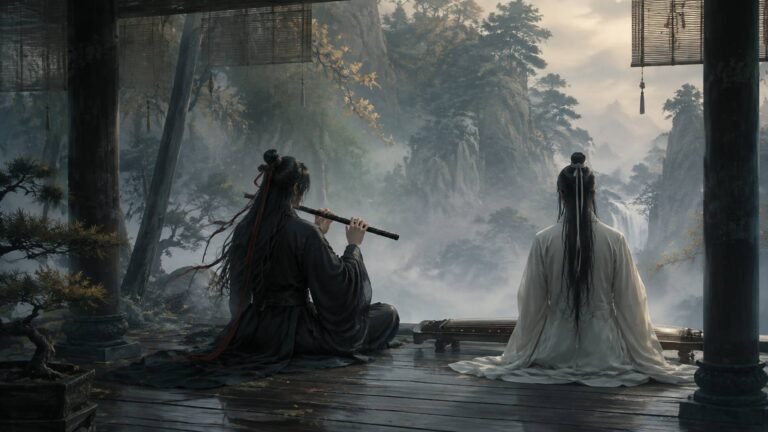
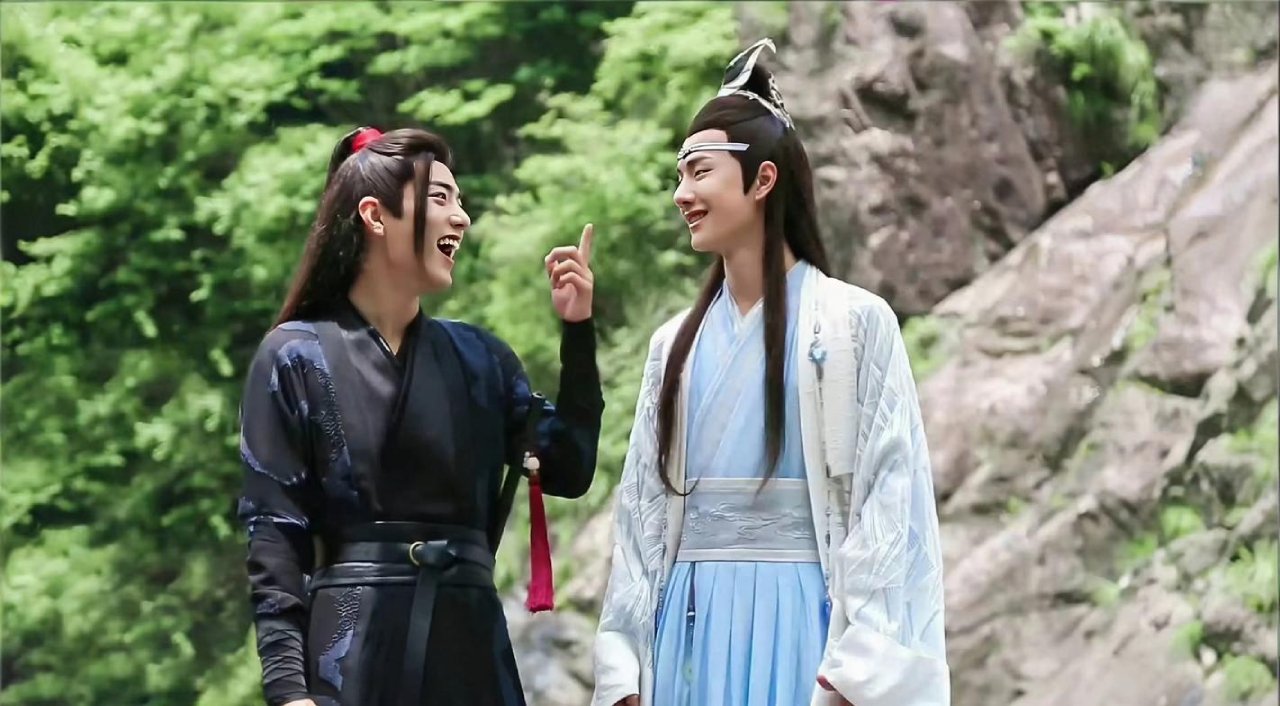
The Untamed Foreshadowing: 15 Hidden Clues Fans Missed
Have you ever finished a rewatch of The Untamed and realized the story was quietly revealing its biggest twists all along? That’s exactly what makes The Untamed foreshadowing so fascinating. From subtle character expressions to symbolic music and visual details, the drama hides emotional clues that become far more meaningful once you know the ending.
Fans of Chinese fantasy dramas often praise the series for its emotional storytelling, but the real brilliance lies in how carefully every scene is constructed. Whether it’s Wei Wuxian’s tragic journey, Lan Wangji’s silent devotion, or the hidden motives of key characters, The Untamed foreshadowing adds layers of depth that reward attentive viewers. Small moments that seem harmless at first later reveal powerful connections to future betrayals, sacrifices, and reunions.
This kind of storytelling matters because it transforms the viewing experience into something deeply immersive and endlessly rewatchable. In this The Untamed analysis, we’ll explore the hidden symbolism, emotional setups, and clever narrative clues that prove why the drama remains one of the most beloved C-dramas of all time.
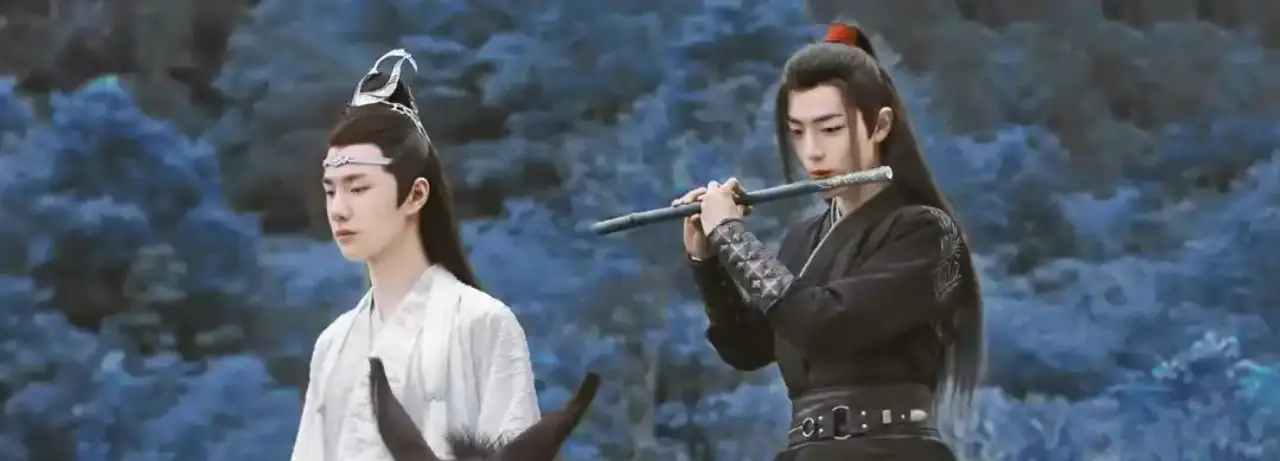
Chapter 1: Introduction to The Untamed’s Hidden Storytelling
Few fantasy dramas reward repeat viewing quite like The Untamed. At first glance, the series feels like a beautifully emotional xianxia adventure filled with mystery, loyalty, and tragedy. However, once fans revisit key scenes, they quickly notice how cleverly the writers planted clues from the very beginning. That layered storytelling explains why The Untamed foreshadowing continues to fascinate global audiences years after the drama first aired.
Unlike many fast-paced fantasy series, The Untamed trusts viewers to pay attention to details. Tiny gestures, repeated musical themes, and symbolic camera framing quietly hint at future betrayals and emotional turning points. As a result, every rewatch reveals something new.
Fans who enjoy deep character analysis may also love this breakdown of The Untamed hidden details and this emotional study of Lan Wangji and Wei Wuxian’s relationship.
How The Untamed Foreshadowing Creates Emotional Depth
One reason the series feels emotionally powerful lies in its use of visual storytelling. Instead of directly explaining future conflicts, the drama often hints at them through atmosphere and symbolism. Early scenes at Lotus Pier, for example, appear warm and peaceful. Yet the soft lighting and nostalgic pacing quietly suggest that this happiness will not last.
Wei Wuxian’s cheerful personality works the same way. His humor hides emotional loneliness long before the story openly addresses it. Meanwhile, Lan Wangji’s silence becomes a form of emotional foreshadowing. Every restrained glance carries meaning.
Researchers in fandom psychology often describe this technique as “participatory interpretation,” where viewers actively connect narrative clues themselves. According to media scholar Henry Jenkins’ work on fan culture, audiences become more emotionally invested when stories encourage interpretation rather than direct explanation. That idea perfectly fits The Untamed and its passionate international fandom.
The drama also balances traditional xianxia storytelling with modern emotional realism. Older xianxia narratives usually focused heavily on destiny and cultivation power. The Untamed, by contrast, emphasizes personal trauma, loyalty, and moral ambiguity. Because of this shift, the foreshadowing feels deeply human instead of purely mythical.
📖 Extended reading: cultural background explained in The Untamed evolution of xianxia culture and The Untamed cultural impact.
Symbolism and Visual Clues Fans Often Miss
Many viewers notice the obvious twists during their first watch. Dedicated fans, however, often uncover much subtler examples of The Untamed foreshadowing hidden inside costumes, music, and cinematography.
Several recurring symbols appear throughout the series:
- Rabbits represent emotional vulnerability and quiet affection
- Flutes symbolize loneliness and emotional isolation
- White robes reflect discipline and restraint
- Shadows and dark forests hint at corruption and grief
Even the soundtrack contains hidden narrative clues. The emotional melody associated with WangXian appears long before the relationship fully develops onscreen. Consequently, the music prepares viewers emotionally before the script confirms deeper bonds between the characters.
Comparatively, modern fandom-driven dramas rely heavily on social media discussion to amplify these hidden details. While official promotions introduced The Untamed to viewers, fan communities sustained its popularity through analysis videos, reaction threads, and symbolic breakdowns. That organic engagement helped transform the series into a global phenomenon.
🎬 Explore more in this YouTube clip – Click to watch
👉 Want to see the full behind-the-scenes? Watch the video here
Fans interested in production insights should also check out The Untamed behind-the-scenes secrets and The Untamed filming locations.
Why Rewatching Changes the Entire Experience
The first viewing usually focuses on plot twists and emotional survival. A second viewing changes everything. Suddenly, casual dialogue lines feel heartbreaking because viewers already know each character’s fate.
That transformation explains why The Untamed foreshadowing remains one of the drama’s strongest storytelling achievements. Instead of relying on shock value alone, the narrative builds emotional inevitability. Every tragedy feels earned. Every reunion carries history.
Modern streaming culture also strengthens this experience. Fans now pause scenes, share screenshots, and analyze symbolism collectively online. Academic studies on participatory fandom communities show that shared interpretation increases emotional attachment to fictional worlds. In many ways, The Untamed thrives because viewers experience the story together.
As the series unfolds, these carefully planted clues become impossible to ignore. The deeper viewers look, the more emotionally rewarding the journey becomes.
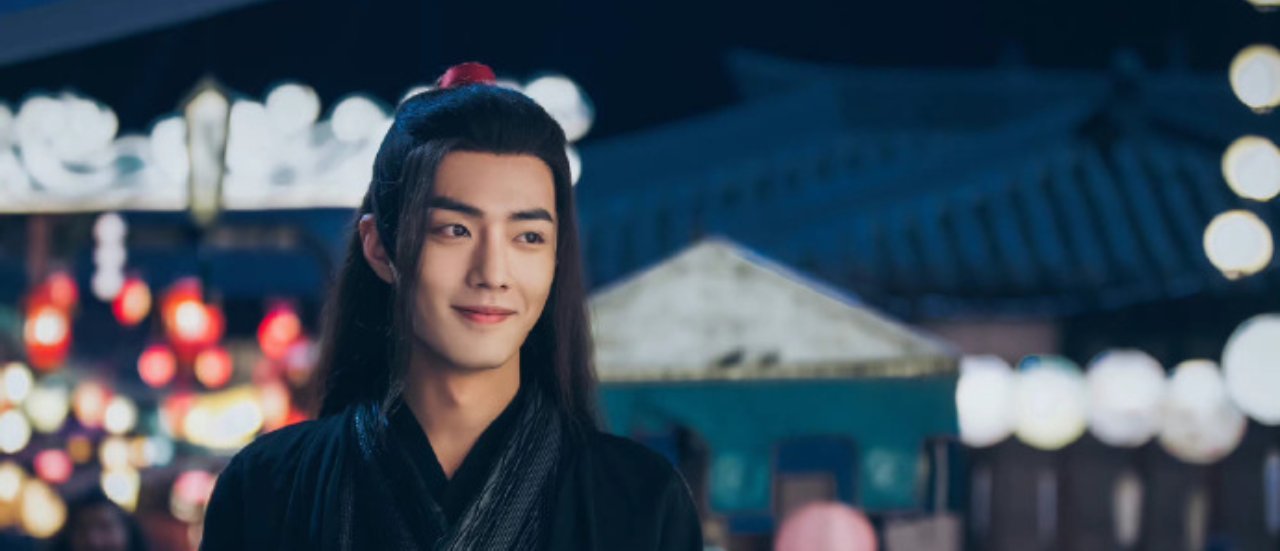
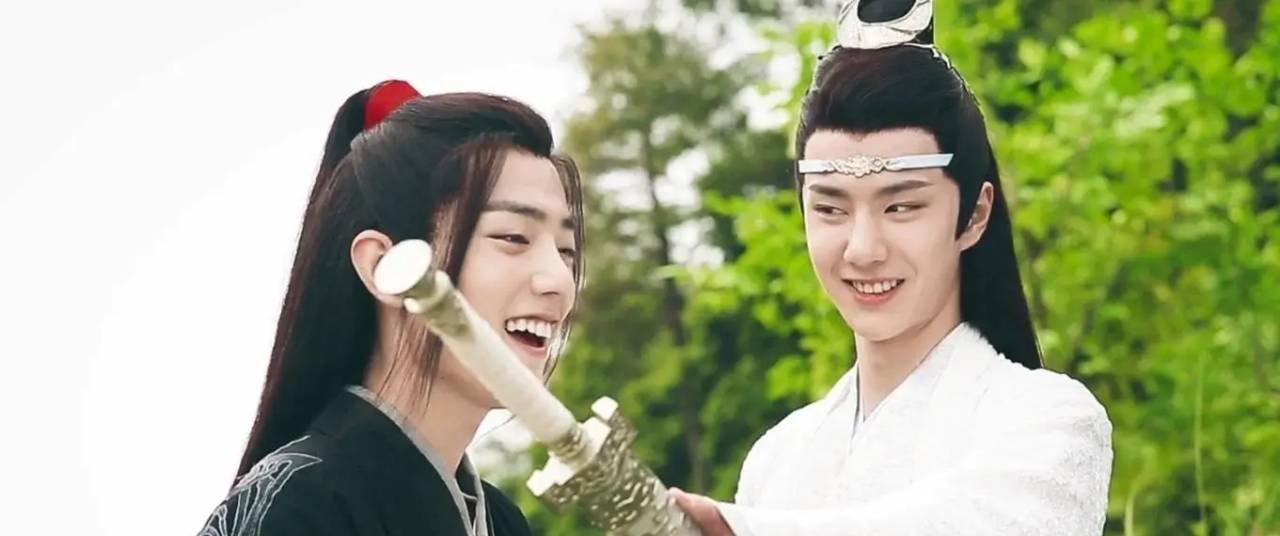
Chapter 7: The Untamed Foreshadowing Through Symbolism
One of the greatest strengths of The Untamed lies in its sophisticated use of symbolism. While the drama delivers emotional performances and powerful plot twists, its deeper storytelling often happens quietly in the background. Repeated visual motifs, colors, animals, and environmental details subtly predict emotional outcomes long before the narrative openly reveals them. That layered approach makes The Untamed foreshadowing especially rewarding for attentive viewers.
Unlike fantasy dramas that rely heavily on exposition, The Untamed trusts symbolism to communicate emotional truth. As a result, fans frequently discover new meanings during rewatches. A simple prop or recurring image suddenly transforms into a heartbreaking narrative clue.
Readers who enjoy uncovering hidden meanings should also explore The Untamed hidden details and Untamed costume design symbolism.
The Rabbits and Their Emotional Meaning
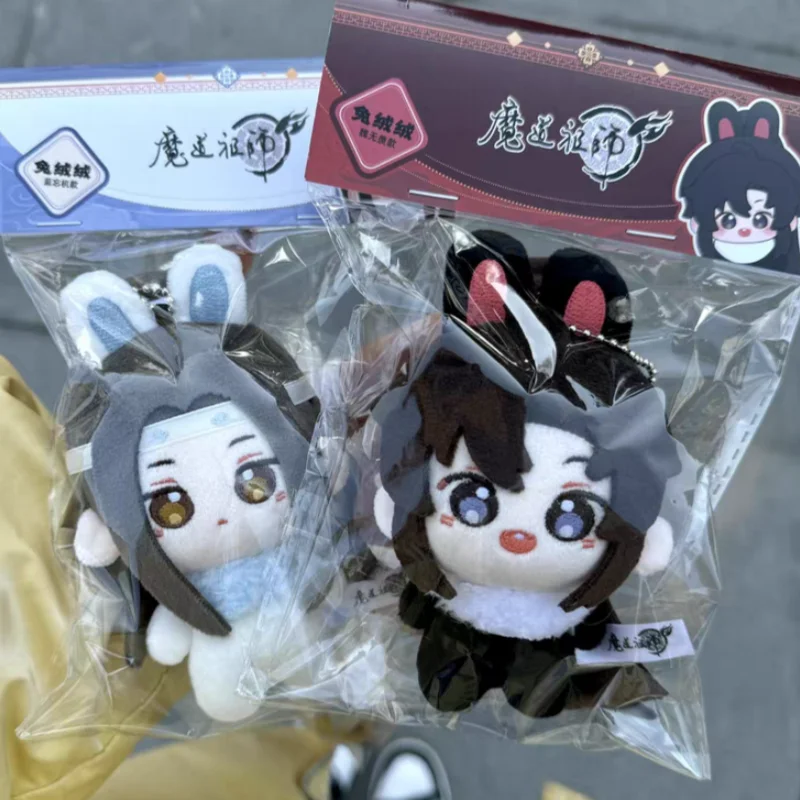
Among the series’ most beloved recurring symbols are the rabbits associated with Lan Wangji. At first glance, they seem playful and harmless. Yet the rabbits quietly represent emotional vulnerability, affection, and unspoken connection throughout the story.
Several symbolic meanings appear repeatedly through these scenes:
- Emotional softness hidden beneath restraint
- Loyalty and companionship
- Quiet forms of affection
- A peaceful life separated from political conflict
Lan Wangji’s emotional attachment to the rabbits foreshadows his deeper emotional bond with Wei Wuxian. Since the character rarely expresses feelings openly, the series uses symbolic imagery instead of direct dialogue. Consequently, viewers emotionally understand his affection long before he verbally communicates it.
Traditional xianxia dramas often use mythical creatures to symbolize power or destiny. The Untamed, however, chooses small and emotionally intimate symbols instead. That modern storytelling choice helps the series feel more personal and emotionally grounded.
Researchers studying visual symbolism in East Asian media narratives note that recurring gentle imagery often creates subconscious emotional association for viewers. In The Untamed, the rabbits gradually become emotional reminders of comfort, longing, and emotional safety.
📖 Extended reading: explore Lan Wangji and Wei Wuxian’s relationship journey and WangXian emotional analysis.
White Clothing, Shadows, and Moral Contrast
Color symbolism plays a major role in The Untamed foreshadowing. Costume design consistently reflects emotional state, social expectations, and moral perception throughout the series.
The Lan Clan’s white robes symbolize discipline, order, and emotional restraint. In contrast, darker colors surrounding Wei Wuxian increasingly represent emotional isolation and public misunderstanding. Importantly, the drama avoids simplistic good-versus-evil symbolism. Dark colors do not automatically represent corruption, just as white clothing does not guarantee moral purity.
That visual complexity becomes especially powerful during emotionally conflicted scenes. Characters dressed in elegant, controlled colors often commit morally questionable actions, while emotionally chaotic characters display deep compassion and loyalty.
Several visual contrasts repeatedly appear:
- White robes versus black robes
- Bright natural landscapes versus enclosed dark interiors
- Open skies versus restrictive architecture
- Warm candlelight versus cold blue lighting
These visual patterns quietly prepare audiences for future emotional conflict. Rewatching the series makes these symbolic choices far more obvious.
Compared with older fantasy dramas that relied heavily on direct moral symbolism, The Untamed embraces emotional ambiguity. Modern audiences often prefer this layered storytelling style because it mirrors real emotional complexity more closely.
🎬 Explore more in this YouTube clip – Click to watch
👉 Want to see the full behind-the-scenes? Watch the video here
Fans interested in visual storytelling may also enjoy The Untamed iconic scenes and The Untamed filming locations guide.
Why Symbolism Strengthens Emotional Rewatch Value
The symbolic storytelling in The Untamed explains why the series continues attracting analysis years after its release. Instead of presenting emotional themes directly, the drama encourages viewers to interpret recurring patterns themselves.
Modern fandom culture strengthened this experience significantly. Fans now create symbolic breakdown videos, visual essays, and detailed screenshot comparisons across online communities. According to fandom studies research, stories with layered symbolism generate stronger long-term audience participation because viewers enjoy collaborative interpretation.
This fan-driven analysis also helped The Untamed succeed internationally. Official marketing introduced audiences to the series, but emotional symbolism encouraged deeper investment and discussion over time.
Most importantly, the symbolism never feels decorative or random. Every repeated visual element serves emotional purpose. Rabbits reflect vulnerability. Music signals emotional memory. Shadows represent fear and isolation. Together, these details quietly shape audience emotions before the plot fully reveals their meaning.
Ultimately, The Untamed foreshadowing works so effectively because the series understands that emotional storytelling often speaks loudest through silence, imagery, and symbolism rather than explanation alone.
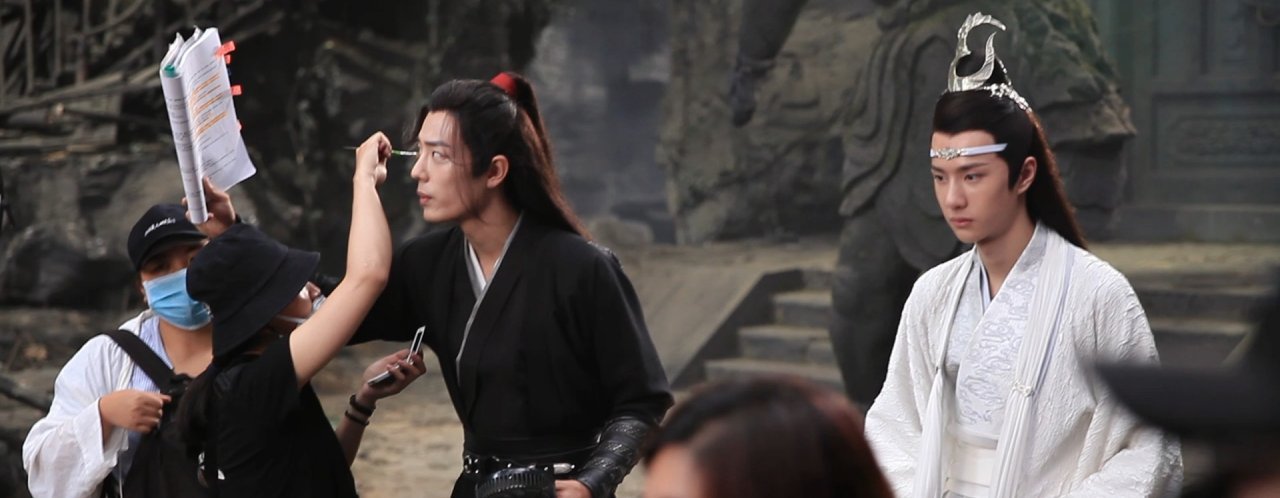
Chapter 8: Wen Ning’s Character Arc and Early Hints
Among all the tragic characters in The Untamed, Wen Ning stands out for his emotional sincerity and quiet resilience. While other characters hide intentions behind politics or emotional restraint, Wen Ning consistently acts with kindness and honesty. Even so, the drama subtly foreshadows his painful fate from the very beginning. Through visual symbolism, dialogue, and emotional framing, The Untamed foreshadowing carefully prepares viewers for his transformation long before it fully happens.
Initially, many fans see Wen Ning as timid and socially anxious. A second viewing reveals something much deeper. His nervous behavior, emotional isolation, and repeated references to fear quietly hint at the suffering awaiting him later in the story.
Readers who enjoy emotional character analysis may also explore The Untamed characters guide and The Untamed emotional moments.
Gentle Personality and Early Signs of Tragedy
From his earliest scenes, Wen Ning feels emotionally different from many cultivators around him. Unlike ambitious clan leaders or competitive disciples, he avoids conflict whenever possible. His kindness immediately creates emotional attachment for viewers, which makes later events even more devastating.
The drama subtly foreshadows this tragedy through several recurring storytelling choices:
- Wen Ning often appears physically separated from large groups
- Soft lighting surrounds many of his scenes
- His hesitant speech reflects emotional vulnerability
- Other characters underestimate or ignore him repeatedly
At first, these details simply make him seem shy. Over time, however, they begin reflecting emotional loneliness and social exclusion. The cultivation world rarely values gentle personalities, especially during periods of political tension and war.
Compared with traditional xianxia narratives, where secondary characters often exist only to support heroic journeys, The Untamed gives emotional complexity even to supporting roles. Wen Ning’s storyline explores themes of trauma, loyalty, and identity rather than reducing him to comic relief or background support.
Media scholars studying audience empathy in television storytelling often note that emotionally vulnerable characters generate strong fan attachment because viewers instinctively protect them emotionally. That emotional connection explains why Wen Ning became one of the series’ most beloved characters worldwide.
📖 Extended reading: explore The Untamed cultural impact and The Untamed global fandom phenomenon.
Symbolic References to Death and Rebirth
One of the strongest examples of The Untamed foreshadowing appears through Wen Ning’s transformation arc. Long before his resurrection storyline unfolds, the series repeatedly surrounds him with symbolic references connected to fragility, fear, and emotional endurance.
Lighting and atmosphere shift noticeably around his character as political conflict intensifies. Earlier scenes use warm natural settings, while later moments increasingly feature darker tones and emotional isolation. These visual transitions quietly prepare viewers for his painful rebirth as the Ghost General.
Importantly, the series frames Wen Ning’s resurrection differently from typical fantasy transformations. Rather than becoming monstrous or emotionally corrupted, he retains his compassion and humanity despite immense suffering. That narrative choice reinforces one of the drama’s central themes: morality depends on emotional intention, not external appearance.
Several recurring motifs strengthen this symbolism:
- Silence before emotionally traumatic events
- Gentle musical themes interrupted by tension
- Protective instincts despite fear
- Repeated imagery involving memory and loss
Unlike older fantasy dramas that often portray resurrection as unnatural or dangerous, The Untamed treats rebirth as emotionally tragic yet deeply human. That modern emotional perspective helped international audiences connect strongly with the series.
🎬 Explore more in this YouTube clip – Click to watch
👉 Want to see the full behind-the-scenes? Watch the video here
Fans interested in emotional storytelling should also check out The Untamed ending explained and The Untamed hidden details.
Why Wen Ning’s Arc Resonates So Deeply
Wen Ning’s popularity within the fandom reflects the emotional sincerity at the heart of The Untamed. While many characters struggle with ambition, pride, or social reputation, Wen Ning consistently prioritizes compassion and loyalty. That emotional purity makes his suffering especially heartbreaking.
Modern fandom communities frequently discuss how his storyline challenges traditional ideas of strength in fantasy narratives. Instead of glorifying aggression or dominance, the series portrays kindness and emotional sensitivity as genuine forms of courage.
Researchers studying fandom psychology often find that audiences develop lasting emotional attachment to characters who maintain empathy despite trauma. Wen Ning perfectly embodies this emotional resilience. His story becomes not only tragic, but also deeply inspiring.
Ultimately, The Untamed foreshadowing surrounding Wen Ning works because the series quietly reveals his emotional fate long before audiences fully recognize it. Every nervous smile, hesitant glance, and act of kindness gradually builds toward one of the drama’s most unforgettable emotional journeys.
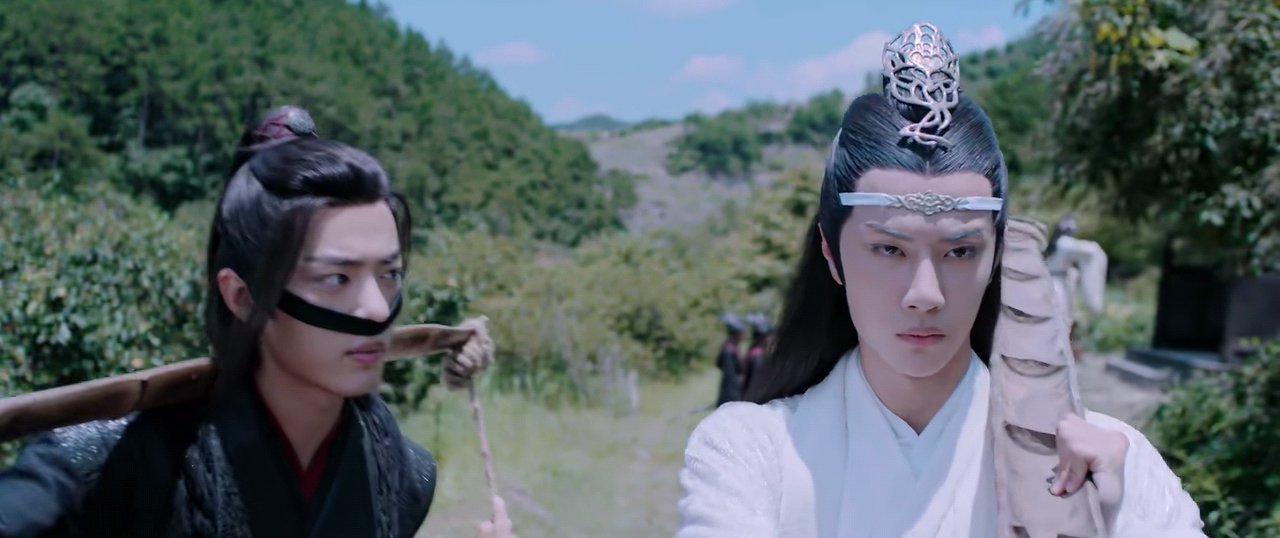
Chapter 9: How Flashbacks Strengthen the Narrative
Nonlinear storytelling plays a huge role in what makes The Untamed emotionally unforgettable. Instead of revealing events in chronological order, the drama slowly uncovers the past through layered flashbacks and fragmented memories. That structure allows viewers to emotionally re-evaluate characters and events over time. More importantly, it strengthens The Untamed foreshadowing by hiding critical emotional truths in plain sight.
At first, the shifting timeline may feel confusing for new viewers. Yet as the story progresses, the purpose becomes clear. Every flashback reshapes audience understanding, turning earlier assumptions upside down. Characters who once appeared guilty suddenly seem tragic, while seemingly trustworthy figures become suspicious.
Fans interested in deeper storytelling analysis should also explore The Untamed timeline explained and The Untamed plot analysis.
Why the Nonlinear Structure Feels So Effective
Unlike many fantasy dramas that explain everything immediately, The Untamed carefully controls information. Flashbacks reveal emotional context gradually, allowing suspense and emotional attachment to build naturally.
This storytelling technique creates several important effects:
- Viewers emotionally judge characters before understanding them fully
- Past events gain new meaning after later revelations
- Emotional tension increases through delayed truth
- Character motivations feel more realistic and layered
Wei Wuxian’s reputation offers the strongest example. Early episodes portray him as feared and controversial. Once flashbacks begin, audiences discover the emotional pain and sacrifice hidden behind public accusations. That reversal transforms the viewing experience completely.
Traditional xianxia dramas often prioritize linear heroic journeys focused on destiny and cultivation growth. The Untamed, however, adopts a more psychologically driven structure. Instead of simply asking what happened, the narrative asks why people remember events differently.
According to narrative psychology research, nonlinear storytelling increases emotional engagement because audiences actively reconstruct the story themselves. This participatory experience strengthens emotional investment and encourages rewatching. The Untamed benefits enormously from this technique.
📖 Extended reading: explore The Untamed legacy and global success and Why The Untamed still dominates watchlists.
Flashbacks as Emotional Foreshadowing
One fascinating aspect of The Untamed foreshadowing involves how flashbacks quietly prepare viewers emotionally before major revelations occur. Rather than functioning as simple exposition, these scenes gradually build emotional inevitability.
For example, seemingly peaceful moments at Lotus Pier become heartbreaking after viewers understand future tragedy. Likewise, early interactions between Lan Wangji and Wei Wuxian gain emotional significance once audiences recognize the depth of their connection.
Several recurring storytelling patterns strengthen this emotional layering:
- Happy memories interrupted by sudden tension
- Repeated dialogue with changing emotional meaning
- Contrasts between youthful optimism and later trauma
- Symbolic callbacks tied to music and locations
The drama also uses visual repetition effectively. Certain camera angles, musical cues, and environmental details reappear across timelines, subtly linking emotional experiences together. As a result, viewers subconsciously connect scenes emotionally even before understanding the full narrative context.
Modern fandom culture amplified appreciation for these details dramatically. Fans frequently create timeline breakdowns, emotional scene comparisons, and symbolic analyses online. Compared with more action-focused fantasy fandoms, The Untamed fandom often centers on emotional interpretation and narrative structure.
🎬 Explore more in this YouTube clip – Click to watch
👉 Want to see the full behind-the-scenes? Watch the video here
Readers who enjoy emotional scene analysis should also check out The Untamed iconic scenes and The Untamed intense emotional moments.
Why Rewatching Completely Changes the Story
The brilliance of the flashback structure becomes most obvious during a second viewing. Initially, viewers focus on solving mysteries and understanding political conflicts. Later rewatches shift attention toward emotional nuance and hidden character motivations.
Suddenly, small details become devastating:
- Lan Wangji’s silent reactions carry emotional longing
- Wei Wuxian’s humor masks emotional exhaustion
- Jiang Cheng’s frustration reveals fear of loss
- Jin Guangyao’s politeness hints at manipulation
This layered emotional experience explains why The Untamed foreshadowing remains so widely discussed years after release. The series rewards patience and emotional observation rather than relying only on dramatic twists.
Researchers studying fandom engagement often note that stories with reinterpretation value maintain stronger long-term communities. Fans return repeatedly because each viewing reveals something emotionally new. The Untamed excels at this form of storytelling.
Ultimately, the flashback structure does more than organize the plot. It transforms memory itself into part of the emotional narrative. By slowly revealing truth through fragmented perspectives, the series allows viewers to emotionally grow alongside the characters — one painful revelation at a time.
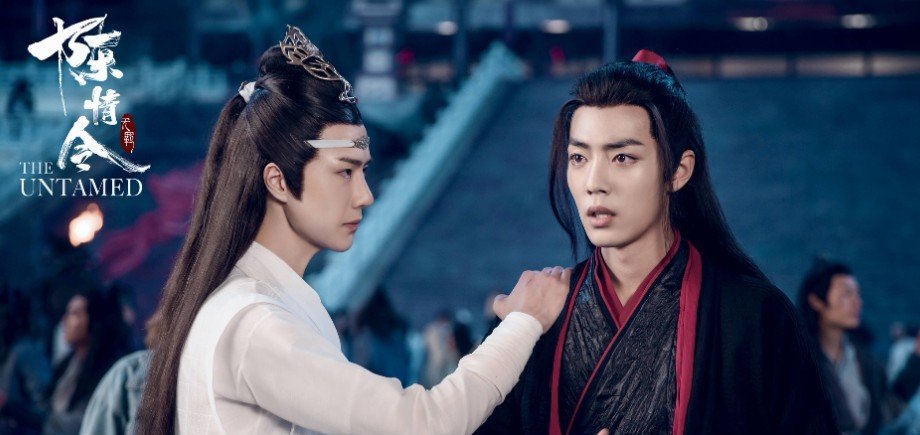

Chapter 17: Conclusion — Why The Untamed Rewards Endless Rewatching
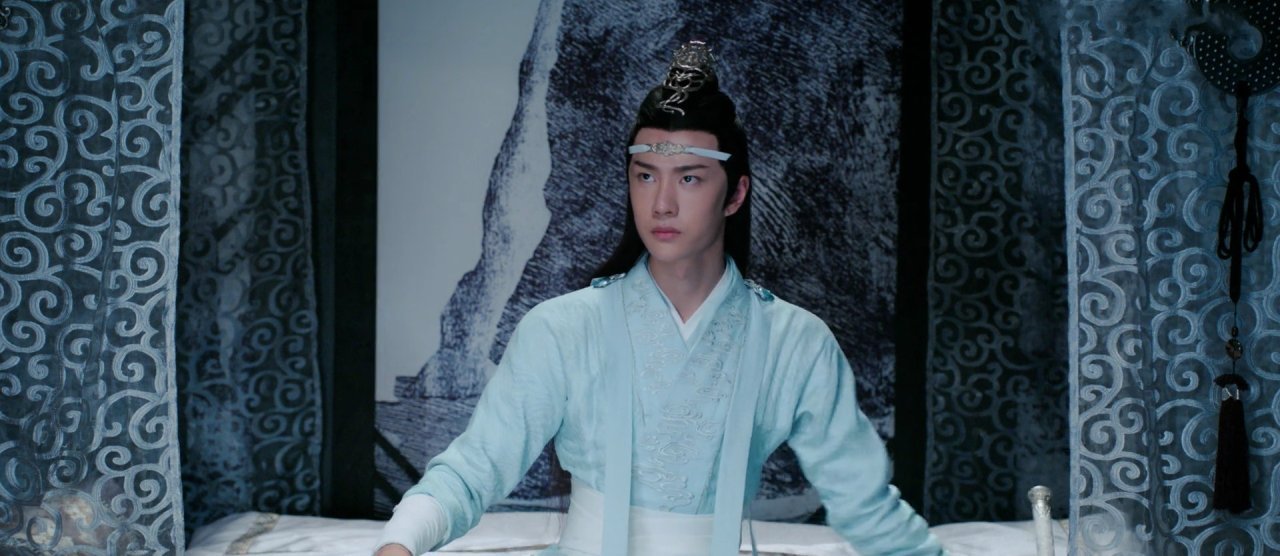
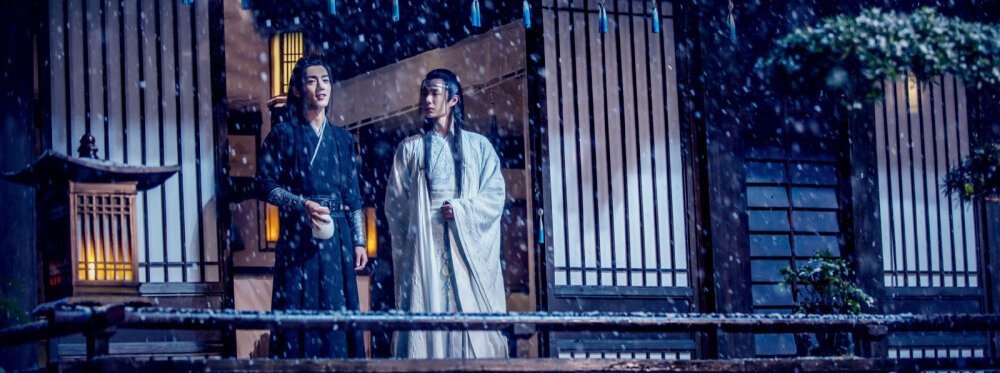
Years after its release, The Untamed continues to captivate audiences because it offers far more than a typical fantasy storyline. Beneath the cultivation battles and political conflicts lies a carefully layered emotional narrative filled with symbolism, restraint, and unforgettable character growth. More importantly, The Untamed foreshadowing transforms every rewatch into an entirely new experience.
What first appears to be a straightforward emotional scene often reveals hidden meaning later. A quiet glance suddenly becomes heartbreaking. A musical theme gains emotional significance. Even background details begin reflecting future tragedy, loyalty, or emotional transformation. That level of narrative precision explains why fans continue analyzing the series long after finishing it.
Readers who enjoyed this analysis may also love The Untamed legacy and cultural impact and The Untamed global fandom phenomenon.
How The Untamed Changed Modern Xianxia Storytelling
Traditional xianxia dramas often emphasize destiny, mythology, and large-scale fantasy spectacle. The Untamed, however, brought emotional realism and psychological depth into the genre in a way that resonated globally.
Several storytelling elements helped the drama stand out:
- Emotionally layered foreshadowing
- Morally complex characters
- Symbolic visual storytelling
- Music-driven emotional memory
- Strong fandom participation and analysis
Rather than dividing characters into clear heroes and villains, the series explores grief, loyalty, fear, and social pressure with emotional nuance. Wei Wuxian’s journey especially reflects this complexity. His story becomes tragic not because of supernatural power alone, but because society repeatedly misunderstands compassion that challenges tradition.
Lan Wangji’s emotional restraint also helped redefine romantic storytelling within fantasy dramas. Instead of dramatic declarations, the relationship develops through trust, sacrifice, and emotional constancy. Modern audiences often connect more strongly with this understated emotional approach because it feels deeply authentic.
According to fandom culture studies, emotionally layered narratives generate stronger long-term audience communities because viewers continue interpreting symbolism and character motivations together. The Untamed became a perfect example of this phenomenon.
📖 Extended reading: explore The Untamed evolution of xianxia culture and The Untamed vs the original novel.
Why Fans Continue Returning to the Story
One reason The Untamed foreshadowing remains so widely discussed involves the emotional reward of rewatching. Every revisit reveals new symbolic patterns, emotional parallels, and hidden narrative clues that initially felt invisible.
Fans frequently rediscover details such as:
- Repeated musical motifs tied to emotional memory
- Costume symbolism reflecting psychological growth
- Dialogue with hidden future meaning
- Silent emotional reactions that foreshadow later events
Modern fandom communities strengthened this experience even further. Through online discussions, reaction videos, symbolic essays, and scene analysis, viewers transformed the series into a collaborative emotional journey rather than a one-time viewing experience.
Compared with heavily promotion-driven television franchises, The Untamed achieved lasting popularity largely through audience passion and emotional interpretation. Fans became emotionally invested not only in the characters, but also in uncovering hidden meaning together.
🎬 Explore more in this YouTube clip – Click to watch
👉 Want to see the full behind-the-scenes? Watch the video here
For even more fandom insights, readers should check out BJYX fandom explained and Why fans still can’t let go of The Untamed.
Final Thoughts on The Untamed Foreshadowing
Ultimately, the brilliance of The Untamed lies in its emotional trust. The drama never forces audiences toward one interpretation. Instead, it quietly invites viewers to notice details, connect emotional patterns, and grow alongside the characters.
Every symbolic object, musical cue, and silent interaction contributes to a larger emotional design. That careful storytelling creates lasting emotional resonance long after the final episode ends.
More than anything, The Untamed foreshadowing proves that great storytelling does not depend on constant spectacle. Sometimes the most unforgettable emotional moments emerge through silence, symbolism, memory, and the hidden meaning waiting beneath the surface.
Fan-Favorite Collectibles & Gifts