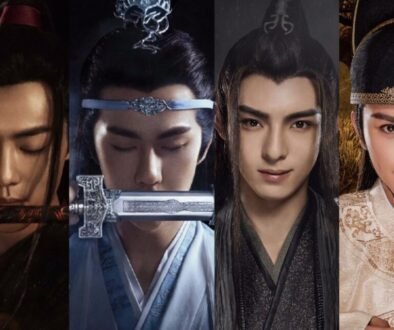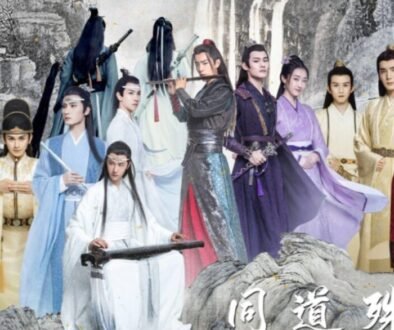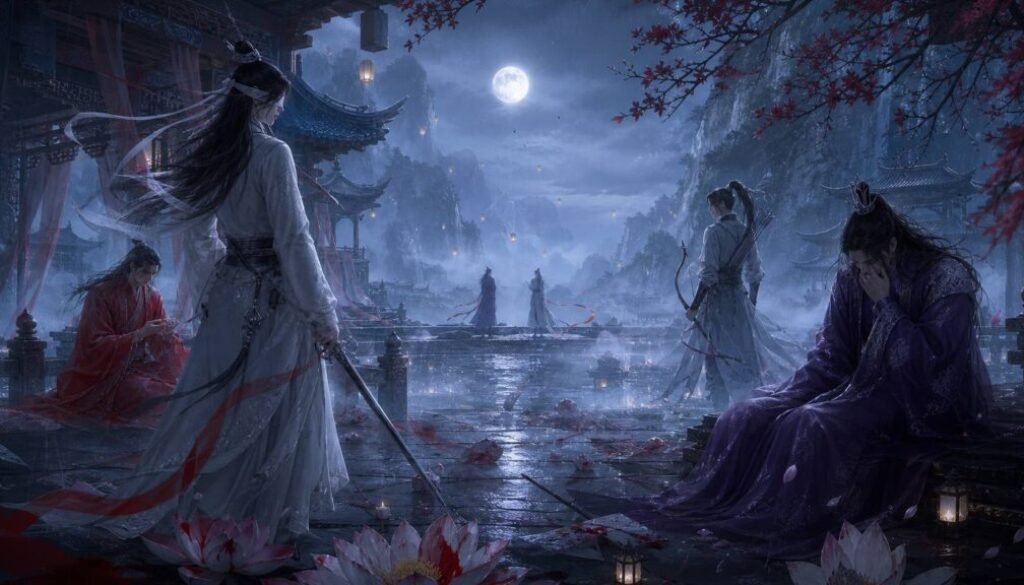
The Untamed Characters Who Deserved Better: 8 Tragic Fates
Why Unresolved Character Fates Linger
The Untamed characters who deserved better do not stay with us simply because their stories are sad. Tragedy alone can shock, then fade. These characters linger because the drama gives us just enough evidence of the life they might have lived. A bowl of soup suggests a home. A shared road promises companionship. A hesitant glance hints at an apology that never arrives. The missing future becomes more vivid than the ending itself.
The Untamed Characters Who Deserved Better Had Futures We Could See
A death can close a plot. An interrupted possibility opens a wound.
The drama repeatedly lets tenderness appear in ordinary details before breaking it apart. That choice matters. We are not mourning abstract justice; we are mourning specific mornings, conversations, and reunions that the characters almost reached. The pain feels intimate because the lost future never needed to be grand. Xiao Xingchen and Song Lan needed a road. Jiang Yanli and Jin Zixuan needed time. Wen Ning needed ownership of his own body and name.
This is where Character Fate Analysis in The Untamed: Hidden Meanings becomes useful. Fate in the drama rarely behaves like a distant supernatural rule. It grows from reputation, silence, fear, and choices made under impossible pressure. What looks inevitable often began as something preventable.
Moral Grayness Keeps the Debate Alive
Clear villains create anger. Complicated harm creates conversation.
Even years later, viewers disagree about where responsibility begins. Was a character destroyed by one person, by a clan system, by war, or by the terrible timing of a truth? The answer often changes depending on whose pain we center. That elasticity keeps the drama alive. Rewatching does not merely remind us what happened; it rearranges our sympathies.
The layered approach described in The Untamed Character Analysis: 12 Hidden Insights explains why a second viewing can feel like meeting different people. A proud expression begins to look defensive. Silence starts to resemble fear. Loyalty that once seemed simple acquires a cost.
Small performance choices deepen that effect. A hand pauses before reaching out. Someone looks toward an empty doorway after the conversation has moved on. Production details can reveal how carefully those emotions were built, which makes it rewarding to revisit an unforgettable behind-the-scenes moment after a rewatch.
Survival Is Not the Same as Closure
The drama understands something painfully true: surviving does not guarantee resolution. Jiang Cheng lives. Lan Xichen lives. Wen Ning continues. Yet each carries an absence that the finale cannot tidy away.
That is why “who deserved better?” produces different answers from “who suffered most?” The first question asks about agency, recognition, and the chance to become someone beyond pain. A living character may remain more unresolved than a dead one because they must keep negotiating with the ruins.
Perhaps this is the secret behind the drama’s emotional longevity. The story stops, but the characters seem to continue just outside the frame. We imagine what comes next because their emotional journeys resist a clean ending. The Untamed characters who deserved better remain vivid precisely because the series trusts us to feel the unfinished space.
And no unfinished space hurts quite like the road through Yi City.
Another reason these fates endure is the drama’s refusal to reward goodness on schedule. A kind act may matter years later, after the person who performed it can no longer witness the result. That delayed moral recognition frustrates viewers, yet it also creates hope. The world inside the story fails these characters; the audience does not have to repeat that failure. Each rewatch becomes an act of noticing what other characters overlooked.
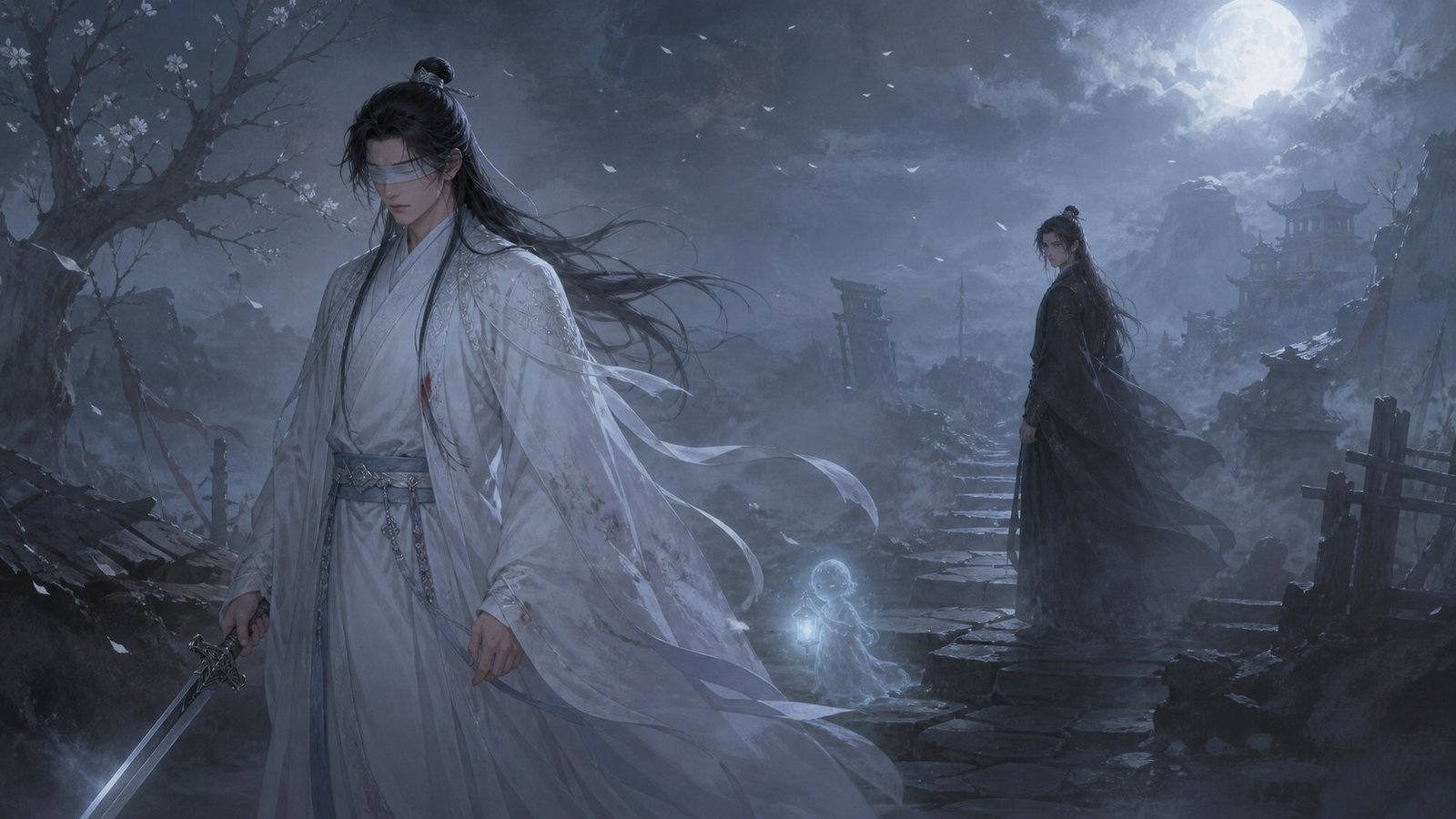
Xiao Xingchen and Song Lan — The Road That Never Reunited
Yi City feels different from the rest of The Untamed. The air seems thinner there. Laughter carries an echo, domestic warmth feels borrowed, and every gentle moment arrives with the knowledge that it cannot last. Fans do not return to this arc because they need the plot explained. They return because the emotional structure is almost unbearably precise.
A Shared Ideal Becomes a Lost Home
Xiao Xingchen and Song Lan first represent a beautiful possibility: choosing principle over power and companionship over clan ambition. Their dream is not a throne or title. It is freedom to walk together and help where help is needed.
That simplicity makes the loss enormous. When they separate, the road itself becomes a symbol. Each journey after that feels incomplete, as if the landscape remembers the person who should be walking beside them. The tragedy does not erase their shared ideal; it traps that ideal in the conditional tense.
The broader emotional context in Saddest Characters in The Untamed: 10 Heartbreaking Stories helps explain why Xiao Xingchen so often appears near the top of fan discussions. His kindness is not naïveté alone. It is an active belief that the world can still respond to goodness. Yi City punishes that belief without proving it foolish.
Trust Is the Cruelest Weapon in Yi City
On a first watch, the arc can feel driven by deception. On a rewatch, trust becomes the sharper subject.
Xiao Xingchen’s blindness carries obvious visual symbolism, yet the story refuses the easy lesson that he simply failed to see. His deeper vulnerability is moral: he cannot imagine that companionship might be built from sustained cruelty. The home he creates becomes real to him, and that reality gives betrayal its power.
Fans often notice how domestic rhythm softens the city before the truth arrives. Meals, teasing, errands, and familiar footsteps turn a haunted place into something almost safe. Those details do not delay the tragedy. They create the life that will be lost.
A-Qing matters here as more than a witness. Her suspicion and affection occupy the same small space. She sees danger, but she also participates in the fragile home. Her presence makes the betrayal communal rather than private. The Untamed Hidden Details: 10 Secrets You Missed offers a useful companion for viewers who want to revisit the gestures, framing, and repeated objects that make this arc grow heavier each time.
Song Lan Inherits the Unfinished Journey
Song Lan’s fate may be the quieter devastation. He arrives carrying truth, grief, and the possibility of reunion, only for that possibility to become another weapon. Afterward, movement itself becomes a form of mourning.
Some viewers interpret his final journey as hope. Others see an endless sentence: preserving what remains while waiting for a soul that may never return. Both readings can coexist. That ambiguity is why the arc refuses to close.
The actors’ ability to balance gentleness and dread makes Yi City feel lived rather than merely tragic. A behind-the-scenes glimpse of The Untamed’s production can make the finished atmosphere even more striking; warmth on set transforms into one of the drama’s coldest emotional landscapes.
Would a reunion heal everything? Probably not. That is not the point. Xiao Xingchen and Song Lan deserved the chance to decide what came after betrayal. A-Qing deserved to grow beyond survival. Their tragedy lies not only in death or separation, but in stolen choice.
Among The Untamed characters who deserved better, Yi City’s wanderers remain impossible to forget because their dream was so modest: walk the same road, do some good, and come home to people they trusted. The next story carries a similar cruelty—kindness judged not by action, but by a name.
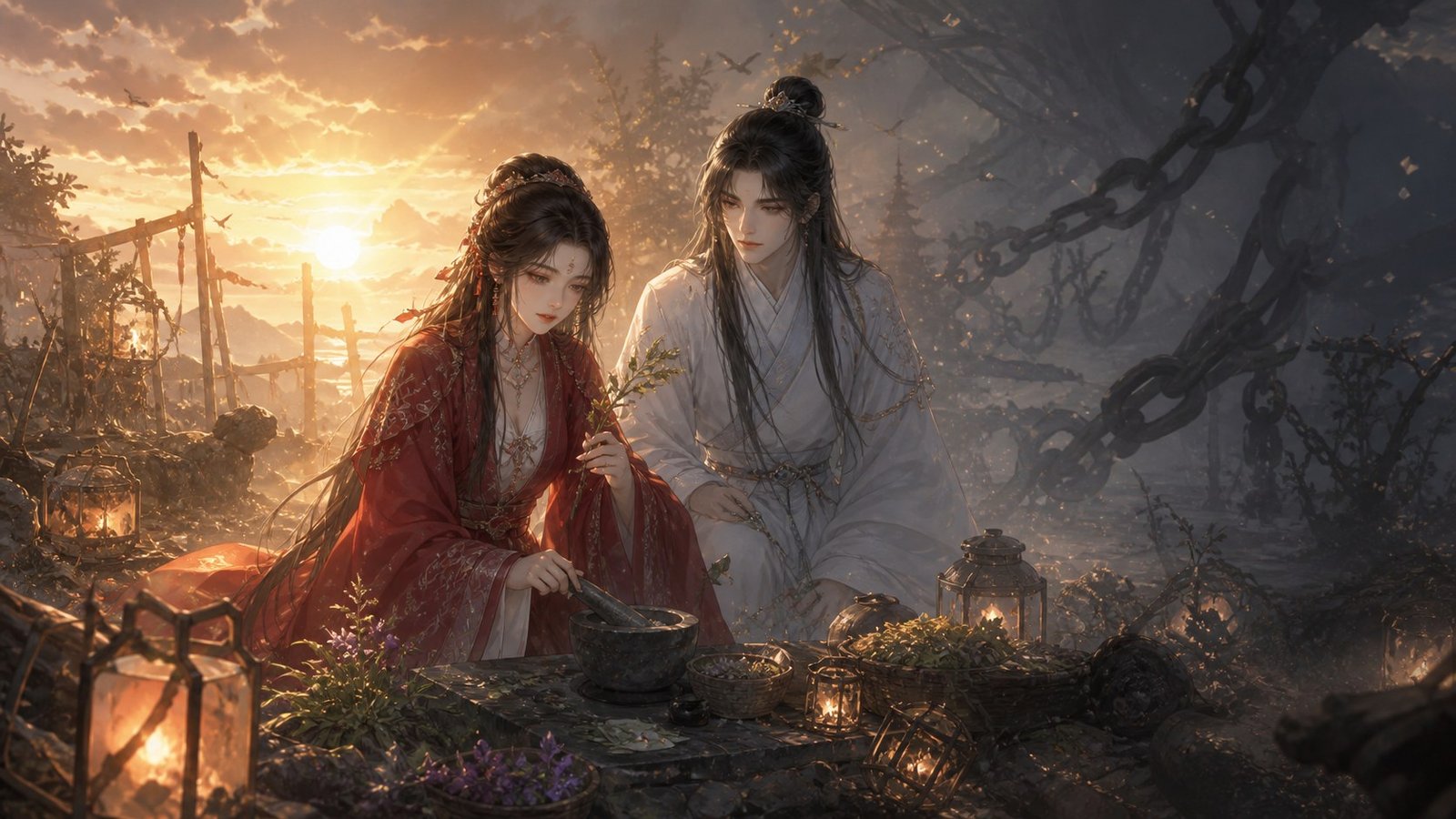
Wen Qing and Wen Ning — Kindness Punished by the World
The Wen siblings expose the ugliest habit in The Untamed’s world: turning identity into a verdict. Wen Qing and Wen Ning make choices rooted in compassion, yet the cultivation world reads their surname before it reads their actions. Their pain feels especially unjust because the drama never hides the evidence of who they are.
Courage and Gentleness Take Different Forms
Wen Qing’s strength arrives with sharp edges. She understands danger, calculates risk, and keeps emotion under control because emotion cannot protect the people who depend on her. Wen Ning moves differently. His gentleness appears hesitant, but it is not weak. When courage asks something of him, he acts.
Together, they challenge the idea that bravery has one voice. Wen Qing commands; Wen Ning persists. One protects through decisiveness, the other through loyalty. Their bond gives both characters emotional scale beyond their service to the central heroes.
The clan dynamics explored in The Untamed Clans Explained: Rivalries, Loyalty, and Tragedy show why their choices matter so much. In a system obsessed with collective honor, individual goodness becomes inconvenient evidence. A righteous society should change its judgment when confronted with truth. This one protects its judgment instead.
The Body as a Symbol of Stolen Agency
Wen Ning’s transformation creates one of the drama’s most haunting contradictions. He survives, yet other people repeatedly define what that survival means. Weapon. Monster. Evidence. Threat.
Rarely does anyone ask what he wants.
That absence gives his story lasting force. His body becomes contested territory, while his personality remains recognizably gentle. The contrast exposes how quickly fear turns a person into a category. Viewers often defend him with unusual tenderness because the performance never lets power erase vulnerability.
Wei Wuxian’s intervention is compassionate, but it also raises difficult questions about rescue and agency. Their relationship carries loyalty, gratitude, guilt, and an imbalance neither man fully chose. Wei Wuxian Character Study: 7 Traits of Mo Dao Zu Shi’s Hero offers another angle on the instinct to save others even when every available choice carries harm.
Wen Qing Refuses to Become a Convenient Victim
Wen Qing’s final decisions can look inevitable only because the world leaves her so few paths. Yet she never feels passive. Her courage survives even when hope does not.
That distinction matters to fans. The drama does not ask us to admire suffering for its own sake. It asks us to notice the moral failure that made sacrifice seem like the only honorable option. Wen Qing pays for crimes she did not commit because punishment needs a recognizable name.
On rewatch, her controlled expressions become devastating. She rarely has the luxury of collapse. Love appears in instructions, medical care, and the refusal to burden Wen Ning with fear. Her restraint makes every crack in that control feel enormous.
Among The Untamed characters who deserved better, the siblings represent more than unfair punishment. They represent the possibility that kindness can survive inside a condemned identity—and the shame of a world that notices too late.
Their story also changes the emotional meaning of family. Blood does not guarantee safety, but devotion can still create it. That idea leads us toward another family whose ordinary future becomes one of the drama’s most painful absences.
Their visual contrast reinforces the same idea. Wen Qing’s red carries urgency, discipline, and open defiance, while Wen Ning often appears softer, almost as though the frame itself wants to protect him. Together they embody two responses to danger: confront it clearly or endure it without surrendering kindness. Neither strategy saves them from prejudice. That failure belongs to the society around them, not to the siblings’ character.
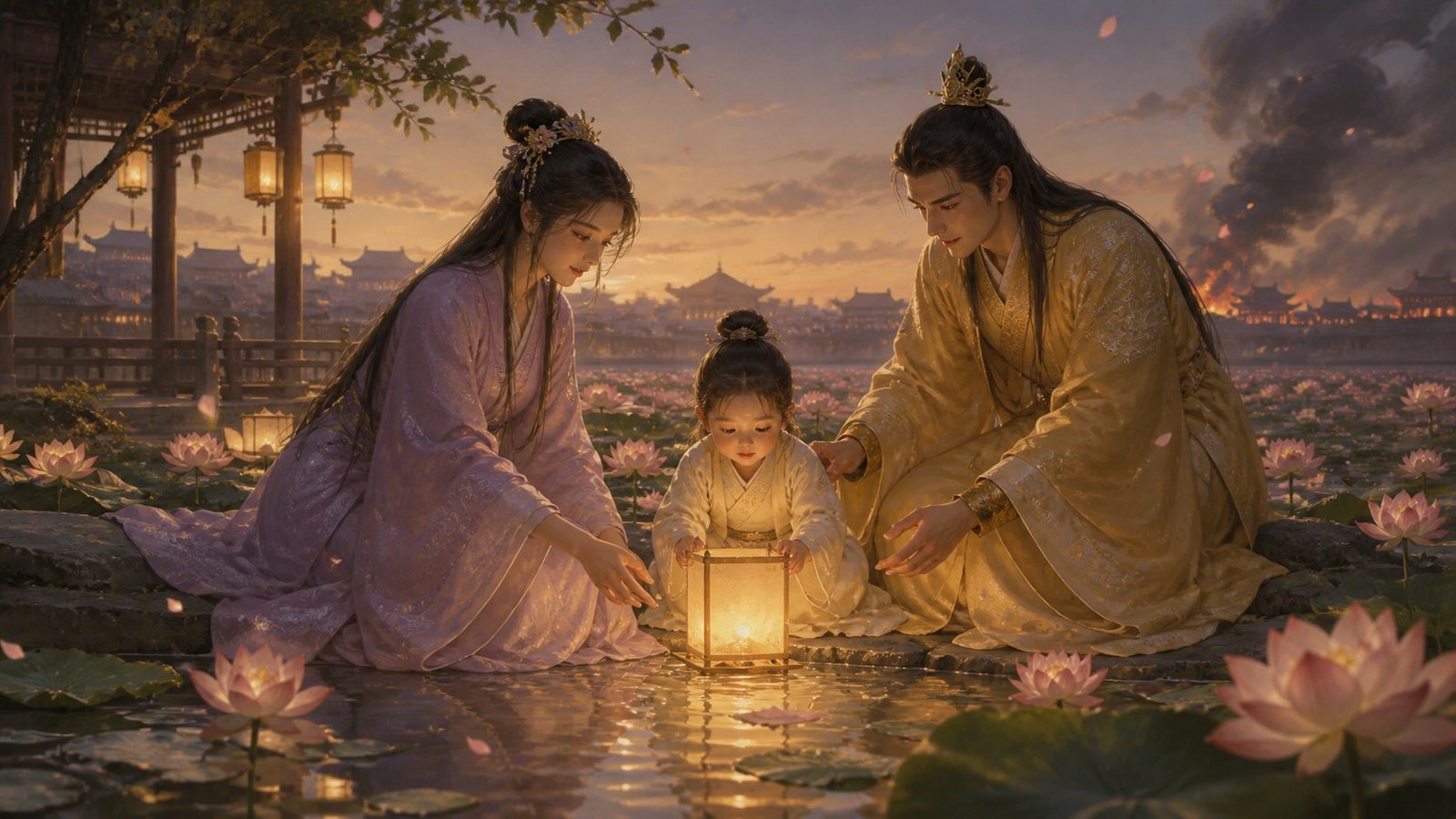
Jiang Yanli and Jin Zixuan — A Family Future Stolen Too Soon
Not every lost future in The Untamed involves grand ideals. Sometimes the deepest grief lives in a nursery that will never be used, a meal that will not be shared, or a child growing up with stories instead of parents.
Jiang Yanli and Jin Zixuan hurt because happiness had finally become believable.
Ordinary Love Feels Revolutionary
Their relationship begins with misunderstanding, pride, and the weight of arrangements made by other people. What gives it emotional power is not instant perfection but earned softness. Jin Zixuan learns to express care. Jiang Yanli allows herself to hope. The shift feels awkward, sincere, and wonderfully human.
Fans often remember soup when they remember Jiang Yanli. That humble symbol carries enormous emotional weight. Cooking becomes her language of reassurance: I saw your pain, I made something warm, you still have a place at my table. In a world filled with swords and status, nourishment becomes radical.
The emotional patterns collected in Most Heartbreaking Moments in The Untamed That Fans Still Feel show why domestic images can hurt more than spectacle. We understand the battle losses, but the memory of warmth tells us exactly what disappeared.
Jin Zixuan’s Growth Arrives Just in Time to Be Lost
Jin Zixuan is easy to misread early on. Pride makes him clumsy, privilege limits his perception, and embarrassment often speaks before sincerity. Growth changes him without turning him into someone unrecognizable.
That matters. His love becomes moving because it has to pass through self-correction. He learns to choose vulnerability over performance. The man who once struggled to communicate creates a space where Jiang Yanli can imagine belonging.
On rewatch, his happiest scenes carry a shadow. Viewers notice every nervous gesture and failed attempt to appear casual because they know how little time remains. The Untamed Intense Moments: Top 15 Scenes captures the drama’s talent for making emotional pressure visible before violence arrives.
A behind-the-scenes look at one of the drama’s memorable productions also reminds us how carefully performance, costume, and setting transform a brief family moment into lasting fandom memory.
Jin Ling Grows Inside the Absence
The couple’s tragedy continues through Jin Ling. He embodies the future they created and the childhood they could not protect. Every adult around him carries a different piece of the story, yet none can restore the ordinary love he lost.
Jiang Cheng’s fierce guardianship cannot replace a mother’s gentleness. Clan privilege cannot replace a father’s recognition. Even the truth, when it arrives, cannot give Jin Ling the memories he should have made himself.
This is why Jiang Yanli and Jin Zixuan belong among The Untamed characters who deserved better. Their ending does not only remove two lives; it changes the emotional architecture of everyone who survives them. Wei Wuxian’s guilt deepens. Jiang Cheng’s grief hardens. Jin Ling inherits anger before he understands its source.
Fans do not need a flawless romance to mourn them. We mourn the chance to become a family in full—messy, affectionate, occasionally awkward, and alive. Their lost future feels painfully close to real life, where happiness often becomes most visible at the moment it is interrupted.
From that empty family space, the story turns toward the person left standing at its center: Jiang Cheng, carrying love like a secret and grief like a weapon.
Fandom’s attachment to them also challenges the idea that only epic love stories deserve attention. Their most moving promise is ordinary continuity. They might have disagreed over small things, learned parenthood together, and grown less awkward with time. Precisely because those possibilities are unremarkable, they feel real. The series teaches us to mourn not only heroic destinies but also breakfasts, birthdays, and the slow comfort of becoming familiar.
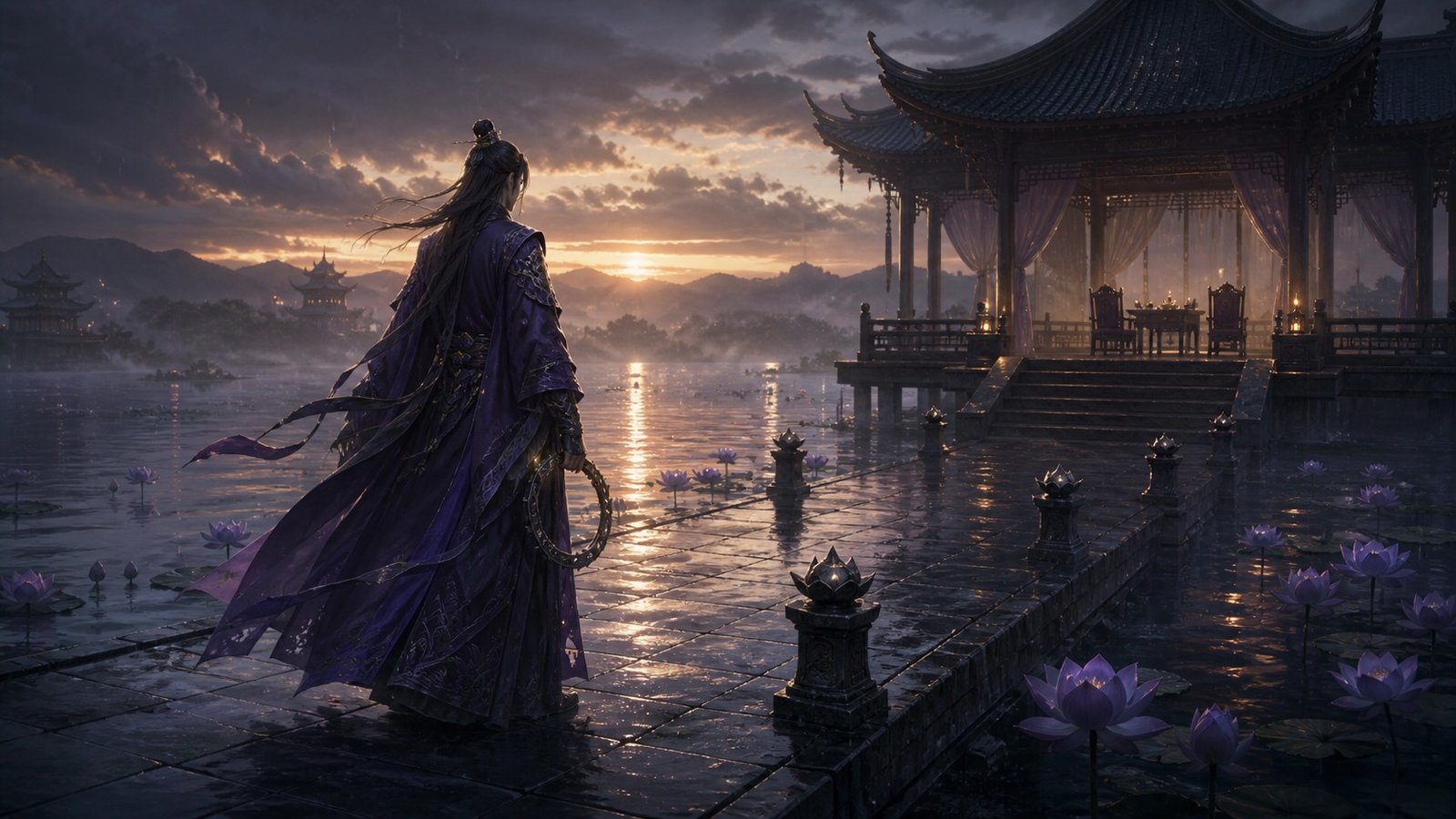
Jiang Cheng — The Grief He Never Learned to Say
Jiang Cheng may be the fandom’s most exhausting argument and one of its richest characters. Every defense of him meets an accusation; every accusation encounters a wound. That friction is not a flaw. It reflects the character himself—proud, loyal, furious, frightened, and almost incapable of asking anyone to stay.
Anger Becomes the Language of Abandonment
Jiang Cheng experiences loss as a sequence. Home. Parents. sister. brother, at least in the form he understood. Each rupture teaches him that tenderness offers no protection.
So he turns grief outward.
Anger gives structure to feelings he cannot safely name. It lets him command when he wants to beg, punish when he wants an explanation, and preserve dignity when abandonment threatens to define him. Viewers who dislike him see the damage this causes. Viewers who sympathize see the panic underneath. Both are right.
Character Growth Comparison: The Arcs Fans Still Debate helps frame that disagreement without reducing it to a verdict. Growth in The Untamed does not always look like becoming gentler. Sometimes it appears as the slow recognition that survival built around resentment has a cost.
Love Without Communication Still Wounds
The bond between Jiang Cheng and Wei Wuxian carries childhood intimacy, rivalry, obligation, and incompatible ideas of sacrifice. Each believes he has protected the other. Neither understands the full shape of what the other gave up until the damage has settled.
Their relationship hurts because love exists throughout the conflict. If they felt nothing, the arguments would lose their heat. Every accusation contains history. Every silence contains a sentence that might have changed something.
The wider patterns explored in The Untamed Relationship Analysis: 7 Powerful Insights show how the drama treats relationships as living systems rather than fixed labels. Brother, rival, leader, subordinate—Jiang Cheng and Wei Wuxian occupy all of these roles, sometimes in the same conversation.
On rewatch, viewers often focus less on who was correct and more on what neither could say. Gratitude arrives without language. Apology stalls behind pride. The golden core revelation offers truth, but not repair. Information cannot undo years spent interpreting love as betrayal.
Survival Leaves Him With the Hardest Work
Jiang Cheng survives to rebuild Lotus Pier, raise Jin Ling, and carry a name nearly destroyed. Those achievements deserve recognition. They also become armor.
Leadership gives him purpose, yet it limits where vulnerability can appear. The child who feared being left behind grows into the adult everyone expects to stand firm. Strength becomes both accomplishment and prison.
Does he deserve forgiveness? The more interesting question may be whether he can imagine a self not organized around injury. Fans continue debating him because the finale offers possibility without comfort. He knows more. He says less. The river between him and Wei Wuxian narrows, but no bridge appears on screen.
Among The Untamed characters who deserved better, Jiang Cheng presents a complicated case. He makes choices that hurt people. He also grows inside circumstances that reward hardness and punish emotional honesty. A better ending would not erase accountability. It would give him the chance to speak before another goodbye turns permanent.
His unresolved grief prepares us for another survivor who retreats after truth destroys the person he trusted most. Lan Xichen’s silence looks gentler than Jiang Cheng’s anger, but the emotional isolation may be just as severe.
His physical stillness often reveals what dialogue conceals. A tightened jaw or delayed turn can carry the argument he refuses to voice. Those choices invite viewers to read him closely, sometimes too generously and sometimes too harshly. The healthiest interpretation leaves room for both empathy and consequence. Pain explains his defenses; it does not erase the harm they cause. That tension keeps him human instead of turning him into a symbol.
Lan Xichen and Jin Guangyao — Trust After the Truth
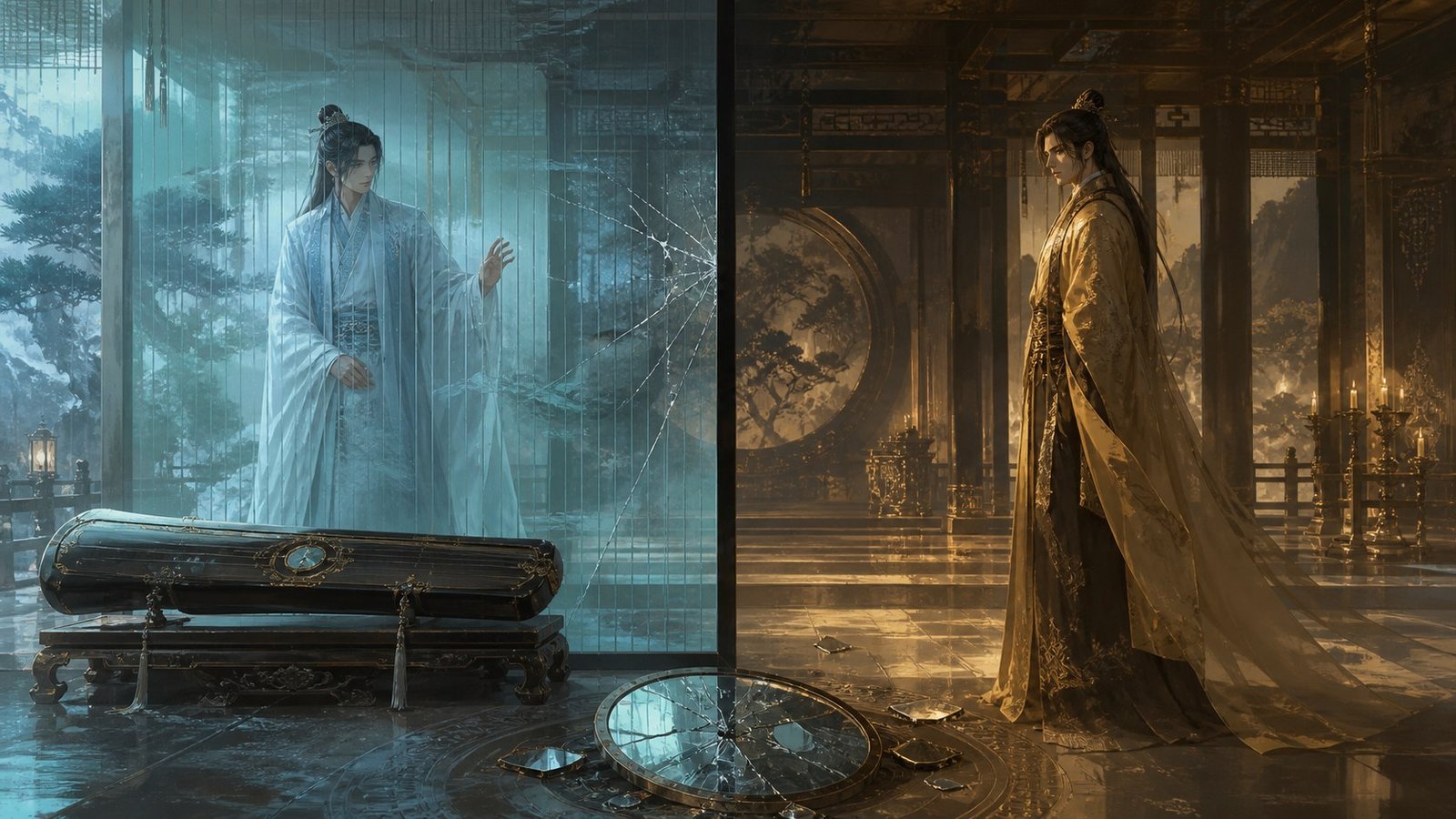
Lan Xichen and Jin Guangyao inspire a quieter kind of heartbreak. Their relationship lives in pauses, courtesy, music, and the belief that one person can know a self the rest of the world refuses to see.
Then trust becomes evidence.
Recognition Creates an Emotional Sanctuary
Jin Guangyao spends much of his life negotiating contempt. Politeness becomes armor; usefulness becomes protection. Lan Xichen offers something rarer than approval: recognition without immediate humiliation.
That bond matters even when viewers disagree about its nature. Some read profound friendship. Others see romantic subtext, political intimacy, or mutual idealization. Each interpretation begins from the same emotional fact—Jin Guangyao feels seen, and Lan Xichen believes his seeing is accurate.
The shifting motives examined in The Untamed Plot Analysis: 12 Shocking Twists help explain why later revelations feel personal rather than merely clever. A twist hurts most when it changes the meaning of tenderness that came before.
The Tragedy Is Not That Trust Was Foolish
It is tempting to treat Lan Xichen’s faith as naïveté. That reading feels too simple. Trust is not a moral failure simply because someone abuses it.
Lan Xichen’s tragedy lies in the collapse of his confidence that goodness can be recognized through closeness. If he misjudged the person he understood best, what does that say about every judgment he has made? Seclusion becomes more than grief. It becomes an identity crisis.
Jin Guangyao remains morally responsible for his choices, yet the drama refuses to make his desire for dignity meaningless. His intelligence, resentment, love, and cruelty coexist. Viewers argue because the character will not stay inside a comfortable category.
The planted visual and musical clues discussed in The Untamed Foreshadowing: 15 Hidden Clues Fans Missed make their scenes especially rewarding—and painful—on rewatch. Music promises harmony while carrying manipulation. Courtesy conceals calculation. A familiar smile begins to look like both affection and defense.
For another perspective on how those tonal contrasts were created, fans can revisit this piece of The Untamed behind-the-scenes history.
After Betrayal, What Remains Real?
The question haunting their relationship is not whether deception occurred. It did. The harder question asks whether deception invalidates every genuine feeling around it.
Lan Xichen’s final reaction suggests the answer is no. Betrayal wounds because something real existed to betray. Jin Guangyao’s last choices remain open to interpretation, but his attention never loses its emotional focus. Even at the end, recognition and manipulation occupy the same breath.
Among The Untamed characters who deserved better, Lan Xichen represents the cost of surviving a moral earthquake. Jin Guangyao represents a life shaped by injustice that eventually reproduces injustice. Neither deserves a simple acquittal. Both deserve analysis more honest than “fool” and “villain.”
A better ending for Lan Xichen would not restore ignorance. It would let him rebuild trust without believing compassion caused the tragedy. A better life for Jin Guangyao would have required intervention much earlier—before humiliation hardened into ambition without limits.
Their story asks whether understanding someone obligates forgiveness. The drama wisely offers no easy answer. Instead, it leaves a closed door, a silent instrument, and the sense that emotional truth can survive even when trust does not.
Yet some characters receive even less space for their truth. Their sacrifices enable the story, then nearly disappear inside it.
Their scenes also complicate the fandom’s desire for certainty. We want to identify the exact moment affection became strategy, but the boundary may never have been clean. Jin Guangyao could value Lan Xichen and still manipulate him. Lan Xichen could understand parts of Jin Guangyao while missing the whole. Emotional sincerity and deception can coexist, which makes the betrayal more disturbing than a relationship built entirely on lies.
Mo Xuanyu and A-Qing — The Lives Remembered Too Late
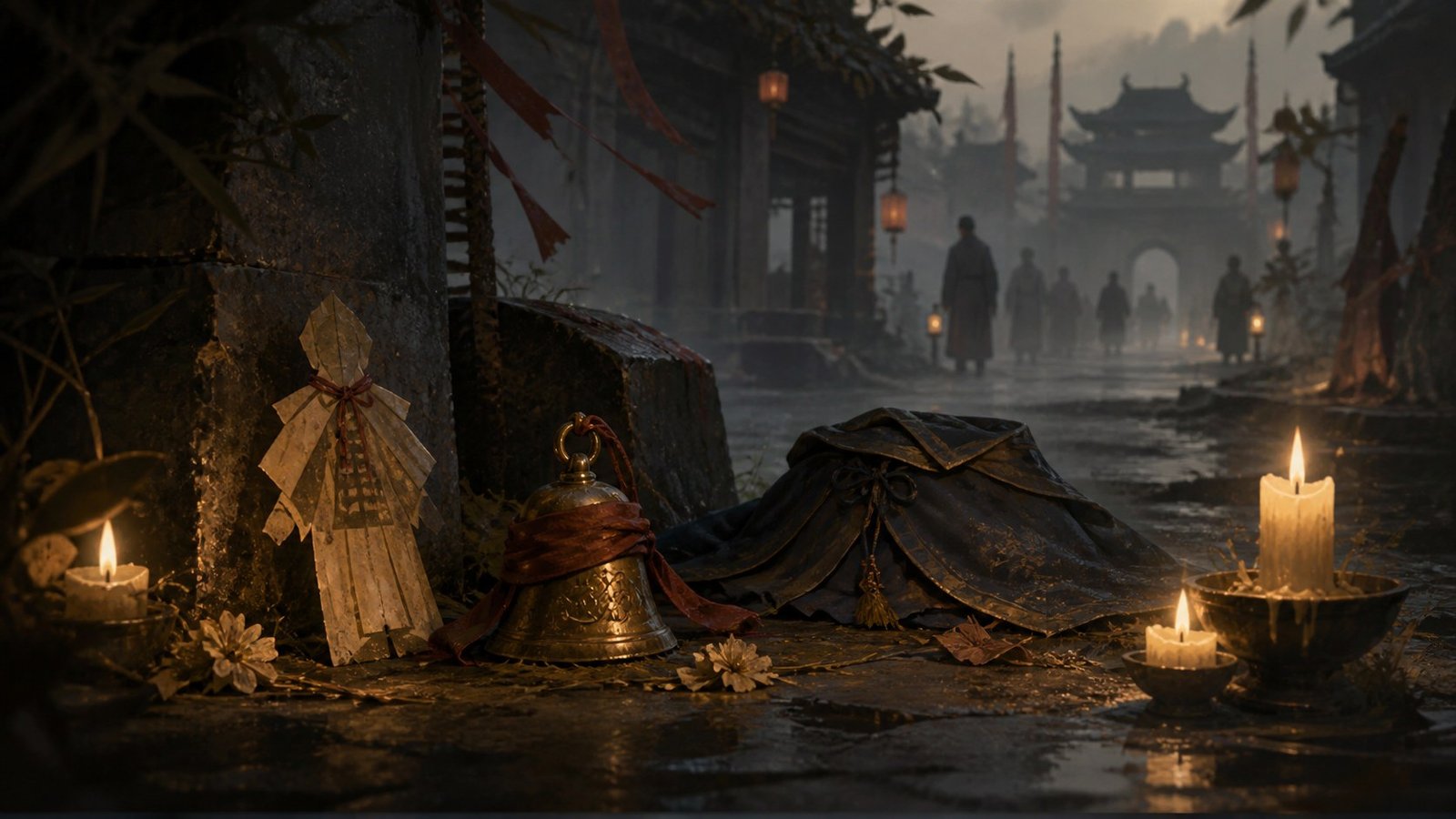
Some characters enter The Untamed as absences. We know them through consequences, borrowed bodies, recovered memories, or the grief other people carry. Mo Xuanyu and A-Qing reveal how easily a story’s emotional economy can depend on people who receive very little peace of their own.
Mo Xuanyu Gives Everything Before We Know Him
Mo Xuanyu’s sacrifice makes the main story possible, yet his own life reaches viewers in fragments. That narrative position creates discomfort. We benefit from his disappearance before we understand the person who disappeared.
The lack of a full portrait invites fandom interpretation. Was the sacrifice revenge, escape, desperation, or the last attempt to make suffering visible? The ritual contains anger, but anger does not cancel pain. His choice asks us to imagine what repeated humiliation can do when no trustworthy witness remains.
The Untamed Characters: Who’s Who in the Hit Drama helps place him within the series’ wide ensemble, yet no guide can solve the emotional absence at his center. That gap may be the point. Mo Xuanyu is what happens when a world decides someone is ridiculous before asking why he is hurting.
A-Qing Sees What Others Refuse to See
A-Qing’s performance of blindness becomes a form of power. She survives by allowing others to underestimate her, then uses observation with startling courage.
What makes her fate so painful is the combination of intelligence and youth. She recognizes danger early. She tries to protect the fragile home she has found. Still, the truth cannot save her when the adults around her remain trapped in deception.
Fans often remember her sharpness and humor alongside the horror. That balance matters. A-Qing is not merely an innocent victim placed in the story to increase sadness. She is funny, suspicious, resourceful, loyal, and brave. Grief should not flatten her personality.
The chronology in The Untamed Timeline Explained: 7 Secrets You Missed can help viewers understand how long consequences travel through the story. A-Qing’s testimony survives beyond her life. Her voice changes what can finally be known.
Fandom Memory Restores Narrative Weight
Minor characters often become major emotional anchors after a series ends. Fan art, essays, edits, and fiction give them the attention the plot’s momentum could not. That afterlife does not repair what happened, but it changes who gets remembered.
Mo Xuanyu inspires questions about bodily autonomy, reputation, and the ethics of benefiting from sacrifice. A-Qing inspires fierce affection because she sees clearly in a city built from misrecognition. Together, they expose a recurring truth in The Untamed: society often believes powerful people first and vulnerable people last.
Among The Untamed characters who deserved better, these two challenge the way we measure importance. Screen time cannot determine the value of a life. Proximity to the central romance cannot determine whether suffering matters.
Their unfinished stories also make fandom participation feel meaningful. Remembering becomes a small refusal to let the narrative world repeat its neglect. We name them. We argue for them. We imagine the futures the story denied.
That instinct brings us to the final debate. Once every loss is visible, can we honestly choose only one character who deserved a better ending?
Rewatching with them in mind changes the scale of the drama. Major confrontations begin to look different when we ask who paid for information, access, and second chances. Mo Xuanyu pays before the first episode’s central journey truly begins. A-Qing pays so truth can survive Yi City. Their contributions are structural, but their emotions remain personal. Remembering both prevents sacrifice from becoming a convenient mechanism without a human cost.
Who Truly Deserved a Better Ending?
Ranking pain feels wrong, yet fandom keeps returning to the question. The appeal does not come from treating tragedy as competition. It comes from discovering what our answer says about the kind of injustice we find hardest to accept.
Lost Future, Stolen Agency, or Missing Closure?
Xiao Xingchen and Song Lan represent a lost shared future. Wen Qing and Wen Ning reveal stolen agency under collective punishment. Jiang Yanli and Jin Zixuan embody ordinary family happiness interrupted. Jiang Cheng and Lan Xichen survive without the conversations that might release them from grief. Mo Xuanyu and A-Qing struggle even to receive full recognition.
Each form of loss reaches a different emotional nerve.
Readers who value justice may choose Wen Qing. Those who cannot bear corrupted innocence may choose Xiao Xingchen. Viewers focused on autonomy often return to Wen Ning or Mo Xuanyu. Anyone haunted by things left unsaid may find Jiang Cheng impossible to dismiss.
The emotional mechanisms explored in Why The Untamed Makes You Cry: 7 Emotional Reasons explain why the answer shifts with each rewatch. We bring new experiences to the same scenes. A family loss changes how we see Jiang Yanli. A broken friendship changes Lan Xichen. Regret makes Jiang Cheng’s silences louder.
The Character We Choose Reflects the Life We Fear Losing
Fandom debates can sound like arguments about canon, but emotion often drives them. We defend the character whose wound resembles something we recognize.
Maybe we fear being misunderstood like Wen Ning. Perhaps we know what it means to hide pain behind competence like Wen Qing. Some viewers understand Jiang Cheng’s inability to turn love into safe language. Others cannot forget A-Qing because they remember being the person who saw danger and could not make anyone listen.
That personal connection contributes to Why The Untamed Is So Addictive: The Magic Fans Can’t Forget. The drama leaves interpretive room without making emotion vague. Its symbols are specific enough to remember and open enough to inhabit.
This is also where keepsakes, fan art, and character-inspired clothing can become more than merchandise. They act as portable memory. Fans who enjoy expressing that connection can browse the Boxiao Store’s character-inspired collection without turning the discussion into a sales pitch; the meaning comes from the character attached to the object.
A Better Ending Does Not Need to Erase the Story
Wanting better for a character does not mean demanding a painless rewrite. Tragedy gives The Untamed much of its power. The deeper wish is for agency, recognition, or one honest moment before loss.
Give Xiao Xingchen the truth soon enough to choose. Give Wen Qing a world willing to judge deeds rather than blood. Give Jiang Yanli years of ordinary mornings. Let Jiang Cheng and Wei Wuxian speak without pride interpreting every sentence. Allow Lan Xichen to keep compassion without treating it as evidence of failure. Remember Mo Xuanyu before using what he left behind.
Who deserved better? The strongest answer may still be “all of them,” but not for the same reason.
The Untamed characters who deserved better remain emotionally unresolved because each exposes a different failure: prejudice, silence, manipulation, fear, or love delayed until it becomes regret. Choosing one character opens the conversation. Listening to why someone chooses another keeps it alive.
And that may be the most generous ending fandom can offer—refusing to let any of these lives shrink into a plot device.
The debate becomes most generous when it avoids proving one fan wrong. Someone who chooses Jiang Yanli may be mourning family; someone who chooses Lan Xichen may fear losing faith in their own judgment. Different answers do not weaken the analysis. They reveal how widely the story can hold human experience. The question works because it turns ranking into testimony: tell us which wound you recognized, and we understand a little more about you.
Frequently Asked Questions
Which of The Untamed characters deserved better the most?
There is no single objective answer, because each character represents a different kind of injustice. Xiao Xingchen and Song Lan lose a shared future, Wen Qing loses her life to collective punishment, and Jiang Cheng survives without emotional closure. The most revealing answer is often the character whose particular loss—agency, family, trust, or recognition—feels hardest for an individual viewer to accept.
Why is the Yi City arc considered one of the saddest parts of The Untamed?
The Yi City arc hurts because it briefly creates the possibility of an ordinary home before destroying it. Xiao Xingchen, A-Qing, and the person they trust develop familiar domestic rhythms amid a haunted setting. Once the truth emerges, viewers mourn more than betrayal or death; they mourn the modest future that Xiao Xingchen, Song Lan, and A-Qing never receive the freedom to choose.
Did Wen Qing and Wen Ning receive fair endings?
Their endings feel deeply unfair because the cultivation world judges their surname before their actions. Wen Qing repeatedly chooses compassion but is punished for crimes she did not commit. Wen Ning survives, yet others continue defining his body and identity for him. Together, the siblings expose how collective punishment can erase individual goodness and how survival without full agency can remain a form of suffering.
Why does Jiang Cheng still feel unresolved even though he survives?
Jiang Cheng survives the story, rebuilds Lotus Pier, and raises Jin Ling, but achievement never resolves the grief beneath his anger. His relationship with Wei Wuxian remains burdened by sacrifice, pride, and truths learned too late. The finale gives him greater understanding without the honest conversation that might create repair, leaving viewers to imagine whether he can eventually build an identity that is not organized around abandonment.
Was Lan Xichen wrong to trust Jin Guangyao?
Trust itself was not Lan Xichen’s moral failure. His tragedy comes from discovering that closeness did not allow him to see every part of someone he believed he understood. Jin Guangyao remains responsible for his choices, while Lan Xichen must confront the collapse of his own judgment. Their relationship stays compelling because genuine recognition and manipulation can coexist, making the betrayal more painful than a bond built entirely on lies.
Why do Mo Xuanyu and A-Qing matter despite having limited screen time?
Both characters make the larger story possible while receiving little opportunity to shape how others remember them. Mo Xuanyu’s sacrifice begins Wei Wuxian’s return, and A-Qing preserves the truth of Yi City through courage and observation. Their limited screen time strengthens the article’s central question: importance should not be measured only by narrative prominence, especially when vulnerable characters pay the cost that allows other people’s stories to continue.
Conclusion — The Characters We Keep Carrying
The Untamed does not stay powerful because every storyline closes perfectly. It stays powerful because certain emotions refuse closure.
Unfinished Does Not Mean Forgotten
Years after a first watch, a viewer may forget the order of political turns but remember the feeling of an empty pier. A blindfold in the fog. A sister carrying warmth into a room. A quiet man realizing trust no longer guarantees truth.
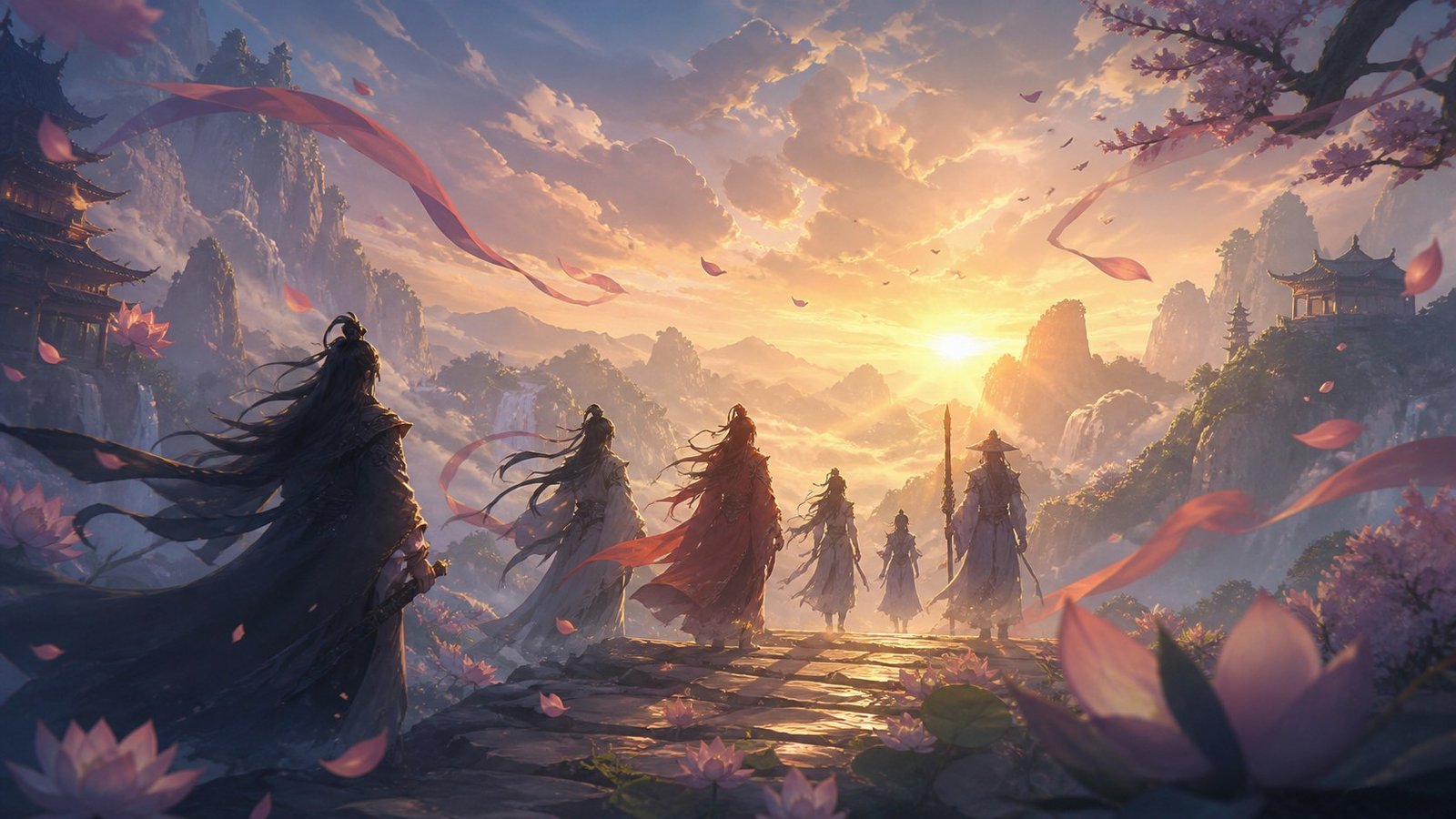
These images endure because they compress entire relationships into a single emotional symbol. The characters leave the screen, yet the objects remain: soup, bells, swords, ribbons, lotus petals, sealed instruments. Memory gives them motion.
The Untamed Legacy: Why It Still Matters in 2025 examines that continued resonance, while The Untamed Legacy of Xiao Zhan & Wang Yibo reflects how performance helped carry the story far beyond its original release.
Fandom Becomes the Place Where Futures Continue
Every discussion about who deserved better creates a small alternate future. Fan art lets the wanderers meet again. Fiction gives Jiang Yanli ordinary mornings. Video edits place Wen Qing’s courage at the center rather than the margins. Essays allow Lan Xichen, Jiang Cheng, Mo Xuanyu, and A-Qing to receive the attention silence denied them.
None of that changes canon. It changes remembrance.
That distinction matters. Stories do not belong only to the moment they air. They continue through the emotional work audiences perform afterward—questioning, reinterpreting, disagreeing, and sometimes forgiving.
The Final Answer Is Personal
For me, the hardest loss changes with the day. Yi City hurts when trust feels fragile. Wen Ning hurts when the world seems eager to name people before knowing them. Jiang Cheng hurts when love exists but language fails.
Your answer may be entirely different. That is the invitation.
Which character would you give one more choice, one honest conversation, or one ordinary year of happiness? The question has no official solution, only revealing answers. If you would like to support more reflective fandom work and future projects, you can visit the Ko-fi Community.
The Untamed characters who deserved better remain with us because their unfinished lives still ask something of the viewer: look again, judge more carefully, speak before it is too late, and remember the people whose pain the world almost overlooked.
The episode ends. The music fades. Somewhere in the imagination, though, a road remains open—and perhaps this time, everyone who was separated finally finds the way home.
Fan-Favorite Collectibles & Gifts