The Untamed Music Emotional Impact: Why Every Note Lingers
The Untamed music emotional impact begins inside the story
Music is part of the characters’ world
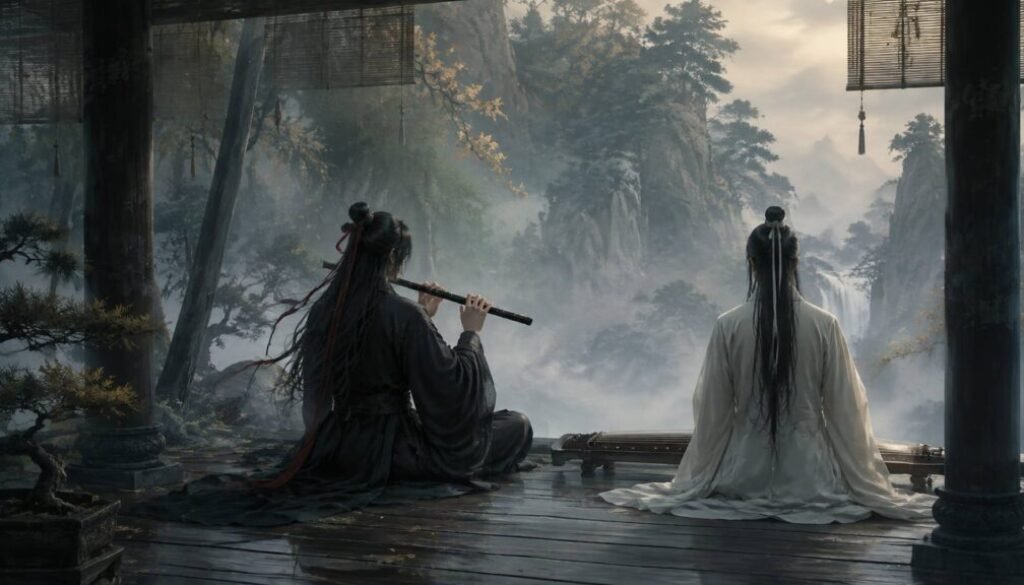
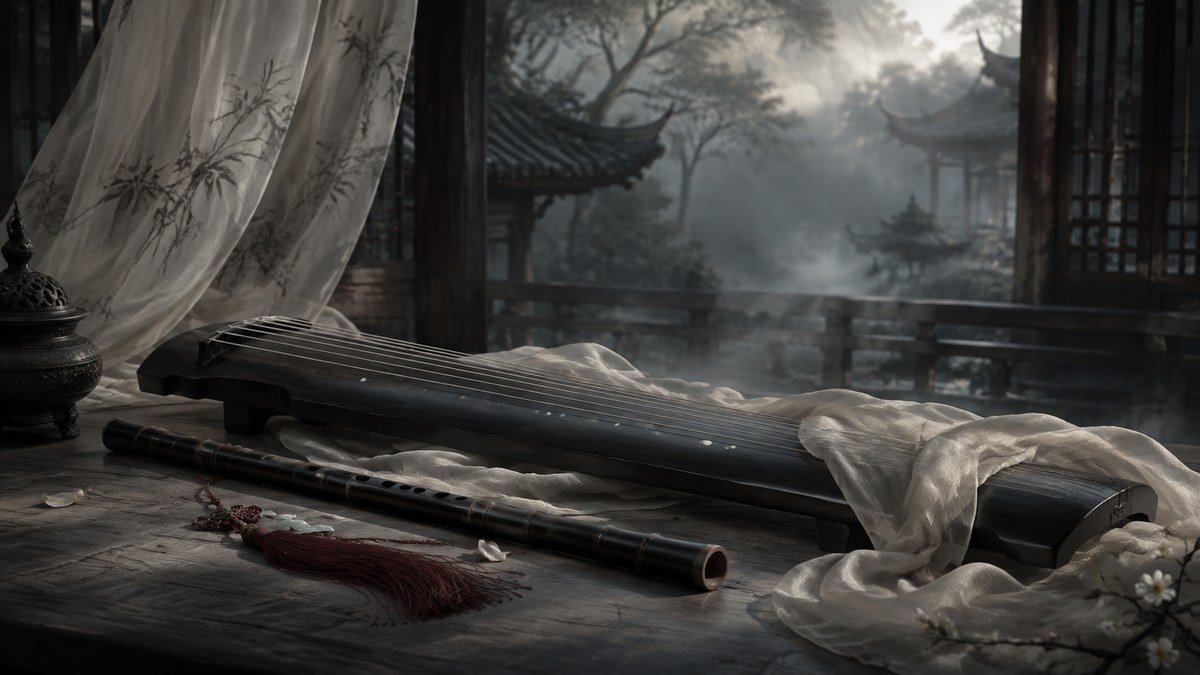
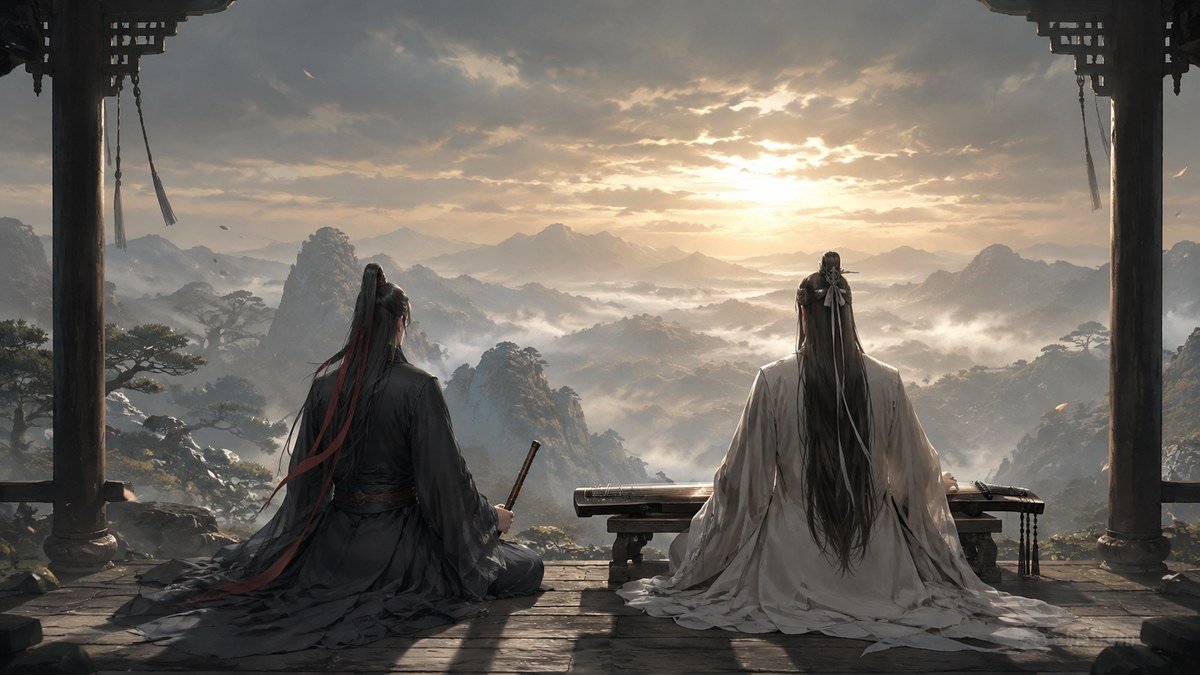
Music does not sit outside The Untamed as decoration. Instruments and melodies exist within the characters’ lives, so sound can function as action, memory, and communication. Wei Wuxian’s flute and Lan Wangji’s guqin give music a visible presence. When viewers hear an associated sound, they also remember posture, attention, and the circumstances surrounding it.
That connection makes the soundtrack unusually intimate. A melody may feel as though it belongs to a character before we know how to describe the association. Rather than telling us what to feel, it creates a space in which concern, recognition, and uncertainty can coexist.
The internal guide The Untamed Talismans and Artifacts: Hidden Meanings offers a broader look at story objects. With music, the useful question is simpler: what changes when an instrument becomes part of the emotional language rather than a background prop?
Sound can carry what dialogue leaves open
Some of the drama’s most affecting relationships depend on restraint. Music can hold that restraint without translating it into a blunt declaration. A phrase may accompany a look or a pause, but it does not reduce the moment to one answer. Viewers still participate by connecting the sound with what they know about the characters.
This openness matters for WangXian. A common fan reading treats music as a form of recognition between Wei Wuxian and Lan Wangji. That interpretation can be persuasive while remaining an interpretation. The soundtrack supports emotional continuity; it does not give us license to invent dialogue or claim undocumented intent.
WangXian Relationship Analysis: From Conflict to Devotion provides a character-centered companion. Listening alongside that development helps explain why the same musical idea can feel different as trust, separation, and reunion reshape our understanding.
Cultural texture shapes the listening experience
The drama’s instrumental world also supports its xianxia setting. The timbres associated with flute and guqin help distinguish this soundscape from a contemporary story. Listeners do not need specialist knowledge to notice that the instruments connect character, environment, and genre.
A recent academic study describes The Untamed as combining melodramatic expression with elements of Chinese cultural tradition. That broad observation helps explain why the score can feel both narratively direct and culturally textured. Still, the article does not assign a universal meaning to every instrument or phrase.
The Untamed music emotional impact begins where these layers meet: sound heard in a particular world, attached to characters viewers care about. Once that foundation is clear, “Wuji” becomes more than a memorable title theme—it becomes a doorway back into the relationship at the story’s heart.
Listen for function before assigning meaning
A practical rewatch begins by asking what the music does at that moment. Does it establish the world, draw attention to an instrument, connect two characters, or make a pause feel longer? Those functions are observable even when the exact production intention is unavailable. Only after identifying them should we propose an emotional meaning.
This order prevents every beautiful phrase from becoming a supposed secret code. It also makes strong interpretations easier to share. A reader can follow the path from sound to context to feeling, even when their final response differs. Music remains expressive because it is allowed to do several kinds of work.
Try noting the sound before naming the emotion. Is the passage sparse or full? Does a voice enter, or does an instrument remain alone? Does the music continue beneath dialogue or wait until speech has ended? Simple observations can explain why one scene feels inward while another opens outward. They also prepare the ear to hear how “Wuji” gathers associations across multiple versions.

Why “Wuji” feels like an emotional homecoming
A theme gathers memories over time
On a first listen, “Wuji” may simply register as the drama’s defining theme. After viewers know the story, the melody carries more. Each return brings accumulated memories of Wei Wuxian, Lan Wangji, and the choices that shape their bond. The music has not changed, but the listener has.
That is why replay can feel like homecoming. Recognition arrives before analysis. The opening shape of a familiar melody can restore an emotional atmosphere faster than a plot summary, allowing the relationship’s warmth and ache to occupy the same moment.
For readers who want a song-focused companion, WangXian lyrics Meaning and Music Explained examines the title song more directly. Here, the focus remains on how a recurring theme gathers personal associations without requiring every listener to experience it identically.
Duet and solo listening create different intimacy
The soundtrack circulates in duet, solo, choral, and instrumental forms. Those formats change the listener’s point of attention. A duet naturally foregrounds exchange, while a solo version can feel more inward. An instrumental version may make melody and memory more prominent because the words no longer guide each response.
None of these versions needs to replace the others. Their value lies in the different listening positions they offer. One may remind a fan of companionship; another may sharpen a sense of solitude. Personal preference is part of the song’s afterlife, not a test with one correct result.
The Untamed music emotional impact grows through this plurality. Fans can revisit the same thematic material from several emotional angles while still recognizing a shared core. That flexibility helps the theme travel beyond its original placement in the series.
The melody continues after the screen fades
A television theme becomes part of everyday life when listeners play it away from the episode. During a commute, while reading, or in a quiet room, the melody can reactivate the story without reproducing a specific scene. Memory edits its own sequence of images.
This personal montage explains why soundtrack attachment can be difficult to separate from character attachment. Listeners are not responding to sound alone; they are responding to the history they have built with it. The Untamed Emotional Aftermath: Why It Lingers explores that broader persistence.
The theme’s power does not depend on making extravagant claims about popularity. Its emotional usefulness is visible in the simple fact of return: viewers choose to listen again because the melody gives remembered feelings somewhere to live.
Lyrics and melody offer different paths
Words can guide listeners toward particular images and ideas, while melody shapes feeling through voice, movement, and return. International fans may encounter these layers in a different order: some fall for the tune first, then discover meaning through translation. That sequence can make a later reading of the lyrics feel like reopening a familiar room and noticing what was written on its walls.
No translation can remove every ambiguity. Word choices carry cultural and poetic shades that may not map neatly into English. Responsible discussion names the translation being used and avoids presenting one phrasing as the only possible version. The uncertainty does not weaken the song. It encourages curiosity and reminds listeners that emotional understanding can grow over time.
Melody also remains important after the words are known. An instrumental version can return attention to contour, pacing, and memory. A vocal version may bring character association closer. Moving between them reveals how “Wuji” functions as both a song and a recurring emotional idea.
Compare the versions on separate days as well as back to back. Mood and context influence what stands out, so a favorite may change without invalidating the response that came before. The song’s identity survives those shifts.
Character themes turn listening into recognition
A musical association creates expectation
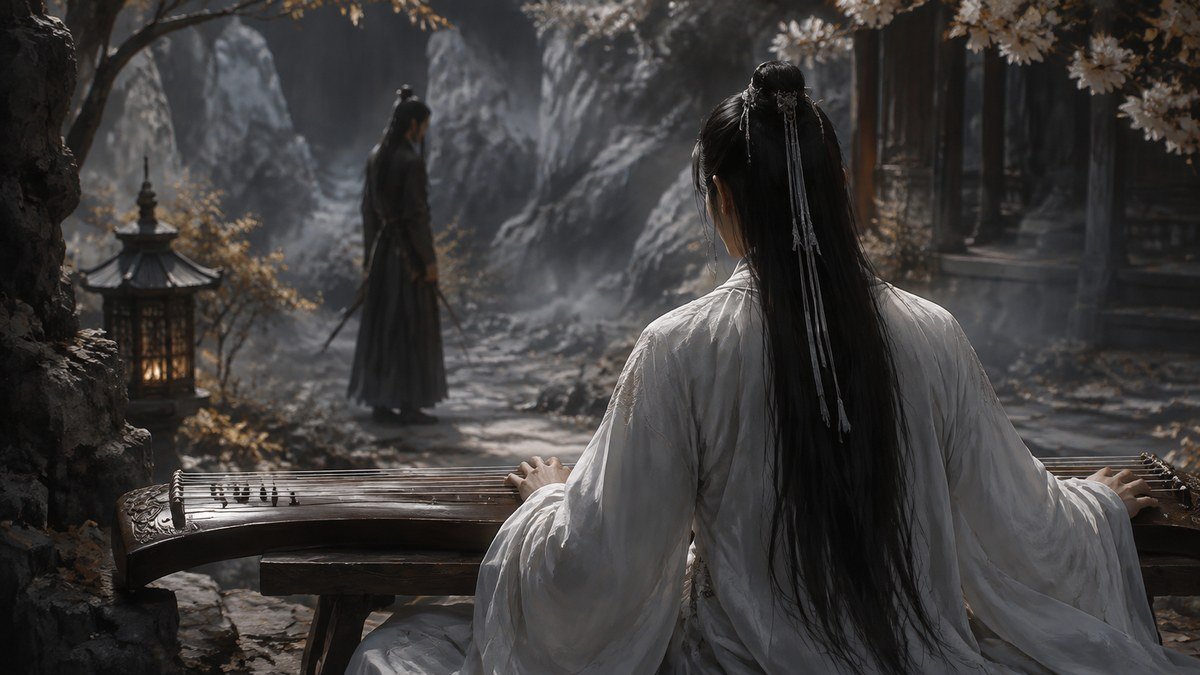
When a listener repeatedly connects a sound with a character, recognition can arrive almost immediately. That association creates expectation before the scene fully develops. We may anticipate restraint, conflict, tenderness, or grief because earlier moments have taught us how to listen.
Expectation is not the same as prediction. The surrounding story can confirm or complicate it. A familiar sound in a new context may expose how much a character has changed—or how much the viewer’s sympathy has changed.
Wei Wuxian Character Study: 7 Traits of Mo Dao Zu Shi’s Hero offers background for one side of that listening experience. Music associated with his energy and burden can feel layered because the character himself resists a simple label.
Lan Wangji’s restraint changes the weight of sound
Lan Wangji often communicates through presence and action rather than long explanations. Against that restraint, music can feel especially significant. A restrained musical passage does not tell us his private thoughts, but it can encourage closer attention to what he does and what he chooses not to say.
The guqin’s visible and audible place in his characterization strengthens this connection. Viewers may hear discipline, care, or memory, depending on context. Each reading should remain grounded in the scene instead of turning the instrument into a fixed emotional dictionary.
Lan Wangji Character Analysis: 10 Powerful Traits helps connect that sonic restraint with his broader characterization. The Untamed music emotional impact becomes strongest when sound and behavior illuminate each other without collapsing into the same thing.
Ensemble music widens the emotional world
WangXian forms the emotional center of many listeners’ soundtrack memories, yet the series also gives its wider cast distinctive emotional space. Character songs and related themes invite attention to loyalties, losses, and unresolved feelings beyond the central pair.
Listening across the album can therefore change the scale of remembrance. The story becomes an ensemble of perspectives rather than a single romantic line. One track may return us to family; another may bring back regret, dignity, or choices that cannot be undone.
Saddest Characters in The Untamed: 10 Heartbreaking Stories provides a useful companion for those broader emotional arcs. Music makes room for them without requiring a scene-by-scene recap.
Character songs resist a single emotional label
A character-centered track can contain more than the feeling named by its most memorable scene. Pride may exist beside regret; affection may be complicated by duty; sorrow may retain dignity rather than dissolving into despair. Listening for those combinations respects the characters’ contradictions.
Begin with the performance itself. Notice whether the vocal delivery feels direct or contained, whether the arrangement leaves space around the voice, and which musical ideas return. These details can support an interpretation without becoming invented biography. They describe the recording rather than claiming access to the singer’s private emotion.
The wider soundtrack therefore acts like a set of emotional perspectives. Each song may invite listeners to stand nearer to one character, yet the album allows those perspectives to coexist. Moving from one track to another can reveal how differently characters experience the same world. That variety keeps the ensemble from becoming background to the central bond and leads naturally to the role of repetition across the series.
This wider listening also corrects the tendency to remember every emotional turn only through WangXian. Supporting characters carry distinct tensions, and their music can direct attention toward experiences the central theme cannot contain. Notice which track changes your sympathy most after a rewatch, then ask what new character knowledge made the difference. The answer belongs to your reading, but it can still be explained through audible mood and narrative association.

Repetition transforms melody into memory
The first hearing is never the final hearing
The first time a melody appears, viewers have limited context. Later returns bring additional knowledge, so the same sound can acquire new emotional pressure. This is not simply repetition. It is repetition heard by someone who now understands more.
That process mirrors rewatching. An early exchange gains weight because the viewer remembers later consequences. Music helps join those points without stopping to explain the connection, allowing recognition to happen quickly and almost physically.
The internal feature The Untamed Foreshadowing: 15 Hidden Clues Fans Missed considers narrative anticipation more broadly. With music, avoid calling every recurrence foreshadowing. Sometimes a theme creates continuity or recollection rather than predicting an event.
Variation keeps familiarity alive
Familiar material does not always return in an identical form. Changes in performance, instrumentation, or surrounding sound can alter how a listener receives it. Even when a viewer cannot name the musical technique, they can notice that a version feels more exposed, fuller, gentler, or more distant.
Plain emotional description is valuable here. Technical terminology should clarify what is audible, not create certainty about an arrangement that has not been verified. Start with the difference you hear, then connect it to the scene’s emotional context.
The Untamed music emotional impact depends on this balance of recognition and change. Complete novelty would not carry the same memory, while exact repetition might not respond as sensitively to a new moment. Variation lets familiarity remain alive.
Rewatching teaches the ear where to wait
Experienced viewers often know when a meaningful sound is approaching. That anticipation changes attention. The ear waits, and the scene seems to gather itself around the expected phrase. A pause before the music can become as affecting as the melody itself.
This is one reason fans replay selected passages rather than only streaming an album in isolation. Image, dialogue, and sound have become linked in memory. The Untamed Iconic Scenes: 15 Moments That Give Chills offers a visual and narrative companion to that experience.
Anticipation can also conceal surprises, so let the whole sequence play occasionally. What surrounds a favorite musical entrance may complicate the memory you have built around it.
Memory edits even when the recording does not
Human memory rarely preserves an episode with perfect boundaries. It combines images, feelings, and later knowledge, sometimes attaching a piece of music to a broader stretch of story than its exact original placement. That does not make the emotional association false, but it can make factual discussion imprecise.
Return to the complete scene when you want to identify where a cue begins or what it accompanies. Then compare that evidence with the version held in memory. The gap can be fascinating. Perhaps the music felt longer because its emotional effect continued after it stopped; perhaps a later reprise caused two moments to merge in recollection.
The Untamed music emotional impact thrives in that exchange between accurate attention and personal memory. We can verify the sequence without policing the feeling. A scene has an observable soundtrack, while a listener has an evolving relationship with it. Recognizing both prepares us to appreciate the quiet gaps that make musical returns possible.
Repetition can also build comfort. Not every return needs to announce tragedy or forecast change. Sometimes familiarity steadies the viewer within a complicated story, offering a recognizable thread while circumstances shift. That function matters because it explains why a recurring melody can feel welcome even when the surrounding scene is tense. Memory responds to what happened before and to the reassurance of recognizing the sound itself.
Silence makes the soundtrack more powerful
Absence gives the ear room to notice
Continuous music would leave little space for contrast. Silence, ambient sound, and unscored dialogue allow the next musical entrance to matter. The listener becomes aware of a change in emotional temperature because sound has not been filling every moment.
Silence is not automatically peace or emptiness. In one context it can feel intimate; elsewhere it may feel exposed. The characters’ behavior and the scene’s stakes guide that response.
The Untamed Intense Moments: Top 15 Scenes provides a broader look at dramatic pressure. When listening closely, consider whether intensity comes from volume, restraint, or the decision to delay music until a moment can bear its weight.
Sound and image arrive as one experience
Viewers rarely encounter the score in isolation during the drama. A look, a landscape, a gesture, and a musical phrase may arrive together. Separating them briefly can help analysis, but the finished emotional effect belongs to their combination.
Try watching a familiar passage once normally, then again while attending to sound. Notice when music begins, changes, or withdraws. Avoid muting on the first pass; the aim is to understand the partnership, not declare one element more important.
The Untamed music emotional impact lives in audiovisual memory. The Untamed Hidden Details: 10 Secrets You Missed can support a closer visual rewatch, while this listening method restores the soundtrack to the same field of attention.
Restraint protects emotional complexity
Music can intensify feeling, but restraint prevents every scene from receiving the same instruction. A quieter passage may allow doubt and affection to coexist. Viewers can remain emotionally involved without being pushed toward one rigid conclusion.
That complexity suits a drama filled with misunderstandings, moral judgment, and relationships that develop through action. The soundtrack can honor the weight of those experiences while leaving space for a personal response.
The result is a score that often feels close rather than merely grand. Its most lasting work may occur when it helps a viewer sit with an emotion that the story cannot resolve immediately. From there, the music moves beyond the series and into fandom life.
Try a three-pass listening rewatch
Choose one short, familiar scene. Watch it normally first, allowing image, dialogue, and music to work together. On the second pass, focus on sound: note the first entrance, any change beneath the dialogue, and the moment the cue ends. On the third, return to the whole scene and ask what your closer listening changed.
The exercise should deepen enjoyment rather than turn viewing into homework. One or two observations are enough. You might notice that silence prepares a response, that an instrument recalls an earlier association, or that music withdraws to leave a performance exposed. Avoid forcing an insight when the scene simply needs clarity or momentum.
Writing down the observation can make it easier to discuss: “The music enters after the pause, which makes the response feel more vulnerable to me.” That sentence separates evidence from interpretation and invites another viewer to listen. Careful attention becomes a bridge from private feeling to shared fandom conversation.
The method works with an album track, too. Listen once for the complete emotional arc, again for one instrument or voice, and a final time without notes. Focus reveals structure; the last pass restores flow. If the track feels different afterward, describe the change without turning it into a technical verdict. You may simply hear more room, hesitation, or momentum than before. Another listener can test those plain impressions.

Fans keep The Untamed music emotional impact alive
Playlists turn a score into personal ritual
Once listeners build playlists, the official sequence becomes one of many possible journeys. A fan may group quiet tracks, return repeatedly to “Wuji,” or place character songs beside unrelated music that evokes a similar mood. That curation makes listening personal.
Personal playlists should not be confused with the soundtrack’s original narrative order. Their value lies in translation: a public work becomes part of an individual routine. The listener decides which emotional thread to follow today.
The Untamed OST Analysis: 7 Songs Fans Still Love offers a track-centered companion. This article takes the next step by asking why repeated listening can become a ritual of remembering.
Fan edits create new musical emphasis
Editors pair images and music to propose relationships between moments. A change of song, timing, or sequence can make a familiar look feel newly romantic, tragic, or hopeful. The edit becomes an interpretation built from selection.
Enjoying that interpretation does not require treating it as the original scene. Return to the full exchange when making factual claims about the drama. The difference between source and edit is part of fan creativity, not a reason to dismiss it.
Top BJYX Fan Art & Edits That Fans Can’t Stop Sharing explores that participatory culture. Music gives editors an emotional architecture, while their choices reveal which feelings they want other fans to revisit.
Listening together sustains community
Soundtracks create easy points of connection. Fans can name the version they prefer, describe the image a melody recalls, or share how their response changed after a rewatch. These conversations welcome both immediate emotion and careful analysis.
They also work across language differences. A listener may encounter melody before understanding every lyric, then return with a translation and discover another layer. Care matters here: translations should be identified as translations, and fan interpretations should not be presented as official explanations.
The Untamed music emotional impact endures through that mixture of private memory and shared conversation. Listening again becomes a way to return to the characters—and to the community that continues to hear something meaningful in the same notes.
Collecting should serve the listening experience
Some fans extend their connection through soundtrack editions, printed music, or character-inspired keepsakes. A physical object can anchor memory, but ownership is never a requirement for meaningful participation. The strongest recommendation is to choose something because it supports how you already listen, study, or remember.
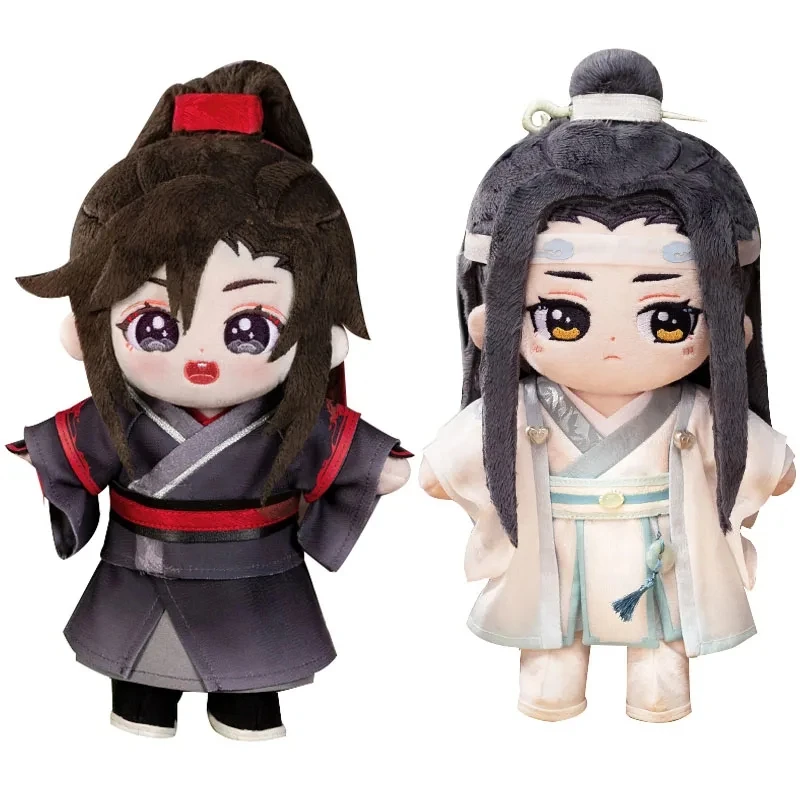
If a soundtrack book helps you follow the music, its practical use may matter more than rarity. If clothing or artwork recalls a favorite motif, the value remains personal rather than proof of a product’s official significance. Readers curious about themed apparel can browse the Boxiao Store without treating a purchase as part of the analysis.
This article includes optional links to the Boxiao Store and Ko-fi to support this site. Fandom pleasure can remain entirely free: a playlist, a thoughtful comment, or an evening rewatch carries its own value. What sustains The Untamed music emotional impact is attention—listeners choosing to return, and choosing to share what they hear.
Community listening works best when recommendation remains invitation. Name the track, explain why it matters to you, and give a new listener enough context to choose. Avoid promising that everyone will experience the same response. Emotional intensity is not a universal rating. A gentle recommendation respects personal taste and makes disagreement easy. Someone else’s favorite version may reveal a soundtrack detail you had overlooked.
Frequently Asked Questions
What is the best-known song from The Untamed?
“Wuji” is widely presented as the drama’s defining title theme and is closely associated with Wei Wuxian and Lan Wangji. The soundtrack also includes instrumental and character-focused material worth exploring. The best starting point depends on whether you want the central relationship, a specific character perspective, or the wider emotional world.
Why does The Untamed soundtrack feel sad even in quiet moments?
Quiet music can hold tenderness and loss at the same time, especially after viewers know the characters’ history. Restraint leaves emotional space rather than announcing a single response. A familiar melody also carries memories from earlier and later moments, so sadness may come from the listener’s accumulated understanding as much as the present scene.
Do I need to understand the lyrics to feel the music?
No. Melody, voice, instrumentation, pacing, and story context can create a strong response before a listener understands every word. A careful translation may add another layer later. Use a clearly identified source, because different translations can emphasize different shades of meaning and should not be treated as interchangeable official explanations.
How does The Untamed music emotional impact change on rewatch?
The music often feels heavier on rewatch because the listener brings knowledge of later choices, separation, and reunion. A theme first heard as beautiful can become attached to recognition or longing. The recording remains the same; the emotional context carried by the viewer expands.
Are fan edits accurate interpretations of the original scenes?
Fan edits are creative interpretations rather than complete records of the original scenes. Music, cropping, and reordered images can produce a new emphasis. Enjoy them as transformative fandom work, then return to the full sequence before making claims about what the drama itself shows or confirms.
Where should a new listener begin with the OST?
Begin with “Wuji,” then sample instrumental and character-associated tracks to hear how the album widens its perspective. After that, revisit a familiar scene with the sound in focus. Listening both inside and outside the drama reveals how narrative context and personal memory shape the soundtrack differently.
Conclusion — The Story Keeps Singing
A melody becomes a place to return
The most lasting soundtrack moments do more than accompany a scene. They become places memory can revisit. A few notes restore the emotional weather of The Untamed: its restraint, yearning, moral uncertainty, and quiet acts of recognition. Sound reconnects those feelings without requiring us to retell the entire plot.
The Untamed music emotional impact grows from several relationships at once. Instruments belong to the story world and to the characters who play them. Themes gather meaning through repetition. Variation allows recognition to change, while silence gives music room to arrive. Image, performance, dialogue, and score finally meet in one remembered experience.
That complexity explains why “Wuji” and the wider soundtrack remain meaningful beyond their original scenes. Listeners do not simply replay information. They return with new knowledge and different emotional needs. One version may feel companionable today; another may bring solitude closer. Neither response has to become universal to be sincere.
Listening leaves room for other fans
A thoughtful fandom conversation begins with the same care as a thoughtful rewatch. Describe what you hear. Explain the character or scene association it creates for you. Then leave room for someone else to hear another emphasis. Music is shared, but listening remains personal.
This openness is especially valuable when discussing lyrics, cultural instruments, and fan edits. Identify translations, avoid assigning a fixed code to every sound, and distinguish a fan reading from confirmed narrative fact. Precision protects emotion because it lets affection stand without exaggerated proof.
If you would like to support more reflective features about the drama, Ko-fi offers an optional way to help. Otherwise, the simplest invitation costs nothing: play one familiar track, close your eyes, and notice which image returns first. Which song from The Untamed brings you back to the story most quickly, and what memory does it carry?
The answer may change with time. That change is part of listening: the soundtrack waits, familiar but never emotionally finished, ready to meet the person you have become since the last replay.
Fan-Favorite Collectibles & Gifts