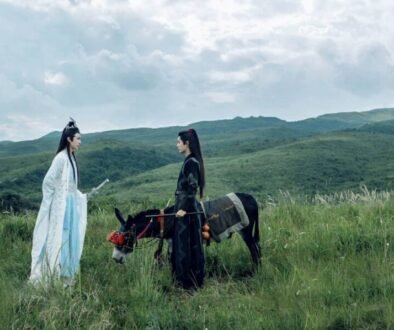
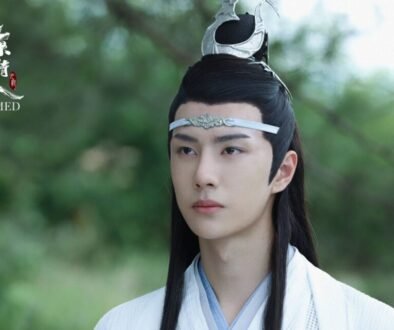
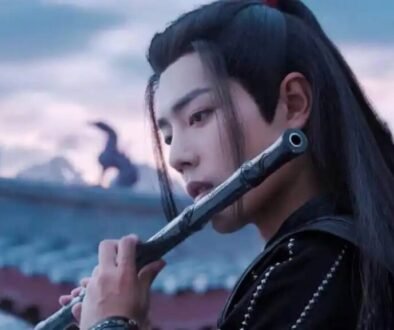
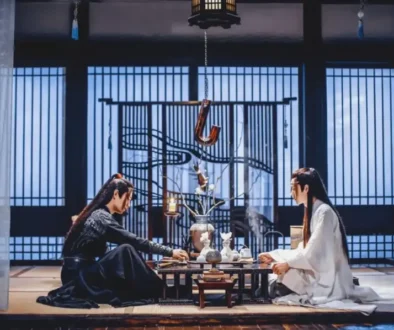
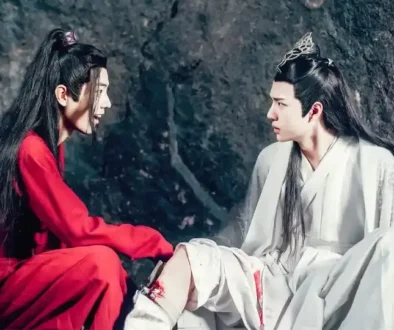
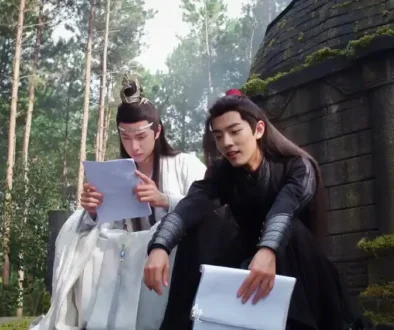
WangXian Relationship Analysis: From Conflict to Devotion
Why does the WangXian relationship continue to resonate so deeply with fans years after Mo Dao Zu Shi first captured readers’ hearts? On the surface, it looks like a quiet bond built on restraint and unspoken understanding. Look closer, and you’ll find one of the most carefully developed relationships in modern danmei storytelling.
The WangXian relationship matters because it goes beyond romance tropes. It explores trust formed under pressure, loyalty tested by moral conflict, and love expressed through actions rather than declarations. For readers who value emotional depth, this dynamic between Wei Wuxian and Lan Wangji feels earned, not rushed. Every shared silence, every moment of defiance, adds weight to their connection.
What also sets this pairing apart is how naturally their growth unfolds. As the story moves through tragedy, separation, and reunion, the WangXian relationship reflects real emotional maturity. It shows how two people can challenge each other without trying to change who the other is. This balance is why so many fans search for thoughtful WangXian analysis and discussions about their bond.
To understand why this relationship feels so enduring and meaningful, we need to look at how it begins, how it’s tested, and how it ultimately survives everything thrown in its way.

Chapter 1: Understanding the Foundation of the WangXian Relationship
To understand why the WangXian relationship feels so emotionally convincing, it helps to step back and look at the foundation on which it is built. Before romance, before loyalty, and before sacrifice, there are two sharply defined individuals whose values collide and slowly realign. That deliberate groundwork is what separates WangXian from many traditional xianxia pairings and explains its lasting impact across global fandoms of Mo Dao Zu Shi.
Rather than presenting love as fate, the story presents it as consequence.
The WangXian Relationship Begins With Contrast, Not Destiny
At first glance, the WangXian relationship looks like a classic “opposites attract” setup. Wei Wuxian is expressive, rule-bending, and emotionally open. Lan Wangji is restrained, disciplined, and famously silent. Yet reducing their bond to personality contrast misses the deeper design at work.
What truly defines their early dynamic is moral perspective.
Wei Wuxian believes that ethical action must respond to human suffering, even if that means breaking rules. Lan Wangji believes that moral consistency is what prevents chaos and harm. These views are not cosmetic differences. They shape how each character sees responsibility, justice, and loyalty.
In traditional xianxia storytelling, such ideological clashes often produce rivals or long-term antagonists. Modern xianxia narratives, however, increasingly allow ideological tension to coexist with emotional curiosity. This shift is explored in detail in The Untamed: The Evolution of Xianxia Culture, which explains how contemporary audiences favor moral complexity over rigid archetypes.
Wei Wuxian: Empathy as a Moral Compass
Wei Wuxian enters the story as a cultivator who refuses to separate power from responsibility. His rule-breaking is not impulsive rebellion. It is deliberate and often costly.
From the beginning, Wei Wuxian prioritizes people over institutions. When systems fail to protect the vulnerable, he intervenes. This approach aligns closely with findings in fandom psychology research, which show that empathy-driven protagonists generate stronger long-term audience attachment than authority-driven heroes.
Several elements make Wei Wuxian especially resonant with modern fandoms:
-
He accepts consequences instead of justifying himself
-
He values intent over reputation
-
He resists moral shortcuts, even when isolated
This type of character reflects a broader cultural shift in popular storytelling. Audiences increasingly connect with figures who challenge unjust systems rather than uphold them unquestioningly. That same shift explains why fandom-driven popularity often outpaces official promotion, a pattern examined in The Untamed’s Success: A Phenomenon in Xianxia Drama.
🎬 Explore more in this YouTube clip – Click to watch
This video highlights Wei Wuxian’s defining moral decisions and why fans view them as foundational to his character.
Lan Wangji: Discipline With Moral Flexibility
Where Wei Wuxian adapts, Lan Wangji preserves. Raised within one of the strictest cultivation clans, Lan Wangji initially appears to embody unyielding orthodoxy. Yet that first impression proves incomplete.
Lan Wangji follows rules because he believes they protect others, not because they grant authority. When those rules conflict with his internal sense of justice, he does not abandon his principles. He refines them.
This distinction matters deeply to the WangXian relationship. Lan Wangji is not the moral opposite of Wei Wuxian. He is the moral counterbalance.
Narrative studies on restrained character archetypes suggest that audiences place greater trust in characters who demonstrate conviction through consistent behavior rather than emotional exposition. Lan Wangji rarely explains himself. Instead, he shows where he stands through presence, intervention, and refusal to abandon those he believes are right.
👉 Want to see the full behind-the-scenes? Watch the video here
This behind-the-scenes analysis breaks down how Lan Wangji’s restraint was translated from text to screen.
Balance Over Correction in the WangXian Relationship
One reason the WangXian relationship feels unusually healthy is that neither character exists to “fix” the other. Wei Wuxian does not soften Lan Wangji into moral compromise. Lan Wangji does not restrain Wei Wuxian into obedience.
Instead, they influence how each other applies existing values.
This dynamic contrasts sharply with older xianxia pairings, where one character often functions as a moral authority and the other as a lesson to be corrected. Modern audiences, according to cultural studies on participatory fandom, prefer relational equality over hierarchical romance.
That preference helps explain why WangXian thrives in fandom spaces centered on analysis, reinterpretation, and long-term discussion. A deeper exploration of this phenomenon appears in The Untamed’s Cultural Impact as a Global Phenomenon.
📖 Extended reading: cultural background explained here
This article explores how Confucian values, restraint, and moral duty shape relationship dynamics in cultivation narratives.
Why This Foundation Matters Long-Term
By establishing strong, distinct moral identities early, the story ensures that every later development feels earned. The WangXian relationship does not rely on coincidence or destiny. It grows from choice, observation, and repeated ethical alignment.
This foundation explains why later loyalty feels inevitable rather than dramatic. It also explains why fans continue returning to WangXian not just for romance, but for meaning.
As the story moves forward, these early contrasts will be tested by conflict, shared danger, and loss. In the next chapter, we will examine how first impressions and ideological friction transform into quiet recognition and mutual respect.


Chapter 3: Shared Experiences and the Growth of Trust in the WangXian Relationship
If Chapter 2 establishes tension, Chapter 3 explains why that tension doesn’t break the WangXian relationship. Instead of resolving their differences through conversation or compromise, Wei Wuxian and Lan Wangji begin to build trust the only way they know how: by surviving the same dangers.
This shift matters. Trust in WangXian is not emotional first. It is experiential.
Shared Danger Forces Cooperation
Once Wei Wuxian and Lan Wangji are placed in situations where disagreement could cost lives, ideology takes a back seat to action. Night hunts, investigations, and sudden crises force them to rely on each other’s judgment in real time.
In these moments, something important happens. Wei Wuxian proves that his unconventional methods are not reckless improvisation. Lan Wangji proves that discipline does not equal rigidity. Each recognizes the other’s competence under pressure.
Research on narrative trust-building shows that audiences accept emotional bonds more readily when characters demonstrate reliability before affection. In other words, belief in skill precedes belief in love. This principle explains why the WangXian relationship feels earned rather than symbolic.
🎬 Explore more in this YouTube clip – Click to watch
This action-focused analysis highlights key moments where fighting side by side replaces suspicion with confidence.
When Actions Replace Words in the WangXian Relationship
One defining trait of the WangXian relationship is how little trust is verbalized. Lan Wangji does not praise Wei Wuxian openly. Wei Wuxian does not seek reassurance. Instead, trust appears in positioning, timing, and unspoken coordination.
Consider how often they move instinctively in sync:
-
Lan Wangji intervenes without hesitation when Wei Wuxian takes risks
-
Wei Wuxian adjusts plans knowing Lan Wangji will understand the intent
-
Neither questions the other mid-crisis
Narrative studies on restrained storytelling emphasize that non-verbal cooperation often communicates intimacy more convincingly than dialogue. This approach aligns closely with Confucian-influenced storytelling, where sincerity is demonstrated through consistency rather than declaration.
For insight into how these silent dynamics were emphasized onscreen, The Untamed: Behind-the-Scenes Moments That Made History explores how actors relied on blocking and pacing instead of dialogue.
Mutual Protection Signals a Turning Point
As shared experience accumulates, cooperation shifts into protection. This change marks a critical stage in the WangXian relationship.
Lan Wangji begins acting not just out of duty, but personal concern. Wei Wuxian starts factoring Lan Wangji’s safety into his choices, even when pretending otherwise. These adjustments happen quietly, without acknowledgment, but they signal emotional investment.
Cultural analyses of relationship progression in xianxia narratives often identify protection as the moment when partnership becomes personal. Importantly, WangXian frames protection as responsibility, not possession. Neither character seeks control. They seek safety.
📖 Extended reading: cultural background explained here
This article explains how shared duty and moral alignment function as emotional bridges in cultivation storytelling.
Trust Without Full Agreement
Despite growing trust, disagreement does not disappear. Wei Wuxian and Lan Wangji still clash over methods and consequences. What changes is how those disagreements are handled.
Lan Wangji listens before judging. Wei Wuxian explains rather than deflects. Trust creates space for difference without rupture.
Audience engagement studies consistently show that relationships maintaining tension alongside growth generate stronger long-term interest than those that resolve conflict too quickly. The WangXian relationship thrives in this balance. It invites analysis instead of closure.
This pattern helps explain why WangXian fandom discussion expanded organically across platforms. Rather than being driven solely by promotional framing, fan interest grew through interpretation and debate. That dynamic is examined in The Untamed’s Success: A Phenomenon in Xianxia Drama.
From Observation to Dependence
By the end of this phase, something subtle but irreversible has occurred. Wei Wuxian and Lan Wangji no longer simply observe each other. They anticipate each other.
Trust becomes default behavior. Decisions factor in the other’s presence without conscious effort. The WangXian relationship transitions from parallel paths to shared direction.
Fandom psychology research suggests that audiences recognize this shift intuitively. It explains why many fans identify this chapter of the story as the moment WangXian becomes inevitable, even without romance or confession.
👉 Want to explore how fandom interpreted this turning point? Read more here
Why Shared Experience Is the Real Foundation
In WangXian, trust is not sealed by words. It is reinforced by repetition. Survive together long enough, and belief becomes certainty.
By Chapter 3, the audience understands something essential. Wei Wuxian and Lan Wangji may still disagree, but they no longer doubt each other. That shift sets the stage for the far harsher test ahead, when trust will be measured not by danger, but by loyalty.
In the next chapter, we will examine how that trust is challenged when the world itself turns against Wei Wuxian, forcing Lan Wangji to choose between moral order and personal conviction.

Chapter 4: Loyalty Under Fire and Moral Collapse in the WangXian Relationship
By Chapter 4, the WangXian relationship faces its most severe test. Trust built through shared danger now collides with public judgment, political pressure, and moral condemnation. For the first time, standing together carries real and irreversible cost. What defines this chapter is not conflict between Wei Wuxian and Lan Wangji, but conflict between personal conviction and the world that demands obedience.
This is where loyalty stops being theoretical.
When the World Turns Against Wei Wuxian
As Wei Wuxian becomes increasingly isolated, the cultivation world reframes his actions as threats rather than sacrifices. Importantly, his behavior does not fundamentally change. His values remain consistent. What changes is how authority interprets them.
Institutions begin to equate deviation with danger.
Cultural studies on moral panic in storytelling note that systems often label dissenters as villains to preserve stability. In Mo Dao Zu Shi, condemnation comes not from a single antagonist, but from collective judgment. This narrative choice heightens realism and emotional impact.
A broader discussion of how institutional pressure shapes xianxia narratives appears in The Untamed: The Global Phenomenon That Captivated the World, which examines why audiences respond strongly to system-driven conflict.
Lan Wangji’s Loyalty Becomes a Choice
Up to this point, Lan Wangji has supported Wei Wuxian quietly. Chapter 4 changes the stakes. Neutrality is no longer possible.
Lan Wangji understands the consequences of association. He also understands the cost of silence.
Rather than publicly opposing the system, he chooses something more dangerous. He refuses to abandon Wei Wuxian. He continues to appear, intervene, and protect when he can. This loyalty is restrained, but unmistakable.
Narrative psychology research consistently shows that loyalty expressed through action, especially under threat, is perceived as more authentic than verbal declaration. In the WangXian relationship, Lan Wangji’s silence amplifies his defiance.
👉 Want to see the full behind-the-scenes? Watch the video here
This behind-the-scenes analysis breaks down how Lan Wangji’s loyalty was conveyed through blocking, silence, and restraint.
Misalignment Without Betrayal
One of the most painful elements of this chapter is emotional misalignment. Wei Wuxian believes distancing himself will protect others. Lan Wangji believes presence is the only honest response.
Neither intention is selfish. Yet neither fully understands the other’s reasoning.
Audience studies on tragic storytelling emphasize that misunderstanding strengthens emotional investment when motives remain pure. The WangXian relationship thrives on this tension. No betrayal occurs, but connection still suffers.
🎬 Explore more in this YouTube clip – Click to watch
This scene-focused breakdown highlights how silence and missed timing deepen emotional impact during this phase.
Choosing a Person Over a System
Chapter 4 crystallizes the central moral question of the WangXian relationship: what happens when righteousness conflicts with authority?
Lan Wangji answers by choosing Wei Wuxian.
This choice does not represent rebellion for its own sake. It represents moral clarity. Lan Wangji reframes righteousness as responsibility to individuals rather than compliance with institutions. That shift marks a permanent transformation in his character.
Cultural analyses of Confucian-influenced narratives often emphasize loyalty and righteousness, but rarely explore what happens when they diverge. WangXian confronts that contradiction directly, which explains its enduring appeal in global fandom spaces.
For deeper context on how this moral tension fueled long-term engagement, The Untamed’s Cultural Impact as a Global Phenomenon offers a comprehensive overview.
📖 Extended reading: cultural background explained here
This article explores how duty, restraint, and personal loyalty intersect in cultivation storytelling.
Why Chapter 4 Redefines the WangXian Relationship
This chapter transforms trust into commitment. The WangXian relationship no longer depends on shared danger or mutual competence. It now rests on choice made under pressure.
By the end of Chapter 4, the audience understands that Lan Wangji’s loyalty is unconditional, and Wei Wuxian’s resolve is tragically misunderstood. Neither compromises their values. Instead, both accept loss as the price of integrity.
This moral collapse does not end their bond. It defines it.
In the next chapter, we will examine how separation, grief, and time test whether a relationship built on loyalty can survive absence without closure.

Chapter 5: Separation, Loss, and the Endurance of the WangXian Relationship
If loyalty defines Chapter 4, absence defines Chapter 5. This is where the WangXian relationship faces its most emotionally demanding test. With Wei Wuxian gone and the cultivation world eager to close the chapter, separation becomes the central conflict. Nothing explodes. Nothing resolves. Instead, the story slows down and asks a harder question: what happens to a bond when one half of it is no longer there?
Rather than weakening the relationship, loss clarifies it.
Separation Without Closure
Wei Wuxian’s disappearance creates a vacuum that the narrative refuses to fill quickly. There is no clear explanation, no public reckoning, and no emotional release. For Lan Wangji, this lack of closure becomes part of the burden.
In many traditional xianxia stories, separation functions as a reset. Characters move on, allegiances shift, and emotional ties fade into memory. Mo Dao Zu Shi deliberately avoids that structure. The WangXian relationship remains emotionally active even when physically absent.
Cultural storytelling studies suggest that unresolved separation often increases audience attachment, because viewers continue to track emotional continuity rather than narrative resolution. This approach plays a major role in why WangXian sustains long-term fandom engagement.
📖 Extended reading: why The Untamed still matters years later
This analysis explains how unresolved emotional arcs contribute to lasting cultural relevance.
Grief Expressed Through Restraint
Lan Wangji does not grieve loudly. He does not explain himself to others or demand recognition for his loss. Instead, grief appears through repetition and discipline.
He keeps routines. He returns to familiar places. He plays the same melody again and again.
Narrative psychology research consistently shows that restrained expressions of grief often resonate more deeply with audiences than overt displays. Silence invites interpretation, and repetition signals refusal to let go. In the WangXian relationship, grief becomes an extension of loyalty rather than a departure from it.
🎬 Explore more in this YouTube clip – Click to watch
This scene-focused analysis breaks down how Lan Wangji’s grief is conveyed through silence, music, and framing rather than dialogue.
Carrying Values Forward in Absence
Although Wei Wuxian is gone, his values remain active through Lan Wangji’s actions. This marks an important evolution in the WangXian relationship. Support shifts from partnership to continuation.
Lan Wangji protects the innocent. He questions unjust authority more openly. He acts in ways that align with Wei Wuxian’s moral choices, even when doing so isolates him.
Cultural studies on character legacy describe this phenomenon as moral inheritance. When one character continues another’s ethical path in absence, audiences perceive the relationship as internalized rather than dependent. WangXian reaches that stage here.
For broader context on how this moral continuity shaped global fandom response, The Untamed’s Cultural Impact as a Global Phenomenon provides a detailed overview.
Waiting as an Active Choice
Perhaps the most defining element of Chapter 5 is waiting. Lan Wangji does not know if Wei Wuxian will return. He does not receive reassurance. Yet he waits anyway.
This waiting is not passive.
Audience psychology research on long-term engagement shows that commitment without guarantee often strengthens emotional attachment. Waiting becomes proof of devotion rather than indecision. In the WangXian relationship, endurance replaces certainty.
👉 Want to explore why this kind of unresolved devotion resonates so strongly with fans? Read more here
Loss That Strengthens the Bond
By the end of Chapter 5, the WangXian relationship has survived ideological conflict, shared danger, public condemnation, and now absence. What remains is not hope for reunion, but certainty of feeling.
Lan Wangji’s devotion does not depend on reward. Wei Wuxian’s influence does not depend on presence. Their bond exists independently of recognition, proximity, or outcome.
This chapter reframes loss as confirmation rather than collapse. Separation does not undo what was built. It proves how deeply it took root.
In the next chapter, we will examine how time and reunion reshape this enduring bond, transforming endurance into emotional maturity and silence into mutual understanding.

Final Chapter: Why the WangXian Relationship Endures Beyond the Story
By the end of Mo Dao Zu Shi, the WangXian relationship has already survived conflict, loss, separation, and reunion. What remains is not tension or longing, but clarity. This final stage is not about what still needs to happen. It is about what no longer needs to be questioned.
That distinction is exactly why WangXian continues to resonate.
Love Defined by Choice, Not Circumstance
Unlike many romantic narratives that rely on fate or dramatic confession, the WangXian bond is built on repeated choice. Wei Wuxian and Lan Wangji choose each other across changing circumstances, moral pressure, and personal loss.
Importantly, these choices are not driven by obligation or reward. Neither character is “saved” by the other. Neither exists to complete the other. Instead, they stand side by side because they recognize shared values and accept each other fully.
Research in fandom psychology consistently shows that relationships rooted in mutual recognition and agency generate stronger long-term attachment than those based on dependency or idealization. WangXian fits this pattern precisely.
Stability as the Ultimate Resolution
The final phase of the WangXian relationship offers something rare in genre storytelling: emotional stability. There is no need for escalation. No final test. No dramatic proof.
Trust already exists. Understanding already exists.
This approach contrasts sharply with traditional xianxia endings, which often rely on spectacle or sacrifice to signal resolution. Modern audiences, however, increasingly value continuity and emotional realism. That shift helps explain why WangXian remains compelling even after the story concludes.
A broader analysis of this trend appears in The Untamed’s Cultural Impact as a Global Phenomenon, which explores how emotionally grounded storytelling sustains long-term relevance.
Why WangXian Thrives in Fandom Culture
One reason the WangXian relationship endures is that it leaves space for interpretation. The story does not exhaust its meaning. Instead, it invites reflection.
Because love is shown through action rather than declaration, fans return to scenes, gestures, and silences to uncover meaning. This openness fuels analysis, discussion, and creative expression across platforms.
Studies on participatory fandom note that narratives which resist over-explanation encourage deeper audience investment. WangXian’s restraint is not a limitation. It is an invitation.
👉 Want to explore why fans stay emotionally invested long after the ending? Read more here
A Model of Emotionally Mature Storytelling
At its core, the WangXian relationship offers a model of love that grows quieter as it grows stronger. Passion gives way to trust. Tension gives way to consistency. Drama gives way to presence.
This progression reflects emotional maturity rather than narrative restraint. It shows that devotion does not need constant proof. It needs alignment, patience, and the willingness to choose one person again and again without spectacle.
🎬 Explore more in this YouTube clip – Click to watch
This reflective video examines how WangXian’s quiet devotion continues to resonate with global audiences.
Why the Story Still Matters
Years after its release, WangXian remains more than a beloved pairing. It represents a shift in how relationships are written, read, and remembered. The bond endures not because it is dramatic, but because it is deliberate.
By refusing shortcuts and embracing emotional accountability, the WangXian relationship proves that the most powerful love stories are not the loudest ones. They are the ones that remain steady when everything else falls away.

Final Chapter: Why the WangXian Relationship Endures Beyond the Story
By the time the journey reaches its conclusion, the WangXian relationship has moved far beyond conflict, separation, or even reunion. What remains is something quieter and more lasting: a bond built on choice, understanding, and emotional accountability. This is why Wei Wuxian and Lan Wangji continue to resonate long after the final page or episode.
Unlike many romantic narratives, Mo Dao Zu Shi does not frame love as possession or rescue. Instead, it presents love as recognition. Wei Wuxian is never “saved” by Lan Wangji, nor does Lan Wangji exist to correct him. They stand side by side as equals who choose each other repeatedly, even when it costs them comfort, status, or certainty.
What makes the WangXian bond enduring is its emotional realism. Trust is built before romance. Loyalty is proven before words are spoken. Growth happens without erasing identity. This structure aligns closely with what audience psychology research identifies as long-term attachment drivers: consistency, mutual respect, and moral alignment rather than dramatic intensity.
It also explains why WangXian thrives in fandom spaces. The relationship invites interpretation instead of closing itself off with final answers. Fans return to it not for shock or spectacle, but for meaning.
📖 Extended reading: why The Untamed still matters in 2025
This article explores how emotionally mature storytelling sustains relevance long after a series ends.
🎬 Explore more in this YouTube clip – Click to watch
This reflective video examines why WangXian’s quiet devotion continues to move audiences worldwide.
In the end, the WangXian relationship endures because it refuses shortcuts. It shows that love is not proven by intensity alone, but by patience, restraint, and the courage to choose one person again and again, even when no one is watching.
Please log in to access your exclusive content.
Don’t have an account? Click the “Register” button below to sign up.
Related Posts