
The Untamed Sibling Relationships: Love, Rivalry, and Sacrifice
Some of the most painful goodbyes in The Untamed are not romantic. They happen between people who grew up sharing meals, rules, expectations, and a name. The Untamed sibling relationships matter because they make family feel like both shelter and weight. A brother can be the person who understands you best and the person whose judgment hurts most. Meanwhile, a sister can hold a home together so gently that no one recognizes how much depends on her until she is gone.
These bonds rarely unfold through easy declarations. Love appears as lotus-root soup, a reprimand, a ribbon adjusted in silence, a blade raised in protection, or a sacrifice never properly explained. Rivalry grows beside affection. Duty competes with tenderness. Grief turns unfinished conversations into permanent ones.
Looking closely at the Jiang siblings, the Lan brothers, the Nie brothers, and Wen Qing with Wen Ning reveals more than four family stories. Together, they show how the drama understands kinship itself: imperfect, fiercely loyal, sometimes damaging, and powerful enough to shape every choice that follows.
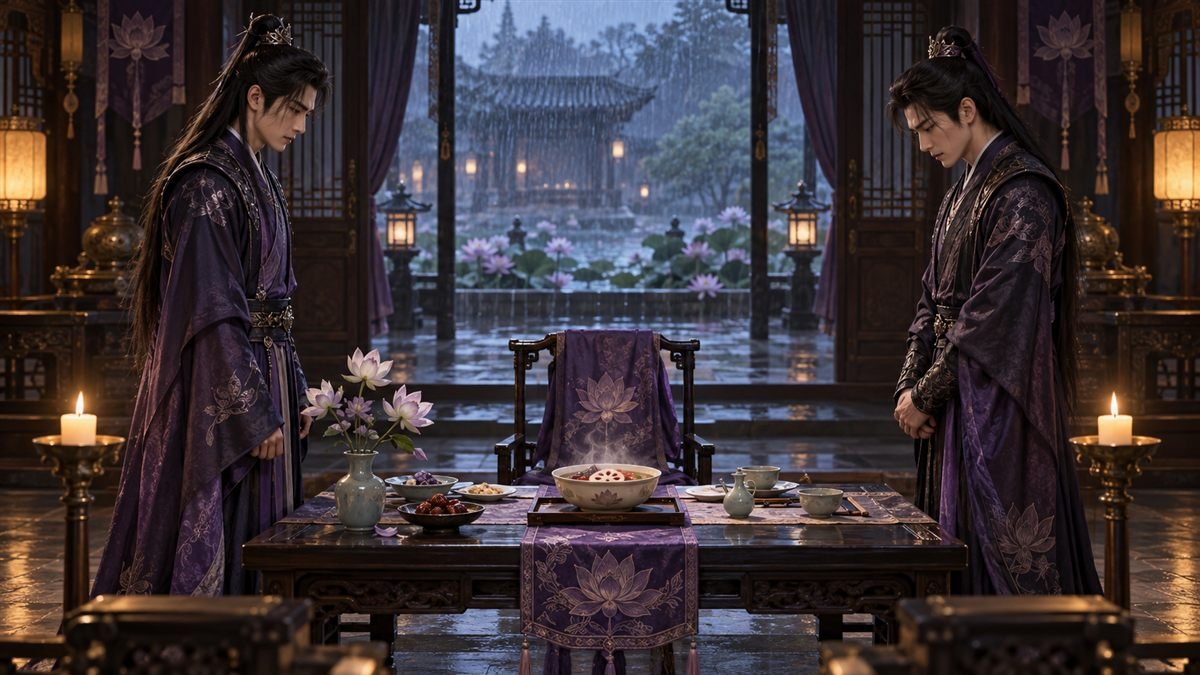
Why Sibling Bonds Matter So Much in The Untamed
Family is both refuge and responsibility
In the cultivation world, siblings do not grow up inside private families alone. They inherit clans, reputations, rules, enemies, and obligations. An elder brother may also be a future leader. A younger sibling may become someone the clan expects to obey, protect, or replace him. Affection therefore carries political weight, even when the characters want nothing more than an ordinary moment together.
This pressure gives The Untamed sibling relationships their distinctive tension. Hierarchy always shapes love. Jiang Cheng is not only Wei Wuxian’s martial brother; his clan expects him to preserve Yunmeng Jiang as its heir. Lan Xichen is not only Lan Wangji’s understanding elder brother; he is the sect leader whose decisions affect everyone around them. Private feelings must survive public roles.
Love is often expressed indirectly
The drama’s siblings often communicate through action because direct vulnerability feels dangerous. Protection may arrive as anger. Fear may sound like criticism. A meal may carry the apology no one can speak. These gestures are easy to misread, especially when pride or responsibility prevents a needed explanation.
That indirect language makes the bonds ideal for rewatching. A glance that once seemed impatient may later look terrified. Even a strict instruction may conceal grief already anticipated. The broader patterns in The Untamed Relationship Analysis: 7 Powerful Insights help show why connection in this story is rarely defined by what characters say alone.
Siblinghood also gives the drama a way to test its ideas about loyalty. Friends may choose one another after learning who they are, but siblings often begin with obligations they did not choose. Their challenge is deciding whether inherited duty can grow into genuine understanding. Some succeed only briefly; others discover that love without honest communication can preserve a bond while still leaving it painfully unfinished.
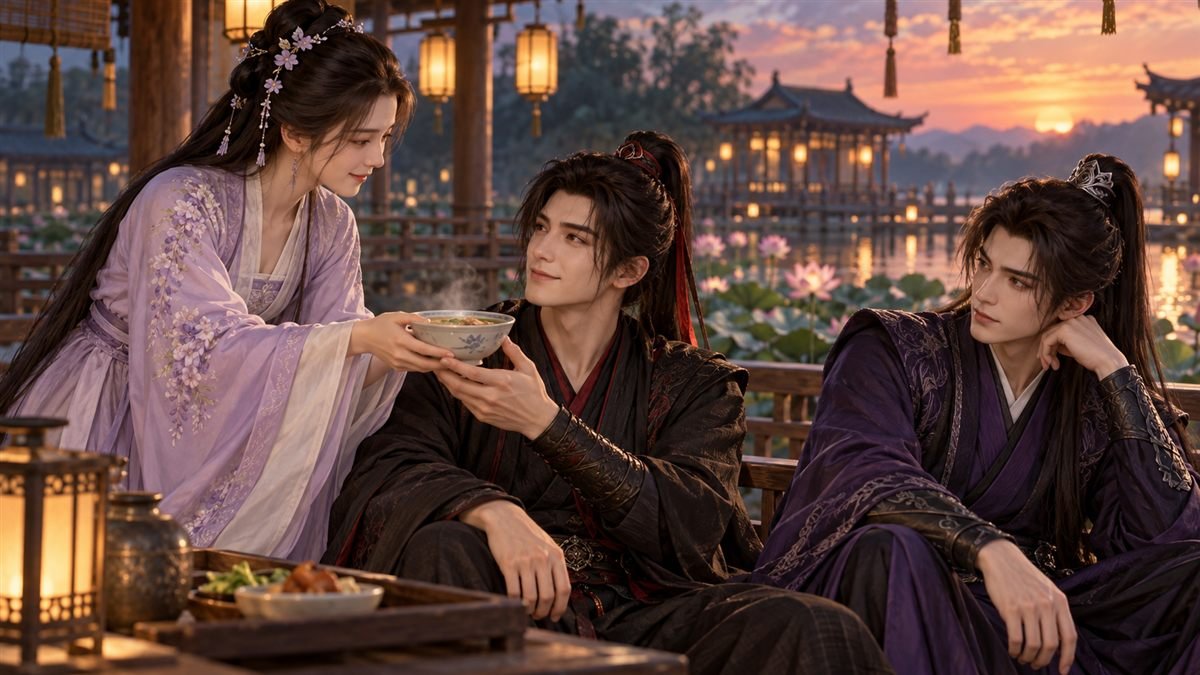
The Jiang Siblings and the Home They Keep Losing
Jiang Yanli makes belonging feel simple
Jiang Yanli’s greatest gift is the way she refuses to make affection complicated. Wei Wuxian enters Lotus Pier with a different history and an uncertain place, yet she treats him as family rather than a permanent guest. Her soup becomes a symbol not because it is grand, but because it offers care without a test. Around her, belonging briefly feels like something that does not need to be earned.
She also sees Jiang Cheng beneath the title he is expected to inherit. Where others compare the boys, Yanli makes room for both. Her gentleness does not erase conflict, but it softens the household enough for joy to exist. The tragedy is that she becomes an emotional bridge in a family whose pressures are stronger than any one person should have to hold.
Wei Wuxian and Jiang Cheng inherit different kinds of pressure
Wei Wuxian grows up with gratitude woven into his freedom. His family loves and includes him, and everyone recognizes his talent, yet he remains aware that Lotus Pier took him in. Jiang Cheng grows up knowing the clan is his future and that every comparison threatens his ability to carry it. One brother responds to pressure by leaping toward danger; the other responds by trying to control what he can still protect.
Neither position is simple. Wei Wuxian’s instinct to sacrifice himself can be generous and devastatingly secretive. Jiang Cheng’s anger can be cruel and rooted in terror. A closer Wei Wuxian Character Study: 7 Traits of Mo Dao Zu Shi’s Hero adds context to the impulsive compassion that saves strangers while sometimes excluding loved ones from the truth.
Love Survives Even When Trust Breaks
The most painful part of their relationship is not that love disappears. It is that love remains after trust has fractured. Jiang Cheng cannot separate Wei Wuxian from everything he lost, while Wei Wuxian cannot explain his deepest sacrifice without changing how that sacrifice was meant to function. Pride, grief, and guilt keep circling the words they need.
Among The Untamed sibling relationships, theirs feels especially unresolved because reconciliation never arrives as a neat conversation. The story offers recognition rather than repair. Each brother finally understands more, but understanding cannot restore Lotus Pier, Yanli, or the years consumed by resentment. Their bond survives as something wounded and real.
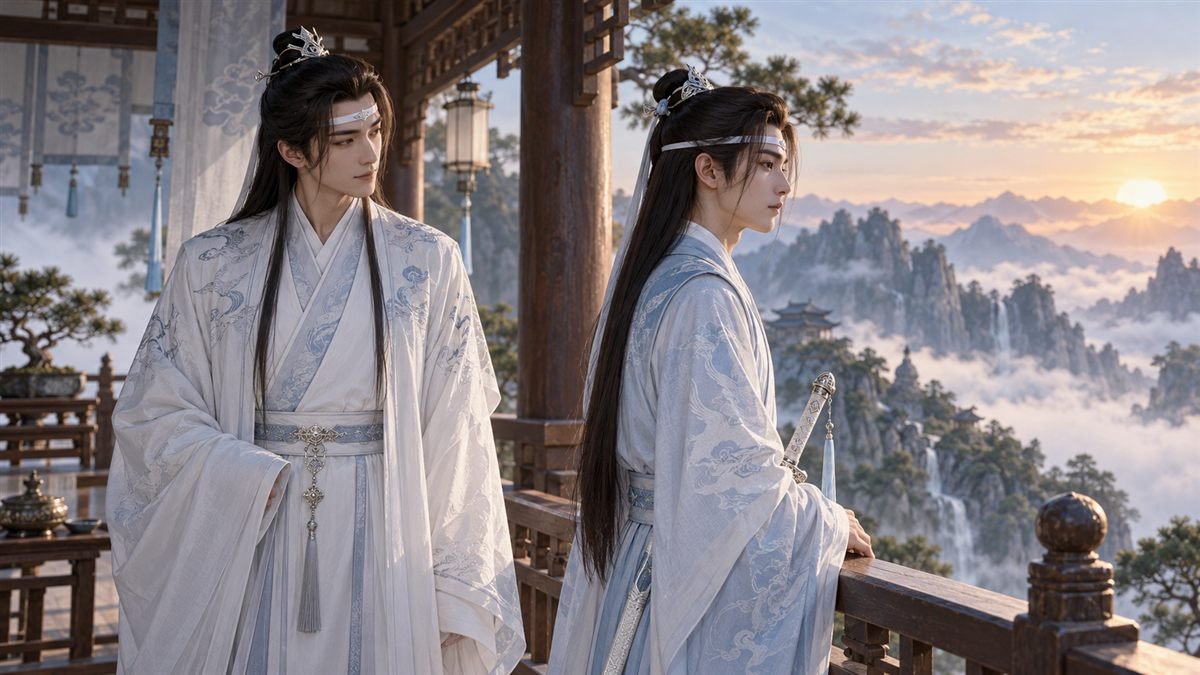
Lan Wangji and Lan Xichen: Trust Shaped by Silence
The brother who understands without demanding
Lan Xichen reads Lan Wangji with a sensitivity few others possess. He notices what his quiet brother will not say and often gives him space rather than demanding confession. In a clan governed by discipline, that emotional permission matters. It allows Lan Wangji to feel known without forcing him into a language that does not come naturally to him.
Their trust is one of the calmest examples of The Untamed sibling relationships. Lan Xichen does not treat reserve as emptiness. He recognizes conviction beneath silence, including feelings that challenge convention. Lan Wangji, in turn, respects his brother’s judgment even when his own moral certainty leads him elsewhere.
Protection can become distance
Gentleness, however, has limits. Lan Xichen’s reluctance to impose his interpretation on others can become hesitation when circumstances demand a harder question. He wants to believe in the people he loves, and that instinct makes him compassionate. It can also delay recognition of manipulation. His relationship with Lan Wangji reminds us that understanding one sibling deeply does not guarantee clarity in every bond.
Lan Wangji’s growth, explored further in Lan Wangji Character Analysis: 10 Powerful Traits, eventually leads him to act on moral knowledge even when family and clan expectations pull in another direction. The brothers do not stop loving each other. Instead, their respect becomes mature enough to survive different choices.
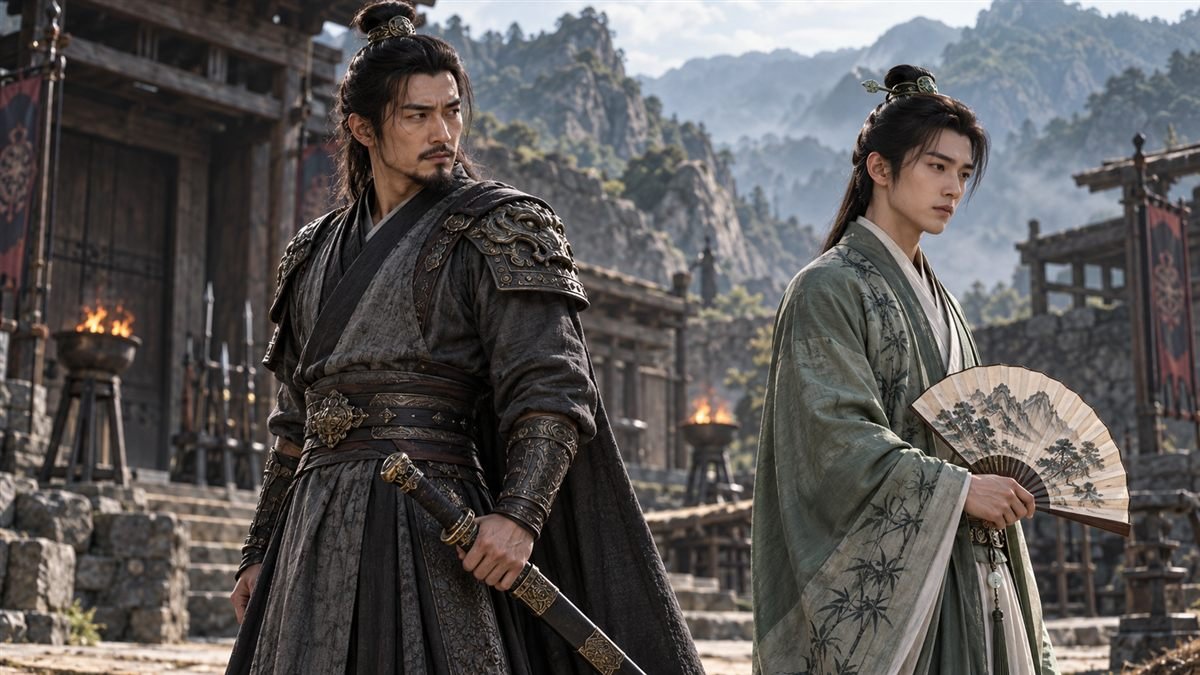
Nie Mingjue and Nie Huaisang: Protection with a Price
A strict brother trying to prepare an unwilling heir
Nie Mingjue protects through discipline. He sees danger approaching his clan and wants Nie Huaisang to become capable of surviving it. The problem is that his fear often arrives as impatience. Huaisang’s interests look frivolous beside saber training and leadership, so Mingjue pushes harder, believing severity will create strength.
His love is genuine, but his methods leave little room for the person his brother already is. Huaisang learns to appear helpless, evasive, or confused when direct resistance would fail. What begins as a mismatch of temperament becomes a pattern: one brother speaks through command, the other through concealment.
Grief transforms the brother everyone underestimated
After loss, qualities once dismissed as weakness acquire a different meaning. Huaisang’s patience, social awareness, and talent for escaping notice become sources of influence. The drama leaves parts of his intention open to interpretation, which is essential to his fascination. Viewers can observe the outcome without pretending the drama confirms every hidden step.
Within The Untamed sibling relationships, the Nie brothers demonstrate how protection can accidentally train secrecy. Their clan’s particular burdens also matter. The Untamed Clans Explained: Rivalries, Loyalty, and Tragedy provides useful background for the expectations that shape both brothers and the legacy Huaisang inherits.
Wen Qing and Wen Ning: Sacrifice as a Shared Language
Wen Qing protects by becoming unbreakable
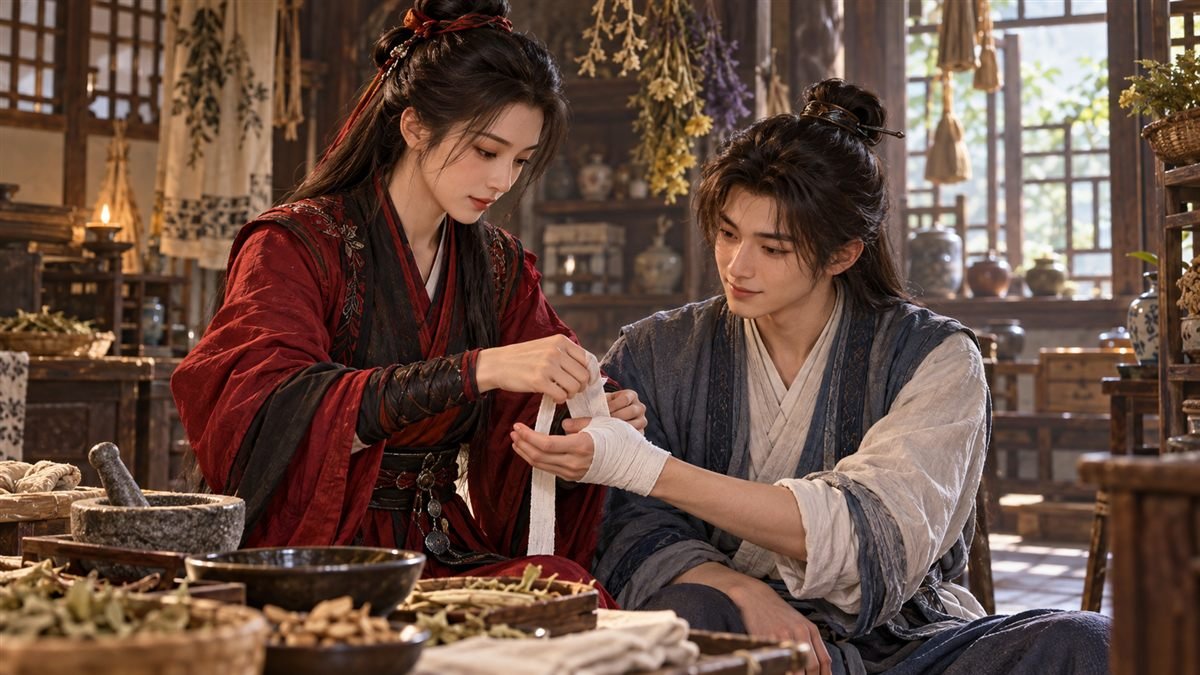
Wen Qing survives by appearing harder than she feels. As a healer within a dangerous clan, she understands how quickly others can exploit vulnerability. Her authority shields Wen Ning, but it also requires constant alertness. She cannot promise him safety, so she offers competence, instruction, and a willingness to stand between him and harm.
Her severity is never indifference. It is the shape love takes when tenderness alone cannot keep someone alive. She carries responsibility for her brother and for the innocent members of their branch, turning every decision into a calculation about who might pay the price.
Wen Ning’s gentleness is not weakness
Wen Ning responds with loyalty that is quieter but no less brave. He remembers kindness, chooses to help when fear would justify retreat, and refuses to let the world’s judgment define his moral worth. His gentleness makes him vulnerable, yet it also enables acts of courage that more powerful characters avoid.
He wants to protect Wen Qing in return, even when circumstances make that protection impossible. Their story is one of the most selfless The Untamed sibling relationships because neither seeks recognition. They act from care, accept terrible consequences, and preserve a moral clarity that their clan’s name cannot erase. The patterns discussed in Character Fate Analysis in The Untamed: Hidden Meanings deepen the sense that their choices continue to shape survivors long after their own safety is gone.
What Loss Reveals About The Untamed Sibling Relationships
Survivors carry unfinished conversations
Loss changes every sibling bond because the survivor inherits both memory and silence. Jiang Cheng carries words he never exchanged with Yanli and Wei Wuxian. Lan Xichen must reconsider the limits of his own judgment. Nie Huaisang’s grief becomes difficult to separate from the person he chooses to become. Wen Ning moves forward with his sister’s courage embedded in him.
These unfinished conversations keep the characters emotionally alive to one another. Grief does not end a relationship; it freezes certain questions while changing every answer that follows. That is why the drama’s saddest moments rarely feel isolated. They reverberate through the decisions of those left behind.
Chosen family changes the meaning of kinship
The story also refuses to limit family to blood. Wei Wuxian’s place among the Jiangs is imperfect but real. Care between disciples, juniors, and protectors forms new networks after older homes collapse. Chosen bonds do not replace biological siblings; instead, they prove that belonging can be rebuilt without pretending the original loss never happened.
This broader view prevents The Untamed sibling relationships from becoming simple family portraits. They are part of a larger argument about responsibility. People become family through repeated acts of care, but those acts must survive honesty as well as sacrifice.
Why these relationships keep fans talking
Fans continue debating these siblings because the drama leaves room for conflicting emotions. Jiang Cheng can hurt Wei Wuxian and still love him. Lan Xichen can be perceptive and still misjudge someone important. Nie Mingjue can protect his brother while failing to understand him. Wen Qing can sound severe because fear has made softness costly.
No single label captures these bonds. They reward empathy without requiring agreement, which is also why collections such as Saddest Characters in The Untamed: 10 Heartbreaking Stories resonate so strongly. The pain matters because the love was never imaginary.
Frequently Asked Questions
Are Wei Wuxian and Jiang Cheng biological brothers?
No. Wei Wuxian is taken into the Jiang household and grows up with Jiang Cheng and Jiang Yanli as their martial brother. Their bond functions emotionally like siblinghood, but their different positions inside the family create expectations and insecurities that biological brothers might not experience in the same way.
Why does Jiang Yanli treat Wei Wuxian as a brother?
Jiang Yanli accepts Wei Wuxian as family through consistent care rather than formal explanation. She feeds him, defends his place, and refuses comparisons that would make affection conditional. Her warmth gives him a sense of home, while her equal concern for Jiang Cheng helps hold the three siblings together.
Does Lan Xichen understand Lan Wangji?
Lan Xichen understands Lan Wangji better than most people do. He reads his silences and recognizes feelings that his brother rarely states directly. However, emotional insight is not perfect knowledge. Their story shows that even a deeply understanding sibling may miss the full weight of another person’s choices or pain.
Why is Nie Mingjue so strict with Nie Huaisang?
Nie Mingjue believes strict training will prepare his younger brother for danger and leadership. His fear for Huaisang often emerges as frustration because he values discipline and directness. The tragedy is that his protective intention can make Huaisang feel unseen, encouraging the younger brother to hide rather than speak honestly.
Why are Wen Qing and Wen Ning so close?
Wen Qing and Wen Ning depend on each other inside a clan environment where safety is uncertain. She protects him through skill and authority, while he answers with trust and moral courage. Their closeness grows from shared danger, mutual loyalty, and a form of care that asks for no public reward.
Which sibling relationship is the most tragic?
Many viewers consider the Jiang siblings the most tragic because love survives beneath devastating secrecy, grief, and resentment. Others choose Wen Qing and Wen Ning because of their sacrifice, or the Nie brothers because loss transforms Huaisang. The power of The Untamed sibling relationships lies in how each tragedy wounds differently.

Conclusion — The Love That Remains After Everything Changes
The drama never suggests that sibling love makes a family easy. Love can become rivalry when comparison goes unchallenged. Protection can feel like control. Sacrifice can save someone while denying that person the right to understand what was lost. Silence can preserve dignity and also prevent forgiveness.
Yet The Untamed sibling relationships endure because their imperfections do not make their affection false. Jiang Yanli, Wei Wuxian, and Jiang Cheng create a home that loss cannot fully erase. Lan Xichen and Lan Wangji maintain trust even when their judgments differ. The Nie brothers reveal the cost of love spoken only through pressure, while Wen Qing and Wen Ning show courage expressed through mutual care.
These stories remind us that family legacy is not carried only in names or bloodlines. It lives in habits, unfinished apologies, protective instincts, and the choices survivors make because someone once loved them. That is why each rewatch can change which sibling moment hurts most: viewers bring their own memories of loyalty, comparison, distance, and return.
Perhaps that is the drama’s quietest truth about family: resolution is not always possible, but recognition still matters. Seeing the love beneath an argument cannot undo harm, yet it can keep grief from becoming the only meaning a relationship leaves behind.
If you enjoy thoughtful conversations about the relationships that give the drama its emotional depth, you can gently support future articles through Ko-fi. Which sibling bond feels the most emotionally honest to you?