The Untamed Courtesy Names: What They Reveal
How Courtesy Names Work in The Untamed
Birth Names, Courtesy Names, and Adult Social Identity
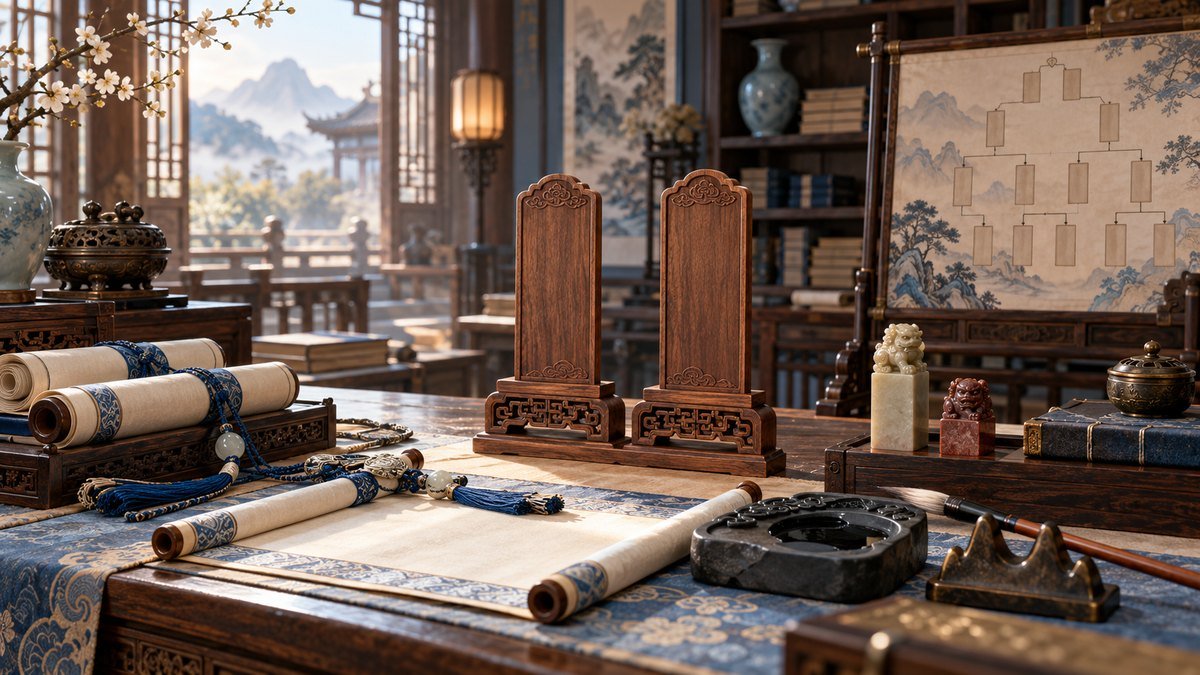
In traditional Chinese naming practice, a person could have a personal or birth name, called a ming, and later use a courtesy name, or zi, in adult social life. Historical customs changed across periods and communities, so The Untamed should not be treated as a documentary reconstruction. Still, the broad distinction gives viewers a useful starting point.
A birth name belongs close to the person. A courtesy name offers a socially appropriate way for peers and acquaintances to address an adult with respect. That is why English-language viewers often meet major characters through courtesy names even when subtitles or intimate dialogue later reveal another name. Wei Wuxian’s birth name is Wei Ying; Lan Wangji’s is Lan Zhan; Lan Xichen’s is Lan Huan; Jiang Cheng’s courtesy name is Wanyin.
Courtesy names are not English middle names. They are alternative forms of personal identity, and their Chinese characters may echo, extend, or contrast with a birth name. Translations should therefore remain cautious. A character can suggest several associations without producing one final, official English definition.
This layered naming fits the drama’s broader social world. Clan rules, ritual behavior, rank, and public reputation all shape how people are seen. Readers who want more context for that system can explore The Untamed Worldbuilding Explained: Why Fans Still Obsess.
Why Titles and Nicknames Are a Different Category
A courtesy name is not the same as a title. Lan Wangji is the courtesy name of Lan Zhan, while Hanguang-jun is an honorific title associated with his public standing. Wei Wuxian is the courtesy name of Wei Ying, while Yiling Laozu, often translated as the Yiling Patriarch, is the formidable title attached to his unorthodox power and feared reputation.
The distinction matters because a title tells you what the world has made of a character. A personal name points toward the individual; a title gathers admiration, gossip, fear, achievement, or political judgment around that individual. Wen Ning remains Wen Ning or Qionglin even after others call him the Ghost General. The title does not erase the person, though the cultivation world often behaves as if it does.
Wei Ying and Lan Zhan — When Birth Names Become Personal
Wei Wuxian and Lan Wangji as Public Identities
The clearest way to understand the system is to begin with the two protagonists. Wei Ying’s courtesy name is Wei Wuxian. Lan Zhan’s courtesy name is Lan Wangji. Most characters, summaries, and fandom discussions rely on the courtesy forms because they are recognizable, respectful, and connected to the men’s adult identities.
The characters within those names also invite interpretation. Wuxian contains the sense of being “without envy,” while Wangji is often associated with forgetting worldly calculation or the mechanisms of worldly concern. Those are useful interpretive directions, not rigid translations that explain every decision. Names in literary fiction create resonance; they do not function as complete personality tests.
Wei Wuxian’s courtesy name suits the freedom, confidence, and refusal to covet status explored in Wei Wuxian Character Study: 7 Traits of Mo Dao Zu Shi’s Hero. Lan Wangji’s name similarly complements the disciplined moral independence discussed in Lan Wangji Character Analysis: 10 Powerful Traits. Yet the drama makes the greatest emotional use of the names they do not share freely with everyone else.
Why “Wei Ying” and “Lan Zhan” Carry Emotional Weight
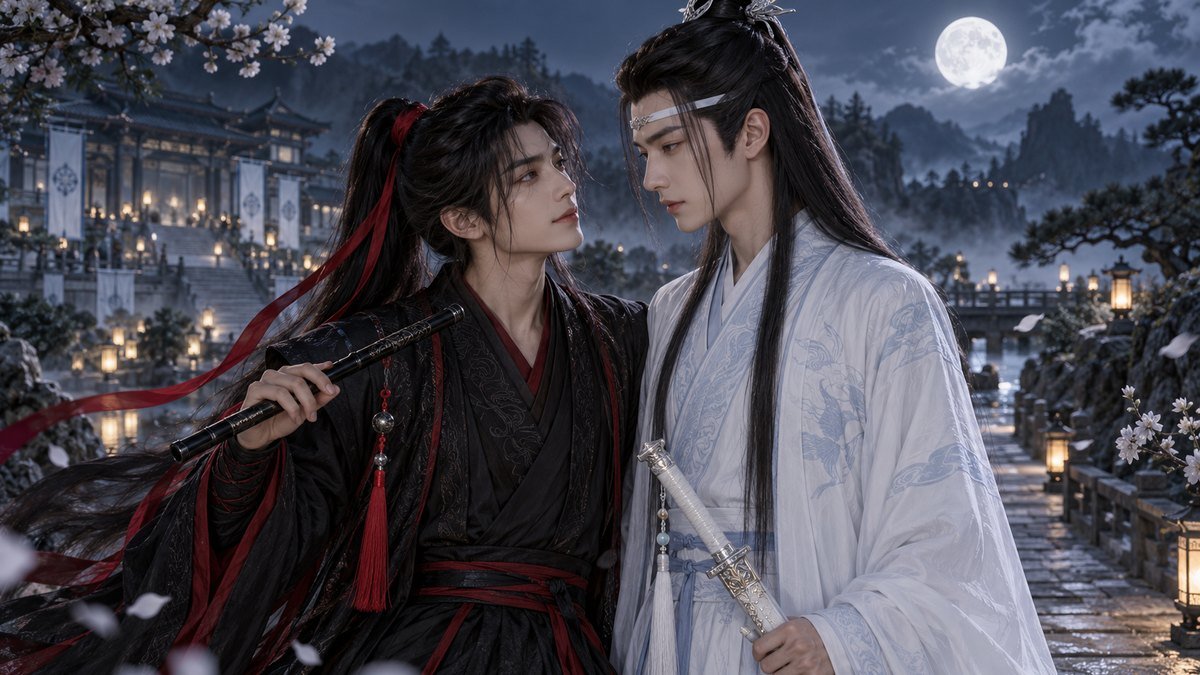
When Wei Wuxian says “Lan Zhan,” he reaches beneath public composure toward the person he first challenged, trusted, misunderstood, and eventually understood more deeply. When Lan Wangji says “Wei Ying,” the effect is equally direct. The exchange feels intimate because a more personal form of address passes between two people who usually live inside strict social expectations.
That intimacy is not always soft. A birth name can sound urgent, angry, frightened, or protective depending on the scene. Tone changes everything. When either man switches toward a fuller, more formal name, the emotional temperature can cool. Ceremony returns; distance briefly reappears.
This is why names belong inside relationship analysis rather than in a glossary alone. The address does not simply identify the listener. It tells us how the speaker is positioning himself in that moment. Their naming pattern becomes part of the gradual movement from conflict to recognition explored in The Untamed Relationship Analysis: 7 Powerful Insights.
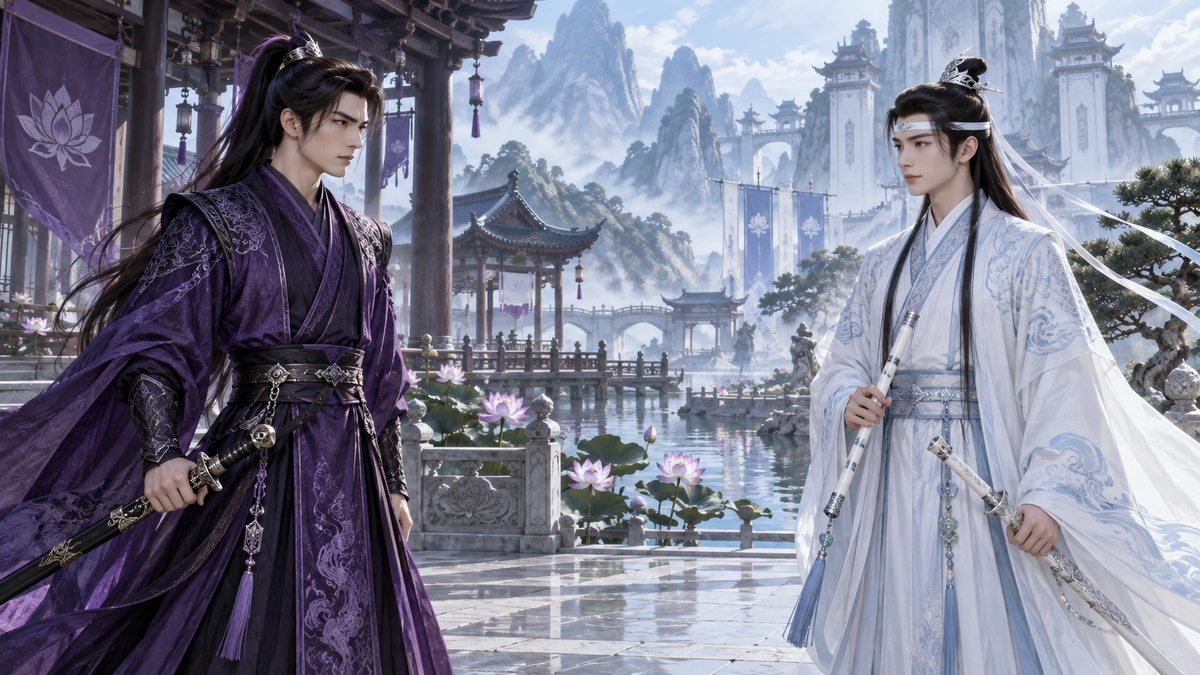
Jiang Wanyin and Lan Xichen — Courtesy Names Are Not Used Equally
Why Viewers Usually Hear “Jiang Cheng”
Jiang Cheng demonstrates why no simple chart can predict what viewers will hear most often. His birth name is Jiang Cheng, and his courtesy name is Jiang Wanyin. Yet audiences overwhelmingly know him as Jiang Cheng. The birth name dominates narration, subtitles, and fandom conversation far more than Wanyin.
That uneven usage makes emotional sense. Much of Jiang Cheng’s story is filtered through family, childhood, and the collapse of bonds formed at Lotus Pier. Wei Wuxian knows him as a brother and fellow disciple before either man becomes a public symbol. “Jiang Cheng” keeps that difficult history close to the surface, even after rank and bitterness place distance between them.
Wanyin, whose characters can evoke an “evening chant,” appears in more formal or pointed contexts. It can remind viewers that Jiang Cheng possesses an adult social identity beyond the angry younger brother remembered by Wei Wuxian. The rarity of the courtesy name is therefore revealing. It exposes the perspective through which audiences usually encounter him.
Lan Huan, Lan Xichen, and the Protection of Public Composure
Lan Xichen offers the opposite pattern. His birth name is Lan Huan, but the courtesy name Xichen is the identity most viewers know. As clan leader, elder brother, and one of the celebrated cultivators of his generation, he is almost always seen through public responsibility. His title, Zewu-jun, adds another layer of esteem.
The character associations in Xichen suggest dawn light and service or ministerial bearing. Those associations fit his luminous, composed presence, but they should be treated as literary echoes rather than proof of a single intended meaning. What matters dramatically is the contrast: “Lan Xichen” belongs comfortably in councils and formal alliances, while “Lan Huan” feels closer to the private man beneath leadership.
Together, Jiang Cheng and Lan Xichen show that The Untamed courtesy names do not follow a mechanical screen-time rule. One character may be remembered by a birth name and another by a courtesy name. Narrative viewpoint, family history, office, and social setting determine which identity becomes familiar.
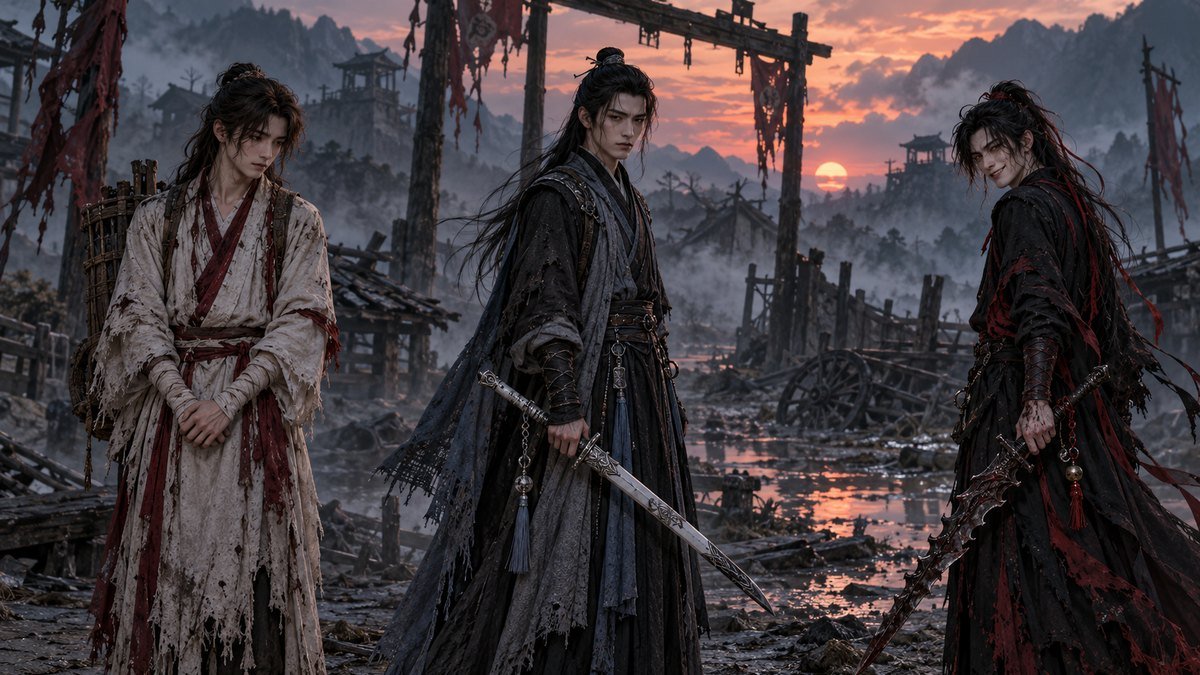
Wen Qionglin, Song Zichen, and Xue Chengmei — Names Beyond the Leads
Courtesy Names That Viewers Rarely Hear
Wen Ning’s courtesy name is Qionglin, written with characters often associated with fine jade and a grove or forest. Song Lan’s courtesy name is Zichen. Neither courtesy form is as familiar to many international viewers as the birth names Wen Ning and Song Lan. Subtitles, plot summaries, and fandom habits usually choose the names audiences recognize fastest.
Knowing the courtesy forms still helps. Qionglin can appear in formal introductions and in references that distinguish the shy young cultivator from the frightening public image of the Ghost General. Zichen helps explain why the same Yi City character may be identified differently across translations, guides, and fan discussions.
The contrast between Wen Ning and the Ghost General is especially powerful. One name keeps his gentle human identity visible; the other records how outsiders reduce him to a weapon. This is one reason the drama’s names contribute to the deeper character patterns collected in The Untamed Character Analysis: 12 Hidden Insights.
Xue Yang and the Irony of Chengmei
Xue Yang’s courtesy name is Chengmei. The characters can suggest “completing beauty” or “bringing goodness to completion.” Set beside his cruelty, intelligence, resentment, and delight in manipulation, the name produces an unmistakable sense of irony.
That irony should not be oversimplified into a claim that the name secretly proves he could have become good. It works more subtly. A courtesy name presents a socially meaningful identity, while Xue Yang repeatedly violates the moral order that such an identity might imply. The distance between the beauty of the name and the horror of his actions makes both more memorable.
His example also warns viewers against assuming every elegant name describes a character honestly. Names can express hope, education, social expectation, family intention, or authorial contrast. Sometimes the gap between a name and a life is the point.
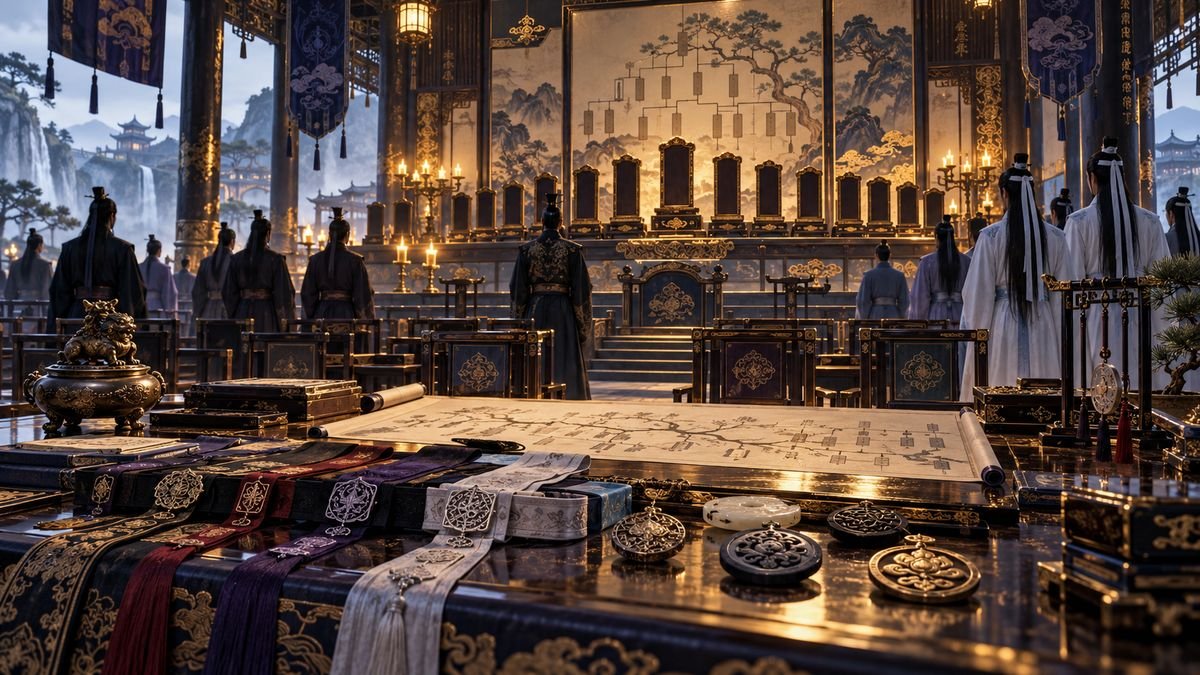
Titles, Kinship Terms, and Clan Rank Are Not Courtesy Names
Hanguang-jun, Yiling Laozu, Zewu-jun, and the Ghost General
The drama’s titles often sound so important that new viewers mistake them for additional courtesy names. Hanguang-jun, Yiling Laozu, Zewu-jun, Sandu Shengshou, and the Ghost General belong to a different system. They describe honor, place, reputation, achievement, fear, or a distinctive public identity.
Lan Zhan can therefore be Lan Wangji and Hanguang-jun at the same time. The three forms answer different questions: who he is personally, how adults address him socially, and how the cultivation world recognizes him. Wei Ying, Wei Wuxian, and Yiling Laozu operate in the same layered way, although his title is charged with far more suspicion.
Titles can become narrative traps. Once people say “Yiling Patriarch,” they may stop seeing the young man who sacrificed, protected, joked, and grieved. Once they say “Ghost General,” they may stop seeing Wen Ning. The title compresses a complicated life into a public story, which is exactly why the drama can use it to question reputation and judgment.
Why “Shijie,” “Er-gege,” and “Sect Leader” Matter
Relational terms add another layer. Shijie identifies an older martial sister, not a personal name. Er-gege expresses a familial or affectionate “second older brother.” “Sect Leader Jiang” and “Second Young Master Lan” foreground office and rank. Each term tells the listener which relationship matters in that exchange.
These forms may carry more emotion than a name. Wei Wuxian calling Jiang Yanli “shijie” evokes a shared home, training tradition, and family bond in a single word. Formal titles can do the reverse, placing institutional distance between people with painful personal history.
For viewers, the practical lesson is simple: do not ask only, “Which name is correct?” Several forms may be correct. Ask what kind of identity the speaker has chosen to recognize.
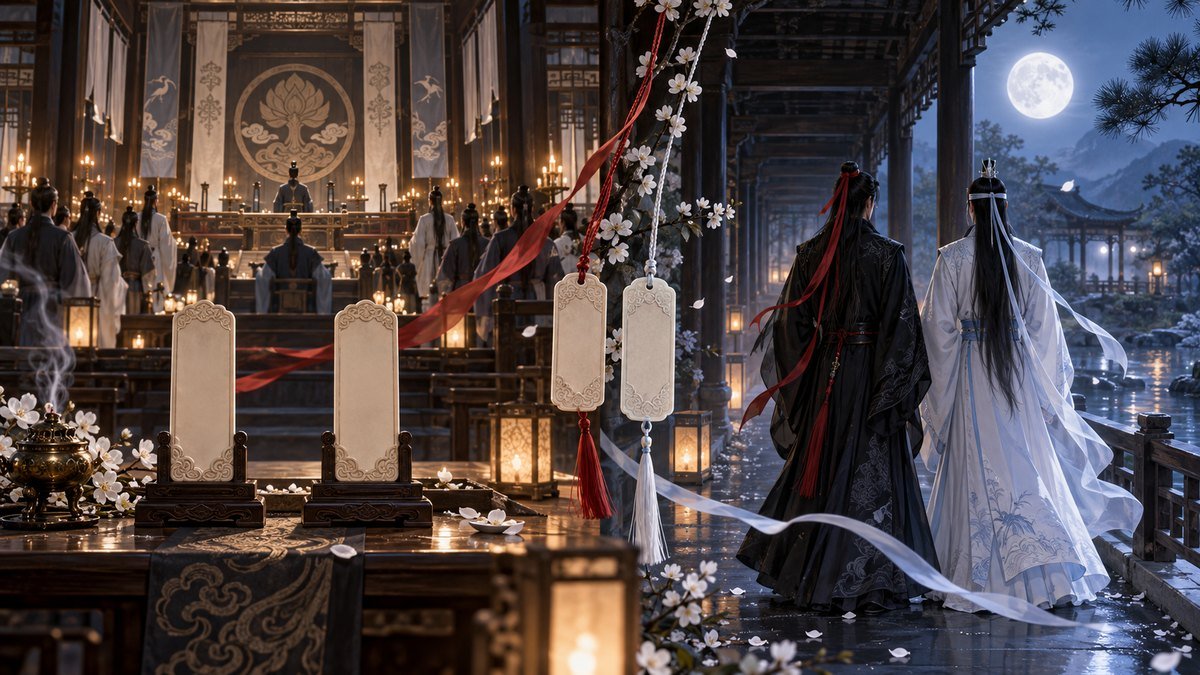
How to Read Name Choices Without Overinterpreting Them
Listen for Relationship, Setting, and Tone
When a name changes, begin with three questions. Who is speaking? Is the setting public or private? What is the emotional tone? A clan council encourages titles and courtesy names. A crisis may strip away formality. A childhood companion can use a birth name that would sound presumptuous from a stranger.
Then listen for contrast. If a character normally uses one form and suddenly chooses another, the change may signal affection, anger, warning, ceremony, or restored distance. The meaning comes from the pattern, not from a universal formula. “Lan Zhan” is emotionally significant because of who says it, how often, and under what circumstances.
Names also interact with body language and staging. A formal address spoken across a hall functions differently from the same name spoken quietly at close range. These small choices belong among the The Untamed Hidden Details: 10 Secrets You Missed that make rewatches rewarding.
Subtitles Can Flatten the Pattern
International subtitles must balance accuracy, space, readability, and audience familiarity. Some editions simplify honorifics or choose one familiar name consistently. A subtitle may therefore hide a shift that remains audible in Mandarin, or it may translate a title while leaving a courtesy name in pinyin.
This does not make subtitles useless. It simply means viewers should compare sound, context, and translation when a scene feels unusually intimate or formal. Character guides can help, but they should not turn flexible drama into a rigid etiquette test.
The safest reading is also the richest: names are evidence, not equations. They reveal patterns of closeness, respect, hierarchy, and public judgment, but tone and relationship decide how those patterns function in a particular moment.
Frequently Asked Questions
What is a courtesy name in The Untamed?
A courtesy name is an adult social name used alongside a person’s birth name. In the drama, Wei Ying is known by the courtesy name Wei Wuxian, while Lan Zhan is known as Lan Wangji. Courtesy names often support respectful public address, but the drama varies their use according to character and relationship.
Why does Wei Wuxian call Lan Wangji “Lan Zhan”?
Lan Zhan is Lan Wangji’s birth name. Wei Wuxian’s use of it signals unusual familiarity and emotional directness. The tone can be playful, urgent, angry, or tender, so the significance comes from their relationship and the specific scene rather than from intimacy alone.
Is Jiang Cheng’s courtesy name Jiang Wanyin?
Yes. Jiang Cheng is his birth name, and Wanyin is his courtesy name. However, the narrative and English-speaking fandom usually call him Jiang Cheng. That unusual prominence reflects the story’s closeness to his family history and Wei Wuxian’s perspective.
Is Hanguang-jun a courtesy name or a title?
Hanguang-jun is an honorific title, not a courtesy name. Lan Zhan is the birth name and Lan Wangji is the courtesy name. The title expresses his admired public reputation, while the other two forms identify personal and social identity.
Why do some characters use birth names more often than courtesy names?
Usage depends on narrative viewpoint, family relationships, rank, translation choices, and established habit. Jiang Cheng, Wen Ning, Song Lan, and Xue Yang are commonly known by birth names even though courtesy names are available for them. The variation is part of the characterization.
Do women in The Untamed have courtesy names?
The named women in the drama are generally not presented with separate courtesy names in the way many male cultivators are. Historical naming customs were complex, but viewers should follow the names actually supplied by the story rather than inventing missing courtesy forms.
Conclusion — Every Name Marks a Relationship
The Untamed courtesy names turn identity into a living part of the drama. A birth name can uncover the private person beneath discipline or reputation. A courtesy name can carry adult dignity into public life. A title can show how society celebrates, fears, or misunderstands someone. Kinship terms can hold an entire shared past.
That is why Wei Ying and Lan Zhan sound different from Wei Wuxian and Lan Wangji even though the same two men are standing before us. One pair reaches toward personal identity; the other belongs more comfortably to the social world around them. Neither pair is false. Their emotional force lies in the movement between them.
On your next rewatch, listen for the moment a speaker changes forms. Notice the room, the distance between the characters, and the emotion behind the voice. Which use of a birth name, courtesy name, title, or kinship term changes a scene most for you?
If you enjoy thoughtful fandom guides like this one, you can support future work through Ko-fi.
Fan-Favorite Collectibles & Gifts