The Untamed Villains: Why Evil Is Never Simple
It is easy to call a character evil when we stand safely outside the story. It is much harder when a cruel decision grows from a wound we understand, or when a polished hero belongs to a society that quietly rewards injustice. The Untamed villains stay with fans because the drama rarely lets explanation feel comfortable. It asks us to look at ambition, humiliation, fear, and resentment without pretending that suffering automatically makes violence forgivable.
That tension matters long after the final episode. Wen Ruohan appears close to a conventional tyrant, yet other antagonists resist a single label. Jin Guangyao can be attentive and ruthless. Xue Yang can inspire pity while committing horrifying acts. Su She turns humiliation into loyalty, then uses loyalty to avoid examining himself. Around them, the cultivation world condemns outsiders while protecting respected names.
This is not an argument that everyone is secretly innocent. Instead, it is an invitation to separate motive from excuse and pain from permission. By examining what these characters choose—and what their world rewards—we can see why good and evil never stay neatly apart.
What Makes a Villain in The Untamed?
Reputation is not the same as moral truth
The cultivation world loves a clean label. Once someone becomes righteous, dangerous, respectable, or corrupt in public memory, every later action is interpreted through that verdict. Wei Wuxian’s story exposes the danger. People who once benefited from his power quickly repeat rumors about him, while leaders with status receive patience that outsiders never get. Public agreement begins to look like proof.
This pattern shapes how we read The Untamed villains. A title such as “villain” can identify real harm, but it can also hide the process that produced it. The drama repeatedly asks viewers to notice the gap between reputation and conduct. Its most revealing characters do not fit the role assigned to them, which is why a broader The Untamed Character Analysis: 12 Hidden Insights adds useful context to the masks, silences, and reversals scattered through the story.
Intent, injury, and accountability
Understanding a motive is not the same as excusing an action. Jin Guangyao’s humiliation explains his hunger for control, but it does not absolve murder. Xue Yang’s childhood explains why cruelty became his language, but it does not make his victims less real. A meaningful moral reading must hold two truths at once: someone can be deeply wounded and still responsible for the wounds they inflict.
That distinction keeps the drama from becoming sentimental. It offers context without demanding forgiveness and compassion without surrendering judgment. The question is not merely whether an antagonist suffered. It is what that person did with suffering when another choice remained.
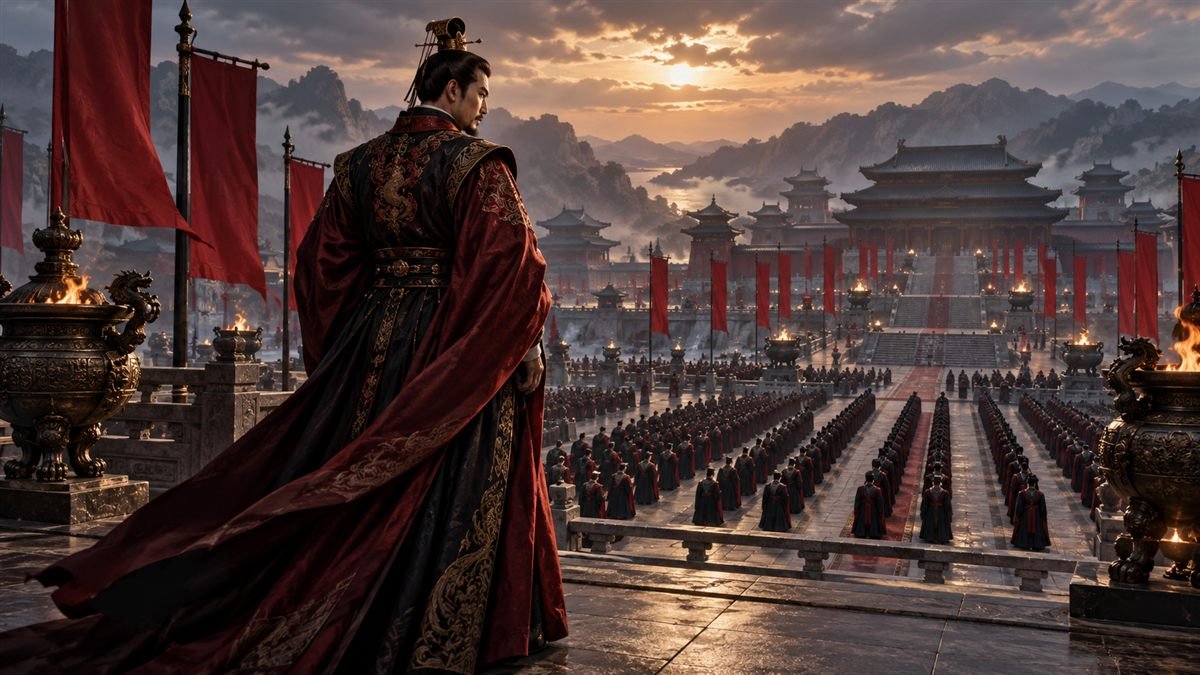
Wen Ruohan and Power Without Restraint
A ruler who makes fear feel ordinary
Wen Ruohan is the clearest tyrant in the drama. His pursuit of the Yin Iron is not presented as a desperate response to rejection; it is an expansion of power already treated as entitlement. He believes strength authorizes obedience, so fear becomes an administrative tool rather than an emotional outburst. The horror lies in how quickly his ambition becomes ordinary life for everyone below him.
Unlike the most conflicted The Untamed villains, he offers little evidence of remorse. That relative simplicity serves an important purpose. Wen Ruohan establishes the brutal order against which later moral compromises develop. His rule teaches clans to think in terms of survival, prestige, and strategic silence. Even those who oppose him may absorb the idea that power, rather than truth, decides whose suffering counts.
The followers who turn ambition into a system
Tyranny is never the work of one person alone. Wen Ruohan’s sons, soldiers, and administrators translate private ambition into public terror. Some enjoy cruelty; others obey because disobedience is dangerous. The result is the same for the people trapped beneath them. Harm becomes distributed across a hierarchy until every participant can pretend that responsibility belongs somewhere else.
The clan structure makes that pattern especially visible. Symbols of loyalty, lineage, and honor can inspire courage, but they can also protect authority from scrutiny. The relationships explained in The Untamed Clans Explained: Rivalries, Loyalty, and Tragedy show why institutional identity matters so much: characters inherit not only family bonds, but also old fears and rules about who deserves obedience.
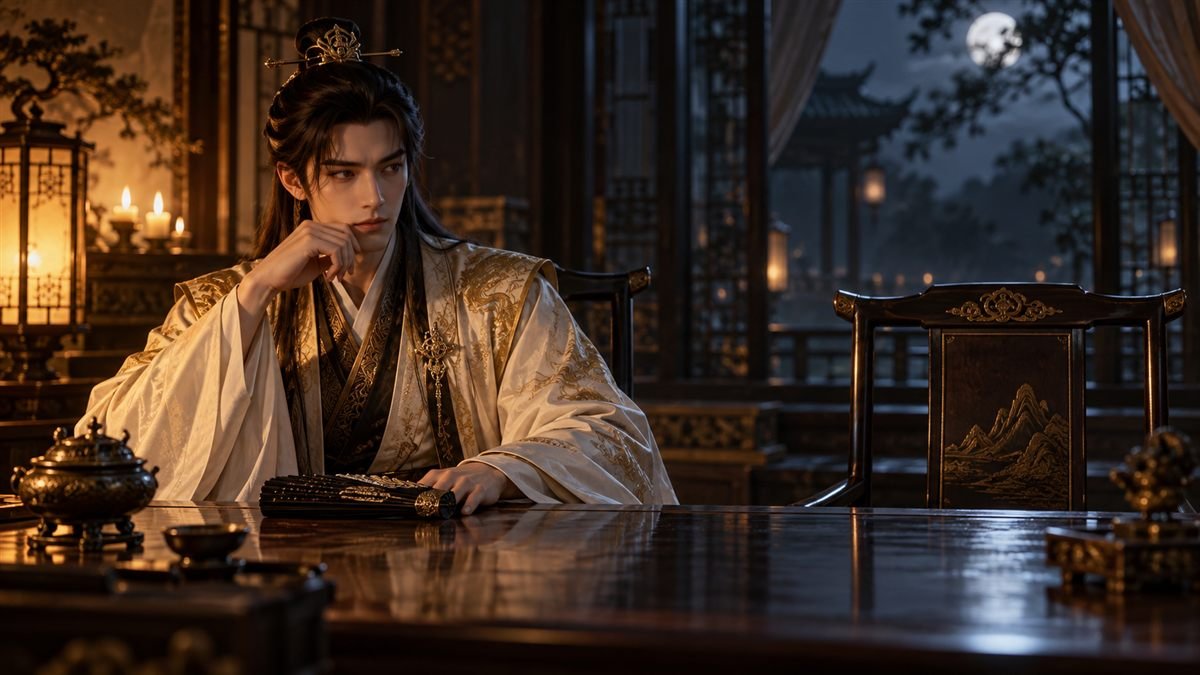
Jin Guangyao, the Most Complicated of The Untamed Villains
The wound beneath the perfect smile
Jin Guangyao understands that courtesy can be armor. Born into a world that treats his mother’s profession and his own illegitimacy as permanent stains, he learns to watch a room before he enters it. He remembers insults, anticipates needs, and becomes indispensable because belonging is never offered freely. His intelligence is not simply ambition; it is a survival skill sharpened by repeated humiliation.
That history makes him painfully legible. Many viewers recognize the exhaustion of having to be twice as useful for half the respect. Yet his tragedy begins when survival turns into an insistence that no one may ever threaten his position again. The smile remains, but it becomes a curtain behind which he controls information, relationships, and eventually life itself.
Care and manipulation can exist together
Jin Guangyao unsettles us because his tenderness is not necessarily fake. He can value Lan Xichen’s trust and still exploit it. He can remember kindness while arranging cruelty elsewhere. Human affection and calculated harm do not cancel each other; in his case, they coexist. That contradiction feels more disturbing than a villain who never loves anyone, because it suggests that love alone does not guarantee moral courage.
A common fan reading treats his final choices as proof that some attachments remained sincere. Even then, sincerity does not undo manipulation. It only makes the betrayal more intimate. The emotional force of his ending depends on this double vision: we can see the person who wanted dignity and the person who destroyed others to secure it.
Understanding the motive does not erase the choice
Among The Untamed villains, Jin Guangyao most strongly tempts viewers to replace judgment with explanation. The drama resists that shortcut. Social prejudice narrows his path, but he repeatedly chooses secrecy and elimination over vulnerability. His brilliance creates possibilities; it also creates more efficient ways to harm.
His fate therefore feels both earned and mournful. The larger pattern explored in Character Fate Analysis in The Untamed: Hidden Meanings helps explain why consequences in the drama rarely arrive as simple punishment. They expose what a character feared, protected, and refused to release.
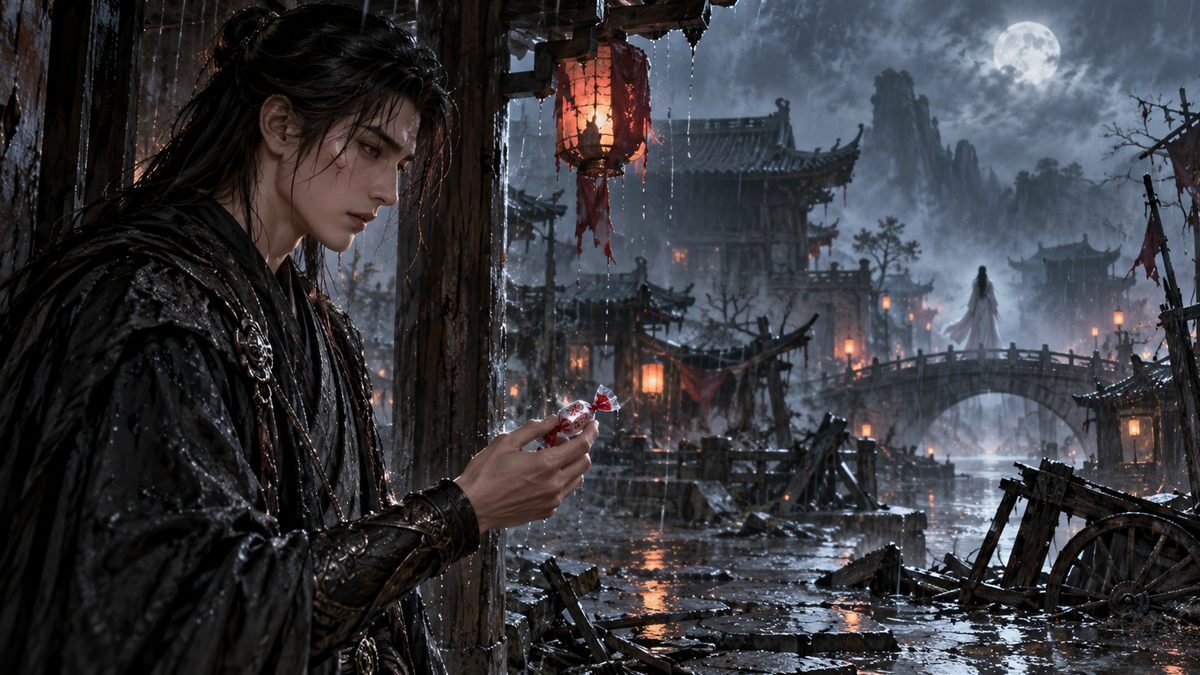
Xue Yang and the Point Where Pain Becomes Cruelty
A childhood wound turned into a worldview
Xue Yang turns one childhood injury into a philosophy: if the world treats a powerless child as disposable, then power must mean the freedom to make others suffer. His anger is understandable at its origin. What follows is not. Instead of protecting the vulnerable person he once was, he recreates that helplessness in other people and calls the result justice.
Trauma explains the intensity of his rage, but it cannot account for every deliberate choice. He enjoys control, tests boundaries, and treats lives as pieces in an argument only he needs to win. The distinction matters because not every wounded character becomes cruel. Pain creates pressure; character is revealed in how that pressure is answered.
Yi City reveals the connection he cannot name
Yi City gives Xue Yang a temporary version of belonging. Living beside Xiao Xingchen offers routine, attention, and the strange comfort of being seen without being recognized. Yet he cannot accept connection without control. He poisons the relationship through deception, turning Xiao Xingchen’s compassion into a weapon against innocent people.
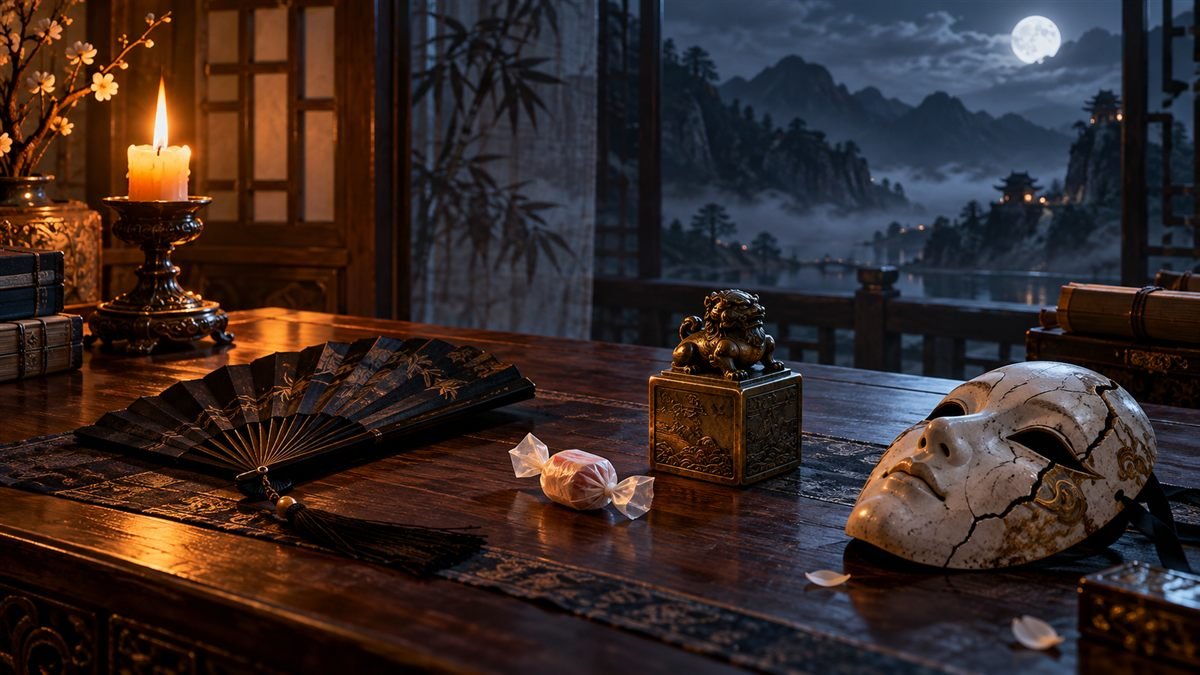
The candy he keeps becomes one of the drama’s most painful symbols. It suggests longing reduced to something small enough to hold after the person who offered kindness is gone. Still, the symbol does not erase Song Lan’s suffering, A-Qing’s terror, or Xiao Xingchen’s devastation. It shows what Xue Yang wanted only after his actions made it impossible.
Pity is not the same as forgiveness
The best reading of Xue Yang does not force a choice between monster and victim. He was victimized, and he became monstrous. Both statements remain true. That is why he belongs among the most emotionally difficult The Untamed villains: pity arrives, but forgiveness never becomes an obligation.
His story shares the drama’s larger interest in characters whose pain outlives them. Saddest Characters in The Untamed: 10 Heartbreaking Stories offers another way to explore how grief, injustice, and missed chances echo beyond a single arc.
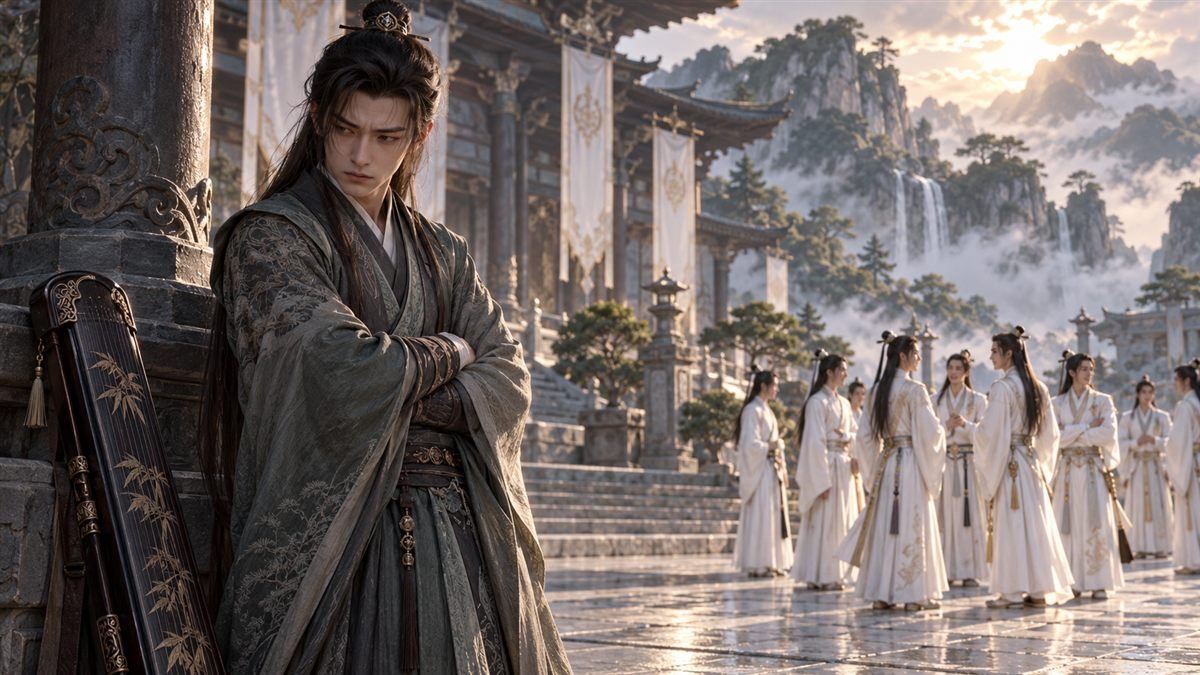
Su She and the Villainy of Resentment
What humiliation becomes when it is never examined
Su She is not driven by imperial ambition or chaotic cruelty. His danger grows from comparison. He measures himself against Lan Wangji, hears every correction as contempt, and treats respect as something other people are withholding. Resentment allows him to protect his pride: if the world is unfair, then he never has to ask whether his own choices deserve admiration.
This makes his arc uncomfortably ordinary. Many antagonists begin with a spectacular wound; Su She begins with the familiar ache of feeling overlooked. Instead of turning that ache into discipline or self-knowledge, he converts it into grievance. Each slight becomes evidence, and each act of retaliation makes the next one easier.
Loyalty can become permission
His loyalty to Jin Guangyao contains gratitude. Jin Guangyao remembers him and offers the recognition he craves. But loyalty also becomes a hiding place. By making another man the center of his moral world, Su She avoids responsibility for what he chooses to support. Devotion becomes permission.
Their bond demonstrates why relationships in the drama cannot be judged by intensity alone. As The Untamed Relationship Analysis: 7 Powerful Insights suggests, connection can reveal courage, dependency, fear, or self-deception. Su She’s commitment is real, yet reality does not make it righteous.
Is the Cultivation World the Real Villain?
A society that protects status before truth
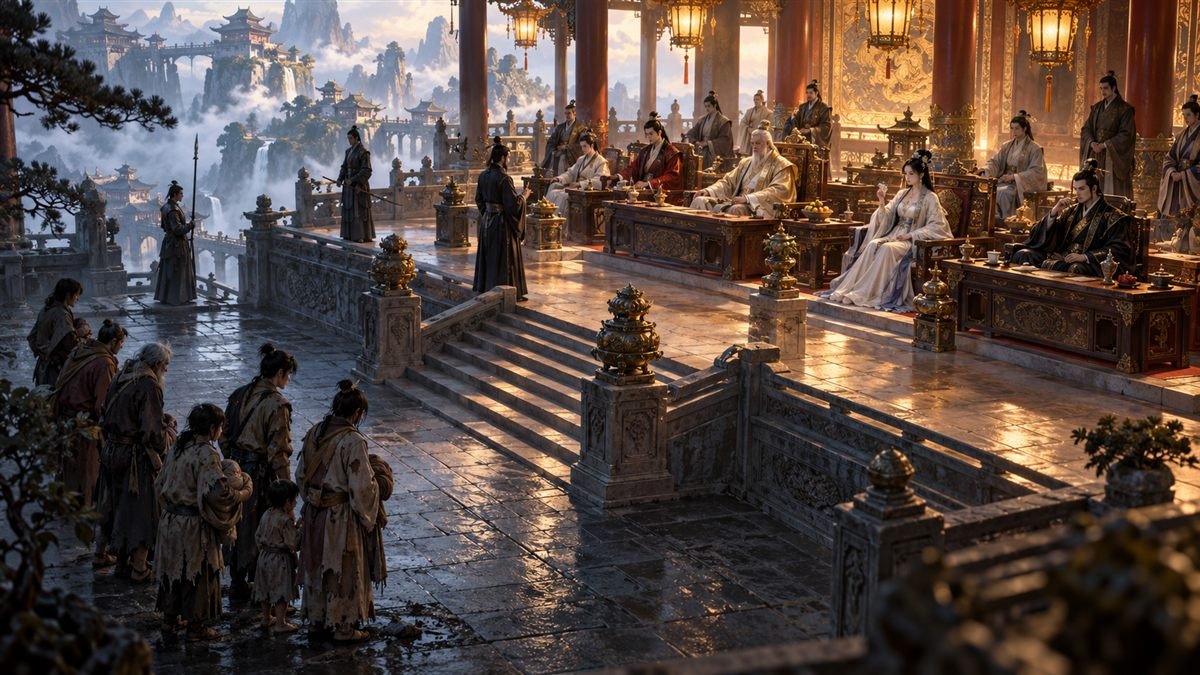
Calling the cultivation world “the real villain” may sound too convenient. Institutions do not make individual choices disappear. Still, the drama shows a culture that repeatedly protects rank before truth. Rumor becomes evidence when it targets an outsider; cruelty becomes strategy when it benefits a powerful clan. Collective punishment is accepted until someone beloved stands among the condemned.
This hypocrisy does more than provide a backdrop for The Untamed villains. It creates incentives. Jin Guangyao learns that a polished reputation can hide almost anything. Su She learns that recognition matters more than integrity. Sect leaders learn that joining a crowd is safer than questioning it. Even righteous language can become a tool for preserving comfort.
The people labeled dangerous expose the system
Wei Wuxian and the Wen remnants reveal the system by refusing the roles it assigns them. The survivors are called dangerous because of their name, not their conduct. Wei Wuxian becomes suspect because his power sits outside approved tradition. Their treatment proves that moral judgment in this world often begins with identity and works backward toward justification.
The debate around cultivation itself deepens that point. The Untamed Demonic Cultivation Explained: 9 Hidden Meanings explores why feared power becomes a screen onto which society projects anxiety. The tool may be dangerous, but the label placed on its user can be even more politically useful.
Why the drama refuses a clean moral ending
The cultivation world is culpable, but it is not a person who can be defeated in one final confrontation. Its habits survive inside rituals, alliances, and memories. That is why the ending offers personal truth without promising universal reform. Some characters understand more than they did before; the system remains capable of repeating itself.
This refusal creates the drama’s moral weight. Evil is not located in a single artifact or bloodline. It grows when pain becomes entitlement, when loyalty replaces conscience, and when communities prefer a useful story to an inconvenient truth. Individual choices matter, and so do the worlds that make certain choices easy.
Frequently Asked Questions
Who is the main villain in The Untamed?
Wen Ruohan is the clearest central villain in the early conflict because he uses military power and the Yin Iron to dominate other clans. Later arcs shift attention toward Jin Guangyao and other antagonists. The drama does not rely on one villain throughout; it gradually moves from open tyranny to more intimate forms of manipulation and resentment.
Why is Jin Guangyao considered a villain?
Jin Guangyao is considered a villain because he repeatedly uses deception, coercion, and murder to protect his position. His experiences of prejudice make his motives understandable, but they do not absolve his choices. His complexity comes from the fact that genuine affection, social injury, intelligence, and calculated harm all coexist within him.
Is Xue Yang evil or traumatized?
Xue Yang is both a traumatized person and someone responsible for deliberate cruelty. His childhood injury helps explain his rage and obsession with power, but it does not excuse what he does in Yi City. The story encourages pity for the child he was without requiring forgiveness for the adult he becomes.
Is Wen Ruohan morally complex?
Wen Ruohan is less morally conflicted than several other antagonists. The drama presents him primarily as an authoritarian ruler whose hunger for power damages every clan around him. His importance lies less in hidden tenderness than in showing how unchecked authority turns cruelty into a system that other people enforce.
Why did Su She follow Jin Guangyao?
Su She follows Jin Guangyao partly because Jin Guangyao offers the recognition he feels others denied him. Gratitude and resentment reinforce each other. Their alliance gives Su She a sense of importance, but it also lets him frame harmful choices as loyalty instead of confronting his own insecurity and agency.
Does The Untamed forgive its villains?
No single answer applies to all The Untamed villains. The drama gives several antagonists emotional context, but context is not the same as forgiveness. Viewers may understand how humiliation, trauma, or exclusion shaped them while still holding them accountable for the suffering they deliberately caused.
Conclusion — Understanding Is Not Forgiveness
The most memorable antagonists are rarely frightening because they are completely alien. They frighten us because part of their reasoning feels familiar. The need to belong, the shame of being dismissed, the desire to control what once caused pain—these emotions are human. The Untamed villains become tragic when those emotions harden into permission to harm.
Wen Ruohan shows what power looks like without restraint. Jin Guangyao reveals how social cruelty can shape someone who later chooses cruelty of his own. Xue Yang turns injury into a worldview, while Su She lets resentment decide what loyalty means. Around them, the cultivation world rewards reputation, punishes difference, and gives injustice the language of righteousness.
Understanding these forces does not erase responsibility. It makes responsibility more precise. We can mourn the person someone might have become while condemning what that person chose to do. That moral tension is one reason the drama still inspires passionate discussion: every rewatch changes which silence, smile, or compromise feels most revealing.
If thoughtful fandom analysis like this adds something to your rewatch, you can gently support future articles through Ko-fi. Which antagonist do you find the most difficult to judge, and why?
Fan-Favorite Collectibles & Gifts