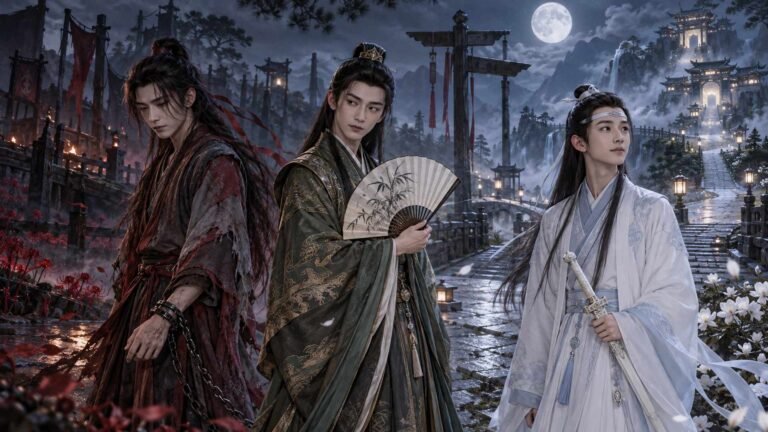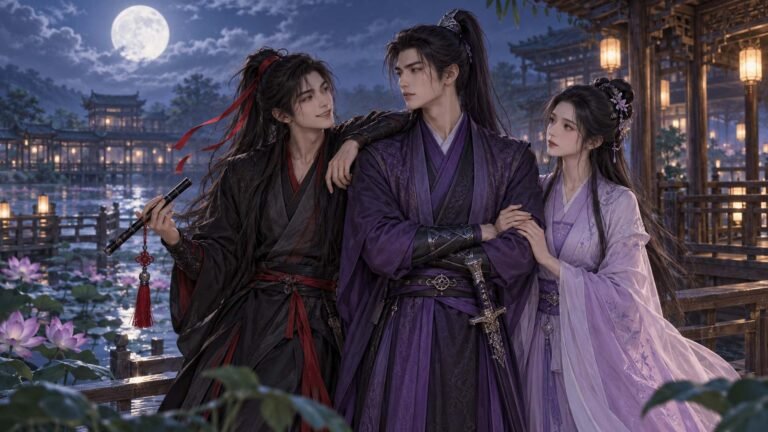
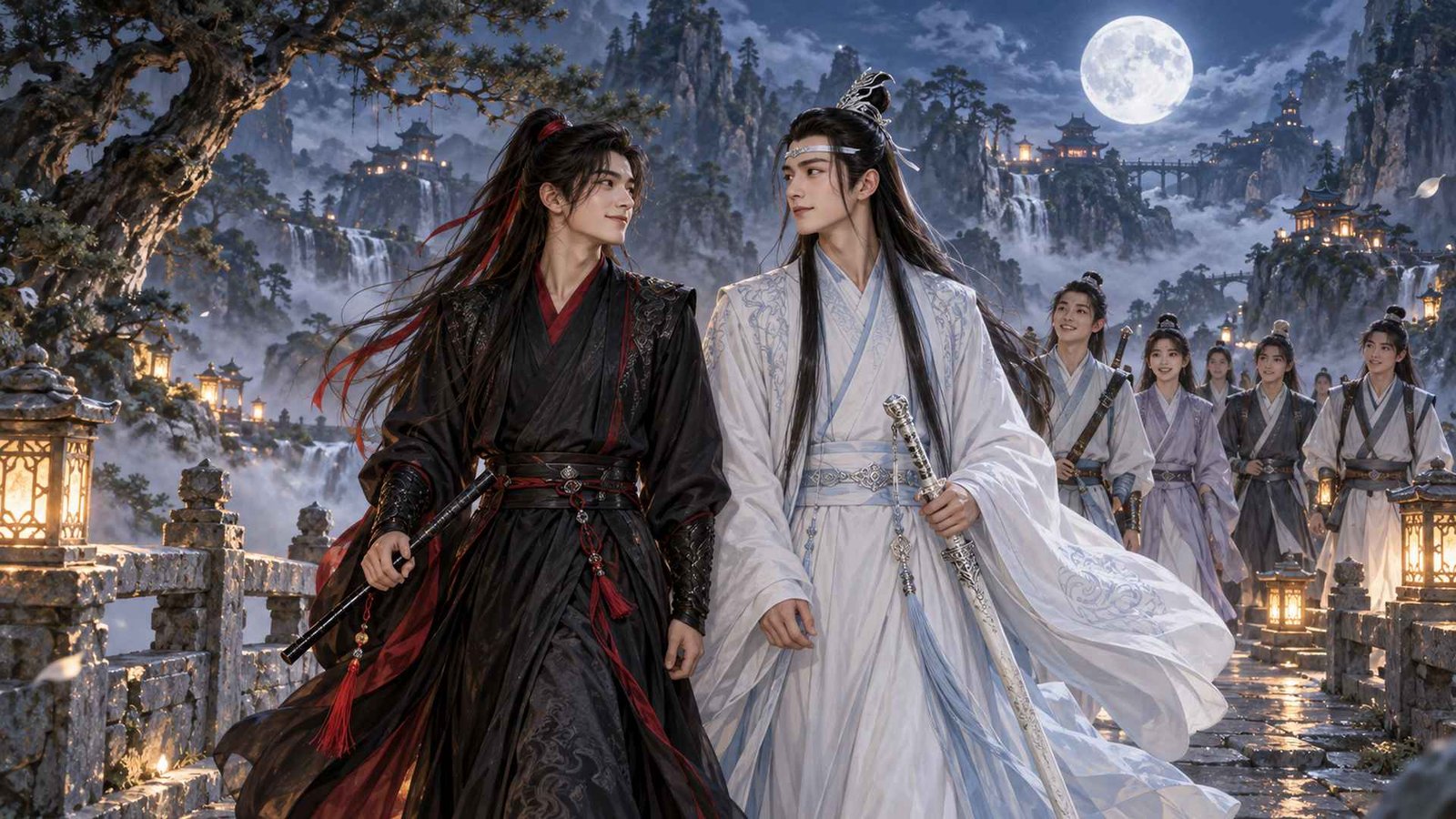
The Untamed Friendship Themes: Loyalty & Trust
The Untamed friendship themes reveal why loyalty, trust, and meaningful connections carry such emotional weight throughout the drama. In The Untamed, friendship is rarely easy, private, or free from consequence. A friend may come from a rival clan, defend an unpopular truth, remember a person everyone else has reduced to a rumor, or remain present when public approval disappears. The drama makes every bond answer the same difficult question: when loyalty to a person conflicts with loyalty to a family, institution, or reputation, what will you choose?
That tension gives The Untamed friendship themes their unusual emotional weight. The series contains brotherhood, sworn alliances, mentorship, gratitude, rivalry, found family, and a central relationship that deliberately exceeds a single label. Yet the most meaningful connections share a pattern. They grow through attention, are tested by power, and survive only when characters learn to see one another clearly.
This is why the friendships remain compelling even when they break. The story does not suggest that affection automatically creates understanding. It asks whether care can become action, whether trust can withstand uncertainty, and whether truth can be spoken before silence turns harmful. Looking across the drama’s major bonds reveals friendship as one of its deepest moral languages.
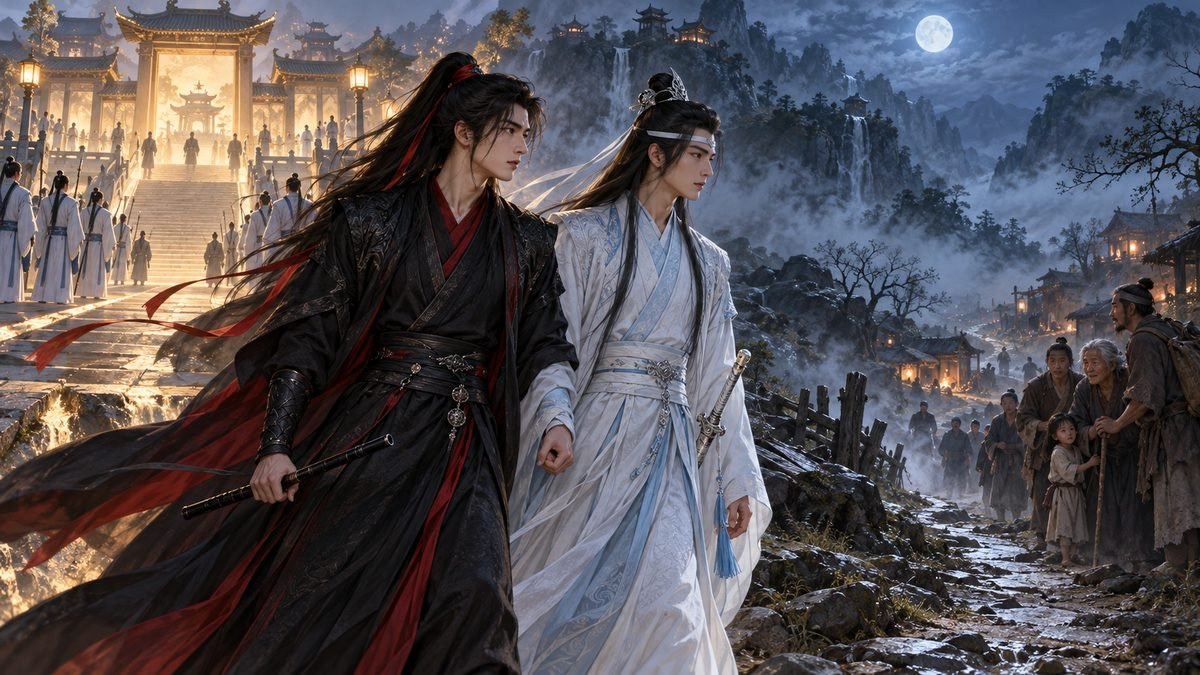
Friendship Is a Moral Choice, Not Background Comfort
Many fantasy dramas use friendship to provide relief between battles. The Untamed, however, gives friendship a much deeper role. The cultivation world organizes people by clan, bloodline, reputation, and rank. These systems often determine whom characters should trust before they have a chance to judge anyone for themselves. Friendship challenges those expectations because it begins with personal recognition rather than inherited status.
Wei Wuxian repeatedly notices people whom the larger world ignores, including civilians without influence, members of defeated clans, and individuals whose reputations have overshadowed their humanity. Other characters must decide whether to trust what they witness or accept the safer judgment of the crowd. This conflict makes friendship a meaningful moral choice rather than a simple source of comfort.
As a broader analysis of relationships in The Untamed shows, loyalty and sacrifice gain emotional power when characters face social pressure.
Three Qualities of Meaningful Friendship
Three qualities make The Untamed friendship themes especially meaningful: recognition, presence, and truth.
Recognition means seeing the whole person rather than accepting labels such as hero, traitor, clan heir, or Ghost General. Wei Wuxian demonstrates this quality when he treats vulnerable people with dignity, even when others condemn them.
Presence transforms affection into action. A meaningful friend stays, listens, and offers support when walking away would be easier. Lan Wangji’s developing loyalty to Wei Wuxian demonstrates how personal conviction can become stronger than public expectations.
Truth gives friendship its moral foundation. Genuine friends must sometimes question one another, challenge dangerous decisions, and express uncomfortable concerns. Without honesty, loyalty can become blind approval.
These qualities explain why unconditional support does not mean agreeing with everything another person does. Lan Wangji can believe in Wei Wuxian’s moral purpose while questioning his choices. Wen Ning can express gratitude without surrendering his independence. Likewise, the younger disciples can respect their elders without accepting every inherited prejudice.
Why Small Acts of Friendship Matter
The Untamed friendship themes also emerge through ordinary moments that carry extraordinary emotional meaning. Sharing food, making room at a table, cooperating during a night hunt, or recognizing a familiar melody can communicate more than an elaborate speech.
Such gestures show that friendship develops through attention and consistency. In a world where rumors frequently distort the truth, remembering someone’s kindness becomes an act of resistance.
Ultimately, the drama suggests that meaningful friendship requires more than shared experiences or emotional attachment. It asks characters to recognize one another’s humanity, remain present during difficult moments, and choose honesty even when the truth carries consequences.
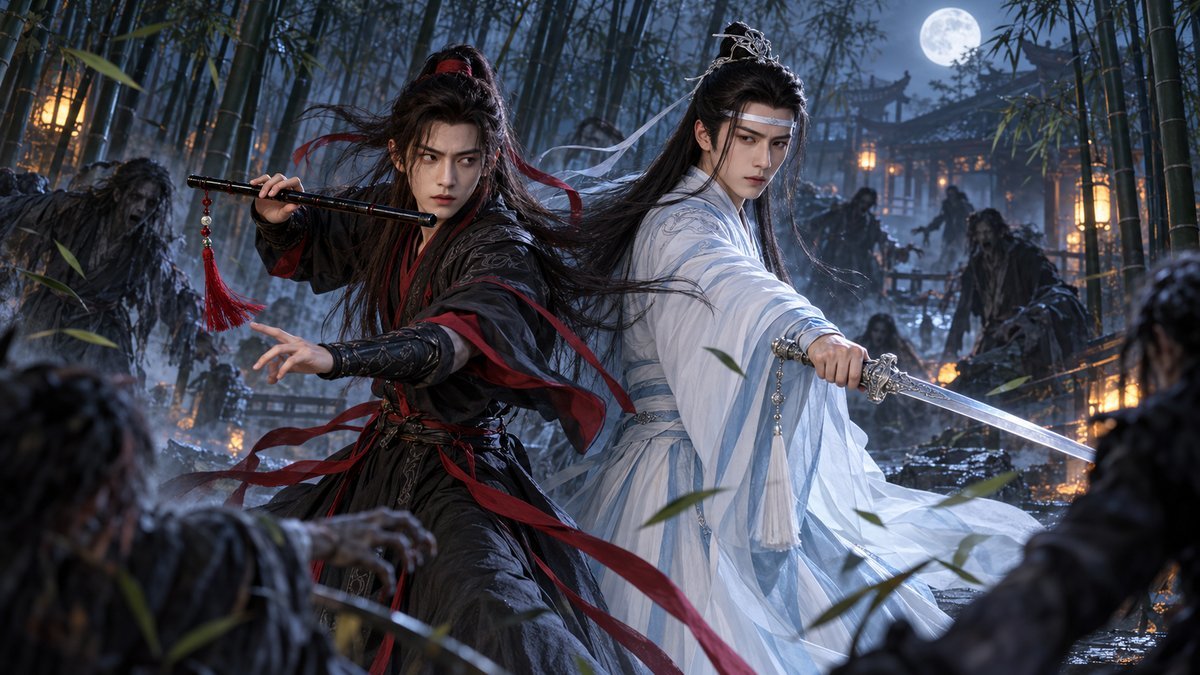
Wei Wuxian and Lan Wangji: Trust Built Through Difference
Wei Wuxian and Lan Wangji offer the drama’s most compelling exploration of a bond that grows through differences. At Cloud Recesses, their personalities appear almost incompatible. Wei Wuxian is expressive, spontaneous, and willing to challenge established rules. Lan Wangji is reserved, disciplined, and deeply committed to order.
Yet their contrasting personalities do not prevent them from recognizing each other’s values. Both possess a strong sense of justice, even though they express their convictions in different ways. Their early disagreements establish the foundation for a relationship built on respect rather than unquestioning agreement.
From Conflict to Mutual Understanding
Respect begins long before Wei Wuxian and Lan Wangji fully understand each other.
Lan Wangji gradually discovers that Wei Wuxian’s playful behavior often conceals careful observation, intelligence, and compassion. Meanwhile, Wei Wuxian learns that Lan Wangji’s quiet personality reflects deep thought rather than emotional distance.
As they face danger together, their understanding develops into practical trust. They learn to recognize each other’s intentions, anticipate decisions, and offer protection without always needing explanations.
Their growing connection demonstrates that friendship does not require identical personalities. Instead, meaningful relationships emerge when individuals look beyond surface differences and recognize shared principles.
A detailed WangXian relationship analysis explores how their bond develops through disagreement, cooperation, and emotional growth.
Their early connection also becomes more interesting when viewed through the filming process. Fans can revisit Their First Scene Together? Behind the Scenes of This Iconic Moment in The Untamed for another perspective on the characters’ developing on-screen dynamic.
When Trust Becomes a Moral Choice
The Untamed friendship themes become especially powerful when personal loyalty conflicts with public judgment.
As Wei Wuxian’s reputation deteriorates, much of the cultivation world begins to judge him through fear, rumors, and political interests. Lan Wangji faces a difficult choice between following established expectations and trusting the person he has come to understand.
His earlier inability to intervene decisively becomes a source of lasting regret. Through that experience, he learns that recognizing injustice privately is not enough. Genuine loyalty sometimes requires visible action, especially when defending someone carries personal consequences.
After Wei Wuxian returns, their relationship reflects this hard-earned understanding. Lan Wangji offers support without demanding constant explanations, while Wei Wuxian gradually becomes more willing to accept help.
Their cooperation feels calmer and more balanced because both have experienced the consequences of misunderstanding, separation, and silence.
The journey from rivals to soulmates illustrates how repeated choices strengthen their emotional connection.
Within the live-action drama, viewers may interpret their relationship as profound friendship, spiritual partnership, romantic devotion expressed through the adaptation’s constraints, or a combination of these meanings. Regardless of interpretation, their bond emphasizes mutual recognition, personal freedom, and freely chosen loyalty.
Neither man demands that the other abandon his identity to preserve their relationship. Instead, their connection allows both characters to follow their consciences more fully.
Ultimately, Wei Wuxian and Lan Wangji demonstrate one of the most hopeful ideas within The Untamed friendship themes: genuine trust does not erase differences. It grows when two people continue to listen, understand, and stand beside each other despite those differences.
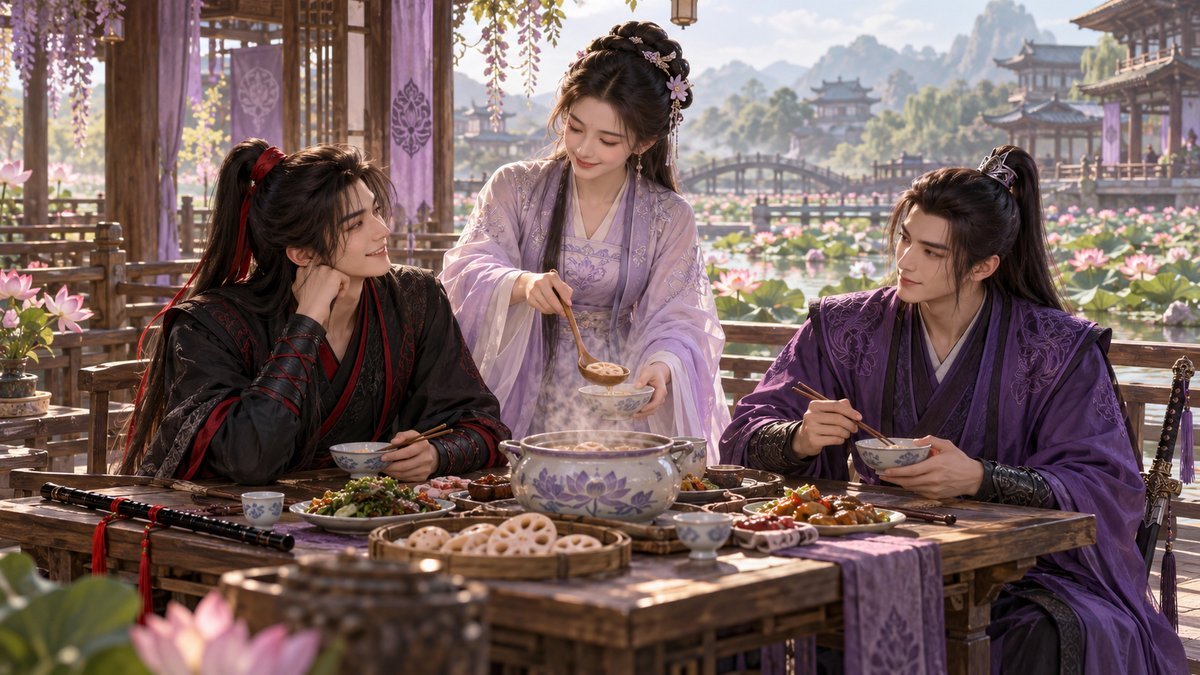
The Yunmeng Trio: When Friendship and Family Become Inseparable
The relationship among Wei Wuxian, Jiang Cheng, and Jiang Yanli reveals how friendship and family can become deeply intertwined. Although they grow up together as siblings, differences in bloodline, clan status, and family expectations continually shape their relationships.
At Lotus Pier, their shared childhood creates a sense of belonging. Playful arguments, familiar routines, shared meals, and Jiang Yanli’s gentle care establish a home filled with affection. Their connection develops through everyday experiences rather than formal promises.
However, the warmth of their childhood cannot completely erase the inequalities within the household. Jiang Cheng carries the responsibilities of the Yunmeng Jiang heir, while Wei Wuxian occupies a more uncertain position despite the family’s affection for him.
Jiang Yanli often becomes the emotional bridge between them. Her kindness provides reassurance when pride, jealousy, or insecurity makes honest communication difficult.
When Family Duty Conflicts With Personal Loyalty
The Untamed friendship themes become particularly heartbreaking when family obligations begin to challenge personal loyalty.
After the destruction of Lotus Pier, Jiang Cheng must confront the enormous responsibility of rebuilding his clan. His decisions increasingly reflect the pressures of leadership, reputation, and survival.
Wei Wuxian, meanwhile, follows a broader sense of moral responsibility. His determination to protect innocent people, including the surviving Wen clan members, places him in direct conflict with the expectations of the cultivation world.
Although both men care deeply about their family, they understand loyalty differently. Jiang Cheng often associates loyalty with protecting the clan and preserving its future. Wei Wuxian believes loyalty must also extend to vulnerable individuals, even when helping them creates personal danger.
Neither perspective eliminates the emotional significance of their shared past. Instead, their disagreement reveals how love can become strained when people face incompatible responsibilities.
The drama’s clan rivalries and loyalties provide important context for understanding why their personal conflict becomes so difficult to resolve.
The Cost of Unspoken Sacrifice
One of the most painful aspects of the Yunmeng trio’s relationship is the way love becomes entangled with secrecy.
Wei Wuxian’s decision to sacrifice his golden core for Jiang Cheng represents an extraordinary act of devotion. He hopes to protect his brother’s future and preserve his dignity, but he chooses to conceal the truth.
That secrecy creates a painful contradiction. Although Wei Wuxian acts out of love, his silence prevents Jiang Cheng from understanding the sacrifice or responding with full knowledge.
Years later, the revelation forces Jiang Cheng to reconsider his memories, resentment, and assumptions. Yet discovering the truth cannot immediately repair years of emotional distance.
Jiang Yanli’s role makes this tragedy even more affecting. Throughout their lives, she offers both brothers a sense of unconditional belonging. Her familiar soup symbolizes ordinary affection, comfort, and the possibility of returning home.
She cannot
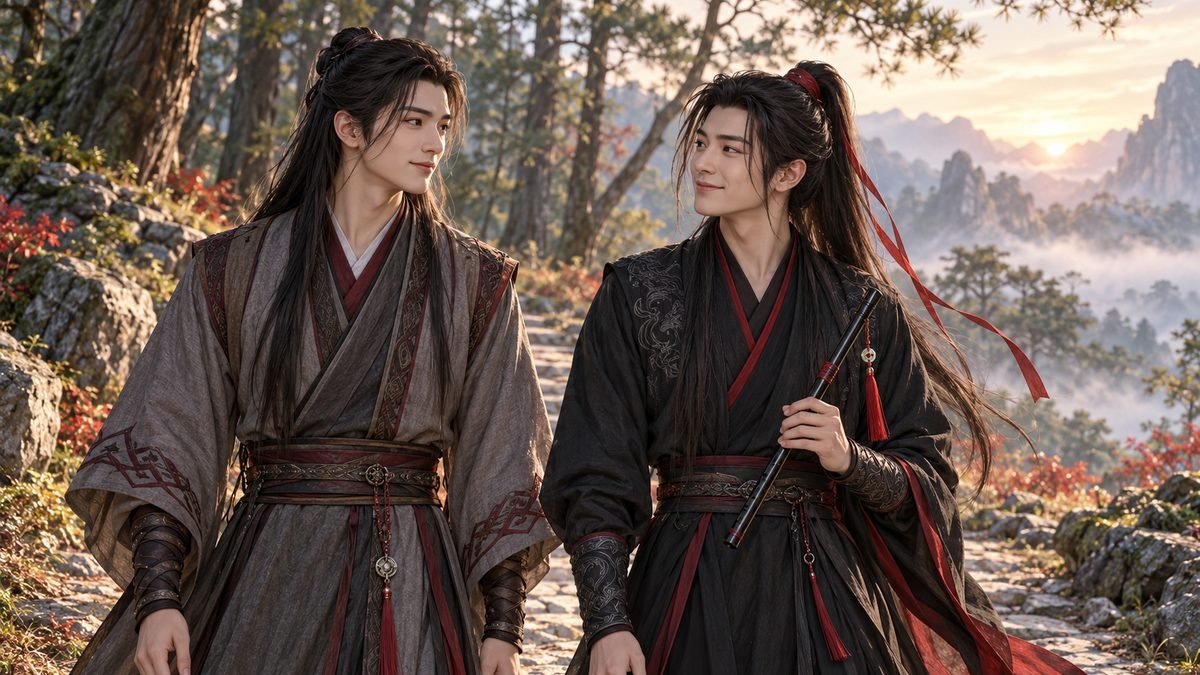
Wen Ning and Wei Wuxian: Kindness Without Ownership
Wen Ning and Wei Wuxian share one of the most compassionate friendships in The Untamed. Their connection begins with a simple but meaningful act: Wei Wuxian treats Wen Ning with kindness and respect when others often overlook his quiet personality.
Wen Ning initially appears shy, uncertain, and easily intimidated. However, Wei Wuxian recognizes his sincerity rather than judging him by his clan identity or apparent weakness.
That early recognition becomes the foundation of their friendship. When the destruction of Lotus Pier places Wei Wuxian and Jiang Cheng in danger, Wen Ning risks his own safety to help them. His actions demonstrate that kindness can inspire courage and lasting loyalty.
Their relationship develops through mutual care rather than formal obligations. Although Wen Ning remembers Wei Wuxian’s compassion, their connection carries greater meaning than a simple debt of gratitude.
Friendship Beyond Gratitude and Obligation
The Untamed friendship themes explore an important distinction between gratitude and genuine friendship.
After the fall of the Wen clan, the cultivation world condemns many surviving Wen members because of their family identity. Wei Wuxian refuses to accept collective punishment and chooses to protect vulnerable survivors, including Wen Ning.
His decision reflects his belief that people deserve judgment based on their actions rather than their bloodline.
Following Wen Ning’s death, Wei Wuxian restores him to an unusual form of existence. This intervention preserves Wen Ning’s presence but also creates serious moral complications. His transformation into the Ghost General exposes him to fear, manipulation, and attempts to control his power.
The situation raises an important question: can someone truly protect a friend while also respecting that friend’s freedom?
Wei Wuxian’s intentions come from compassion, yet Wen Ning must eventually establish his own identity beyond the role others assign to him.
Their friendship becomes meaningful because Wen Ning does not exist merely as someone Wei Wuxian saves. He remains an individual with personal values, memories, and the ability to make independent decisions.
Wen Ning’s Quiet Courage and Independence
Others often mistake Wen Ning’s gentleness for passivity. In reality, his loyalty requires remarkable courage.
Throughout the story, he confronts danger, protects vulnerable people, and reveals difficult truths when remaining silent would be easier. His actions demonstrate that strength does not always require confidence, authority, or physical dominance.
Although the cultivation world fears him as the Ghost General, Wen Ning’s greatest moral strength comes from compassion and memory.
He remembers those who treated him with dignity when kindness carried consequences. Rather than allowing fear or resentment to define him, he continues to respond to others with empathy.
Wei Wuxian also understands the danger of reducing a person to a frightening reputation. Having experienced public condemnation himself, he recognizes the humanity behind Wen Ning’s feared identity.
Their connection highlights another important dimension of The Untamed friendship themes: meaningful friendships do not require identical contributions or equal sacrifices.
Wei Wuxian offers recognition, protection, and opportunities for Wen Ning to reclaim his identity. In return, Wen Ning provides loyalty, practical support, and honesty when difficult truths threaten their relationships.
Neither character needs to give exactly what the other gives. Their friendship gains strength because both contribute according to their circumstances and abilities.
Most importantly, Wen Ning’s gratitude never eliminates his independence. He can appreciate Wei Wuxian’s kindness while still making choices based on his own conscience.
Ultimately, their relationship demonstrates that genuine friendship should strengthen personal freedom rather than create emotional ownership.
By recognizing each other’s humanity beyond public labels, Wei Wuxian and Wen Ning show how compassion, courage, and mutual respect can transform a simple act of kindness into a lasting bond.
The Juniors: Friendship Beyond Inherited Prejudice
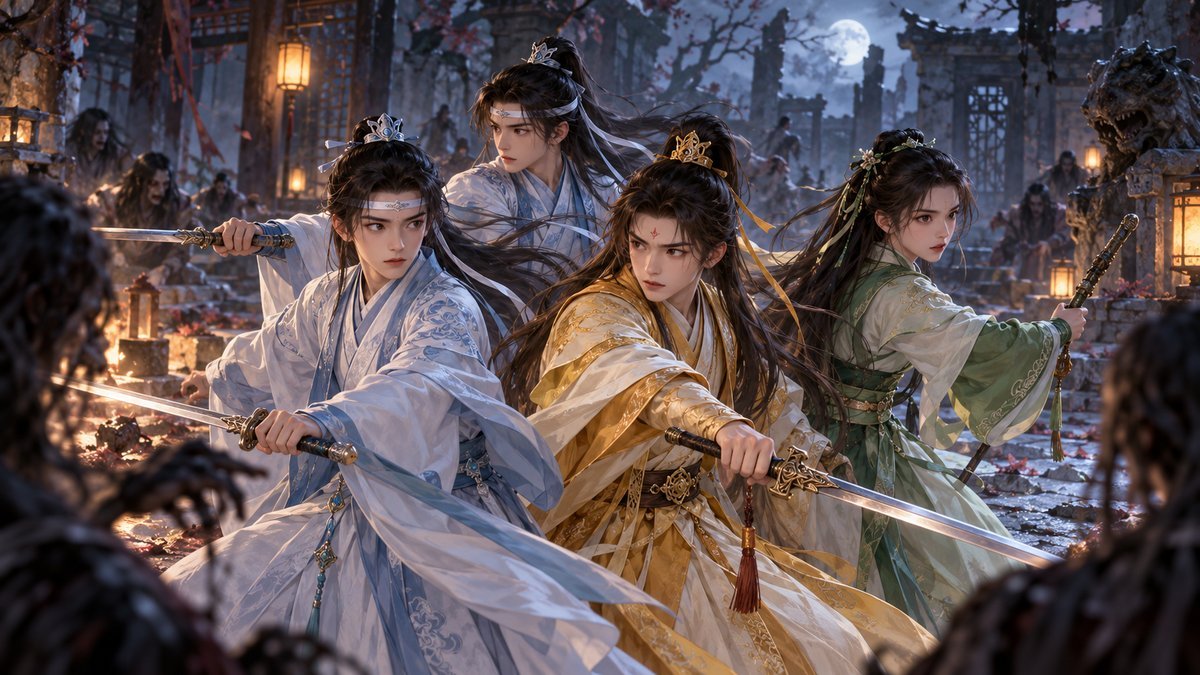
The younger generation in The Untamed offers a hopeful contrast to the conflicts that shaped their elders’ lives. Lan Sizhui, Lan Jingyi, Jin Ling, and Ouyang Zizhen grow up within a cultivation world divided by clan loyalty, reputation, and inherited grievances.
Each young cultivator brings a different personality and perspective. Jin Ling often reacts defensively because of his pride and painful family history. Lan Jingyi speaks openly and challenges situations without much hesitation. Lan Sizhui approaches others with patience and understanding, while Ouyang Zizhen shows compassion and a willingness to question unfair judgments.
Despite their differences, these young characters gradually develop meaningful friendships through shared experiences. Rather than accepting every assumption their elders pass down, they begin to evaluate others through personal encounters.
Their relationships demonstrate that friendship can create opportunities for understanding even within a society shaped by long-standing divisions.
Building Trust Through Shared Experiences
The Untamed friendship themes become especially hopeful when the younger disciples learn to cooperate beyond their clan identities.
During night hunts and dangerous investigations, the juniors must rely on one another’s abilities. Their experiences encourage cooperation, patience, and mutual respect rather than competition for status.
They make mistakes, exchange disagreements, and occasionally misunderstand one another. However, these moments allow them to develop stronger relationships because they learn how to communicate and respond to challenges together.
Their contrasting personalities also become valuable strengths. Lan Sizhui’s calm judgment helps balance impulsive decisions, while Lan Jingyi’s outspoken nature encourages others to express concerns. Jin Ling gradually discovers that accepting help does not diminish his independence or dignity.
Friendship gives these young cultivators a space where they can grow beyond the expectations attached to their family names.
Instead of allowing inherited rivalries to determine their relationships, they begin to recognize kindness, courage, and sincerity in people from different clans.
Breaking the Cycle of Inherited Prejudice
Lan Sizhui represents one of the clearest examples of how compassion can overcome inherited divisions.
Although he grows up within the Gusu Lan clan, his childhood connects him to the Wen survivors and the painful events of the previous generation. His life demonstrates how acts of care can preserve someone’s future without forcing that person to inherit hatred.
His friendship with Jin Ling carries particular emotional significance. Both young men experience losses connected to earlier conflicts, yet they respond to their histories differently.
Jin Ling initially struggles with anger, insecurity, and expectations surrounding his family. His defensive behavior often reflects unresolved grief rather than simple arrogance.
The other juniors do not approve of every harsh remark or impulsive decision. Instead, they continue to include him, challenge his assumptions, and support him when danger arises.
Through these experiences, Jin Ling begins to encounter a form of belonging that depends less on political status and more on genuine companionship.
Readers who want to understand the larger ensemble can explore this guide to who’s who among The Untamed characters for additional context.
The younger generation also demonstrates that respecting tradition does not require repeating every mistake of the past.
Their elders often allow pride, secrecy, and political pressure to damage important relationships. By contrast, the juniors gradually learn to share information, question rumors, and judge people according to their actions.
This willingness to reconsider inherited beliefs gives their friendships lasting significance.
Through the younger generation, The Untamed friendship themes offer a hopeful answer to the drama’s cycle of suspicion.
The juniors cannot erase the tragedies that shaped their families, but they can choose how to respond to that history. Their friendships suggest that understanding grows when people listen to one another instead of accepting prejudice as an unquestionable truth.
Ultimately, Lan Sizhui, Lan Jingyi, Jin Ling, and Ouyang Zizhen represent the possibility of a more compassionate cultivation world.
Their relationships show that meaningful friendship does not demand identical backgrounds, personalities, or beliefs. It requires patience, cooperation, and the courage to see individuals beyond the conflicts they inherit.
Broken Bonds Reveal What Friendship Requires
Not every meaningful friendship in The Untamed survives. Some relationships begin with genuine admiration and affection but gradually collapse under the weight of secrecy, pride, political pressure, and betrayal.
These broken bonds reveal an important truth: friendship cannot survive through loyalty alone. Trust requires honesty, accountability, and the willingness to recognize uncomfortable realities.
The drama explores this idea through sworn brotherhoods, complicated alliances, and tragic relationships that expose the dangers of misplaced trust.
By examining these failures, viewers gain a deeper understanding of what makes the drama’s healthier relationships so meaningful.
Sworn Brotherhood: When Loyalty Loses Its Foundation
The sworn brotherhood among Nie Mingjue, Lan Xichen, and Jin Guangyao represents an attempt to establish trust across political divisions.
Their alliance begins with shared responsibilities and moments of genuine respect. However, their different personalities, moral expectations, and personal ambitions gradually weaken their connection.
Nie Mingjue values discipline, directness, and moral accountability. He recognizes troubling aspects of Jin Guangyao’s behavior but often expresses his concerns through harsh judgment.
Jin Guangyao, meanwhile, struggles with humiliation, insecurity, and his desire for recognition. Rather than confronting every conflict honestly, he increasingly relies on secrecy and manipulation to protect his position.
Lan Xichen attempts to preserve harmony between them. His compassion and willingness to see the good in others make him an important mediator, but those same qualities also create vulnerabilities.
He believes that Jin Guangyao’s kindness toward him reflects the man’s broader character. As a result, he struggles to accept evidence that challenges his personal experiences.
Their relationship illustrates a painful distinction between trusting someone and refusing to question that person’s actions.
Genuine friendship requires compassion, but it also demands the courage to examine difficult truths.
Nie Mingjue’s moral certainty leaves little room for understanding, while Lan Xichen’s loyalty sometimes prevents him from recognizing manipulation. Jin Guangyao exploits these weaknesses as their relationship deteriorates.
Through this broken brotherhood, The Untamed friendship themes reveal how affection and shared promises can lose their meaning when people abandon honesty and accountability.
Yi City: When Trust Turns Into Tragedy
The Yi City storyline offers another heartbreaking exploration of friendship, deception, and emotional vulnerability.
Xiao Xingchen and Song Lan share a vision of helping others beyond the boundaries of established clans. Their ideals reflect compassion, independence, and a desire to protect people regardless of social status.
However, conflict, manipulation, and devastating misunderstandings separate them before they can repair their relationship.
Their tragedy demonstrates how easily silence and incomplete information can damage a meaningful bond.
Xue Yang introduces an even darker form of betrayal.
By concealing his identity and manipulating Xiao Xingchen’s trust, he creates an appearance of companionship while denying Xiao Xingchen the information necessary to make informed choices.
Shared meals, familiar routines, and moments of apparent warmth cannot transform deception into genuine friendship.
The relationship becomes tragic because Xiao Xingchen offers kindness without understanding the full consequences of his actions.
Xue Yang exploits that compassion, turning trust into a tool for manipulation rather than mutual care.
The Yi City storyline reaches one of its most emotional moments when Wei Wuxian and the younger disciples uncover the truth surrounding Xiao Xingchen’s fate.
Fans can revisit Wei Ying Leads the Juniors Into Yi City and Discovers Xiao Xingchen’s Body to explore a scene connected to the arc’s themes of loss, deception, and broken trust.
A-Qing and the Courage to Tell the Truth
A-Qing offers an important contrast to the deception surrounding Xiao Xingchen.
Although she has limited power and faces considerable danger, she pays close attention to the people around her. Her observations help her recognize threats that others overlook.
Rather than protecting herself through silence, she attempts to reveal the truth and defend Xiao Xingchen.
Her loyalty carries genuine risk because she values his safety and his right to understand what is happening.
A-Qing’s actions demonstrate that friendship does not always require physical strength or social influence. Sometimes, the greatest expression of care comes from speaking honestly when deception would be easier to ignore.
Her courage also highlights the tragedy of Xiao Xingchen’s situation. Compassion alone cannot protect someone when another person deliberately controls the information they receive.
Through A-Qing, the drama shows that truth is not the opposite of kindness. In meaningful relationships, honesty can become one of kindness’s most important expressions.
Ultimately, these damaged relationships reveal another essential dimension of The Untamed friendship themes: genuine friendship requires more than affection, loyalty, or shared history.
It demands mutual respect, personal responsibility, and the willingness to confront uncomfortable truths.
The sworn brotherhood demonstrates how political ambition and misplaced confidence can destroy trust. Yi City reveals how manipulation can transform apparent companionship into tragedy. A-Qing’s courage shows why honesty remains essential even when telling the truth carries serious consequences.
These stories remain emotionally powerful because the relationships once held genuine possibilities.
Their failures remind viewers that friendship is not simply something characters possess. It is something they must continually protect through their choices, actions, and willingness to understand one another.
Frequently Asked Questions
What is the central friendship theme in The Untamed?
The central theme is that meaningful friendship is chosen through action. Recognition begins the bond, but presence, truth, and moral courage sustain it. Characters prove friendship when they protect another person’s dignity despite social pressure, while also allowing that person agency and honest disagreement.
Are Wei Wuxian and Lan Wangji only friends in the drama?
The live-action adaptation presents their bond through layered symbolism, devotion, partnership, and emotional intimacy rather than an explicit romantic declaration. Some viewers describe it as profound friendship; others read the drama through the source novel’s romantic context. The relationship is designed to carry more meaning than a single simple label, and its thematic power comes from mutual recognition and freely chosen loyalty.
Why is the Yunmeng trio’s relationship so painful?
The trio combines sibling love, friendship, hierarchy, and clan duty. Wei Wuxian, Jiang Cheng, and Jiang Yanli genuinely belong to one another, but war exposes unequal expectations and incompatible ideas of responsibility. Their sacrifices are often hidden, so love cannot become shared understanding before grief and resentment take control.
Which friendship offers the most hope for the future?
The juniors offer the clearest collective hope. Lan Sizhui, Lan Jingyi, Jin Ling, and Ouyang Zizhen inherit clan identities without accepting every inherited prejudice. They form opinions through experience, share information, and cooperate across old divisions. Their friendship suggests that the next generation can remember history without repeating its hatred.
Why do damaged friendships remain meaningful?
A broken bond can still reveal genuine past care and expose what the characters failed to do. The Untamed does not treat affection as proof that a relationship is healthy. By showing the consequences of secrecy, pride, manipulation, and silence, damaged friendships clarify why truth and accountability are forms of care.
Conclusion: Meaningful Bonds Are Chosen Again and Again
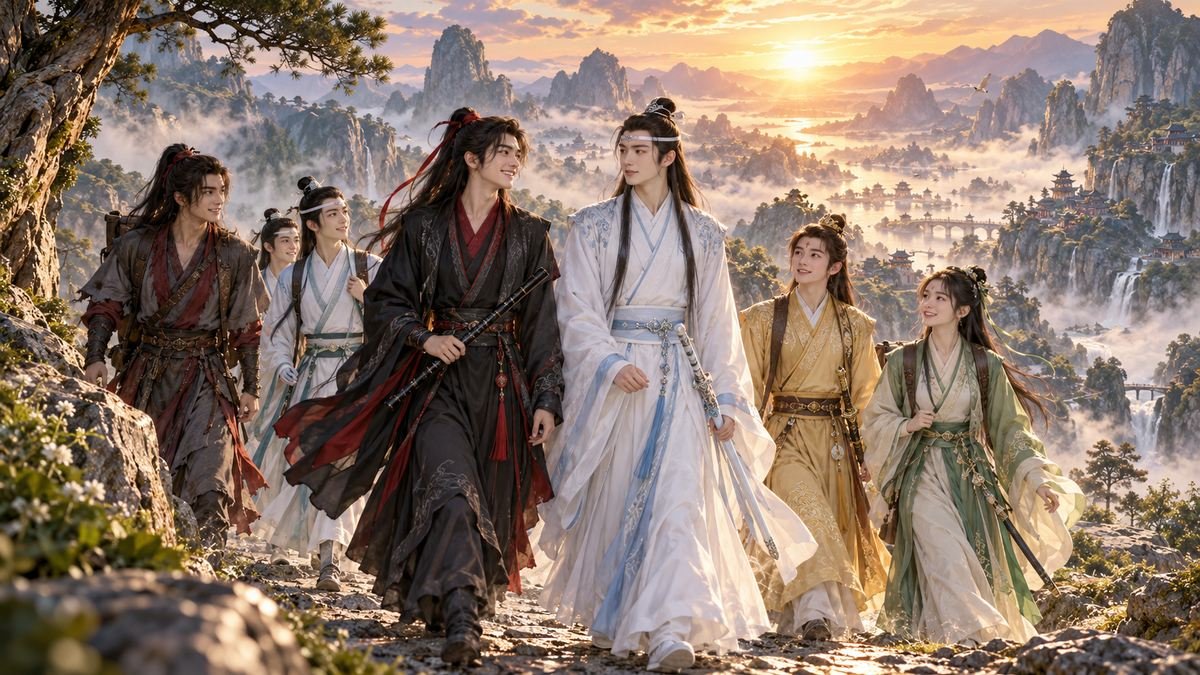
The Untamed friendship themes resonate because the drama treats connection as a practice rather than a feeling. Friends recognize one another beneath public labels. They stay when presence has a cost. They tell truths that protect agency, and they learn that loyalty without reflection can become another kind of harm.
The strongest bonds are not free from conflict. Wei Wuxian and Lan Wangji grow because difference becomes understanding. The Yunmeng trio remains heartbreaking because love cannot overcome every silence. Wen Ning turns gratitude into active moral choice, while the juniors show how inherited prejudice can be revised. Failed brotherhoods and Yi City friendships reveal what happens when truth arrives too late.
These relationships invite rewatching because small acts change meaning once viewers know the full cost behind them. A shared meal, a familiar song, a hand offered in danger, or a decision to believe becomes a shelter inside a violent world. That emotional refuge connects this theme to the drama’s enduring healing moments fans revisit for comfort. The bonds feel meaningful because they are never guaranteed. They matter because, at every turning point, someone must choose them again.