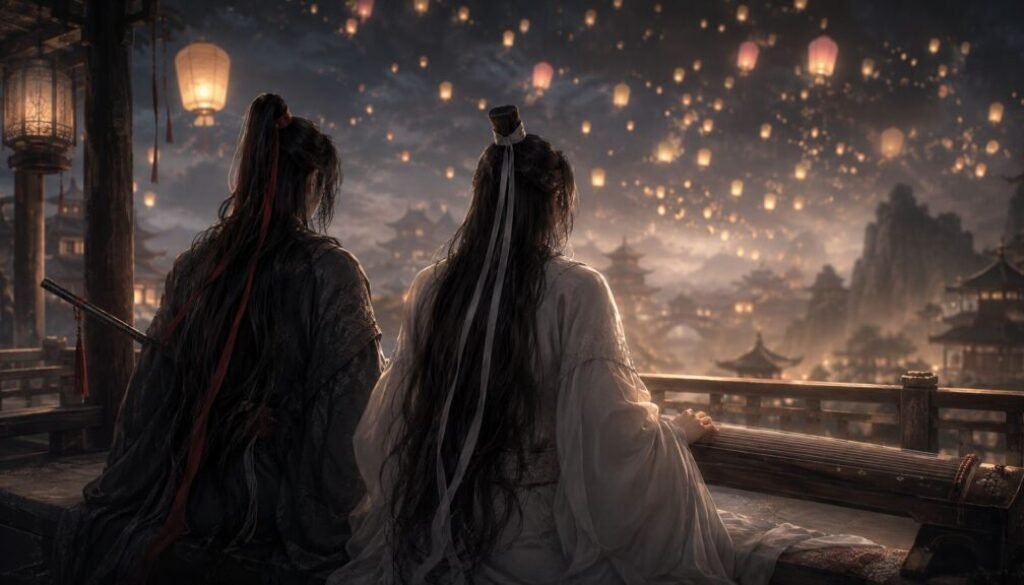
The Untamed Healing Moments: 10 Scenes That Bring Comfort
Why The Untamed healing moments still matter
Comfort comes from contrast
Warm scenes in The Untamed rarely exist in a protected world. They appear beside rigid rules, public judgment, grief, and dangerous choices. That contrast gives a smile or a shared meal unusual emotional force. The story teaches viewers how much safety costs, then lets ordinary kindness feel like a victory.
This is why comfort here does not always look cheerful. Sometimes it is one person remaining present while everyone else turns away. Sometimes it is a melody that recognizes someone before words can. The feeling comes from relief: for a few seconds, a character does not need to defend his entire existence.
Why The Untamed Makes You Cry: 7 Emotional Reasons explores the drama’s sorrow directly. The same emotional design explains its gentleness. Grief makes viewers sensitive to every sign that love, loyalty, and humor are still alive.
Rewatching changes what feels safe
On a first viewing, a playful scene may simply move the story forward. On a rewatch, it becomes shelter. We know which relationships will fracture and which promises will be tested, so the unguarded younger characters feel almost luminous. Their temporary freedom matters more because it cannot last unchanged.
The Untamed healing moments also collect personal history. A scene watched during a lonely week may later carry the memory of having endured it. Fans are not only returning to Cloud Recesses, Lotus Pier, or a mountain path; they are meeting earlier versions of themselves there.
That does not make every response universal. One viewer may find relief in comedy, another in music, and another in a painful scene where a character is finally believed. Comfort is shaped by what the listener or viewer needs.
Healing does not erase pain
The drama never offers a simple reset. Characters live with consequences, and restored trust cannot return every person or place. Healing therefore appears as movement rather than cure: the willingness to eat, laugh, protect, travel, or answer when someone calls.
This distinction protects the emotional honesty of the list. Calling a moment comforting does not mean the surrounding conflict is harmless. It means the scene creates enough space for connection to become possible again.
The Untamed Emotional Aftermath: Why It Lingers considers why the story remains emotionally present after the final episode. Its gentler moments are part of that afterlife. They give fans something sustaining to carry alongside heartbreak, preparing us to begin with the bright, unruly energy of youth.
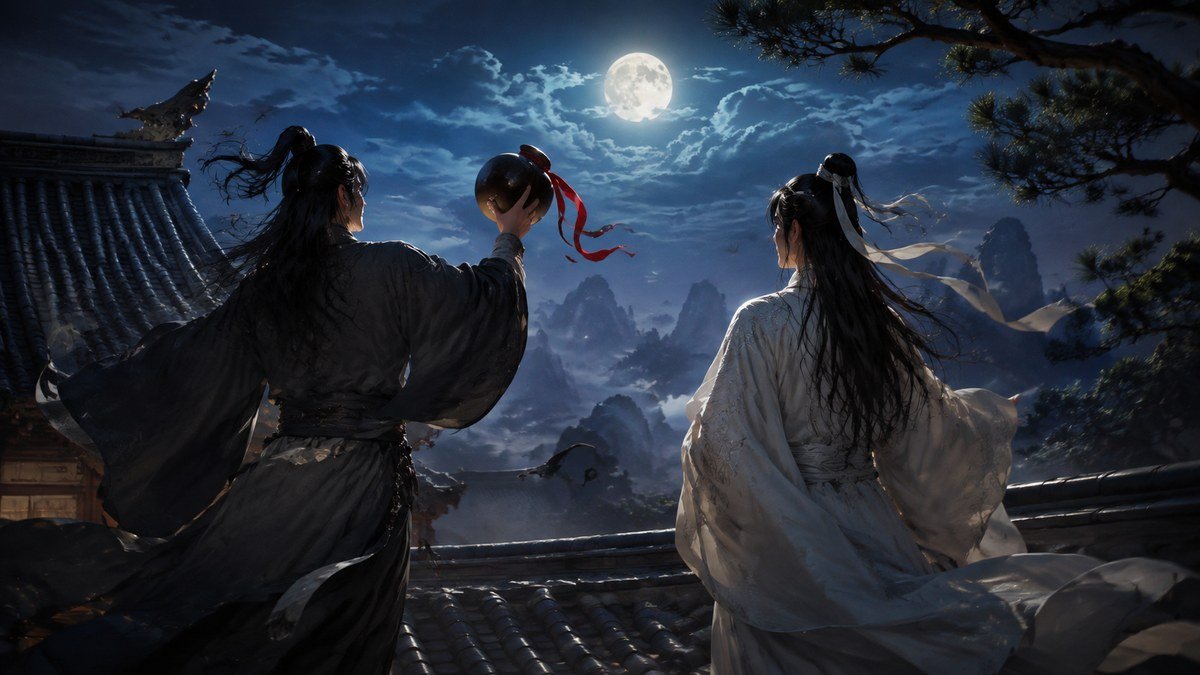
Scenes 1–2 — Youthful joy at Cloud Recesses
Scene 1: The rooftop meeting turns conflict into chemistry
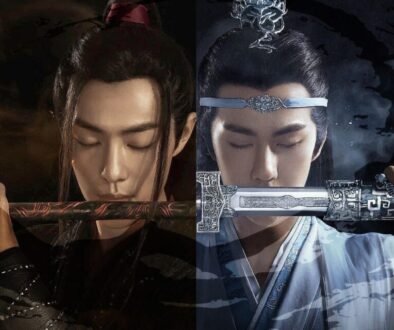
The early rooftop encounter between Wei Wuxian and Lan Wangji is memorable because opposition feels lively rather than hopeless. Wei Wuxian tests boundaries with instinctive mischief; Lan Wangji answers with discipline. Their movements create friction, but also attention. Each immediately discovers that the other will not be easy to ignore.
On rewatch, the moment feels comforting because both characters are still capable of surprise. Their bond has not yet accumulated grief or public meaning. We can enjoy the clean spark of two strong personalities meeting under moonlight, each revealing himself through action.
A common fan reading sees the sequence as an early glimpse of balance: spontaneity meeting restraint, warmth pressing against solitude. The scene does not need to announce the future to contain that possibility. Its pleasure comes from beginnings. No one watching the first exchange can yet measure how important recognition will become.
Scene 2: Classroom mischief makes solemn rules feel human
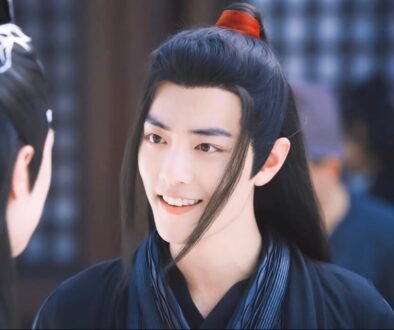
Cloud Recesses presents order in visual abundance, and Wei Wuxian responds by making that order feel inhabited. His questions, jokes, and inability to stay invisible turn formal instruction into character comedy. Lan Wangji’s controlled reactions are equally important; restraint becomes funny because viewers learn to notice the smallest change.
The scene comforts through rhythm. Rules create pressure, mischief releases it, and the group briefly feels like students rather than heirs carrying political expectations. Even irritation belongs to a shared everyday life.
These exchanges also remind us that Wei Wuxian’s humor is not mere carelessness. It reaches toward other people. He creates conversation wherever silence has hardened into distance. Wei Wuxian Character Study: 7 Traits of Mo Dao Zu Shi’s Hero provides a wider view of the generosity and defiance behind that brightness.
Why laughter becomes precious on rewatch
Later events give early comedy a tender edge. We know the students will not remain gathered in relative safety, and the social world around them will become far less forgiving. Their laughter is comforting partly because it preserves a version of life before every disagreement became dangerous.
Yet nostalgia is not the only reason these scenes heal. They show that connection can begin imperfectly. Wei Wuxian and Lan Wangji do not need immediate agreement to become attentive to each other. Irritation, curiosity, and reluctant amusement can open the first door.
The Untamed healing moments often work this way: they make room for people before those people know how to name what they need. Youthful joy becomes a promise that beneath duty and reputation, the characters still possess the ability to surprise one another. That promise leads naturally into quieter spaces where companionship no longer needs an argument to make itself felt.
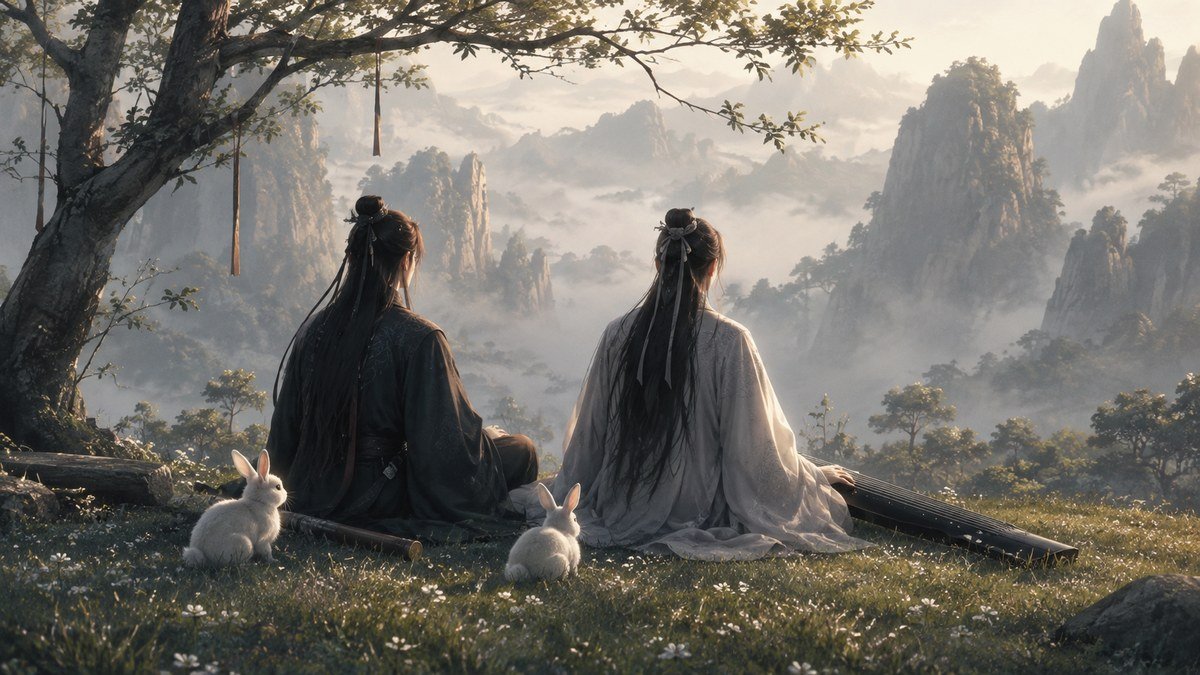
Scenes 3–4 — Small spaces of peace
Scene 3: The rabbits create a gentle shared world
The rabbits associated with Cloud Recesses offer a rare change of scale. Political conflict recedes, the setting softens, and attention turns toward small living creatures. Around them, Wei Wuxian’s open affection and Lan Wangji’s quieter care can occupy the same frame without needing a public explanation.
Fans often read the rabbits as symbols of tenderness and the pair’s shared private world. That interpretation is meaningful because the scenes themselves encourage gentleness, though no single symbol needs one fixed definition. What matters emotionally is the permission to be soft.
Rabbits also draw out a form of care that is practical and unperformed. Feeding, holding, or simply watching them asks for patience. In a story where characters are constantly judged through clan identity and rumor, that uncomplicated attention feels restorative.
Scene 4: Music becomes care without explanation
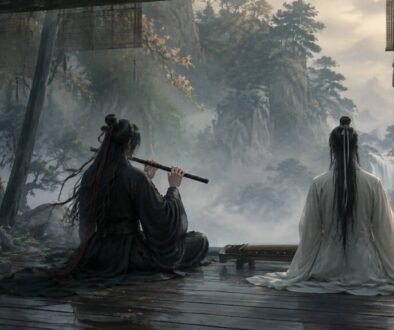
Music gives the characters a language that can remain intimate without becoming explicit. When melody is connected with recognition, calming, or memory, care travels through sound rather than argument. It does not solve the conflict surrounding Wei Wuxian, but it creates a channel where another person is still trying to reach him.
That effort matters. Comfort is rarely the perfect phrase spoken at the perfect time. More often, it is repeated attention: listening again, playing again, refusing to treat someone’s pain as noise. Lan Wangji’s musical presence can therefore feel steady even when the world around the pair is unstable.
WangXian lyrics Meaning and Music Explained offers a closer route into the drama’s musical associations. For this list, the healing quality lies in music’s patience. A melody can wait until a character is ready to hear what ordinary speech could not carry.
The comfort of attention instead of answers
Neither rabbits nor music gives the story an easy solution. Their value comes from narrowing attention. A large, frightening world becomes one animal, one instrument, one person listening. That scale makes emotion manageable.
The Untamed healing moments do not always promise that everything will be fine. They say that this moment can still contain care. For viewers, that can be a more believable comfort than certainty. We recognize the experience of not knowing how a problem ends while still benefiting from someone staying near.
Small spaces also protect complexity. Wei Wuxian can remain playful and burdened; Lan Wangji can remain restrained and deeply attentive. The scene does not demand that either become simpler to deserve tenderness.
When fans revisit these passages, they may be seeking the same permission: to pause without resolving every problem. A few minutes of music or a quiet animal scene can restore emotional proportion. From that stillness, the drama moves toward another form of refuge—home created through food, memory, and people choosing to share what little they have.
Scenes 5–6 — Home, food, and found family
Scene 5: Lotus Pier memories preserve warmth
Lotus Pier carries many meanings, and comfort belongs beside grief. Memories of sibling banter, familiar food, water, and daily movement preserve a household before loss changes it. The warmth is imperfect; expectations and rivalries already exist. Still, the place contains habits of belonging.
For Wei Wuxian, Jiang Cheng, and Jiang Yanli, ordinary interaction often reveals more than ceremonial declarations could. Teasing, scolding, feeding, and defending one another form a family language. On rewatch, those gestures hurt, but they also keep affection visible.
This scene category is healing because it lets home remain emotionally real even after it becomes unreachable in its earlier form. Memory cannot rebuild a place, yet it can refuse to let tragedy become the only truth about it.
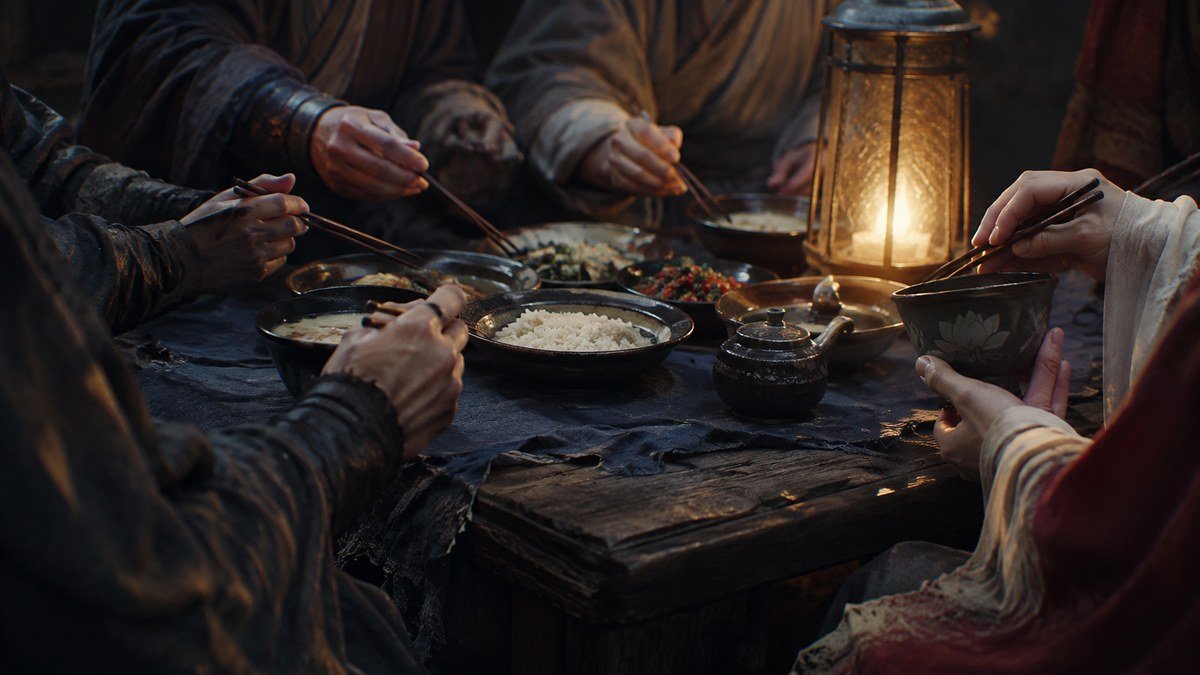
Scene 6: A Burial Mounds meal makes hardship feel communal
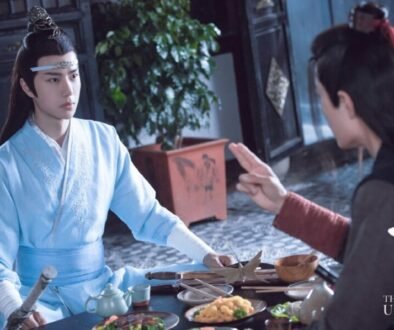
The Burial Mounds are defined by danger and scarcity, but scenes of people preparing or sharing food change the emotional landscape. A humble meal can say: we are still a community. Survival becomes collective rather than solitary.
Nothing about the setting needs to be romanticized. The comfort comes from human effort under bad conditions—someone cooks, someone worries, someone makes space at the table. Small tasks establish dignity where the outside world sees only fear or suspicion.
The Untamed Characters Who Deserved Better: 8 Tragic Fates gives wider context for lives too often reduced to the judgments surrounding them. Here, the meal matters because it asks viewers to see people living, caring, and belonging before considering what the plot will take away.
Belonging appears in everyday gestures
Found family is persuasive when it looks ordinary. Grand sacrifices matter, but daily care makes sacrifice emotionally legible. A bowl offered, a child watched, or a complaint made without fear shows that people expect to remain connected tomorrow.
The Untamed healing moments grounded in food and home also invite sensory memory. Viewers may recall warmth, steam, wood, water, and the sound of familiar voices. These details create an emotional room we can revisit even when the narrative has moved elsewhere.
Home in the drama is never only architecture. It is a pattern of attention. Lotus Pier remains beloved because relationships gave it life; the Burial Mounds can briefly become shelter because people create routine together. Both examples complicate the idea that comfort requires perfect circumstances.
For fans, these scenes can be a reminder that care often arrives in modest forms. We may not be able to repair someone’s world, but we can share the next meal or make the next hour less lonely. That grounded kindness prepares the article’s next turn: trust offered without demanding that a wounded person first become easy to understand.

Scenes 7–8 — Trust that asks for nothing
Scene 7: Lan Wangji recognizes the person others misjudge
One of the drama’s deepest comforts is Lan Wangji’s growing refusal to let public judgment replace personal knowledge. He does not begin with perfect understanding, and that history matters. Trust becomes meaningful because it develops through observation, regret, and choice.
Recognition here is more than identifying Wei Wuxian. It means seeing continuity beneath changed circumstances and damaged reputation. Where others respond to labels, Lan Wangji pays attention to character, action, and the person he has known.
WangXian Relationship Analysis: From Conflict to Devotion traces that development more fully. Within this list, the healing point is simple: being known by one careful person can interrupt the loneliness created by a hostile crowd.
Scene 8: The juniors bring openness into a wounded world
The younger cultivators add energy that is curious rather than permanently suspicious. Their interactions with Wei Wuxian allow humor, instruction, exasperation, and unexpected affection to return. He is not limited to defending his past; he can help people in the present.
Their openness does not mean they never misunderstand or fear. It means they remain capable of learning. That capacity feels hopeful after watching older institutions harden around reputation and inherited conflict.
The juniors also let viewers see qualities in Wei Wuxian that suffering never erased. His intelligence becomes playful again. Guidance and protection reveal a future-facing form of care. He can contribute without having to reproduce the exact life he lost.
Trust becomes a form of rest
Suspicion forces a person to explain every gesture. Trust removes some of that burden. When Lan Wangji stands beside Wei Wuxian or the juniors follow his guidance, the emotional atmosphere changes before any danger disappears. He is no longer facing the world entirely alone.
The Untamed healing moments rooted in trust feel powerful because they ask for no performance of innocence. The characters still make difficult choices and carry complicated histories. Support does not require them to become uncomplicated.
Fans may experience these scenes as reassurance that understanding can be revised. A person who once failed to act can choose differently; a younger group can question the assumptions it inherits. Healing enters through changed behavior.
That makes trust active rather than sentimental. It appears in who listens, who stays, who follows, and who refuses an easy condemnation. Such choices give the story moral breathing room. They also lead toward its most emotionally restorative movement: return, when separation ends and recognition proves that a bond has survived time.
Scenes 9–10 — Returning to each other
Scene 9: Recognition after separation restores continuity
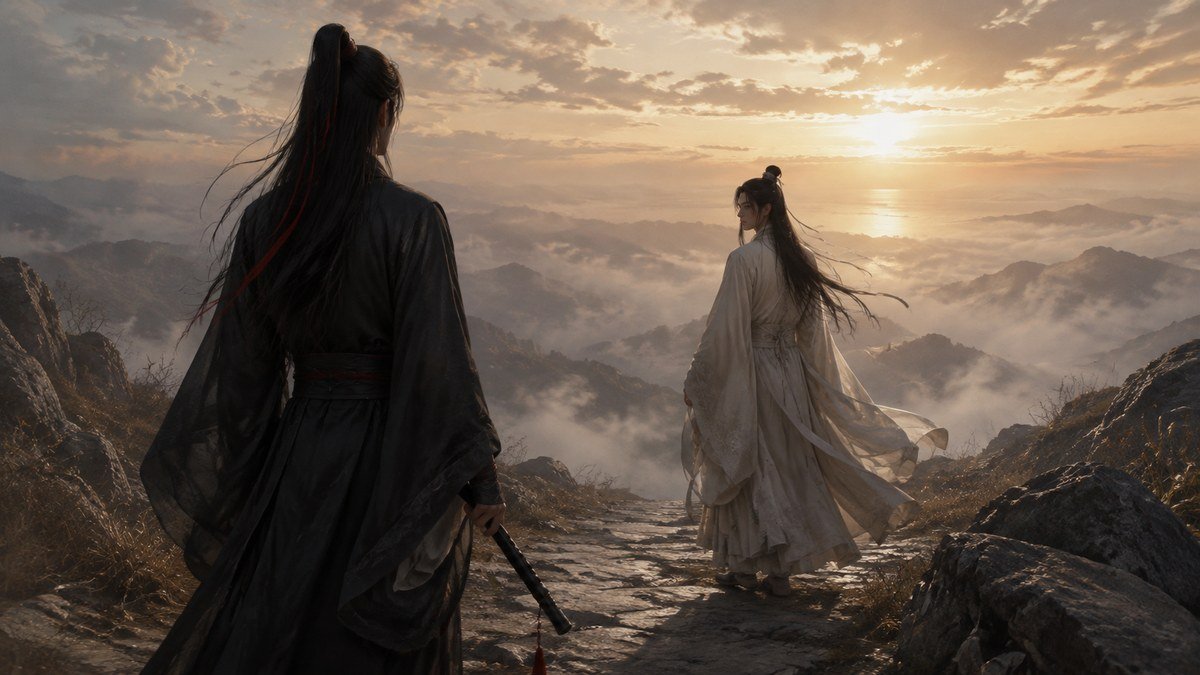
Reunion in The Untamed carries both relief and disorientation. The world has continued, relationships have changed, and Wei Wuxian cannot simply step back into the life he left. Yet recognition creates a thread between past and present.
The comfort is not that nothing changed. It is that change did not erase everything. Lan Wangji’s attention offers continuity without demanding a return to youthful innocence. Their bond can move forward with knowledge it did not possess before.
For viewers, this is a powerful fantasy of being remembered accurately. The person who returns is not merely a rumor, a role, or a problem to solve. He is someone whose habits, music, and moral instincts can still be known.
Scene 10: The final call turns distance into hope
The drama’s final movement leaves room for interpretation while giving the audience an unmistakable emotional lift. Distance, music, a name called, and Wei Wuxian’s response create a sense that separation is no longer the final word.
Many fans read the moment as reunion and continuing companionship. The staging supports hope without explaining every practical detail. That openness is part of its comfort. After a story in which public narratives repeatedly trap the characters, the ending does not trap the audience inside one rigid account of happiness.
The Untamed Ending Explained: 7 Secrets You Missed offers a dedicated discussion of the finale. Here, the scene completes our list because it transforms waiting into response. Someone calls, and the person being called turns toward the sound.
An ending that leaves the heart open
Closure can be comforting, but so can possibility. The Untamed closes major emotional circles while allowing life beyond the frame. The characters have endured consequences; hope does not cancel them. It simply gives endurance a direction.
Among The Untamed healing moments, the ending often becomes the one fans replay when they need reassurance quickly. Music gathers the relationship’s history, the landscape opens, and the final expression allows warmth back into the story.
Its restraint also respects the viewer. We are invited to imagine continued companionship without being handed a checklist of what happens next. That imaginative space has helped fandom conversations, art, and edits continue long after a first watch.
Returning to each other is therefore both a plot movement and the article’s central emotional pattern. Characters return through memory, music, food, trust, and literal presence. Fans do the same each time they press play. The final scene opens the door; a personal comfort rewatch lets each viewer decide which path to take through it.
How to build a comforting Untamed rewatch
Choose an emotional theme
A comfort rewatch does not need to follow episode order. Begin with the feeling you want: laughter, quiet companionship, family warmth, trust, or hope. Select two or three scenes around that need and stop when the experience feels complete.
This approach keeps the drama from becoming emotional homework. Some days you may want Cloud Recesses mischief; on others, the steadiness of music or the hope of the ending may fit better. Skipping painful material during a comfort session does not diminish appreciation for the full story.
The Untamed Iconic Scenes: 15 Moments That Give Chills can help identify other sequences, but your list does not need to match anyone else’s. Personal relevance matters more than consensus.
Pair scenes with music or reflection
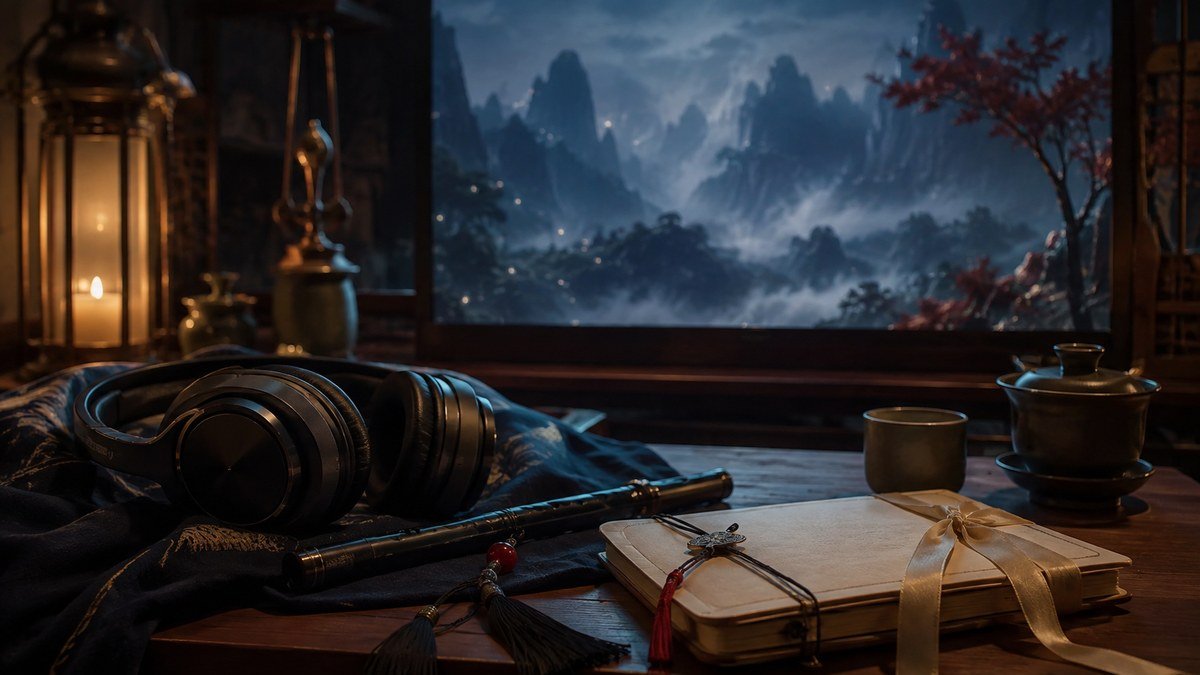
Soundtrack listening can extend a scene’s atmosphere without requiring another full episode. Choose one familiar piece, make tea, or write a sentence about what felt different this time. A small ritual helps attention settle.
Keep reflection light. The goal is not to extract a lesson from every glance. Notice one detail: a softened posture, a joke that releases tension, the moment music enters, or the person who chooses to stay. That is enough.
Readers who enjoy a physical cue for their viewing ritual can browse the optional Boxiao Store for themed clothing. A purchase is never necessary; headphones, a saved playlist, or a quiet corner can serve the same practical purpose.
Let comfort remain personal
Fandom lists invite comparison, but comfort cannot be ranked objectively. A scene that feels safe to one viewer may be inseparable from grief for another. Describe your response as your own, and let other fans choose differently.
This article includes optional support links to the Boxiao Store and Ko-fi. They do not determine participation. The most meaningful fandom practices are often free: sharing a thoughtful comment, revisiting a song, or recommending a scene to someone who needs it.
The Untamed healing moments endure because they remain available to new circumstances. A rewatch made during celebration will feel different from one made during uncertainty. The scene stays familiar while the viewer changes, allowing comfort to become a relationship rather than a fixed effect.
Build your list gently. Start with one scene, leave space afterward, and notice whether you feel lighter, steadier, or simply less alone. From there, the questions fans most often ask become easier to answer.

Frequently Asked Questions
What are the most comforting scenes in The Untamed?
The most comforting scenes often include Cloud Recesses mischief, the rabbits, shared music, family meals, the juniors’ interactions with Wei Wuxian, reunion, and the hopeful final moment. The best choice depends on whether you need laughter, belonging, recognition, or hope.
Why does The Untamed feel comforting despite its tragedy?
Its comfort comes from care surviving difficult circumstances. Humor, music, food, loyalty, and recognition never erase loss, but they show that pain does not control every human response. The contrast makes small kindness feel emotionally substantial.
Which WangXian moments are best for a comfort rewatch?
Early rooftop and classroom interactions offer playful energy, while rabbit and music scenes provide quiet intimacy. Later recognition and the ending bring steadier reassurance. Choose based on whether you want beginnings, companionship, or the feeling of return.
Do I need to rewatch the entire drama?
No. A themed selection of two or three familiar scenes can create a satisfying comfort watch. Full rewatches reveal long character arcs, but a shorter session is useful when you want a specific emotional atmosphere without revisiting every painful event.
Why do familiar scenes feel different over time?
Viewers bring later plot knowledge and personal experience to each replay. An early joke may gain tenderness, while a quiet gesture may reveal trust that was easy to miss the first time. The recording stays the same, but its associations continue to grow.
Can sad scenes still be emotionally healing?
Yes. A sad scene can feel healing when it gives grief shape, shows someone being understood, or permits hope without denying loss. The Untamed healing moments include bittersweet passages because comfort can mean feeling accompanied rather than simply feeling happy.

Conclusion — Comfort That Survives the Story
Ten moments, one continuing promise
Across these ten scenes, comfort takes many forms. Youthful conflict becomes curiosity. Rabbits and music create small worlds of attention. Lotus Pier memories and a Burial Mounds meal preserve belonging. Trust frees Wei Wuxian from explaining himself to everyone, while reunion proves that separation did not erase recognition.
The Untamed healing moments resonate because none offers a false cure. The characters cannot return to an untouched past, and kindness cannot prevent every loss. What they can do is answer pain with another choice: laugh, feed someone, listen, stay, believe, or turn when a familiar voice calls.
That pattern gives the drama its emotional durability. Viewers may arrive for sweeping fantasy and complicated relationships, then return for details that feel almost domestic. The grand story becomes livable through ordinary care.
The scene you need can change
A favorite comfort scene is rarely permanent. Cloud Recesses comedy may help when life feels too serious; quiet music may fit a day that needs less noise. A reunion can offer hope, while a family memory may provide permission to grieve something good without pretending it was perfect.
Changing preferences do not weaken a fan’s connection. They show that the story contains more than one emotional doorway. Each rewatch allows character knowledge and personal experience to meet again.
If you would like to support more reflective fandom features, Ko-fi offers an optional way to help. The community itself begins with conversation: sharing what a scene means, listening without correcting someone’s feeling, and making room for different interpretations.
The next time the world feels heavy, choose one moment and let it be enough. Which scene from The Untamed brings you comfort most quickly, and what does it give you now that it could not give you on your first watch?
Fan-Favorite Collectibles & Gifts