The Untamed Director Style and Silent Emotion
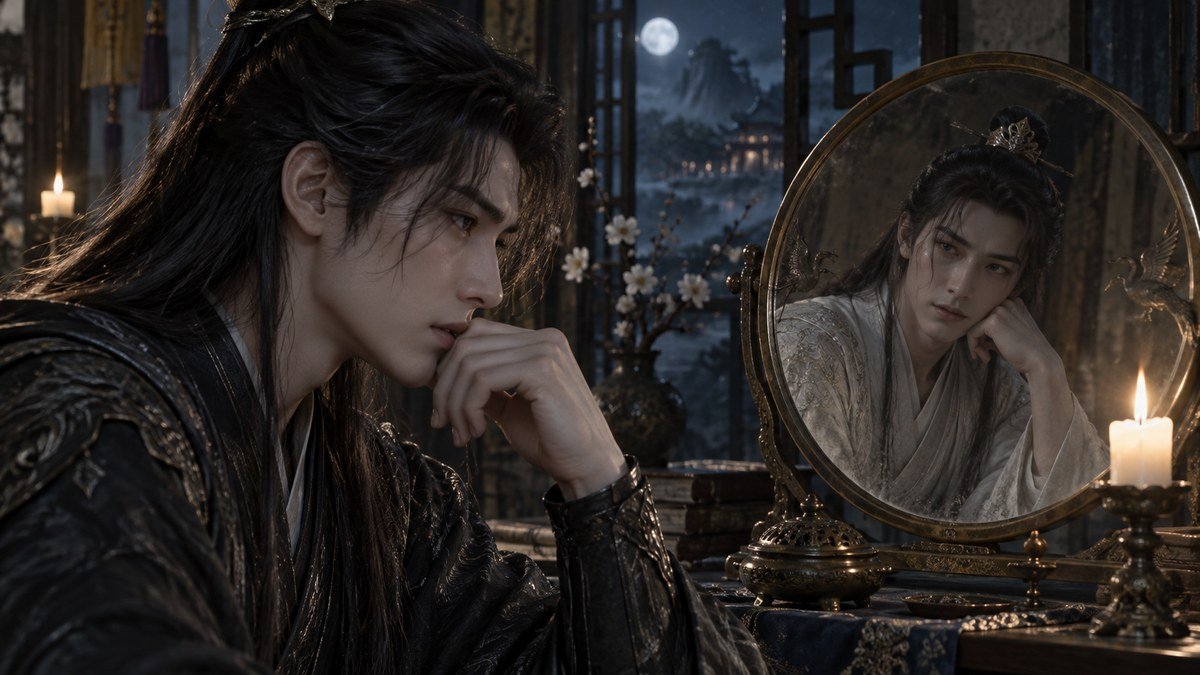
The Emotional Grammar Behind The Untamed Director Style
Directing is partly the art of deciding where an audience should look and how long it should stay there. The Untamed often places emotional information in the reaction rather than the event itself. A revelation may be spoken by one person, but its meaning arrives on another person’s face. A dangerous action may happen quickly, while the consequences are allowed to unfold in silence.
This choice suits a story in which characters frequently hide what they feel. Clan rules, social roles, grief, and fear make direct confession difficult. The director therefore builds an alternate grammar from looks, pauses, and physical distance. Readers who want a broader map of those hidden motivations can pair this discussion with The Untamed Character Analysis: 12 Hidden Insights.
Reaction shots make feeling visible
A reaction shot does more than prove that a character heard something. It tells viewers how to interpret the moment. Lan Wangji may remain outwardly composed, yet a small change in his gaze can reveal alarm or tenderness. Wei Wuxian may smile, while the held shot lets the audience notice the effort behind that smile. The drama trusts tiny changes because the surrounding visual context has already told us what is at stake.
The method also distributes emotional importance across a scene. Instead of treating dialogue as the only source of meaning, the direction asks us to watch listeners. That is especially useful in large clan gatherings, where public words and private responses often point in different directions.
Pauses let viewers complete the emotion
Silence creates room for inference. When the camera does not hurry away, viewers mentally connect the present gesture with an earlier promise, injury, or loss. The pause becomes participatory: the drama supplies the image, and the audience completes the feeling.
These held moments also prevent complicated relationships from being reduced to simple labels. A look can contain concern, disappointment, recognition, and restraint at once. The hidden details throughout The Untamed become easier to notice when a rewatcher pays attention to what the camera refuses to rush.
Restraint protects ambiguity
The direction rarely insists on a single emotion when several can coexist. Characters may be angry and protective, distant and attentive, or relieved and afraid. Rather than underlining every shift with dialogue, the drama allows posture, breath, and eyeline to carry overlapping meanings.
That restraint gives The Untamed director style its emotional confidence. The audience is invited to read behavior rather than wait for an explanation. When explicit words finally arrive, they feel earned because viewers have already watched the emotion take shape.
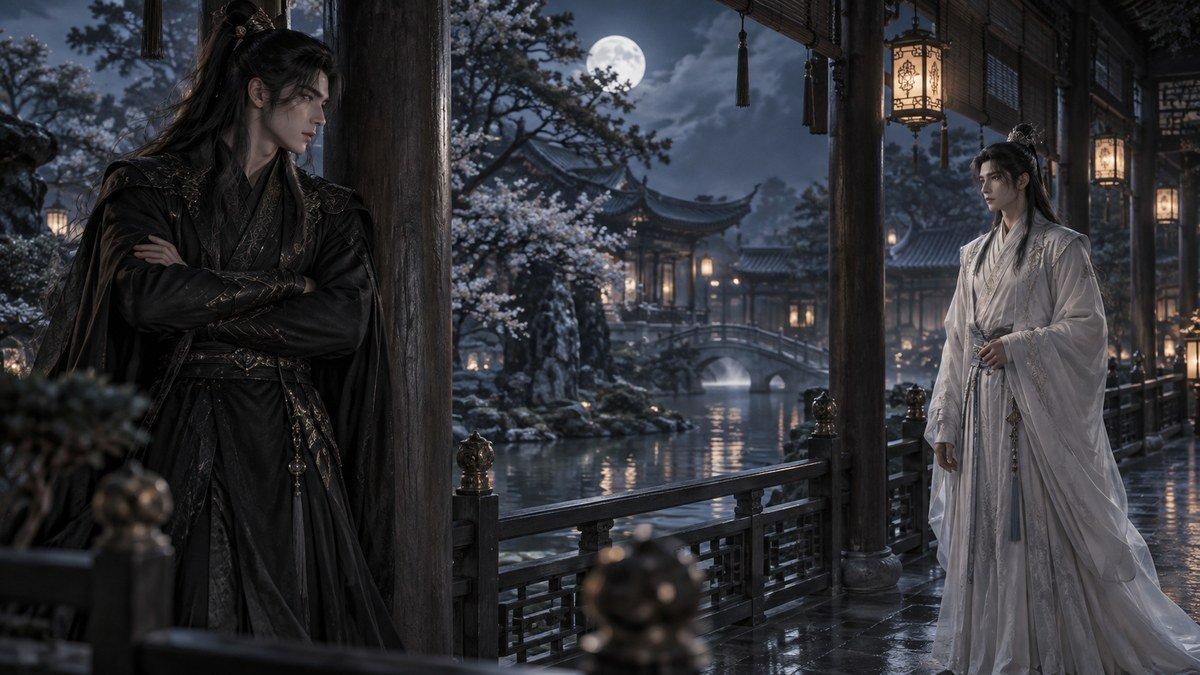
Framing and Distance Turn Relationships Into Images
The frame can make a relationship visible before the plot defines it. Two characters placed side by side appear aligned. A pillar, doorway, crowd, or stretch of empty ground can suggest a barrier. When that arrangement changes, the emotional relationship changes with it.
Shared frames signal alignment
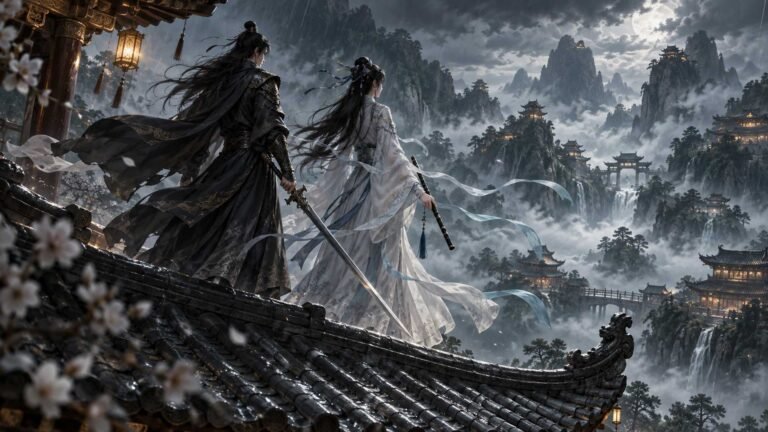
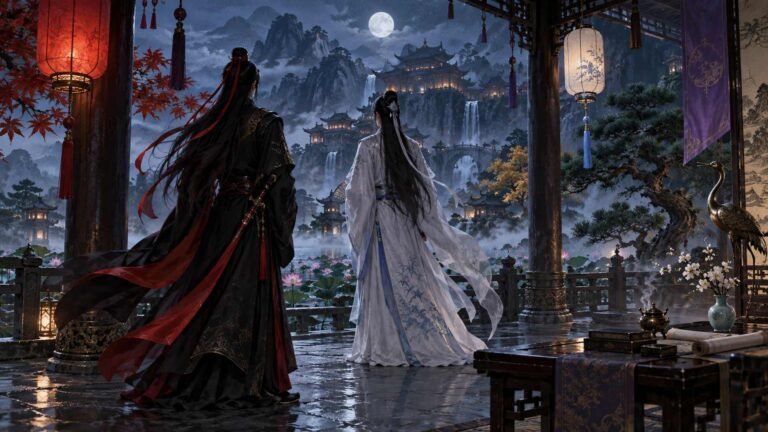
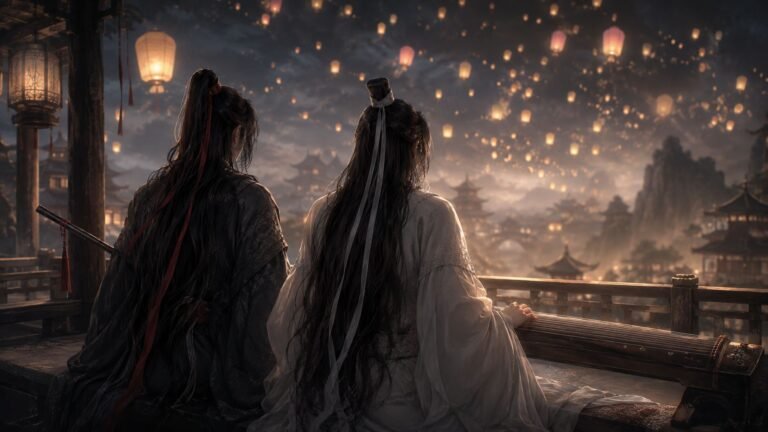
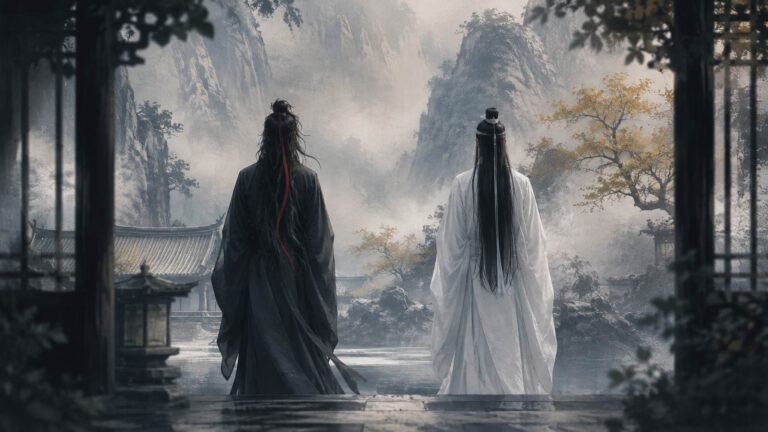
Early in the drama, Wei Wuxian and Lan Wangji often enter shared frames through contrast. Dark and pale costumes make them visually distinct, while mirrored positions imply a developing connection. The composition can hold disagreement and compatibility at the same time.
As trust grows, shared frames increasingly show complementary attention. One character watches the immediate danger while the other reads the wider room. They do not need identical movement to feel coordinated. Their connection becomes spatial: each person seems aware of the other’s position and likely response. The progression supports the emotional stages described in WangXian Relationship Analysis: From Conflict to Devotion.
Doorways and thresholds create separation
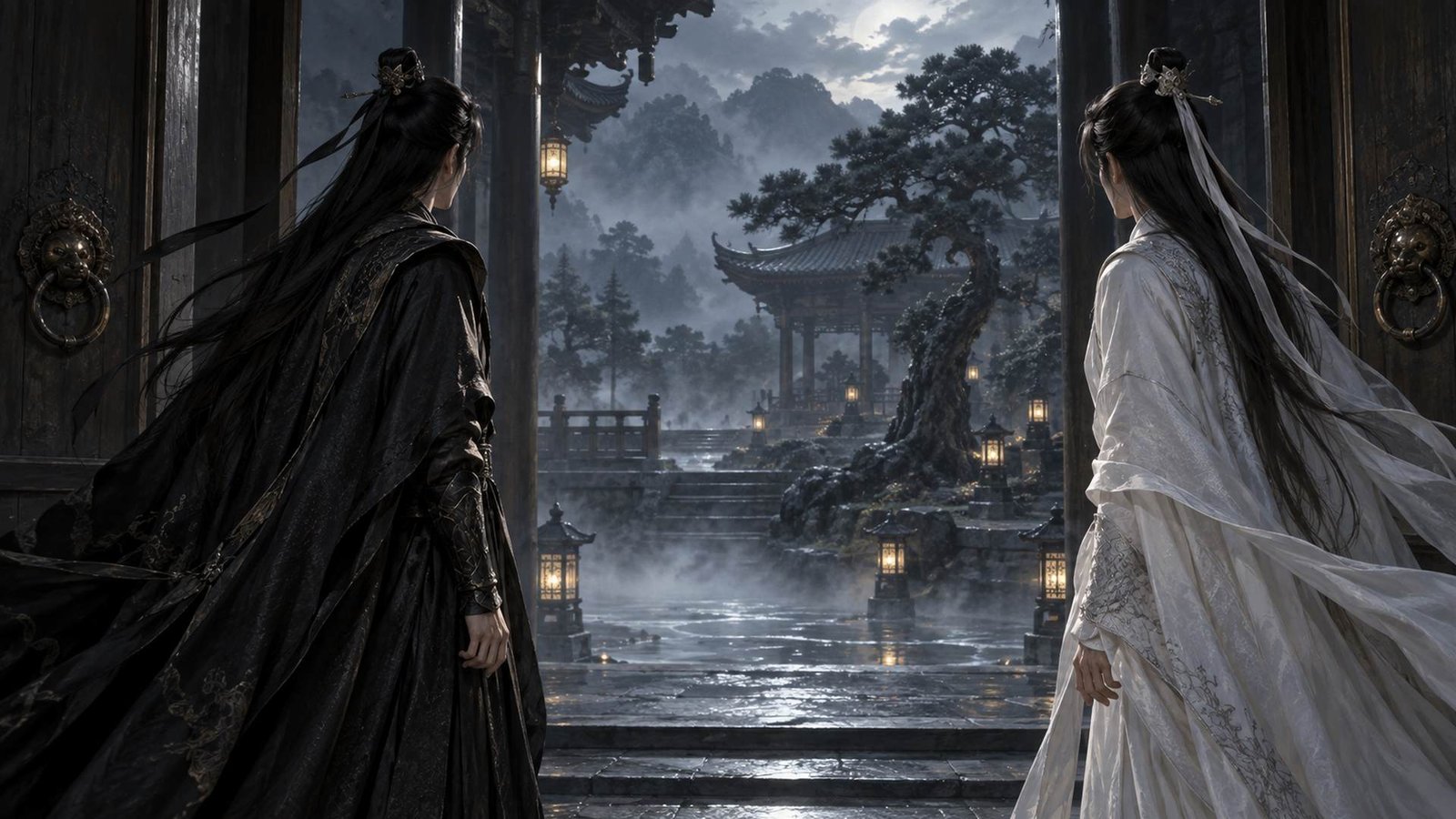
Thresholds are especially useful because they are both physical and symbolic. A person who stops outside a room may be excluded, hesitant, or unwilling to disturb what is inside. Someone who crosses a boundary accepts a new risk. The director can turn an ordinary entrance into a moral decision simply by showing who remains on each side.
Architectural lines also organize power. Steps elevate authority. Courtyards expose an isolated person to collective judgment. Narrow paths make avoidance impossible. The settings are beautiful, but their dramatic value comes from how they control movement and sight.
Distance becomes part of the WangXian arc
The distance between Wei Wuxian and Lan Wangji changes meaning across the series. Early space allows curiosity and challenge. Later separation can express social pressure, incompatible duties, or fear for the other person. Eventually, standing together becomes a decision rather than an accident.
This visual arc helps the drama communicate intimacy without relying on constant verbal confirmation. The audience learns to notice who moves closer, who stays, and who places himself between the other person and danger. The Lan Wangji and Wei Wuxian relationship timeline provides the narrative milestones; the framing supplies their emotional texture.
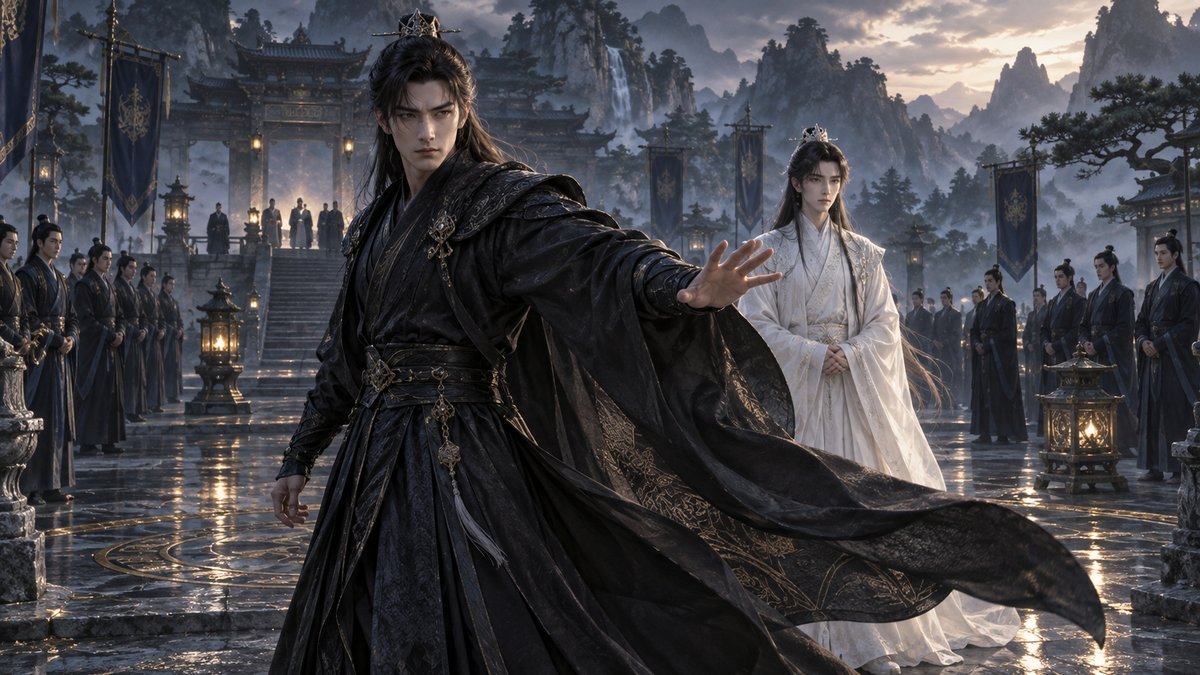
Blocking and Movement Reveal Choices Before Dialogue
Blocking describes where performers stand and how they move within a scene. In The Untamed, movement is frequently a declaration. A character crosses a room, steps into a line of attack, turns away from a group, or refuses to leave. These actions show allegiance before anyone names it.
Who steps forward first
When danger or accusation enters a scene, watch who moves first. Wei Wuxian’s instinct is often to approach the problem, especially when someone vulnerable is threatened. Lan Wangji may respond with more restraint, but a single protective step can reveal the choice he has already made.
The director often lets that first movement remain clearly visible instead of burying it in rapid cutting. Viewers can see the starting position, the choice, and the new relationship created by the move. This is why many iconic scenes in The Untamed are remembered as gestures rather than speeches.
Stillness can carry authority
Movement attracts attention, but stillness can command it. A composed figure at the center of a restless group appears powerful. A character who refuses to retreat can turn quiet posture into resistance. Conversely, someone frozen at the edge of a scene may appear emotionally trapped.
Stillness becomes especially charged after the audience has learned a character’s normal rhythm. Wei Wuxian’s sudden lack of movement can feel alarming because his energy is familiar. Lan Wangji’s stillness can shift from formal discipline to silent support depending on where he stands and whom he faces.
Group formations expose belonging and isolation
Large scenes use formations to show social structure. Clans gather by color and position. Authority occupies the center or higher ground. An accused person may be pushed into open space with no visual protection. Even before the dialogue identifies alliances, the composition shows who belongs and who has been separated.
When these formations break, emotion intensifies. The crowd’s readable order can collapse into fear, violence, or confusion. The drama’s most intense moments often gain force from this transition between controlled ceremony and fragmented movement.
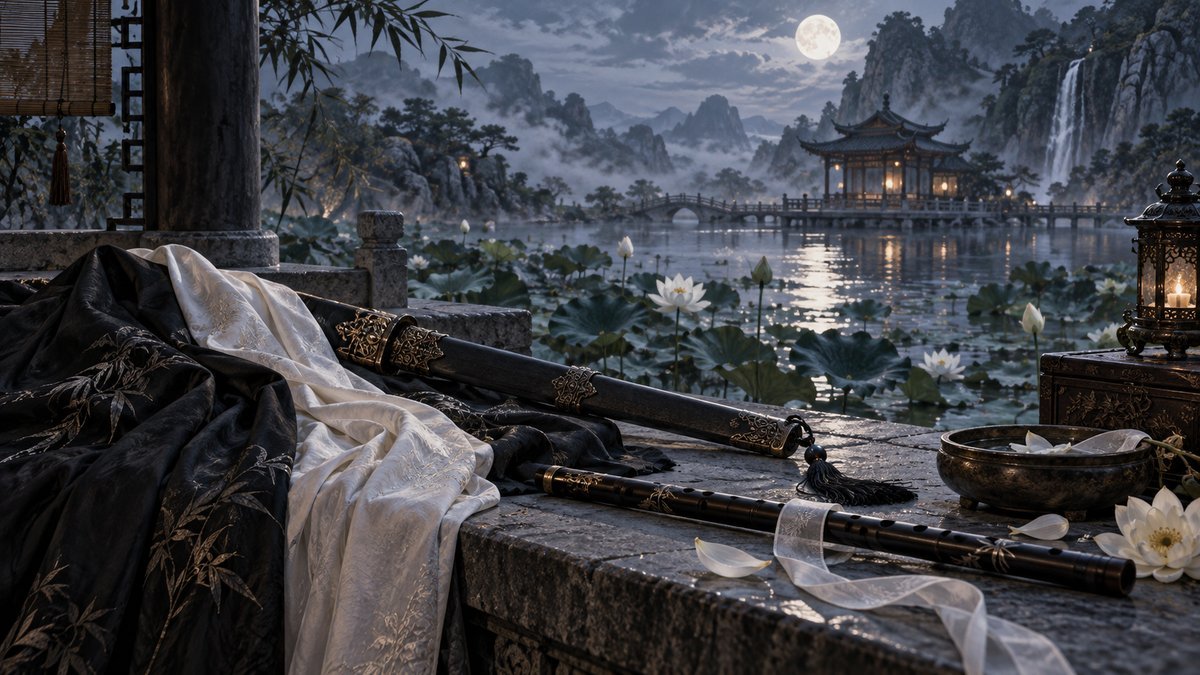
Costumes, Props, and Locations Carry Emotional Memory
Direction does not begin and end with actors. Objects and environments can store memory. When a familiar sword, flute, ribbon, roofline, or lotus pond returns, the audience brings earlier emotions into the new scene. The director can therefore create a callback without inserting a literal flashback.
Sleeves, headbands, swords, and the flute
Costumes shape silhouettes and behavior. Wide sleeves make restrained hand movements noticeable. Pale and dark robes create immediate contrast in a shared frame. A forehead ribbon carries social meaning, but it also becomes a line that the camera can isolate during moments of trust or vulnerability.
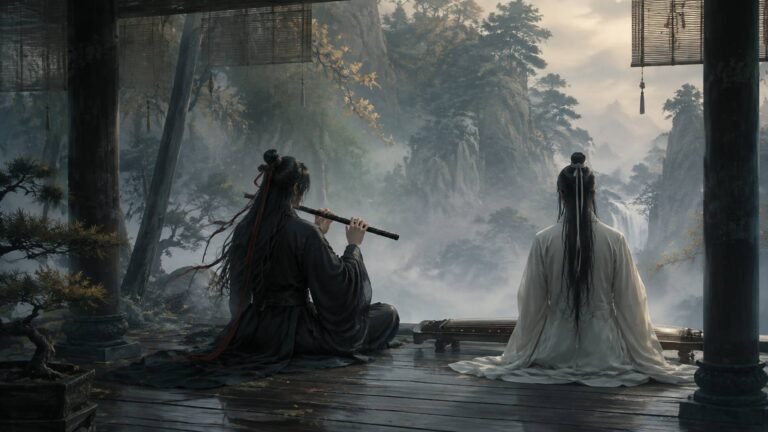
Personal objects extend character identity. A sword suggests direct discipline and recognized cultivation, while a flute signals a different relationship to power, distance, and sound. The direction does not need to explain that symbolism in every appearance. Repetition teaches the viewer how to read it. More examples appear in Untamed Costume Design: 7 Hidden Details and The Untamed Talismans and Artifacts: Hidden Meanings.
Cloud Recesses, Lotus Pier, and the Burial Mounds
Each major location has an emotional rhythm. Cloud Recesses emphasizes order, vertical lines, quiet paths, and controlled behavior. Lotus Pier feels more open and fluid, with water and family life shaping its sense of warmth. The Burial Mounds turns difficult terrain and darkness into an image of exclusion, danger, and improvised survival.
The director uses these contrasts to show what a character has gained or lost. Returning to a place is never visually neutral because the audience remembers its earlier condition. A familiar space can therefore communicate grief through absence: the frame remains recognizable, while the people or safety once associated with it are gone. The real-world craft behind such environments is explored in The Untamed Filming Locations.
Repetition turns details into emotional callbacks
A repeated composition can reveal change. Two characters may occupy a similar setting at different points in the story, but their distance, posture, or direction of movement is altered. The second image quietly asks the audience to remember the first.
This is one of the drama’s most effective ways to reward attention. Objects and places accumulate meaning over time, so later scenes can feel emotionally dense without becoming verbally crowded. The director uses continuity as a form of memory.
Sound, Silence, and Editing Control the Emotional Pulse
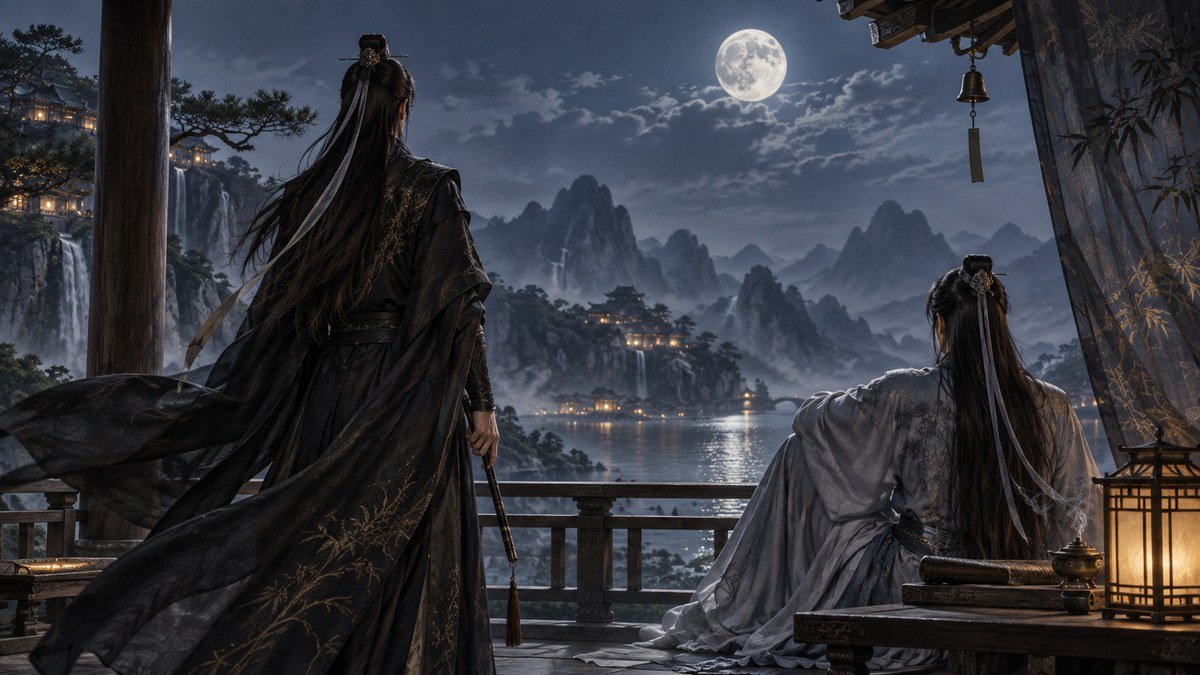
Although directing is often discussed visually, sound and editing determine how images are experienced in time. Music can connect separate moments. Silence can strip away distraction. A cut can interrupt emotional contact, while a held shot allows it to deepen.
Silence focuses attention
Silence is rarely empty. When music withdraws, smaller sounds become meaningful: footsteps, fabric, wind, breath, or the handling of an object. The audience becomes alert because the scene is no longer telling us how loudly to feel.
Quiet also protects performance. A subtle expression can carry the moment without competing with a large musical cue. In scenes of hesitation or recognition, this restraint makes the viewer lean toward the character rather than simply receive an announced emotion.
Music works as recognition and memory
Recurring music can identify a relationship or emotional state before dialogue confirms it. A melody heard in a new context carries its previous associations with it. The direction uses that memory to connect people across distance and time.
Music is especially powerful when paired with an understated image. The cue supplies continuity, while the actor’s reaction supplies the present meaning. The WangXian lyrics and music analysis and the broader guide to The Untamed OST help explain why recognition through sound matters so much to the drama.
Cutting rhythm changes the meaning of a look
A quick cut can create shock, suspicion, or instability. A longer hold can turn a glance into a decision. By controlling when the audience leaves a face, editing decides whether we register only the obvious reaction or notice the second emotion beneath it.
The series often alternates between the speaker and the listener, but the important cut may arrive after the line ends. That extra beat allows the listener’s internal response to become the scene’s true conclusion. The emotional pulse belongs to timing as much as dialogue.
How the Directing Style Evolves Across the Story
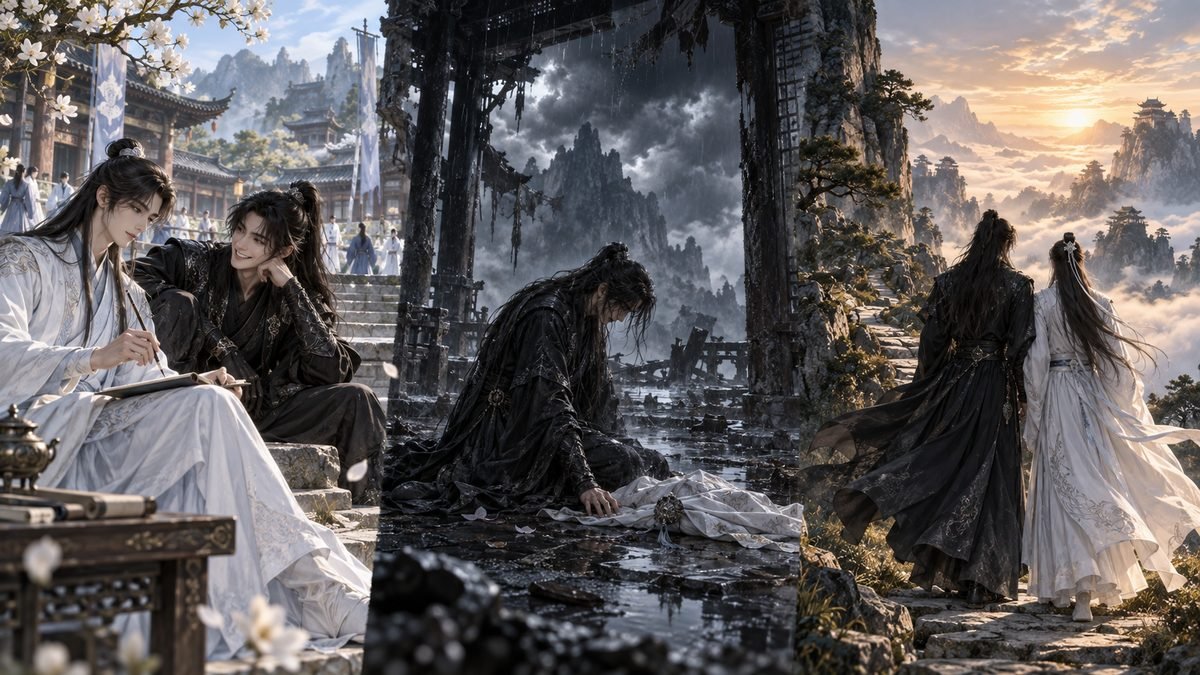
The drama’s visual language changes as its characters lose innocence and gain understanding. Early episodes have more room for discovery, contrast, and playful interruption. Later scenes become crowded by duty, history, and consequences. The final movement does not simply return to the beginning; it revisits familiar visual ideas with mature trust.
Early episodes favor discovery and playful contrast
At Cloud Recesses, rules create opportunities for visual comedy and friction. Wei Wuxian’s restless motion presses against the disciplined environment, while Lan Wangji’s control gives that motion a clear opposite. Their encounters are energetic because the frame can hold curiosity alongside conflict.
These scenes establish the visual vocabulary that later episodes will complicate. The audience learns how each character moves, watches, and protects. Once those patterns are familiar, even a small change becomes emotionally significant.
Tragedy breaks stable visual patterns
As the story darkens, orderly compositions become harder to maintain. Homes are violated, groups fracture, and characters are isolated within crowds. The directing increasingly uses obstructed views, exposed spaces, and interrupted movement to express a world that no longer feels dependable.
This shift tracks the narrative reversals described in The Untamed Plot Analysis: 12 Shocking Twists. Yet the visual change can be felt even when viewers do not consciously analyze it. The world seems less safe because the images themselves stop offering stable belonging.
The ending returns to space, sound, and recognition
The final movement of the story relies on elements the drama has taught us to read: distance, landscape, sound, a turned body, and recognition. The direction does not need to explain every emotion in a closing speech. Earlier scenes have already established what listening, waiting, and turning toward someone mean.
That restraint is central to The Untamed director style. The ending feels open enough to breathe but specific enough to satisfy the relationship’s visual arc. For a closer reading of its final clues, see The Untamed Ending Explained: 7 Secrets You Missed.
Frequently Asked Questions
What defines The Untamed director style?
It is defined by careful reaction shots, meaningful pauses, expressive blocking, repeated visual motifs, and a close relationship between image and sound. The direction often places emotional meaning in behavior and spatial relationships rather than explicit explanation.
Why are reaction shots so important in The Untamed?
Many characters cannot safely say what they feel. Reaction shots reveal the private response beneath public behavior. They also guide viewers toward the emotional consequence of a line or event, which may matter more than the event itself.
How does the drama show WangXian’s bond without explicit dialogue?
It uses shared frames, mirrored positions, protective movement, recurring music, and changing distance. Viewers learn to read who watches, waits, approaches, and stands beside the other person. Those repeated choices create a visual relationship arc.
What visual motifs should viewers watch for?
Notice thresholds, rooftops, water, pathways, headbands, swords, the flute, and repeated arrangements of dark and pale clothing. Also watch how familiar locations change after loss and how similar compositions return with different emotional meanings.
Does music or silence contribute more to the emotion?
They work together. Music connects scenes through memory and recognition, while silence concentrates attention on performance and small environmental sounds. Their contrast gives each tool greater force.
Which scenes are best for studying the direction?
The Cloud Recesses encounters are useful for playful contrast and framing. Qiongqi Path shows distance and restraint. Nightless City demonstrates the breakdown of group order, while the final sequences show how space, sound, and recognition resolve the visual arc.
Conclusion
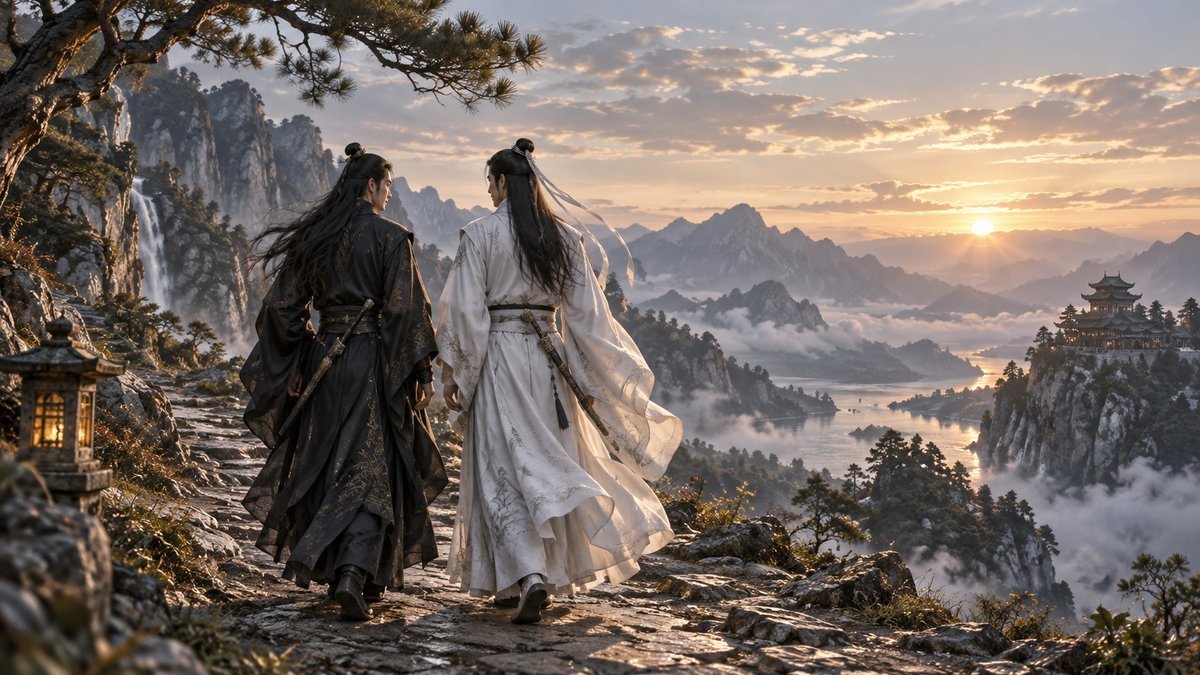
The Untamed director style builds feeling by coordinating small choices. A reaction shot reveals the emotion a character hides. Blocking turns loyalty into a step across a room. Costumes, objects, and locations carry memories from earlier chapters. Music connects people across time, while silence gives a look enough space to become a decision.
On your next rewatch, choose one element and follow it. Track only doorways, or only the distance between Wei Wuxian and Lan Wangji. Notice when music enters, when it leaves, and whose reaction ends a scene. The drama becomes richer because its unspoken language is consistent enough to study and flexible enough to keep revealing new meanings.
If you enjoy close readings that help familiar scenes feel new again, you can support future work through Boxiao on Ko-fi.
Fan-Favorite Collectibles & Gifts