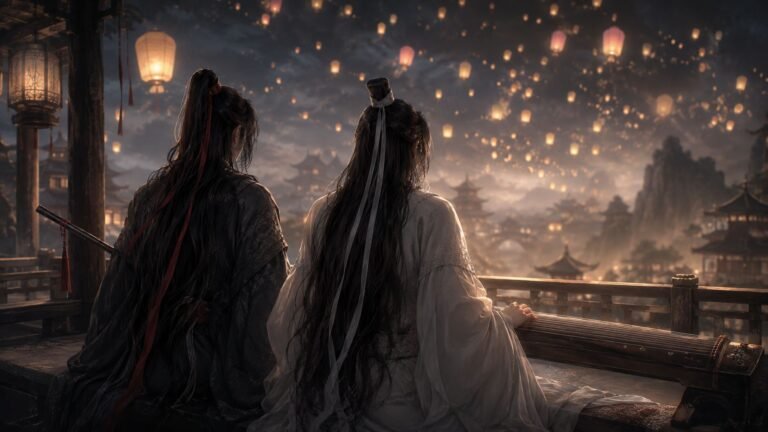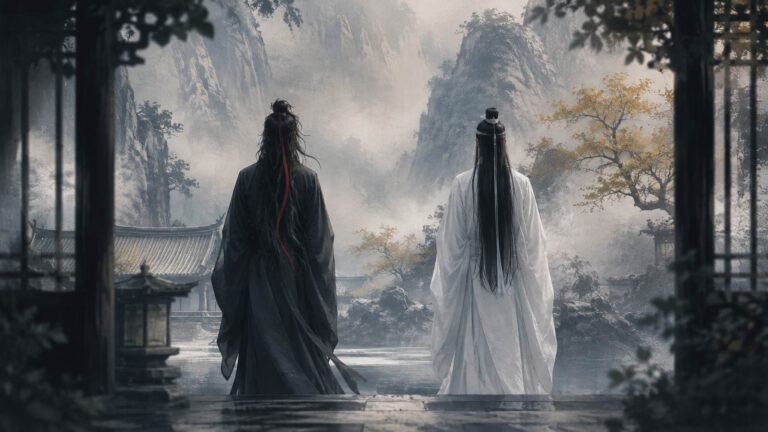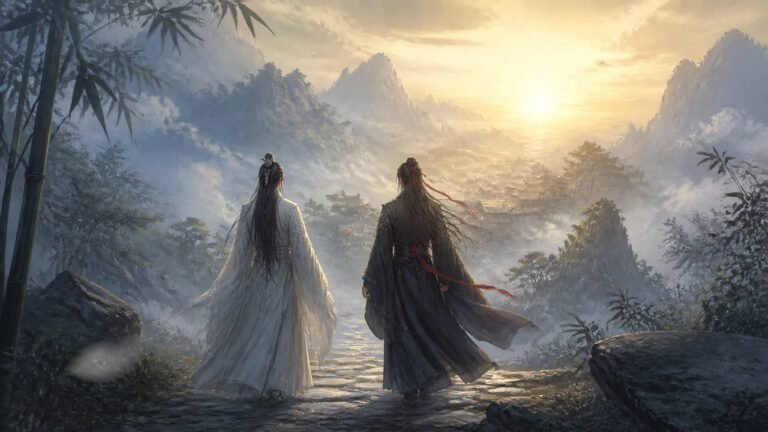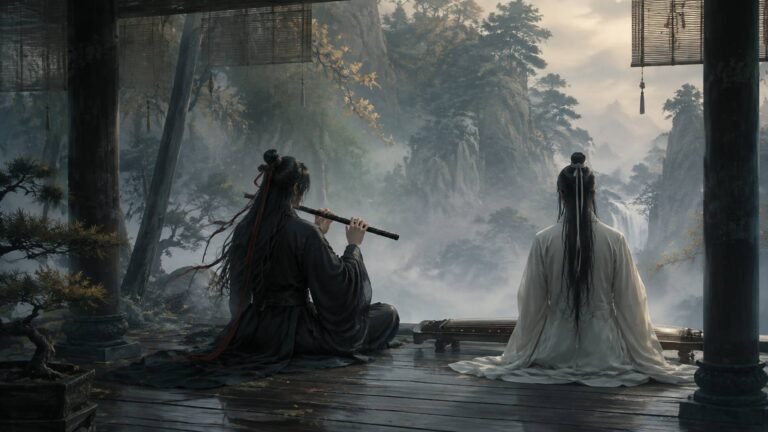
The Untamed Fight Choreography: 9 Best Scenes
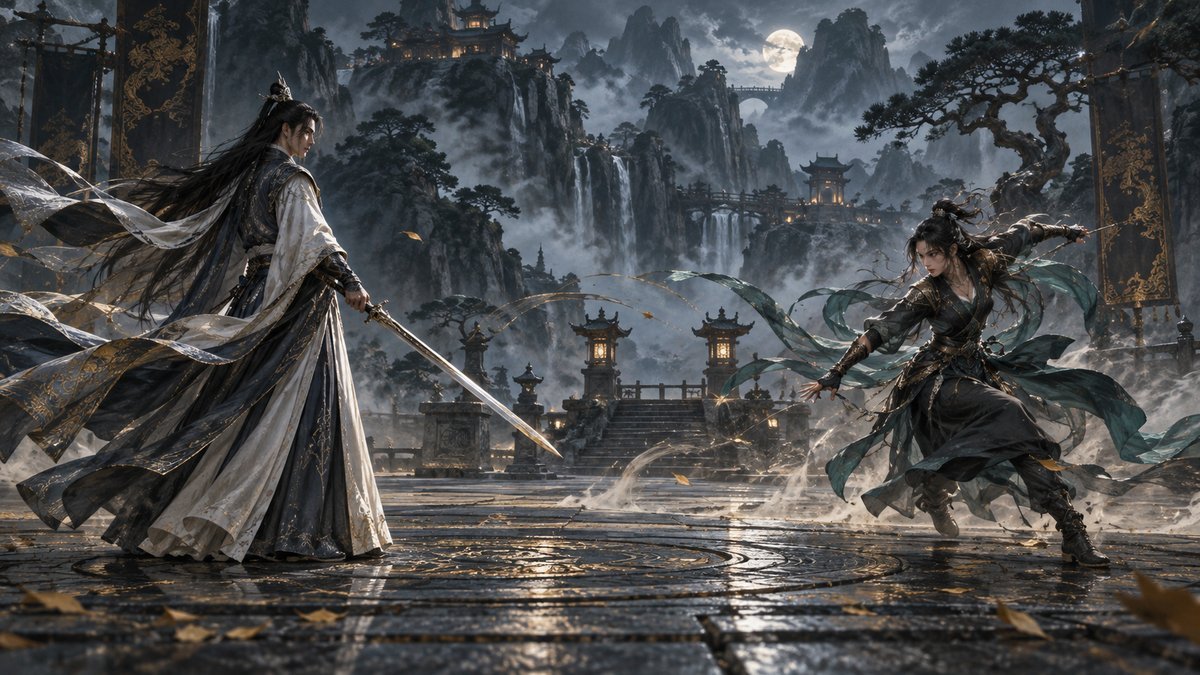
Why The Untamed Fight Choreography Feels Like Storytelling
Movement expresses personality
Wei Wuxian and Lan Wangji rarely move in the same way, especially early in the story. Wei Wuxian improvises. He changes direction, uses whatever is available, and looks for the unexpected opening. Lan Wangji is economical. His posture stays composed, his lines are clean, and his movements suggest that discipline has already solved the problem before anyone else reacts. Their physical styles make their personalities visible before either man explains himself.
That contrast also keeps a long fantasy drama readable. The audience can often identify a character’s intention from a silhouette, stance, or choice of weapon. For a broader guide to those personalities, the The Untamed Character Analysis: 12 Hidden Insights shows how recurring behavior builds each arc. The action scenes compress the same information into seconds.
Geography keeps emotion legible
Strong choreography tells the viewer where everyone is, who is exposed, and what space must be protected. A doorway can become a boundary. A roof edge creates risk. A narrow path can force a moral decision because two people cannot pass without one yielding. The drama repeatedly uses terrain this way, turning settings into active parts of the conflict.
This clarity matters when the plot grows complicated. Viewers may not remember every clan rule, but they understand when one figure places himself between danger and another person. The series’ worldbuilding and cultivation logic adds context, yet the blocking makes the immediate stakes visible even without exposition.
Restraint can be more dramatic than impact
Some of the most powerful beats are withheld. A blade stops short. A character chooses not to pursue. Two opponents hold their ground while neither wants to strike first. These pauses let moral uncertainty enter the scene. Violence becomes a decision rather than an automatic result.
That choice is central to The Untamed fight choreography. The sequences are designed around relationships, so victory is often less important than what a character refuses to do. Restraint preserves tenderness inside conflict and makes the eventual loss of control feel devastating.
Scenes 1–2: Youthful Rivalry Becomes Partnership
Scene 1: The Cloud Recesses rooftop clash
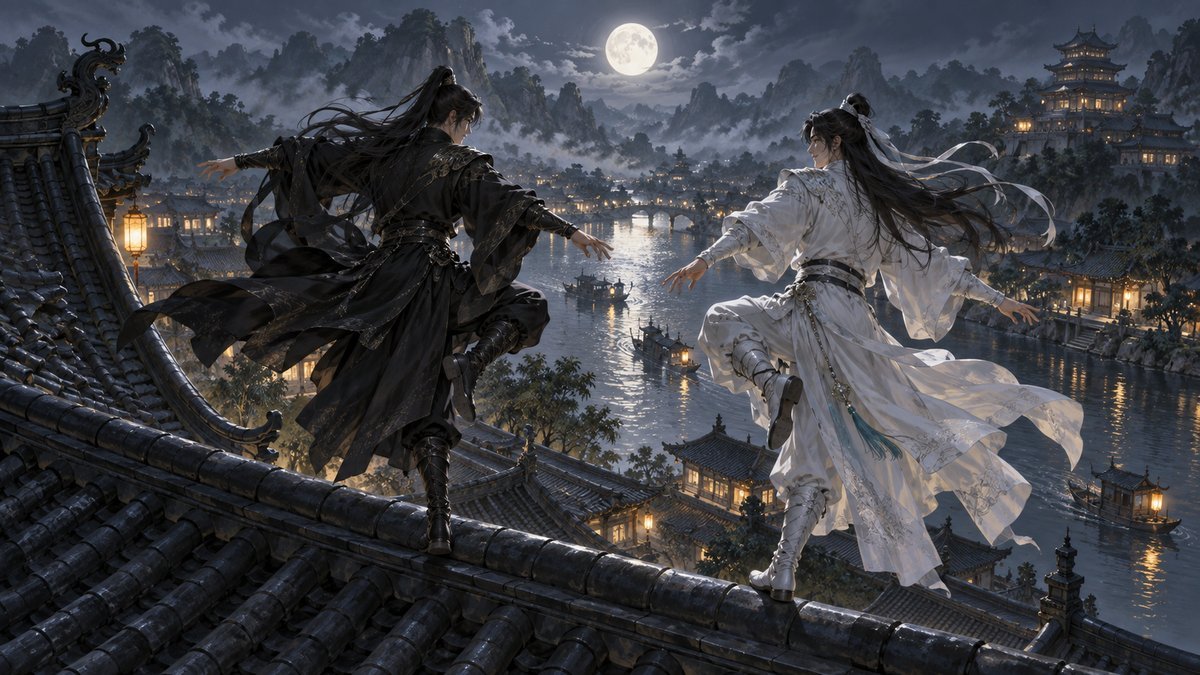
The rooftop meeting between Wei Wuxian and Lan Wangji is the ideal first statement of their dynamic. Wei Wuxian is trying to bend a rule; Lan Wangji embodies the rule. Their exchange feels quick and playful, but the staging establishes equality. Neither is treated as a disposable obstacle for the other. Each watches, adjusts, and answers.
The elevated setting helps. Roof tiles limit footing, the edge supplies danger, and the open night sky keeps the silhouettes clear. The scene uses mirrored movement to make opposition look like compatibility. Even while they disagree, they can already keep pace with each other. For fans revisiting the drama’s most electric set pieces, The Untamed Iconic Scenes: 15 Moments That Give Chills places this early spark within the larger emotional journey.
Scene 2: The waterborne abyss hunt
The waterborne abyss hunt expands the action from a duel to a group problem. Boats create unstable islands of safety, while water hides the direction of danger. Characters must read the threat, maintain balance, and react to other people at once. The choreography makes rescue decisions as important as attacks.
Wei Wuxian’s curiosity pushes him toward risk. Lan Wangji’s control helps him manage the changing space. Around them, the other cultivators reveal varying levels of confidence and cooperation. The sequence is valuable because it shows partnership emerging without a formal declaration. One person anticipates; the other completes the response.
What these scenes establish
The first two scenes use movement as courtship in the broad narrative sense: two people test boundaries, recognize ability, and begin to understand a shared rhythm. That development supports the later Lan Wangji and Wei Wuxian relationship arc. Before trust becomes explicit, the body already knows where the other person will move.
These early fights also have room for delight. Skill feels like discovery rather than burden. The audience sees what the pair can become together before politics, loss, and incompatible duties turn every action into a choice with consequences.
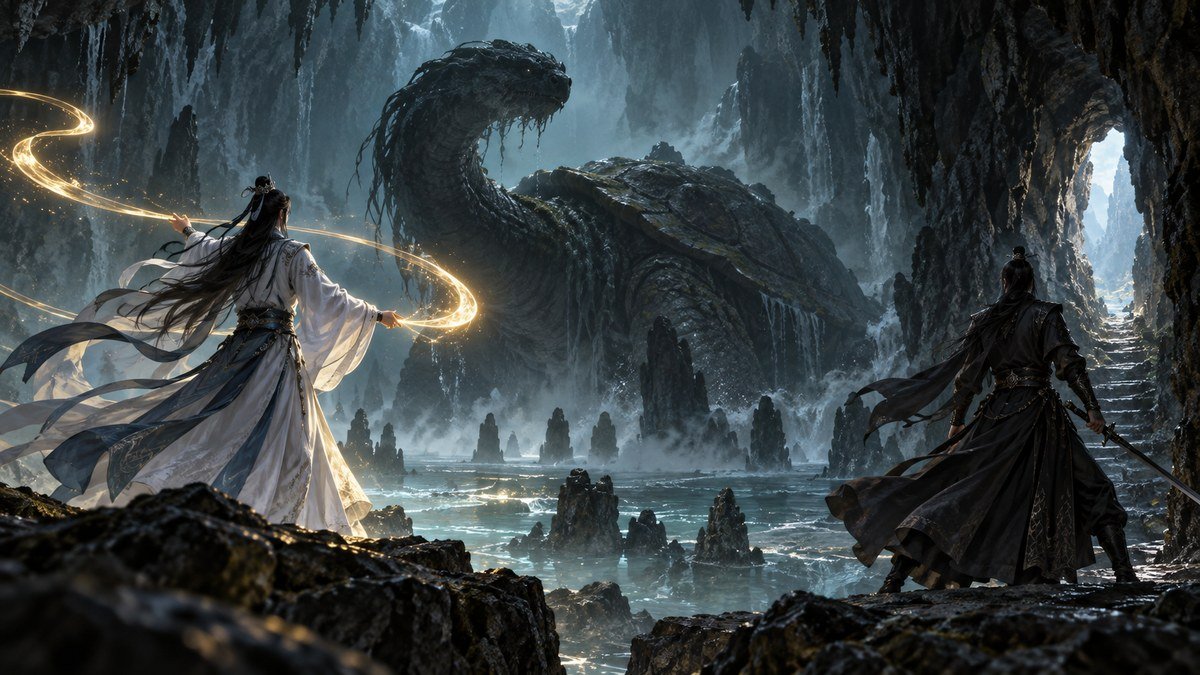
Scenes 3–4: Survival Changes the Meaning of Skill
Scene 3: The Xuanwu cave battle
The Xuanwu cave sequence transforms choreography into survival. The space is enclosed, escape is uncertain, and the threat cannot be handled through ordinary dueling etiquette. The characters must improvise with limited resources. Roles divide naturally: one person creates an opening while another exploits it, and neither contribution works alone.
The scene’s physical hardship matters. Fatigue and injury narrow the available choices. When characters coordinate under pressure, trust is no longer an attractive possibility; it is necessary. The danger also exposes Wei Wuxian’s defining habit of moving toward vulnerable people, a trait explored further in the Wei Wuxian Character Study.
Scene 4: The attack on Lotus Pier
At Lotus Pier, action loses the adventurous shape of an organized hunt. The setting is home, so every breached threshold carries emotional weight. Defenders move through familiar spaces that no longer protect them. The attackers’ pressure overwhelms the defenders’ ability to restore order, and the sequence makes helplessness visible through broken formations and interrupted rescue attempts.
The power of the scene comes from contrast. Earlier skill suggested that talent and courage might solve any problem. Here, individual excellence cannot stop a larger catastrophe. The choreography communicates the collapse of a world, not simply the defeat of fighters. It belongs among The Untamed Intense Moments because the emotional shock comes from watching familiar relationships fail to hold a physical space together.
From adventure to consequence
After these sequences, combat no longer resets when the scene ends. Injury changes future choices. Loss changes the meaning of protection. A person who once fought for pride may now fight from fear of losing the last remaining bond.
This is also where the series makes skill morally complicated. Being capable creates responsibility, but responsibility does not guarantee success. The clan rivalries and loyalties determine who may intervene, who must obey, and whose survival is treated as negotiable. Choreography gives those social forces a physical form.
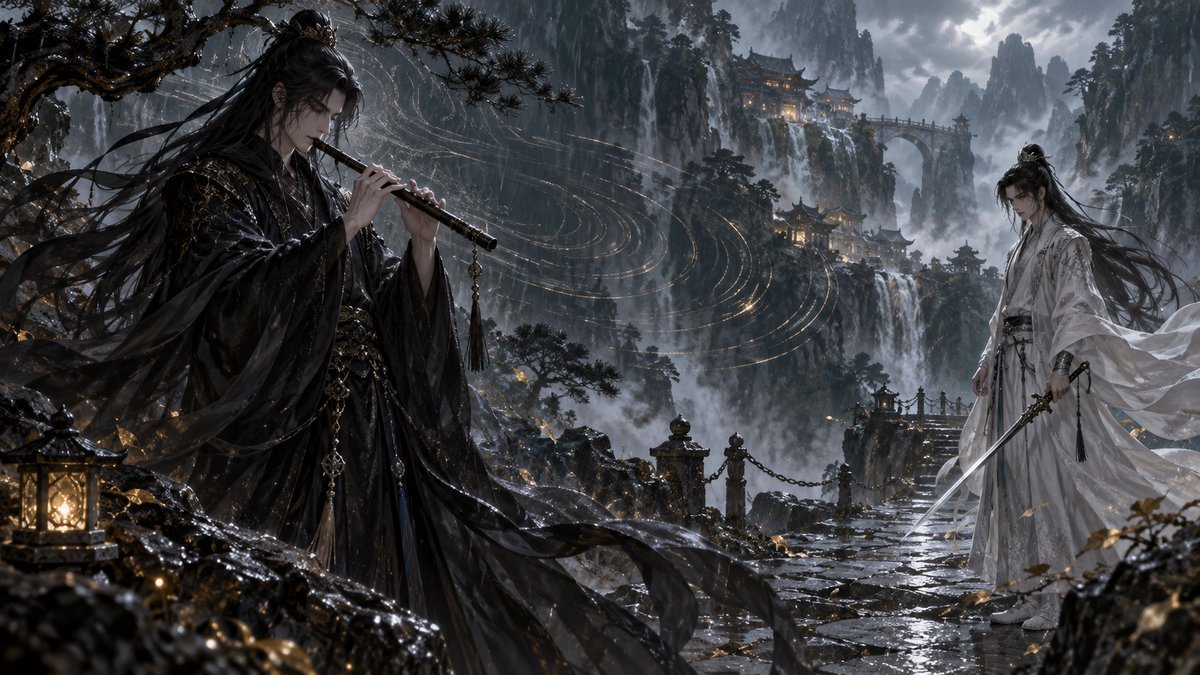
Scenes 5–6: Power, Control, and Moral Distance
Scene 5: Wei Wuxian’s battlefield return
Wei Wuxian’s return during the Sunshot conflict changes the action vocabulary. Conventional swordplay depends on visible contact: a fighter closes distance and directs force through a weapon. Wei Wuxian can now remain comparatively still while sound carries his influence across the field. That separation makes his power impressive and unsettling.
The choreography turns stillness into authority. Other bodies react while he occupies the center of the event. His control appears broad, but the emotional cost is equally broad because the scene no longer feels like a contest between matched opponents. The demonic cultivation analysis helps explain why this new fighting method is both a practical weapon and a visible challenge to accepted order.
Scene 6: The Qiongqi Path confrontation
The confrontation at Qiongqi Path is defined by position more than attack. The route is blocked. Rain reduces warmth and visibility. Wei Wuxian stands with people he has chosen to protect, while Lan Wangji faces him from the world of rules and consequences. Their distance holds the entire argument.
Each man understands the other, which makes the standoff painful. A simpler action story might use combat to decide who is right. Here, the possibility of combat reveals that both men see danger clearly but define protection differently. The scene’s emotional force comes from their reluctance to convert disagreement into violence.
Different definitions of protection
Wei Wuxian protects the people directly in front of him, even when the decision isolates him. Lan Wangji sees both the immediate injustice and the disaster that may follow. Their approaches are not neatly opposed; they overlap and pull apart under pressure. The evolving balance is central to the WangXian relationship analysis.
Weapons in this chapter operate like arguments. Readiness shows commitment, lowered points reveal hesitation, and the space between the characters becomes a measure of what society has forced between them. The scene proves that The Untamed fight choreography can reach its highest tension without delivering a conventional duel.
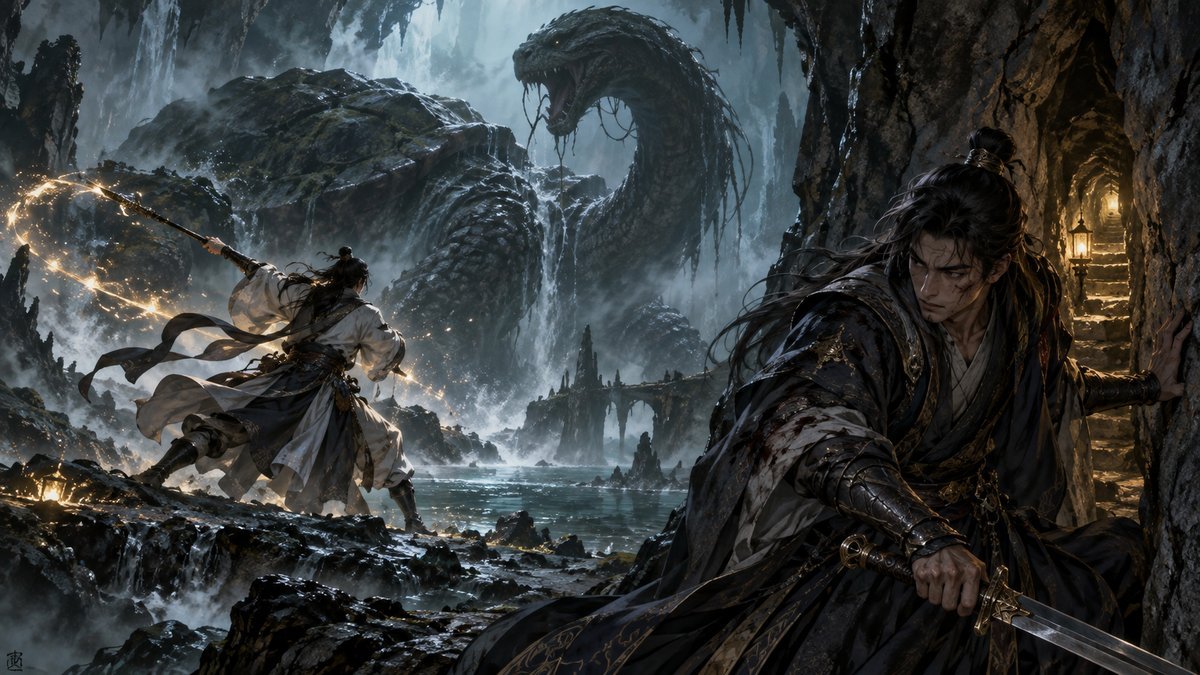
Scenes 7–9: Chaos, Ensemble Tension, and the Endgame
Scene 7: Nightless City
Nightless City reverses the clarity of the early hunts. The crowd fragments into waves of accusation, defense, fear, and retaliation. Wei Wuxian becomes visually isolated even when surrounded by people. Instead of a stable formation, the sequence offers repeated disruptions: someone advances, another reacts, a protective intention is misunderstood, and the situation becomes harder to read.
That loss of spatial order mirrors the loss of emotional control. The scene does not invite viewers to enjoy mastery. It asks them to feel how quickly collective violence exceeds any single person’s ability to direct it. The wider plot analysis of The Untamed shows how revelations and manipulation prepare this disaster, but the choreography makes the collapse immediate.
Scene 8: Yi City
Yi City creates suspense through incomplete information. Restricted visibility and deceptive appearances make every approach uncertain. The junior cultivators bring courage but less experience, so the older characters’ movement must account for protection as well as investigation. The action becomes a problem of reading signals under pressure.
This ensemble design keeps the sequence from becoming a simple display by the strongest fighter. Positioning matters: who can see the threat, who is being guided, and who is separated from safety. Small props and ritual tools become part of the tactical language. Readers interested in that layer can explore The Untamed Talismans and Artifacts.
Scene 9: Guanyin Temple
Guanyin Temple brings the drama’s action into a tight social space. The danger is close, alliances can change with a confession, and brute force cannot solve every problem. Timing becomes more important than range. A glance, distraction, or carefully chosen movement can alter who holds control.
The choreography serves revelation. Characters who seemed powerful are constrained; people treated as secondary affect the outcome; and long histories enter the room through posture and reaction. The sequence earns its place among the nine because it closes the pattern established on the Cloud Recesses rooftop. What began as two gifted young men measuring each other ends with mature trust operating under pressure.
The final confrontation also points toward the drama’s resolution. The ending explained guide can help connect these last physical choices to the series’ quieter final images.
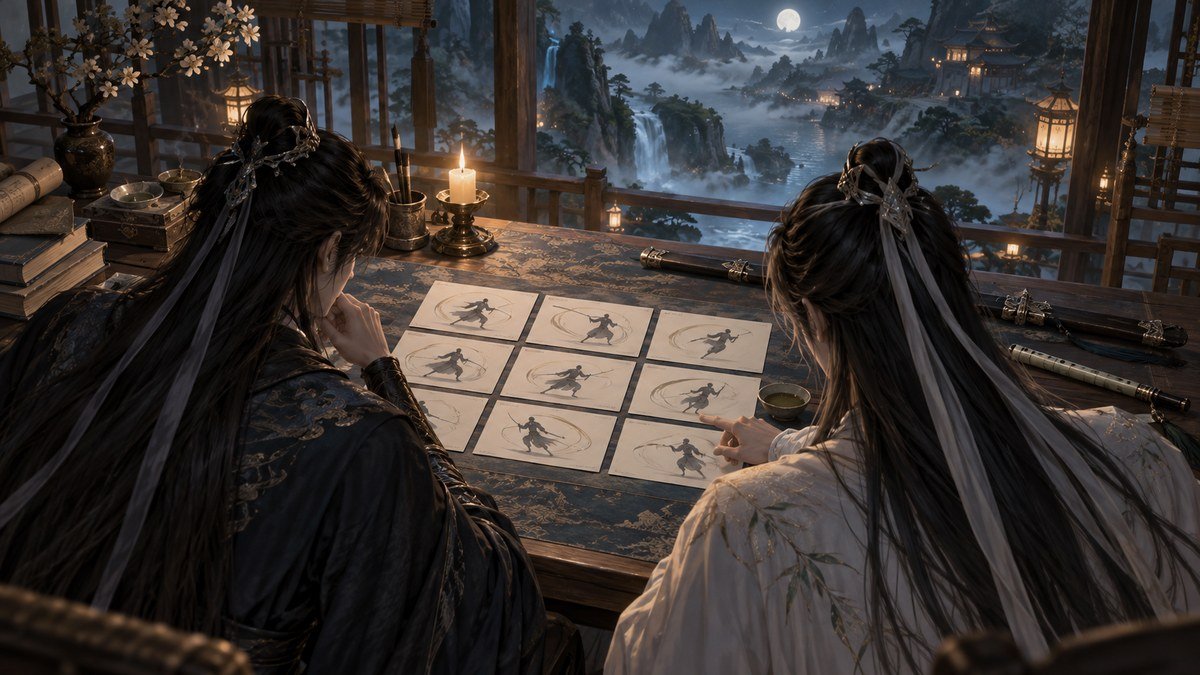
How to Rewatch the Nine Scenes Like a Choreographer
Track intention before technique
On a rewatch, ask what each character wants at the start of every beat. The answer may be to escape, delay, protect, reveal, distract, or dominate. Once intention is clear, a movement that looks small can become decisive. A retreat may be tactical. A missed opening may be mercy. A reckless advance may be a deliberate attempt to draw danger away from someone else.
This approach also prevents spectacle from flattening the story. Rather than counting attacks, notice when the objective changes. The best scenes pivot: a hunt becomes a rescue, a defense becomes an evacuation, or an apparent confrontation becomes an appeal.
Watch the frame, props, and sound
Pause at the beginning of a sequence and map the frame. Identify exits, elevated positions, bottlenecks, and the person occupying the most vulnerable space. Then watch how the map changes. The series often signals a power shift by moving someone to the center or isolating them at an edge.
Props carry meaning too. Swords project direct discipline; talismans alter conditions; the flute extends influence beyond arm’s reach. Sound can lead or withhold the next action. The drama’s music and emotional impact is especially useful here because a cue may prepare the viewer emotionally before the movement confirms what has changed.
Follow the relationship arc through distance
Finally, watch only the distance between Wei Wuxian and Lan Wangji. In the rooftop scene, space allows playful testing. In the cave, separation must be overcome through coordination. At Qiongqi Path, distance becomes moral pain. By the endgame, proximity expresses chosen trust rather than accidental alignment.
That progression explains why fans remember the pair’s action scenes even when individual techniques blur together. The movement gives form to a relationship that often communicates through deeds. It also helps explain why The Untamed remains so addictive: viewers are not only waiting to see who wins, but watching to discover whether two people can still reach each other.
Frequently Asked Questions
What makes The Untamed fight choreography distinctive?
Its strongest sequences connect physical choices to character and relationship. Stance, timing, direction, and restraint tell the audience who trusts whom, who is protecting whom, and what each person is willing to risk. Fantasy techniques create spectacle, but emotional intention gives the action its identity.
Which scene best shows Wei Wuxian and Lan Wangji working together?
The Xuanwu cave battle is the clearest early example because survival requires complementary roles and real trust. The waterborne abyss hunt shows their instinct beginning to align, while later sequences demonstrate a deeper partnership shaped by loss and experience.
Why does Wei Wuxian fight differently after his return?
His method changes from direct sword-centered engagement to sound-led influence at a distance. Visually, this makes him appear both more powerful and more isolated. It reflects his altered circumstances, his willingness to use rejected methods, and the growing gap between his intentions and how others perceive him.
Are the fights meant to be realistic?
They follow the expressive logic of xianxia rather than strict real-world combat realism. Flight, spiritual tools, and amplified abilities create a heightened visual language. Within that language, the best scenes remain coherent because viewers can still understand objectives, danger, and changing control.
Which sequence is the most emotionally important?
Nightless City is the emotional breaking point because movement, crowd pressure, grief, and misunderstanding converge. However, Qiongqi Path may be the most revealing: the lack of a full fight exposes the moral conflict between its central characters with unusual clarity.
What should first-time viewers notice on a rewatch?
Watch who moves first, who interrupts an attack, and who chooses a protective position. Track the distance between key characters and notice when a weapon is held ready but unused. Those choices often foreshadow later loyalties more clearly than dialogue.
Conclusion
Across these nine scenes, The Untamed fight choreography grows with the story. The rooftop clash uses motion to create recognition. The hunts and cave battle turn rivalry into coordination. Lotus Pier and Nightless City show skill overwhelmed by history, fear, and collective violence. Qiongqi Path makes stillness feel like heartbreak, while Guanyin Temple rewards timing, attention, and trust.
The result is action that stays memorable after the visual effects fade. Every strong sequence asks the same human questions: Who will step forward? Who will stand beside someone condemned by the crowd? Who can stop when anger makes stopping hardest? Rewatch the nine scenes with those questions in mind, and the drama’s movement becomes a second script written across bodies and space.
That second script also makes the series approachable across languages. Subtitles carry dialogue, but a protective turn, a shared line of sight, or an intentionally opened escape route needs no translation. The choreography helps viewers feel loyalty and danger immediately, then invites them to return and study how those emotions were constructed.
If this kind of close reading helps you return to the story with fresh eyes, you can support more fan analysis through Boxiao on Ko-fi.
Fan-Favorite Collectibles & Gifts