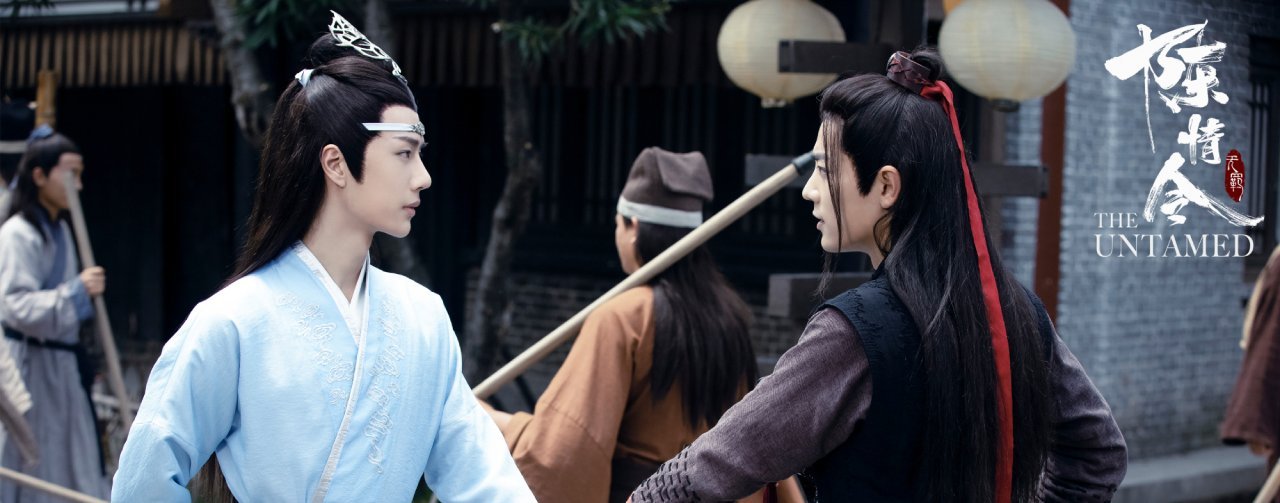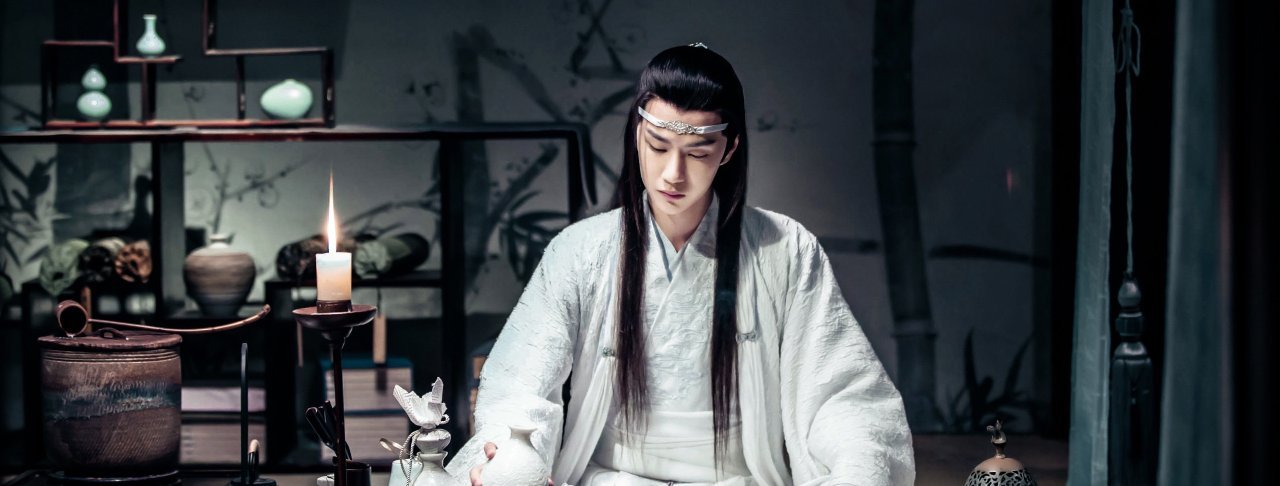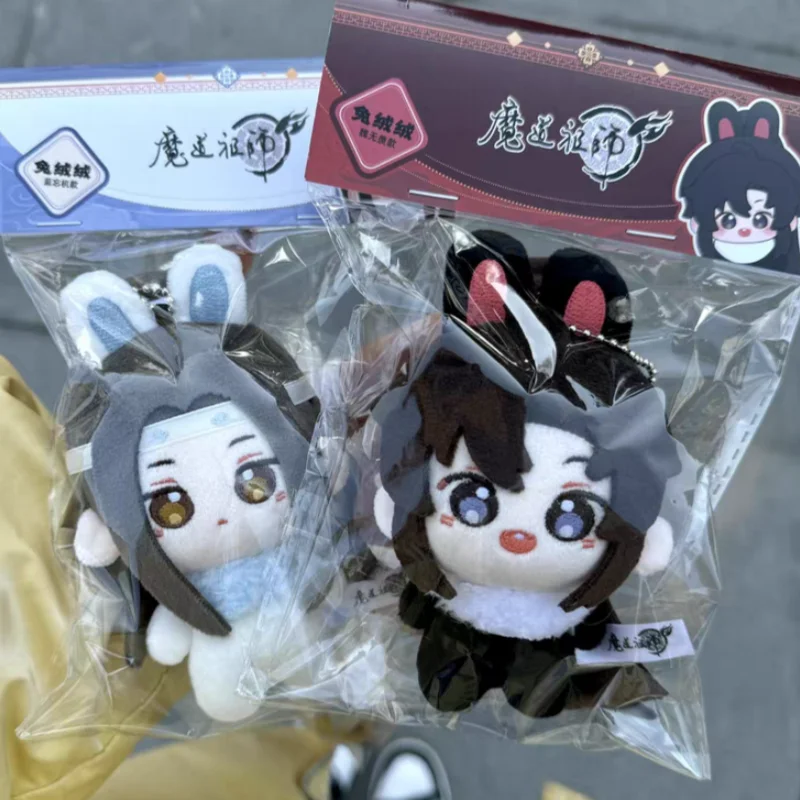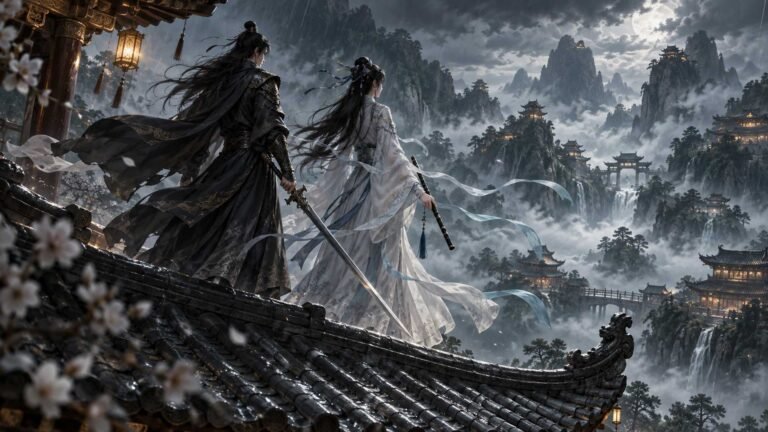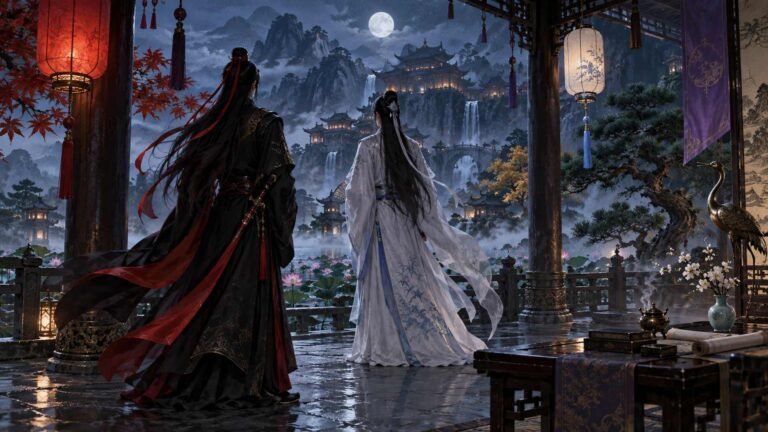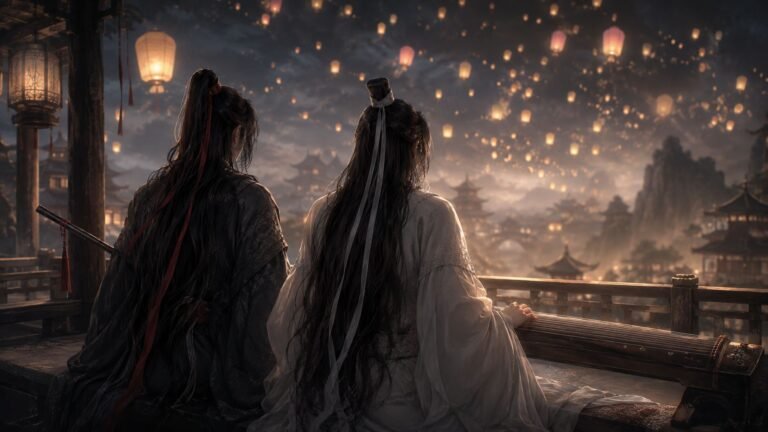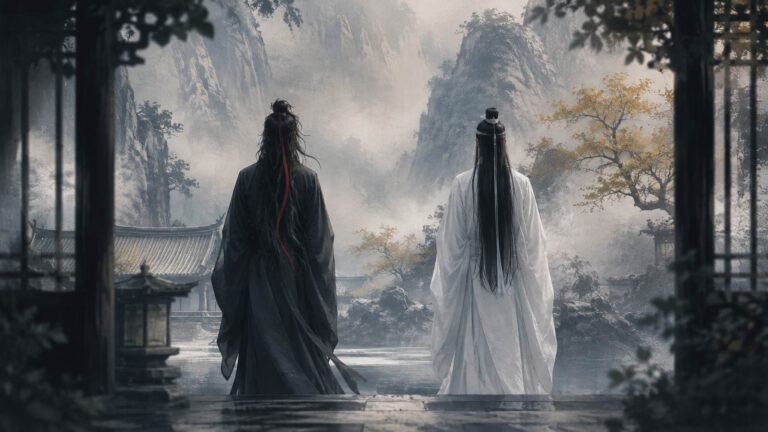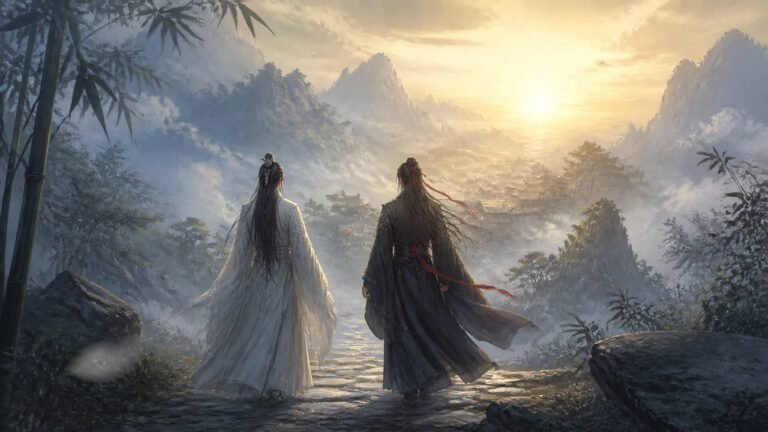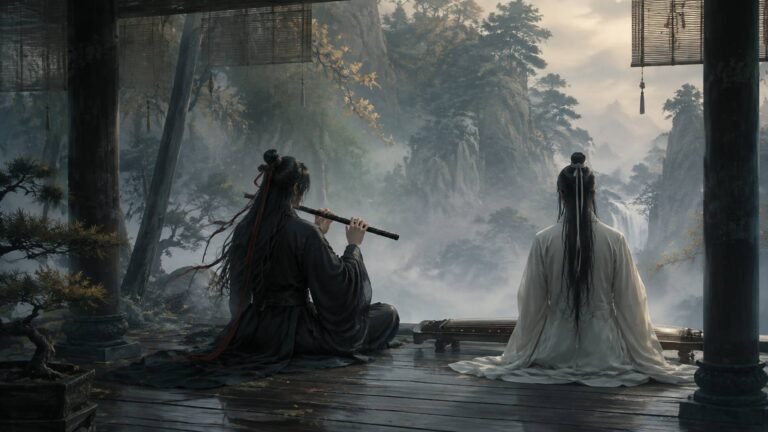
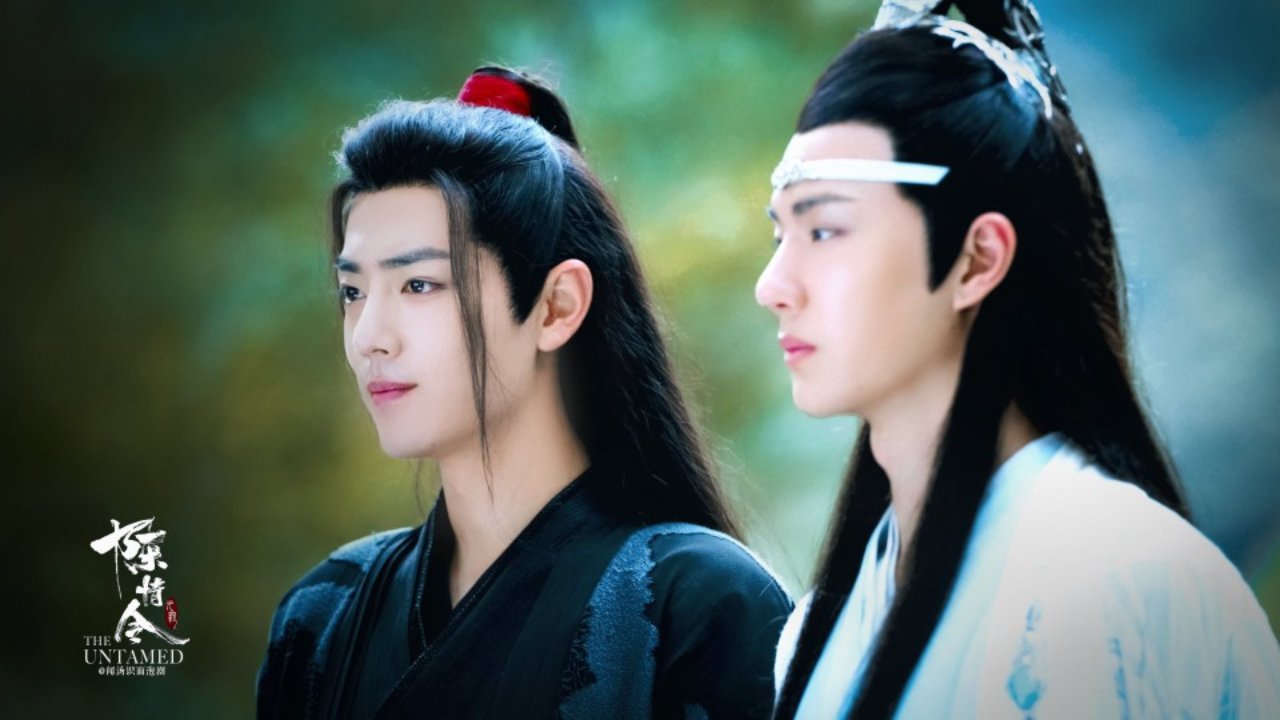
The Untamed vs Novel comparison showing the biggest differences every fan should know

The Untamed vs Novel: 9 Key Differences Fans Must Know

Have you ever wondered how closely your favorite drama follows its original story? The Untamed vs Novel comparison is a hot topic among fans who want to uncover what truly changed between the screen and the page. Whether you’re a longtime viewer or just discovering this global hit, understanding the differences can completely reshape your experience.

The debate around The Untamed vs Novel isn’t just about plot details—it’s about tone, character depth, and even hidden themes influenced by adaptation choices. From subtle character shifts to major storyline changes, the contrast between the drama and Mo Dao Zu Shi offers fascinating insights. Many fans are especially curious about how censorship and creative decisions shaped the final version we see on screen.

If you’ve ever questioned which version tells the “real” story or which one you should explore first, you’re not alone. In this guide, we’ll break down The Untamed vs Novel differences in a clear and engaging way—starting with the key changes you need to know.
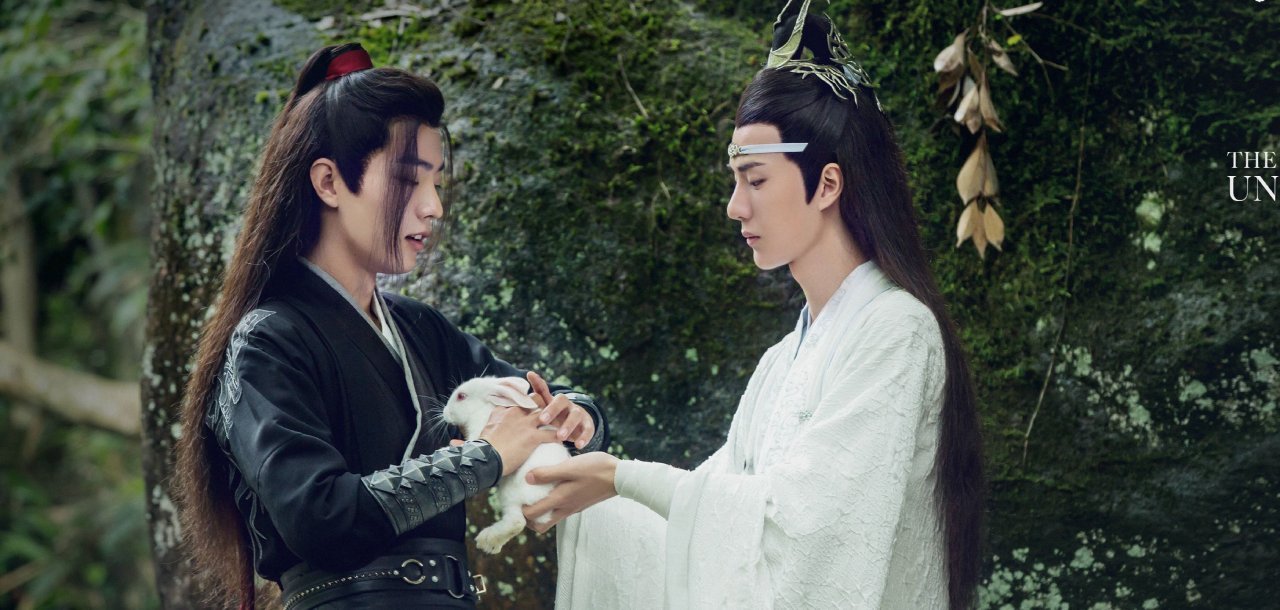
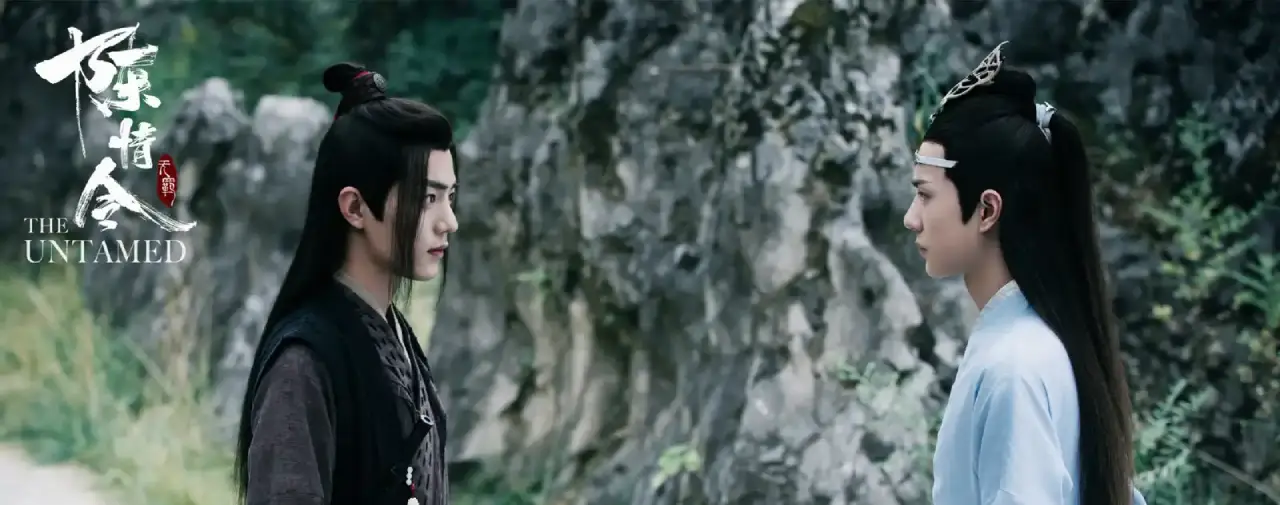
The Untamed vs Novel introduction comparing the drama and Mo Dao Zu Shi

Chapter 1: Introduction to The Untamed and the Original Novel

What Is The Untamed Drama and Why It Became a Global Hit?

The rise of The Untamed vs Novel discussion begins with understanding the drama itself. The Untamed is a live-action Chinese xianxia series that blends fantasy, martial arts, and emotional storytelling into one unforgettable experience. Since its release, the drama has captivated millions worldwide, not just because of its plot, but also due to its strong character dynamics and visual storytelling.

Unlike many traditional fantasy dramas, The Untamed relies heavily on emotional subtext and character relationships. This approach helped it resonate with both domestic and international audiences. In fact, its global success aligns with research on transnational fandoms, where emotionally driven narratives tend to travel well across cultures (Jenkins, 2006).

For a deeper dive into its cultural influence, check out The Untamed global phenomenon explained .

🎬 Curious about its cinematic appeal?
👉 Explore more in this YouTube clip – Click to watch

Overview of Mo Dao Zu Shi: The Original Novel Behind the Story

Before the drama adaptation, the story existed as Mo Dao Zu Shi, a web novel written by Mo Xiang Tong Xiu. This novel falls under the xianxia genre but pushes boundaries with darker themes, moral ambiguity, and complex character motivations.

Compared to the drama, the novel presents a more layered narrative. Wei Wuxian, for example, appears more morally gray, which adds depth to his journey. Scholars studying adaptation theory often highlight how novels allow for deeper psychological exploration, while visual media must simplify for broader audiences (Hutcheon, 2013).

Readers who explore both versions often notice how the novel’s tone feels more intense and emotionally raw. That contrast fuels much of the ongoing The Untamed vs Novel debate.

If you’re interested in how xianxia storytelling evolved, don’t miss The evolution of xianxia culture in The Untamed .

Why Comparing The Untamed vs Novel Matters to Fans

So, why does the The Untamed vs Novel comparison matter so much? For fans, it’s not just about spotting differences—it’s about understanding storytelling choices and emotional impact.

Several key factors drive this comparison:

  • Adaptation changes due to censorship and format limitations
  • Character reinterpretations that shift audience perception
  • Fandom engagement, which amplifies discussions online

Modern fandom studies show that audiences actively participate in interpreting and reshaping narratives (Sandvoss, 2011). That’s exactly what’s happening here. Fans don’t just consume The Untamed—they analyze, debate, and reinterpret it through the lens of the original novel.

Want to explore how fandom shaped its global success?
👉 Check out Bojun Yixiao fan culture explained

Ultimately, comparing both versions enriches your viewing and reading experience. In the next section, we’ll break down the key differences at a glance so you can clearly see how the story transforms across formats.

The Untamed vs Novel key differences between the drama and the original novel

Chapter 2: The Untamed vs Novel – Key Differences at a Glance

Understanding The Untamed vs Novel differences can feel overwhelming at first. After all, both versions tell the same core story—but they do so in surprisingly different ways. From tone and pacing to character depth, these changes shape how fans connect with the narrative.

Let’s break it down step by step so you can clearly see what sets them apart.

Quick Comparison Table: The Untamed vs Novel Side by Side

To simplify things, here’s a clear comparison of the most noticeable differences:

AspectThe Untamed (Drama)Mo Dao Zu Shi (Novel)
Genre ToneLightened, emotional, friendship-focusedDarker, morally complex
RomanceSubtle subtext (due to censorship)Explicit BL relationship
Character DepthSimplified for screenDeep psychological exploration
Plot StructureLinear storytellingNon-linear with flashbacks
ThemesBrotherhood, justiceMorality, power, consequences
Ending StyleOpen-ended, softenedClear, emotionally resolved

This table highlights why the The Untamed vs Novel debate remains so active in fandom spaces. Each version offers a unique emotional experience.

For a deeper breakdown of the storyline, you can explore The Untamed plot analysis and shocking twists .

Tone and Genre Differences in The Untamed vs Novel

One of the most striking contrasts lies in tone. The drama leans toward a hopeful and emotionally uplifting narrative, while the novel embraces darker themes and moral ambiguity.

In The Untamed, the story emphasizes:

  • Loyalty and friendship
  • Redemption and justice
  • Emotional restraint

On the other hand, the novel dives deeper into:

  • Ethical gray areas
  • The consequences of power
  • Internal conflict and trauma

This shift aligns with adaptation strategies commonly seen in global media. According to Hutcheon (2013), visual adaptations often simplify darker elements to appeal to broader audiences. As a result, The Untamed vs Novel comparison reveals how storytelling changes when moving from page to screen.

🎬 Want to see how tone is expressed visually?
👉 Explore more in this YouTube clip – Click to watch

Audience Target and Adaptation Goals

Another key factor in The Untamed vs Novel differences is the intended audience. The novel primarily targets readers familiar with xianxia tropes and mature storytelling. Meanwhile, the drama aims for a wider, international audience.

This difference influences several creative decisions:

  • Censorship adjustments: Romance becomes subtle rather than explicit
  • Simplified plotlines: Easier for new viewers to follow
  • Visual storytelling: Focus on aesthetics and emotional cues

Interestingly, fandom research (Jenkins, 2006) shows that accessible adaptations often attract larger global communities. That’s exactly what happened with The Untamed, which gained massive popularity on platforms like Netflix.

If you’re curious about its worldwide success, check out Why The Untamed still tops global watchlists .

Why These Differences Matter to Fans

At first glance, these changes might seem minor. However, they significantly affect how fans interpret the story.

For example:

  • Novel readers often prefer the deeper emotional complexity
  • Drama viewers appreciate the visual storytelling and accessibility
  • Many fans enjoy experiencing both for a complete perspective

This dual experience reflects a broader trend in fandom culture. According to Sandvoss (2011), fans actively compare and reinterpret multiple versions of the same narrative to build a richer understanding.

If you want to explore how fandom drives these discussions, don’t miss The Untamed fandom psychology explained .

In short, The Untamed vs Novel differences go far beyond surface-level changes. They reshape the story’s tone, emotional depth, and audience experience. Up next, we’ll dive deeper into specific plot changes and uncover what was altered—and why it matters.

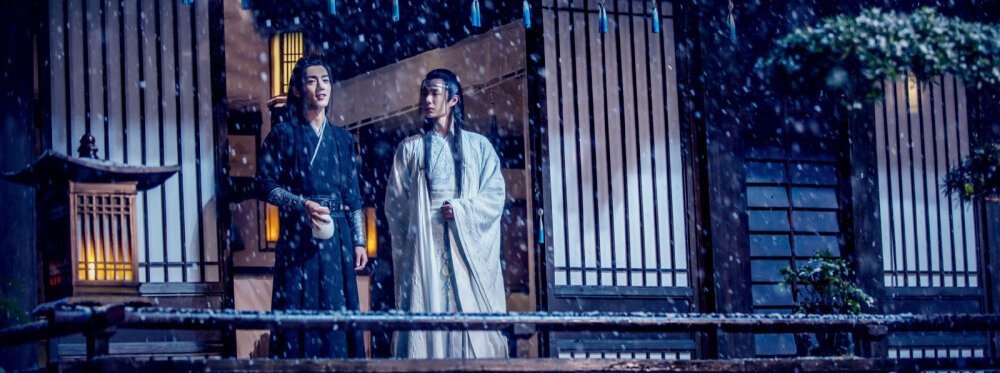
WangXian emotional distance in The Untamed

Chapter 3: Plot Changes in The Untamed Adaptation

When discussing The Untamed vs Novel, plot changes are often the first thing fans notice. While both versions follow the same core storyline, the drama introduces several adjustments that reshape how events unfold. These changes don’t just alter the narrative—they influence how viewers emotionally connect with the characters.

Let’s explore the most important differences and what they mean for the overall story.

Major Storyline Alterations in The Untamed vs Novel

One of the biggest shifts in The Untamed vs Novel lies in how the story is structured. The novel uses a non-linear timeline, jumping between past and present to slowly reveal key truths. In contrast, the drama adopts a more straightforward, chronological approach.

This change makes the story easier to follow, especially for new viewers. However, it also reduces the mystery and suspense that novel readers often love.

Key alterations include:

  • Reordered events to create a smoother viewing experience
  • Expanded backstories for certain characters
  • Clearer motivations to avoid confusion

Additionally, the drama introduces original elements that don’t exist in the novel. For example, the Yin Iron storyline plays a larger role in The Untamed, adding a more traditional “good vs evil” conflict.

If you want a deeper breakdown of these twists, check out The Untamed plot analysis and shocking twists .

Added and Removed Scenes: What Changed and Why

Adaptation always involves trade-offs. In The Untamed vs Novel, some scenes were expanded, while others were removed entirely.

The drama adds:

  • More group interactions to highlight friendship
  • Additional training and clan scenes for world-building
  • Emotional moments that emphasize loyalty and sacrifice

Meanwhile, the novel includes:

  • Deeper internal monologues
  • More intense conflict and darker moments
  • Detailed exploration of Wei Wuxian’s inner struggles

According to adaptation theory (Hutcheon, 2013), visual storytelling often prioritizes external action over internal thought. That explains why many introspective scenes from the novel don’t appear in the drama.

🎬 Want to see how these scenes play out on screen?
👉 Explore more in this YouTube clip – Click to watch

Changes Due to Censorship in The Untamed Adaptation

No discussion of The Untamed vs Novel is complete without addressing censorship. Chinese broadcasting regulations significantly shaped how the story was adapted.

The most noticeable changes include:

  • Romantic elements toned down into subtle subtext
  • Darker themes softened to meet content guidelines
  • Villain motivations simplified for clarity

Despite these limitations, the creators found creative ways to preserve emotional depth. Through meaningful glances, symbolic gestures, and carefully written dialogue, they conveyed relationships without explicit confirmation.

Interestingly, this subtlety became one of the drama’s strengths. Many fans enjoy analyzing hidden meanings and unspoken emotions, which adds an interactive layer to the viewing experience.

For more insight into how the production handled these challenges, explore The Untamed behind-the-scenes secrets .

Why These Plot Changes Matter to the Story

These adaptation choices don’t just modify the plot—they redefine the story’s emotional core. The novel offers a more complex and morally ambiguous journey, while the drama delivers a clearer, more accessible narrative.

From a fandom perspective, both versions serve different purposes:

  • The novel provides depth and psychological insight
  • The drama offers visual immersion and emotional clarity

Research on fandom culture (Jenkins, 2006) shows that audiences often engage more deeply when multiple versions of a story exist. That’s exactly why The Untamed vs Novel continues to spark discussion years after its release.

If you’re curious about how these changes impacted its global success, take a look at The Untamed cultural impact explained .

Ultimately, the plot changes in The Untamed vs Novel highlight the balance between creative storytelling and real-world limitations. In the next section, we’ll dive into character differences and see how these changes shaped Wei Wuxian, Lan Wangji, and beyond.

The Untamed vs Novel plot changes in the live-action adaptation

Chapter 4: Character Differences Between Drama and Novel

When fans explore The Untamed vs Novel, character differences quickly become one of the most talked-about aspects. While the core personalities remain recognizable, subtle shifts in behavior, motivation, and emotional depth create two distinct experiences. These changes often reflect adaptation choices, censorship constraints, and the need to appeal to a broader audience.

Let’s take a closer look at how key characters evolve across both versions.

Wei Wuxian: Is He Darker in The Novel?

Wei Wuxian stands at the heart of the The Untamed vs Novel debate. In the novel, his character feels more morally complex and emotionally intense. He embraces demonic cultivation with fewer restrictions, which makes his journey darker and more controversial.

By contrast, the drama softens his portrayal. The Untamed presents Wei Wuxian as more openly heroic, emphasizing his kindness and sense of justice. This shift helps viewers connect with him quickly, but it reduces some of the internal conflict that defines his character in the novel.

Key differences include:

  • Novel version: morally gray, rebellious, deeply conflicted
  • Drama version: more righteous, emotionally expressive, easier to sympathize with

Scholars studying character adaptation note that visual media often simplifies morally ambiguous protagonists to maintain audience empathy (Hutcheon, 2013). That principle clearly applies in The Untamed vs Novel comparison.

For a deeper dive into his character layers, check out The Untamed character analysis and hidden insights .

Lan Wangji: Subtle Novel vs Expressive Drama Portrayal

Lan Wangji’s transformation across versions offers another fascinating contrast. In the novel, he is extremely reserved, with emotions revealed mostly through internal narration and small actions. Readers must interpret his feelings through subtle cues.

Meanwhile, the drama adds more visible emotional expression. Although still quiet, Lan Wangji in The Untamed shows more warmth through facial expressions, body language, and lingering glances.

This change enhances visual storytelling and makes his relationship with Wei Wuxian easier to understand. However, some fans feel that the novel’s restraint creates a deeper emotional impact.

Key contrasts:

  • Novel Lan Wangji: introspective, emotionally hidden
  • Drama Lan Wangji: subtly expressive, visually communicative

🎬 Want to see how his emotions are conveyed on screen?
👉 Explore more in this YouTube clip – Click to watch

If you’re curious about his personality in detail, explore Lan Wangji character analysis .

Supporting Characters: Expanded vs Simplified Roles

Beyond the main duo, supporting characters also highlight key differences in The Untamed vs Novel. The drama often expands certain roles to enhance emotional storytelling and screen time balance.

For example:

  • Jiang Cheng receives more emotional focus in the drama
  • Wen Qing plays a larger, more sympathetic role
  • Some minor characters gain added backstories

In contrast, the novel provides deeper psychological insights but spends less time expanding secondary arcs. This creates a more concentrated narrative centered on Wei Wuxian’s journey.

According to fandom research (Sandvoss, 2011), expanded supporting roles can strengthen audience attachment by offering multiple emotional entry points. That strategy likely contributed to the drama’s global popularity.

If you want to explore character relationships further, check out Lan Wangji and Wei Wuxian relationship analysis .

Why Character Differences Matter to Fans

These character changes don’t just alter personalities—they reshape the emotional core of the story. The novel offers a more layered and introspective experience, while the drama prioritizes accessibility and visual emotion.

From a fan perspective:

  • Novel readers often appreciate the depth and complexity
  • Drama viewers enjoy the clarity and emotional expression
  • Many fans engage with both to gain a complete understanding

This dual interpretation aligns with Jenkins’ (2006) theory of participatory culture, where fans actively compare and reinterpret different versions of a narrative.

Ultimately, The Untamed vs Novel character differences highlight how storytelling evolves across formats. In the next section, we’ll explore how romance and relationships were adapted—and why that sparked one of the biggest debates in the fandom.
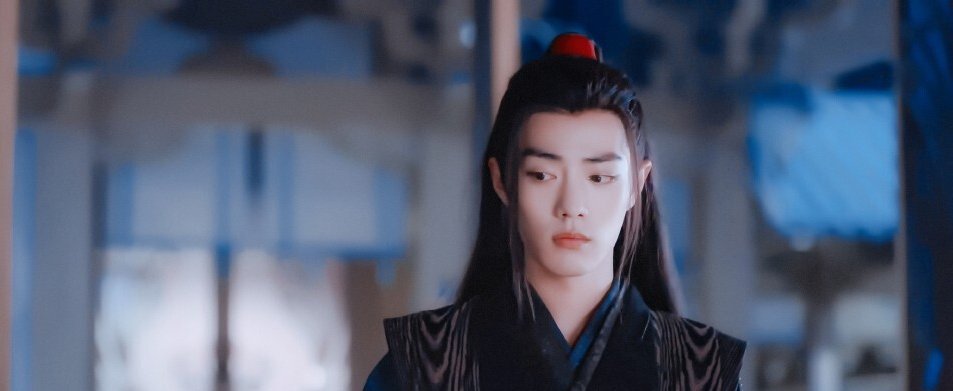
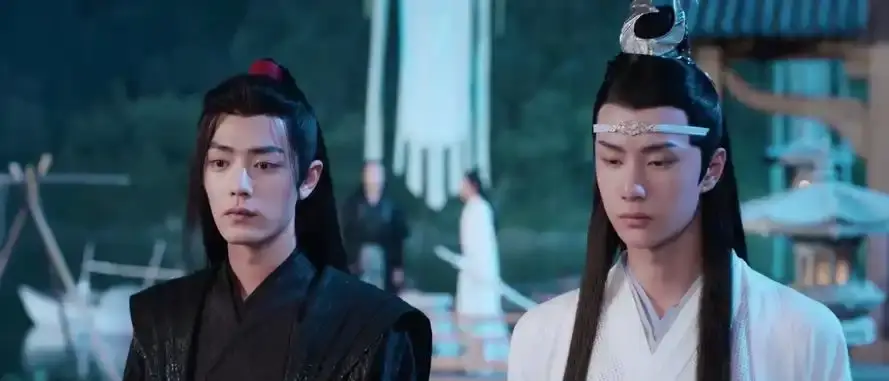
The Untamed vs Novel character differences between Wei Wuxian and Lan Wangji

Chapter 5: Romance and Relationship Portrayal

One of the most debated aspects of The Untamed vs Novel comparison lies in how romance and relationships are portrayed. While both versions center on the bond between Wei Wuxian and Lan Wangji, the way that connection unfolds differs significantly. These differences don’t just affect the love story—they shape how audiences interpret the entire narrative.

Let’s break down how romance evolves from page to screen.

BL Elements in the Novel: Explicit and Central

In Mo Dao Zu Shi, romance plays a clear and central role. The relationship between Wei Wuxian and Lan Wangji is explicitly written as a Boys’ Love (BL) story, with emotional and romantic development woven directly into the plot.

Readers experience:

  • Confessions and mutual understanding
  • Emotional vulnerability and growth
  • A clearly defined romantic resolution

The novel doesn’t shy away from intimacy or emotional depth. Instead, it uses romance to enhance themes of loyalty, trust, and redemption. According to media studies on BL narratives, explicit romantic storytelling often strengthens reader attachment by providing emotional closure (McLelland, 2015).

This clarity is a major reason why many fans feel the novel delivers a more complete love story in the The Untamed vs Novel debate.

For deeper insight into their bond, explore WangXian relationship analysis .

How The Untamed Handles Romance: Subtle but Powerful

In contrast, The Untamed takes a much subtler approach. Due to censorship regulations, explicit BL elements were removed or toned down. However, the emotional connection between the characters remains strong—just expressed differently.

The drama relies on:

  • Meaningful eye contact and silent understanding
  • Symbolic gestures (like music, ribbons, and shared moments)
  • Emotional tension rather than direct confession

Interestingly, this restraint created a unique viewing experience. Instead of being told about the romance, viewers interpret it through subtext. That subtlety often makes the relationship feel more poetic and open to interpretation.

🎬 Want to see their chemistry in action?
👉 Explore more in this YouTube clip – Click to watch

If you’re curious about how this approach impacted audiences, check out Is The Untamed a BL drama? The truth explained .

Subtext vs Explicit Storytelling in The Untamed vs Novel

The contrast between subtext and explicit storytelling defines this part of The Untamed vs Novel comparison. Each approach offers a different kind of emotional payoff.

Here’s how they differ:

  • Novel (Explicit)
    • Clear romantic progression
    • Direct emotional communication
    • Strong narrative closure
  • Drama (Subtext)
    • Open-ended interpretation
    • Emotion conveyed through visuals
    • Greater audience participation in meaning-making

Research in fandom psychology (Jenkins, 2006) suggests that subtext-heavy storytelling often increases fan engagement. Viewers analyze scenes, share interpretations, and create content based on their perspectives. That’s exactly what happened with The Untamed, where fans actively decoded every glance and gesture.

For more on how this fandom dynamic evolved, read Bojun Yixiao fandom explained .

Why Romance Differences Matter to Fans

At its core, the romance debate in The Untamed vs Novel reflects different storytelling priorities. The novel offers clarity and emotional completeness, while the drama provides subtlety and interpretive depth.

From a fan perspective:

  • Some prefer the explicit emotional payoff of the novel
  • Others enjoy the nuanced, poetic tension in the drama
  • Many appreciate both for different reasons

These differences don’t divide the fandom—they enrich it. Fans engage more deeply by comparing versions, discussing interpretations, and exploring what each adaptation brings to the story.

In the next section, we’ll examine how censorship shaped these choices and uncover the hidden strategies behind The Untamed’s adaptation.

The Untamed vs Novel romance and relationship portrayal in drama and novel

Chapter 6: The Impact of Chinese Censorship on The Untamed

When analyzing The Untamed vs Novel, censorship emerges as one of the most influential factors shaping the adaptation. Unlike the original novel, which freely explores romance and darker themes, the drama had to comply with strict broadcasting regulations in China. These limitations didn’t just tweak the story—they fundamentally reshaped how it was told.

Understanding this context helps explain many of the creative decisions that fans often question.

What Was Changed or Removed in The Untamed vs Novel

Censorship guidelines required the production team to modify several core elements from the novel. As a result, some of the most noticeable differences in The Untamed vs Novel revolve around content that was softened or removed entirely.

Key changes include:

  • Romantic relationships rewritten as deep friendship
  • Explicit BL elements removed or implied subtly
  • Dark themes toned down for wider audience approval
  • Violence and moral ambiguity reduced

These adjustments aimed to meet regulatory standards while still preserving the story’s emotional essence. However, they also shifted the tone from complex and mature to more universally accessible.

For a deeper look at how these changes affected the story, explore Is The Untamed a BL drama? The truth explained .

How Creators Worked Around Restrictions

Despite these constraints, the creators found clever ways to maintain the emotional core of the story. Instead of removing romance entirely, they transformed it into subtext—allowing viewers to interpret the relationship through subtle cues.

Creative strategies included:

  • Symbolism: Objects like the guqin and shared melodies represent emotional bonds
  • Visual storytelling: Lingering glances and body language convey unspoken feelings
  • Dialogue layering: Lines carry dual meanings depending on interpretation

This approach aligns with adaptation theory, which suggests that limitations can inspire creative storytelling rather than restrict it (Hutcheon, 2013). In fact, many fans argue that these subtle techniques made the drama even more emotionally engaging.

🎬 Want to see how symbolism is used on screen?
👉 Explore more in this YouTube clip – Click to watch

If you’re curious about production decisions, check out The Untamed behind-the-scenes secrets .

Fan Reactions to Censorship in The Untamed vs Novel

Fan responses to censorship have been mixed—but undeniably passionate. Some viewers initially felt disappointed by the absence of explicit romance. Others, however, embraced the subtle storytelling and found it more emotionally impactful.

Common fan perspectives include:

  • Novel fans: prefer the original depth and clarity of relationships
  • Drama fans: appreciate the poetic and interpretive nature of the adaptation
  • Global audiences: often discover the story through the drama first, then explore the novel

Interestingly, research on fandom culture (Jenkins, 2006) shows that ambiguity often fuels deeper engagement. When viewers must “read between the lines,” they become more invested in analyzing and discussing the story.

For more insight into this phenomenon, explore Bojun Yixiao fandom psychology .

Why Censorship Shaped the Story’s Global Success

Although censorship imposed clear limitations, it also played a surprising role in The Untamed’s worldwide appeal. By focusing on universal themes like loyalty, sacrifice, and connection, the drama became accessible to a broader audience.

In the context of The Untamed vs Novel, this shift highlights an important reality: adaptation is not just about staying faithful—it’s about reaching new audiences.

Ultimately, these changes didn’t weaken the story. Instead, they transformed it into a different kind of masterpiece—one that invites viewers to feel, interpret, and connect in their own unique way.

Up next, we’ll explore how world-building and cultivation systems differ between the drama and the novel, revealing even more layers behind this fascinating comparison.

The Untamed vs Novel censorship changes that shaped the drama adaptation

Chapter 7: World-Building and Cultivation System Differences

When examining The Untamed vs Novel, world-building stands out as a major area of transformation. Both versions share the same foundation—a rich xianxia universe filled with clans, spiritual energy, and cultivation techniques. However, the way this world is presented differs significantly between the novel and the drama.

These differences affect not only how the story feels but also how deeply audiences understand the rules of the universe.

Magic and Cultivation in the Novel: Complex and Layered

In Mo Dao Zu Shi, the cultivation system is detailed, intricate, and deeply tied to the story’s moral themes. The novel explains how spiritual energy works, how demonic cultivation develops, and why certain paths are considered dangerous.

Readers gain insight into:

  • Different cultivation methods and their consequences
  • The philosophical conflict between orthodox and demonic paths
  • Wei Wuxian’s unique approach to power and its risks

This level of detail allows for a more immersive experience. It also reinforces the novel’s central theme—power always comes with a cost. According to literary studies on fantasy world-building, complex systems often enhance reader engagement by creating a sense of realism and internal logic (Tolkien, 1939).

If you want to explore these deeper layers, check out The Untamed evolution of xianxia culture .

Simplifications in The Untamed Drama Adaptation

In contrast, The Untamed simplifies many aspects of the cultivation system. This change makes the story easier to follow, especially for viewers unfamiliar with xianxia concepts.

The drama focuses more on:

  • Visual representation of powers rather than detailed explanations
  • Clear distinctions between good and evil forces
  • Streamlined rules to maintain pacing

For example, the Yin Iron storyline becomes a central plot device in the drama, even though it plays a different role in the novel. This addition helps create a more straightforward conflict but reduces some of the philosophical depth.

Such simplifications align with adaptation strategies aimed at global audiences. Research in media adaptation shows that visual formats often prioritize clarity and pacing over complexity (Hutcheon, 2013). This explains why The Untamed vs Novel comparison reveals a more accessible but less detailed system in the drama.

🎬 Want to see how cultivation is visualized on screen?
👉 Explore more in this YouTube clip – Click to watch

Visual vs Written World-Building in The Untamed vs Novel

Another key difference lies in how the world itself is presented. The novel builds its universe through description, internal thoughts, and layered storytelling. Meanwhile, the drama relies on visuals, costumes, and settings to convey the same ideas.

Here’s how they compare:

  • Novel (Written World-Building)
    • Rich descriptions and lore
    • Internal monologues explaining systems
    • Gradual reveal of world rules
  • Drama (Visual World-Building)
    • Stunning landscapes and costume design
    • Immediate immersion through visuals
    • Less emphasis on detailed explanations

For example, the drama’s filming locations and set designs play a huge role in creating atmosphere. If you’re curious about these real-world inspirations, explore The Untamed filming locations guide .

Why World-Building Differences Matter to Fans

The contrast in world-building shapes how audiences experience the story. The novel offers depth and complexity, rewarding readers who enjoy detailed lore. Meanwhile, the drama provides a visually engaging and emotionally driven journey.

From a fan perspective:

  • Some prefer the novel’s detailed system and philosophical depth
  • Others enjoy the drama’s clarity and visual immersion
  • Many explore both to fully appreciate the universe

Fandom research (Jenkins, 2006) shows that layered worlds encourage long-term engagement, as fans continue to analyze and reinterpret the story. That’s exactly why The Untamed vs Novel remains such a compelling discussion topic.

In the next section, we’ll dive into themes and emotional depth, uncovering how each version delivers its message in different yet equally powerful ways.
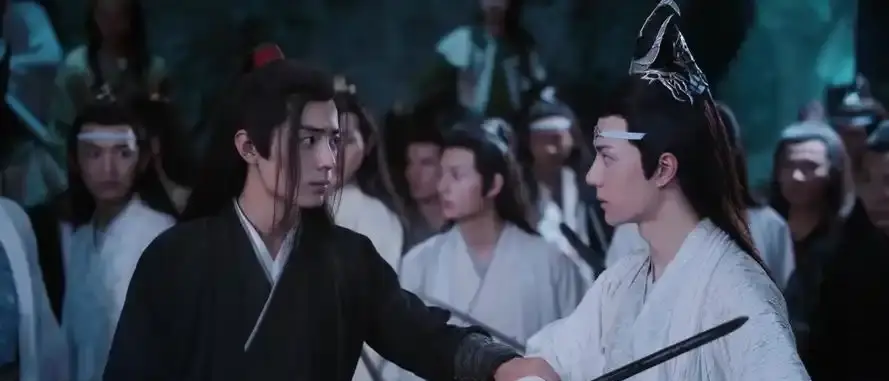
"The Untamed vs Novel world-building and cultivation system comparison

Chapter 8: Themes and Emotional Depth Comparison

When exploring The Untamed vs Novel, themes and emotional depth reveal some of the most meaningful differences. While both versions share the same foundation—loyalty, justice, and sacrifice—they express these ideas in distinct ways. The novel leans into complexity and moral ambiguity, whereas the drama focuses on emotional clarity and universal appeal.

These differences shape how audiences connect with the story on a deeper level.

Moral Ambiguity in the Novel: A Darker Perspective

One of the defining features of Mo Dao Zu Shi is its exploration of moral gray areas. Characters are rarely purely good or evil. Instead, they make difficult choices shaped by circumstances, power, and personal beliefs.

Wei Wuxian’s journey highlights this perfectly. He walks a dangerous path, challenging traditional norms while accepting the consequences of his actions. This layered portrayal adds emotional weight and realism to the story.

Key thematic elements in the novel include:

  • The cost of power and defiance
  • Societal judgment and injustice
  • Personal sacrifice and identity struggles

Scholars in literary studies often emphasize that morally complex narratives create stronger emotional engagement because readers must actively interpret character motivations (Nussbaum, 2001). That’s why many fans find the novel’s emotional depth more intense in the The Untamed vs Novel comparison.

If you want to explore these hidden layers further, check out The Untamed character analysis and hidden insights .

Heroism and Friendship in the Drama Adaptation

In contrast, The Untamed emphasizes themes that are easier to grasp and emotionally uplifting. The drama highlights friendship, loyalty, and redemption, presenting a more hopeful interpretation of the story.

Rather than focusing heavily on moral ambiguity, the drama showcases:

  • Strong bonds between characters
  • Clear moral alignment (good vs evil)
  • Emotional resilience and growth

This shift makes the story more accessible to a global audience. Viewers can quickly connect with the characters and their struggles without needing to analyze complex internal conflicts.

🎬 Want to feel the emotional moments firsthand?
👉 Explore more in this YouTube clip – Click to watch

For more on how these themes shaped its success, read The Untamed cultural impact explained .

Tragedy and Redemption Arcs in The Untamed vs Novel

Both versions center on tragedy and redemption, but they approach these themes differently. The novel presents a more painful and introspective journey, while the drama softens certain elements to create a more balanced emotional tone.

In the novel:

  • Tragedy feels raw and deeply personal
  • Redemption comes with lasting emotional scars
  • Consequences remain uncompromising

In the drama:

  • Tragedy is emotionally impactful but less intense
  • Redemption feels more hopeful and healing
  • The narrative leans toward closure and reconciliation

This contrast reflects a broader difference in storytelling philosophy. According to adaptation theory (Hutcheon, 2013), visual media often adjusts emotional intensity to maintain audience engagement without overwhelming viewers.

If you’re curious about how these arcs conclude, explore The Untamed ending explained .

Why Emotional Depth Differences Matter to Fans

The emotional tone of a story shapes how it stays with you long after it ends. In The Untamed vs Novel, these differences create two unique experiences:

  • The novel offers a deeper, more thought-provoking journey
  • The drama delivers a visually rich and emotionally accessible story
  • Fans often engage with both to gain a fuller understanding

Fandom research (Jenkins, 2006) shows that stories with multiple emotional interpretations encourage ongoing discussion and community engagement. That’s exactly why this comparison continues to thrive.

Ultimately, both versions succeed in their own way. One challenges you to think deeply, while the other invites you to feel deeply. In the next section, we’ll explore how these differences carry into the ending—and which version leaves a stronger final impression.

The Untamed vs Novel themes and emotional depth comparison

Chapter 9: Ending Differences Explained

When it comes to The Untamed vs Novel, the ending is one of the most debated aspects among fans. Both versions conclude Wei Wuxian and Lan Wangji’s journey in meaningful ways, yet the emotional tone and level of closure differ significantly. These changes reflect not only adaptation choices but also censorship constraints and audience expectations.

Let’s break down how each version ends—and why it matters.

Novel Ending Breakdown: Clear, Emotional, and Complete

In Mo Dao Zu Shi, the ending delivers a strong sense of resolution. After years of conflict, misunderstanding, and separation, Wei Wuxian and Lan Wangji finally achieve both emotional and romantic closure.

The novel provides:

  • Explicit confirmation of their relationship
  • A peaceful life together after turmoil
  • Emotional healing and personal growth

This conclusion feels deeply satisfying because it ties together the story’s central themes—love, redemption, and acceptance. Readers witness not only the end of external conflicts but also the resolution of internal struggles.

Many fans consider the novel’s ending the “true” version because it fully reflects the author’s original intent. In the context of The Untamed vs Novel, this clarity sets the novel apart.

For more detailed insights, explore The Untamed ending explained .

Drama Ending Explained: Open-Ended but Symbolic

In contrast, The Untamed presents a more subtle and open-ended conclusion. Due to censorship restrictions, the drama avoids explicitly confirming the romantic relationship. Instead, it focuses on emotional reunion and symbolic closure.

The drama ending highlights:

  • Separation followed by reunion
  • Subtle emotional acknowledgment
  • Open interpretation for viewers

Rather than showing a clear romantic resolution, the final scenes rely on symbolism—such as shared music and meaningful glances—to suggest their bond. This approach allows viewers to interpret the ending based on their own perspective.

🎬 Want to revisit the emotional final scenes?
👉 Explore more in this YouTube clip – Click to watch

Which Ending Is More Satisfying? A Fan Perspective

The question of which ending is better lies at the heart of the The Untamed vs Novel debate. The answer often depends on what viewers value most in a story.

Here’s how fans typically feel:

  • Novel fans prefer the clear emotional and romantic closure
  • Drama fans appreciate the subtle, poetic storytelling
  • Many fans enjoy both, seeing them as complementary experiences

From a storytelling perspective, each ending serves a different purpose. The novel offers completion and certainty, while the drama invites interpretation and emotional reflection.

Research on audience engagement (Jenkins, 2006) suggests that open-ended narratives often spark more discussion and fan creativity. That explains why the drama’s ending continues to generate theories, edits, and fan content years later.

Why the Ending Differences Matter

Endings shape how a story stays with its audience. In The Untamed vs Novel, these contrasting conclusions create two distinct emotional takeaways:

  • The novel leaves readers with closure and fulfillment
  • The drama leaves viewers with lingering emotion and interpretation

Neither approach is inherently better—they simply offer different experiences. For many fans, exploring both endings provides the most complete understanding of the story.

Up next, we’ll look at fan reception and global popularity, uncovering how both versions captured audiences worldwide and built a lasting cultural phenomenon.

The Untamed vs Novel ending differences explained for fans

Chapter 10: Fan Reception and Global Popularity

The global success of The Untamed is one of the strongest reasons why The Untamed vs Novel continues to trend among fans. While the novel built a loyal readership, the drama transformed the story into an international phenomenon. This expansion didn’t just increase popularity—it reshaped how audiences interact with the narrative across cultures.

Let’s explore how both versions captured hearts worldwide.

Why The Untamed Became a Global Hit

The Untamed didn’t just succeed locally—it broke into global markets and gained massive international attention. Several factors contributed to this успех:

  • Strong character chemistry that resonated across cultures
  • Visually stunning production with memorable costumes and settings
  • Universal themes like loyalty, justice, and sacrifice

Additionally, streaming platforms played a key role. By making the drama accessible worldwide, it reached viewers who had never encountered xianxia storytelling before.

According to global media studies (Jenkins, 2006), emotionally driven narratives with strong character bonds tend to travel well across borders. That pattern clearly applies to The Untamed, which gained millions of fans beyond China.

If you want to explore its worldwide impact, check out The Untamed global phenomenon explained .

🎬 Curious why fans can’t stop watching?
👉 Explore more in this YouTube clip – Click to watch

Novel Fans vs Drama Fans: The Ongoing Debate

The rise of The Untamed vs Novel discussions also reflects a divide within the fandom. While both groups love the story, they often prioritize different aspects.

Novel fans tend to value:

  • Deeper emotional and psychological complexity
  • Explicit relationship development
  • Original storytelling without adaptation changes

Drama fans often appreciate:

  • Visual storytelling and cinematic experience
  • Strong on-screen chemistry
  • Easier accessibility for new audiences

Interestingly, many fans transition from one version to the other. Viewers who start with the drama often read the novel to gain more depth, while novel readers watch the drama to see the story come to life.

For a deeper look into fandom dynamics, explore Bojun Yixiao fandom explained .

Cultural Impact of The Untamed vs Novel

Beyond entertainment, The Untamed vs Novel has had a lasting cultural impact. The drama introduced global audiences to xianxia, a genre deeply rooted in Chinese mythology and philosophy.

This cultural exchange led to:

  • Increased interest in Chinese fantasy storytelling
  • Growth of international fan communities
  • Expansion of fan-created content, including art, edits, and analysis

Academic research on fandom (Sandvoss, 2011) shows that globally successful media often creates participatory cultures where fans actively contribute to the narrative’s longevity. That’s exactly what happened with The Untamed.

If you’re curious about its long-term influence, read The Untamed legacy and global impact .

Why Popularity Differences Matter

The contrast in popularity between the novel and drama highlights how storytelling evolves across formats. The novel built the foundation, but the drama amplified it on a global scale.

From a fan perspective:

  • The novel offers depth and originality
  • The drama provides reach and accessibility
  • Together, they create a complete storytelling ecosystem

Ultimately, The Untamed vs Novel isn’t about choosing one over the other. It’s about understanding how both versions contribute to a shared cultural phenomenon.

In the next section, we’ll help you decide which version you should experience first—and how to get the most out of both.

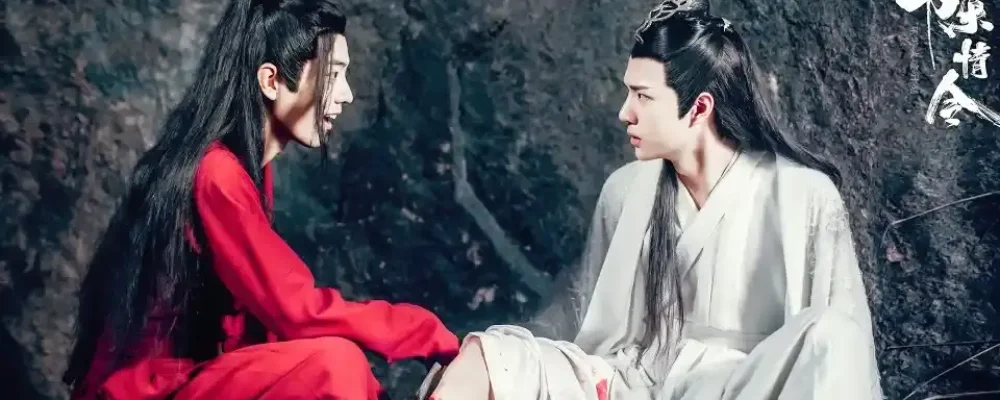
The Untamed vs Novel fan reception and global popularity comparison

Chapter 11: Which Version Should You Choose?

If you’re still wondering about The Untamed vs Novel, you’re not alone. Many fans struggle to decide where to start or which version offers the “best” experience. The truth is, each version brings something unique to the table. Your ideal choice depends on your preferences, whether you enjoy visual storytelling or deep narrative exploration.

Let’s break it down so you can make the right decision.

Who Should Watch the Drama First?

For many newcomers, The Untamed serves as the perfect entry point. The drama presents the story in a more accessible and visually engaging way, making it easier to follow—even if you’re new to xianxia.

You should start with the drama if you:

  • Prefer visual storytelling and cinematic experience
  • Enjoy strong character chemistry and emotional scenes
  • Want a clear and structured narrative

The drama’s global success also reflects its accessibility. It introduces complex themes in a way that feels approachable without overwhelming viewers.

If you want to understand why it resonates so widely, check out Why The Untamed still tops global watchlists .

🎬 Curious if the drama is worth your time?
👉 Explore more in this YouTube clip – Click to watch

Who Should Read the Novel First?

On the other hand, the novel offers a richer and more detailed experience. If you enjoy layered storytelling and emotional complexity, starting with Mo Dao Zu Shi might be the better choice.

The novel is ideal for readers who:

  • Appreciate deep character psychology and moral ambiguity
  • Want explicit relationship development
  • Enjoy complex world-building and non-linear storytelling

Unlike the drama, the novel dives deeply into internal thoughts and motivations. This creates a more immersive and emotionally intense journey.

For more insight into the characters’ depth, explore The Untamed character analysis and hidden insights .

Best Order to Experience Both Versions

If you want the full experience of The Untamed vs Novel, many fans recommend exploring both versions—but in a specific order.

Recommended approach:

  1. Start with the drama
    • Get familiar with the world and characters
    • Enjoy the visual storytelling
  2. Then read the novel
    • Discover deeper themes and hidden details
    • Reinterpret scenes with new understanding

This approach works well because the drama provides a foundation, while the novel adds depth. It also enhances emotional impact, as you begin to notice subtle differences and nuances.

Interestingly, fandom studies (Jenkins, 2006) suggest that experiencing multiple versions of a story increases engagement and emotional investment. That’s exactly why the The Untamed vs Novel comparison remains so popular.

If you’re curious about how fans experience both versions, check out Bojun Yixiao fandom psychology .

Final Thoughts on Choosing Your Path

Ultimately, there’s no single “correct” choice in The Untamed vs Novel. Each version offers a different perspective, and both are worth exploring.

  • Choose the drama for accessibility and emotional visuals
  • Choose the novel for depth and narrative complexity
  • Choose both for the most complete experience

In the next section, we’ll answer the most frequently asked questions about The Untamed vs Novel—clearing up common doubts and helping you dive even deeper into this beloved story.

The Untamed vs Novel guide to choosing the drama or the novel first

Chapter 12: FAQs About The Untamed vs Novel

When it comes to The Untamed vs Novel, fans often have similar questions—especially when deciding which version to explore or how closely the drama follows the original story. Below are the most frequently asked questions, answered clearly to help you navigate both versions with confidence.

Is The Untamed faithful to the novel?

The Untamed stays true to the core storyline and character relationships, but it makes several changes due to censorship and adaptation needs. While the main plot remains recognizable, some themes and character dynamics are simplified.

For a deeper breakdown, check out The Untamed plot analysis and shocking twists .

Why was the romance changed in the drama?

The romance was altered mainly because of Chinese broadcasting regulations. Explicit BL elements in the novel were transformed into subtle subtext in the drama.

Despite this, the emotional connection remains strong through symbolism and character interactions. This is one of the biggest talking points in the The Untamed vs Novel comparison.

🎬 Want to see how the chemistry is portrayed?
👉 Explore more in this YouTube clip – Click to watch

Which version is darker: the drama or the novel?

The novel is significantly darker. It explores moral ambiguity, trauma, and the consequences of power in greater depth.

In contrast, the drama softens these elements to create a more hopeful and accessible tone. This tonal shift is a key difference in The Untamed vs Novel.

Are all characters the same in both versions?

The main characters remain consistent, but their portrayals differ. The novel offers more psychological depth, while the drama simplifies certain traits to enhance clarity and emotional connection.

Supporting characters may also have expanded or reduced roles in the drama.

For more insights, explore The Untamed character analysis and hidden insights .

Is the ending different in The Untamed?

Yes, the endings differ significantly. The novel provides a clear and explicit resolution, including romantic closure.

Meanwhile, the drama presents a more open-ended conclusion, relying on symbolism and interpretation. This difference is one of the most discussed aspects of The Untamed vs Novel.

Should I read the novel after watching the drama?

Absolutely. Many fans recommend reading the novel after watching the drama to gain a deeper understanding of the story.

The drama introduces the world and characters, while the novel expands on themes, relationships, and emotional depth. Experiencing both versions offers the most complete perspective.

If you’re curious about fan engagement, check out Bojun Yixiao fandom psychology .

Do I need to understand xianxia to enjoy the story?

Not at all. While the novel dives deeper into xianxia concepts, The Untamed simplifies these elements, making it beginner-friendly.

Many international fans start with the drama and later explore the genre more deeply.

Final Thoughts on FAQs

These questions highlight why The Untamed vs Novel continues to spark curiosity among fans. Each version offers a different storytelling experience, and understanding their differences helps you appreciate both even more.

Next, we’ll wrap everything up with a final conclusion—bringing together all the key insights from this comparison.
The Untamed vs Novel FAQ answers about plot romance and ending changes

Conclusion: The Untamed vs Novel – Two Masterpieces, One Story

After exploring every angle of The Untamed vs Novel, one thing becomes clear—this isn’t a question of which version is better, but how each version tells the story differently. Both the drama and the novel offer unique strengths that appeal to different audiences, yet they share the same emotional core that has captivated fans worldwide.

The novel delivers a deeper, more complex narrative, filled with moral ambiguity, explicit relationships, and rich world-building. It allows readers to fully immerse themselves in the characters’ inner struggles and philosophical dilemmas. On the other hand, The Untamed transforms that depth into a visually stunning and emotionally accessible experience, using subtle storytelling, powerful performances, and symbolic expression to connect with a broader audience.

These differences are not flaws—they are adaptations shaped by medium, culture, and audience expectations. In fact, research on media adaptation (Hutcheon, 2013) highlights that each version of a story evolves to fit its format, creating multiple valid interpretations rather than a single definitive one.

For fans, this means you don’t have to choose. You can enjoy both:

  • The novel for its depth and emotional intensity
  • The drama for its visual beauty and global appeal
  • Or both together for a richer, more complete experience

If you want to explore more about its lasting influence, don’t miss The Untamed legacy and global impact .

🎬 Want to relive the magic one more time?
👉 Explore more in this YouTube clip – Click to watch

In the end, The Untamed vs Novel isn’t about comparison alone—it’s about appreciation. Two formats, two interpretations, one unforgettable story that continues to inspire fans across the world.

Stay Close to the Stories

Get new BX stories, fan-favorite moments and shop updates delivered to your inbox.


We don’t spam! Read our privacy policy for more info.

Share this article

Related Posts