The Untamed Plot Holes: 10 Shocking Fan Theories Explained
Have you ever finished a fantasy drama only to realize certain scenes still don’t fully make sense? That’s exactly why The Untamed plot holes continue to spark heated debates among fans years after the series first aired. From confusing timelines to unexplained character decisions, viewers are still uncovering hidden inconsistencies and crafting fascinating fan theories to fill in the gaps.
As one of the most popular Chinese fantasy dramas ever made, The Untamed captured audiences with its emotional storytelling, unforgettable characters, and rich world-building. However, its complex narrative also left behind several unanswered questions that fans simply can’t ignore. Whether it’s the mystery surrounding Wei Wuxian’s resurrection or the unclear rules of demonic cultivation, these details have fueled countless online discussions and The Untamed analysis videos across the fandom.
In this article, we’ll dive deep into the most talked-about The Untamed plot holes, explore possible explanations, and examine whether these inconsistencies were mistakes—or intentional storytelling choices designed to keep viewers thinking long after the final episode.
Chapter 1: Introduction to The Untamed’s Lasting Popularity
Few fantasy dramas have inspired as much discussion as The Untamed. Years after its release, fans still debate hidden clues, emotional symbolism, and especially the most confusing The Untamed plot holes. Some viewers notice timeline inconsistencies right away, while others discover them only after multiple rewatches. That ongoing curiosity explains why the drama continues to dominate fan forums, TikTok edits, and long-form analysis videos worldwide.
Unlike many modern fantasy series, The Untamed blends emotional storytelling with xianxia mythology, political intrigue, and character-driven tragedy. As a result, even small narrative gaps feel significant to dedicated viewers. Fans don’t simply watch the series—they investigate it. In fact, this detective-style engagement helped transform the show from a regional hit into a global fandom phenomenon.
Readers interested in the drama’s broader cultural impact can also explore The Untamed’s evolution of xianxia culture and why The Untamed still tops global watchlists. These analyses reveal how storytelling depth contributed to the show’s lasting popularity.
Why Fans Keep Discussing The Untamed Plot Holes
Many fantasy dramas rely on spectacle alone. The Untamed, however, created emotional investment through layered relationships and moral ambiguity. Because viewers connected deeply with Wei Wuxian and Lan Wangji, unanswered questions became impossible to ignore.
For example, fans frequently debate:
- The confusing resurrection timeline
- The inconsistent rules of demonic cultivation
- The sudden disappearance of the Yin Iron storyline
- Character decisions that seem emotionally incomplete
These unresolved moments sparked thousands of online discussions. According to media scholars studying fandom psychology, audiences often feel stronger attachment to stories that leave room for interpretation. Researchers from the journal Participations: Journal of Audience & Reception Studies found that ambiguity encourages long-term fan engagement because viewers actively construct meaning together.
That pattern clearly appears within The Untamed fandom. Instead of damaging the show’s reputation, many perceived inconsistencies actually strengthened community interaction. Fans create theories, write essays, and compare scenes frame by frame. Consequently, the series remains culturally active years after airing.
📖 Extended reading: cultural background explained in The Untamed cultural impact analysis.
How Xianxia Storytelling Shapes Viewer Expectations
To fully understand these debates, readers must first understand the xianxia genre itself. Traditional xianxia stories prioritize emotional destiny, spiritual symbolism, and moral philosophy over strict realism. Western audiences sometimes expect tightly explained fantasy systems similar to Marvel or Game of Thrones. Chinese fantasy narratives often work differently.
In xianxia storytelling:
- Emotional themes outweigh technical logic
- Symbolism matters more than exact mechanics
- Character sacrifice drives narrative progression
- Ambiguity creates emotional resonance
Because of these traditions, some so-called The Untamed plot holes may actually reflect genre conventions rather than writing mistakes.
Still, adaptation changes complicated matters. The live-action drama modified several storylines from Mo Dao Zu Shi due to censorship restrictions and production limits. Those changes occasionally created narrative gaps that confused new viewers unfamiliar with the original novel.
Readers curious about adaptation differences should check out The Untamed vs novel comparison and why the adaptation became a global hit.
Fandom Culture Turned Analysis Into a Global Trend
Another reason these discussions exploded involves fandom culture itself. Modern viewers rarely consume media passively anymore. Instead, they participate through reaction videos, Reddit theories, TikTok edits, and YouTube breakdowns.
Academic research from Transformative Works and Cultures explains that participatory fandom strengthens emotional attachment because fans become “co-creators” of interpretation. That description perfectly fits The Untamed community.
Today, viewers regularly analyze:
- Symbolic costume colors
- Hidden foreshadowing
- Musical motifs
- Character eye contact
- Missing dialogue implications
This level of engagement transformed ordinary viewing into collaborative storytelling.
🎬 Explore more in this YouTube clip – Click to watch
Fans who enjoy deeper relationship analysis may also love WangXian relationship analysis and The Untamed hidden details fans missed.
Ultimately, the fascination surrounding The Untamed plot holes says something powerful about the series itself. Imperfect stories rarely survive this long unless audiences genuinely care about the characters, themes, and emotional journey. That emotional investment explains why viewers continue searching for answers long after the final episode faded to black.
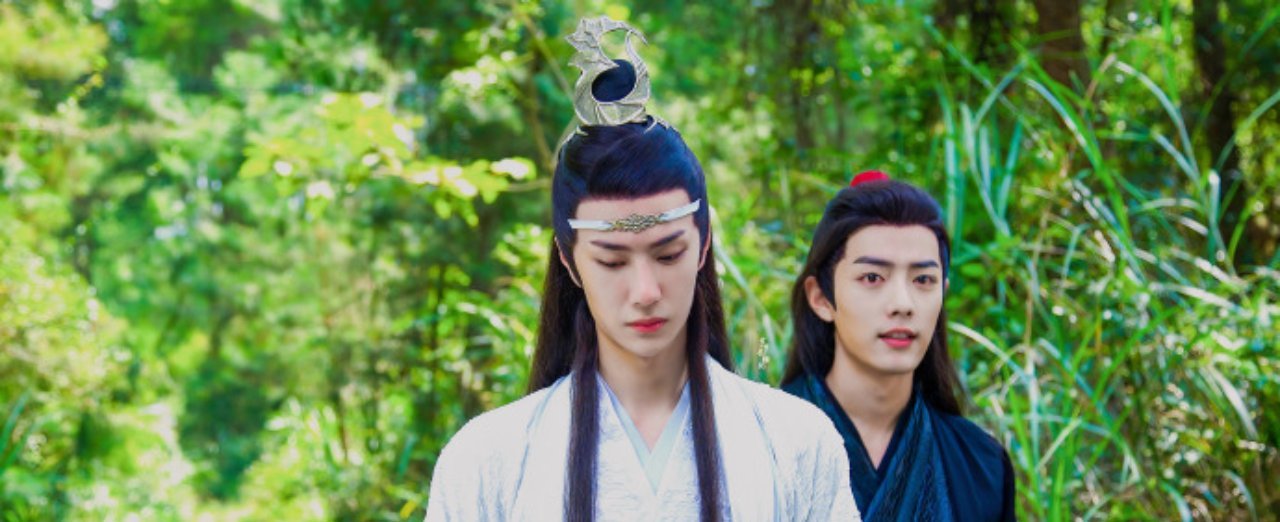
Chapter 2: Understanding the Complex Storyline of The Untamed
At first glance, The Untamed looks like a straightforward fantasy drama about friendship, revenge, and cultivation clans. Yet the deeper viewers dive into the story, the more complicated the narrative becomes. Flashbacks overlap with present-day events, hidden identities reshape earlier scenes, and emotional motivations often carry more weight than direct exposition. Because of this layered storytelling style, many fans struggle to separate intentional mystery from genuine The Untamed plot holes.
Unlike fast-paced action dramas, The Untamed asks viewers to pay attention to subtle details. A short glance, a repeated melody, or even a change in costume color can reveal hidden meaning later in the story. Consequently, audiences who binge-watch the series too quickly often miss crucial context.
Readers who want a broader overview of the narrative structure can explore The Untamed plot analysis and shocking twists and The Untamed timeline explained.
The Dual Timeline Structure Confused Many Viewers
One major reason fans continue discussing The Untamed plot holes involves the show’s unusual timeline design. The drama begins with Wei Wuxian’s death and resurrection before jumping backward into an extended flashback arc that lasts for dozens of episodes.
Although this structure creates emotional suspense, it also causes confusion.
Several viewers struggled to track:
- Character ages during different events
- The exact timeline of the Sunshot Campaign
- When Wei Wuxian mastered demonic cultivation
- How long Lan Wangji searched for him after his death
Modern streaming audiences often expect clear timeline markers. However, The Untamed relies heavily on emotional continuity rather than chronological precision. Traditional xianxia narratives frequently prioritize tragedy and destiny over strict temporal logic.
That storytelling approach worked beautifully for emotional scenes, but it also opened the door to inconsistencies. For example, some fans noticed that certain relationships seem emotionally advanced despite limited shared screen time in the flashback timeline.
📖 Extended reading: cultural background explained in The Untamed foreshadowing analysis.
Why Flashbacks Strengthened Emotional Storytelling
Even though the structure confused some viewers, the flashback format gave the drama its emotional power. Audiences first meet Wei Wuxian as a feared legend surrounded by mystery. Later episodes gradually reveal the truth behind his downfall, allowing viewers to emotionally re-evaluate earlier assumptions.
That reversal became one of the show’s greatest strengths.
Instead of presenting heroes and villains in simple terms, The Untamed constantly challenges perspective. Characters initially judged as dangerous later appear sympathetic, while respected leaders reveal darker motivations. As a result, the audience experiences the same emotional uncertainty as the cultivation world itself.
Researchers studying fandom engagement from the University of Southern California found that nonlinear storytelling often increases emotional attachment because audiences actively reconstruct narrative meaning. That pattern appears clearly within The Untamed fandom, where viewers regularly rewatch scenes searching for hidden clues.
Fans interested in character dynamics may also enjoy Lan Wangji character analysis and The Untamed relationship analysis.
🎬 Want to see the full behind-the-scenes? Watch the video here
The Adaptation Changed Key Story Elements
Another important factor behind perceived inconsistencies involves adaptation changes from the original novel Mo Dao Zu Shi. Due to censorship guidelines and live-action production limitations, the drama altered several major narrative elements.
Some notable changes include:
- Reduced romantic subtext
- Expanded Yin Iron storyline
- Modified resurrection explanations
- Softer portrayal of demonic cultivation
Those adjustments created entirely new storytelling challenges. In several cases, the drama introduced concepts that later disappeared without full explanation. The Yin Iron arc represents one of the most discussed examples. While the storyline initially seemed central to the plot, later episodes shifted focus almost completely toward political betrayal and emotional conflict.
Consequently, viewers often debate whether these unresolved threads qualify as true plot holes or simply unfinished adaptation ideas.
For a closer comparison, readers can explore The Untamed anime vs live-action comparison and The Untamed ending explained.
Emotional Complexity Made the Story Memorable
Despite narrative confusion, fans rarely criticize The Untamed for lacking emotional depth. In fact, the opposite is true. The series remains memorable because it combines fantasy action with deeply human struggles involving loyalty, grief, identity, and sacrifice.
Wei Wuxian’s journey resonates strongly because viewers witness his transformation from carefree genius to isolated outcast. Meanwhile, Lan Wangji’s quiet devotion adds emotional tension that many audiences find unforgettable.
That emotional realism explains why fans continue analyzing every unresolved detail years later. Most viewers forgive inconsistencies when characters feel authentic and emotionally compelling. In The Untamed, relationships matter more than perfect logic.
🎬 Explore more in this YouTube clip – Click to watch
Readers interested in the emotional legacy of the drama can also read The Untamed’s lasting legacy and why fans still can’t let go of the fandom.
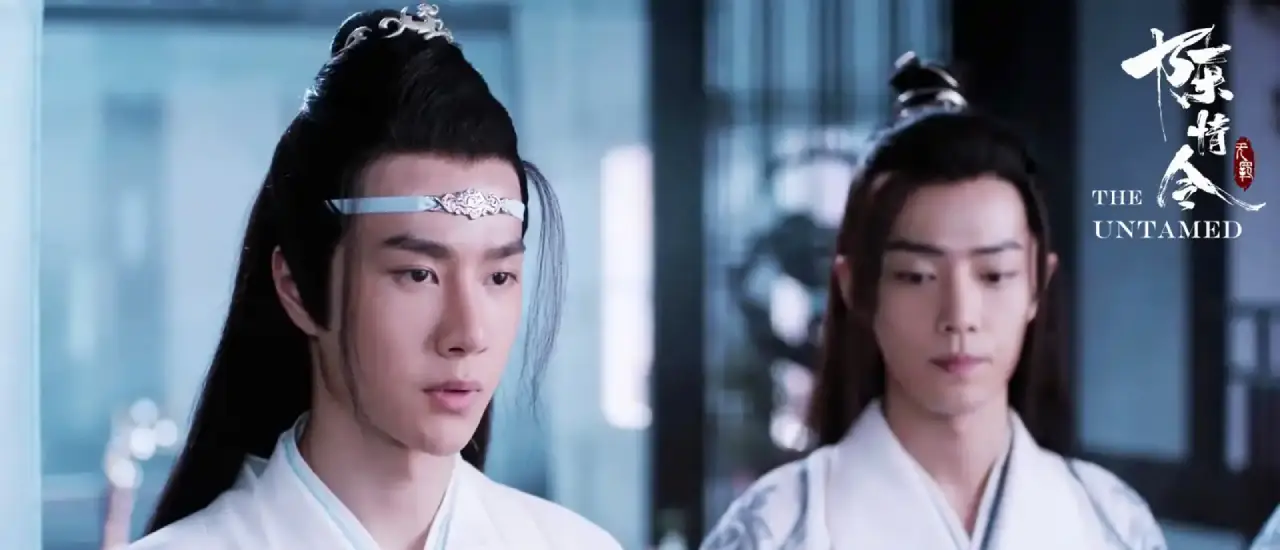
Chapter 3: The Biggest Timeline Confusion in The Untamed
Among all the debates surrounding the series, timeline inconsistencies remain one of the most discussed The Untamed plot holes. Many viewers praise the drama’s emotional storytelling, yet even loyal fans admit the chronology sometimes feels difficult to follow. Flashbacks, time skips, and fragmented memories create a layered narrative, but they also leave audiences questioning exactly when certain events happened.
Unlike traditional fantasy dramas that move in a straight line, The Untamed unfolds like a puzzle. Each episode slowly reveals hidden truths about Wei Wuxian’s downfall, Lan Wangji’s loyalty, and the political corruption inside the cultivation world. That structure builds suspense brilliantly. At the same time, it occasionally sacrifices clarity for emotional impact.
Readers who want a deeper breakdown of the series chronology can explore The Untamed timeline explained and The Untamed hidden details fans overlooked.
Wei Wuxian’s Resurrection Timeline Raises Questions
One of the biggest The Untamed plot holes involves Wei Wuxian’s resurrection. Early episodes establish that he died after the Siege of the Burial Mounds. Years later, Mo Xuanyu sacrifices his body to summon him back into the world. Although the premise sounds straightforward, several details remain unclear.
Fans still debate questions such as:
- Exactly how many years passed after Wei Wuxian’s death?
- How much did Lan Wangji know before the resurrection?
- Why did some characters recognize Wei Wuxian almost immediately while others failed to notice obvious clues?
The drama hints at a 16-year gap, but emotional continuity sometimes makes the timeline feel shorter. Certain relationships appear frozen in time, especially between Lan Wangji and Wei Wuxian. Meanwhile, younger characters seem to age inconsistently depending on the scene.
These discrepancies likely emerged because the drama focused more on emotional reunion than realistic aging. Still, attentive viewers quickly noticed the contradictions.
Fans interested in emotional symbolism can also read Lan Wangji and Wei Wuxian relationship analysis and The Untamed ending secrets explained.
🎬 Want to see the full behind-the-scenes? Watch the video here
Flashback Transitions Sometimes Blur the Narrative
Another source of confusion comes from how the series handles flashbacks. Instead of clearly labeling every transition, the drama often shifts between timelines through emotional triggers, music cues, or symbolic imagery.
That artistic choice creates atmosphere, but it also challenges casual viewers.
For example, several scenes move rapidly between:
- Present-day investigations
- Childhood memories
- Wartime flashbacks
- Character recollections
As a result, some audiences struggle to identify whether a scene reflects objective reality or personal memory. In fandom discussions, viewers frequently compare episode timelines to reconstruct the “correct” sequence of events.
Academic studies on nonlinear storytelling suggest this complexity increases audience engagement. Researchers from Narrative Inquiry explain that fragmented narratives encourage active participation because viewers mentally organize events themselves. That theory fits The Untamed perfectly. Fans rarely consume the story passively; instead, they analyze it almost like literary detectives.
However, emotional storytelling occasionally creates logical gaps. Certain side characters appear during critical historical moments without clear explanations of their whereabouts beforehand. Likewise, the pacing of the Sunshot Campaign feels compressed despite supposedly lasting a significant period.
Readers curious about deeper symbolism can check out The Untamed foreshadowing clues and The Untamed iconic scenes analysis.
Did Adaptation Choices Create New Plot Holes?
The original novel Mo Dao Zu Shi handles some timeline details differently. Because the live-action adaptation needed to simplify or censor certain story elements, the drama condensed multiple arcs into fewer episodes. That decision improved pacing for television audiences, but it also introduced continuity issues.
Several adaptation changes contributed to confusion:
- Expanded political subplots
- Shortened training periods
- Reduced explanations about cultivation methods
- Rearranged flashback sequences
Consequently, viewers unfamiliar with the source material often feel overwhelmed during major reveals. The Yin Iron storyline especially complicates chronology because it intersects awkwardly with existing events from the novel.
Even so, many fans argue that emotional coherence matters more than technical precision. The relationships remain compelling enough that audiences willingly overlook some inconsistencies.
📖 Extended reading: cultural background explained in The Untamed vs novel comparison.
Why Fans Still Love the Story Despite Timeline Issues
Ironically, these confusing timelines may have strengthened the fandom’s long-term obsession with the series. Every unresolved detail creates new theories, reaction videos, and social media debates. Instead of fading after release, the story continues evolving through fan interpretation.
Modern fandom culture thrives on collaborative analysis. Platforms like Reddit, TikTok, and YouTube allow viewers to compare evidence, discuss hidden clues, and reinterpret emotional scenes together. That collective experience transformed The Untamed into more than a drama—it became an ongoing cultural conversation.
🎬 Explore more in this YouTube clip – Click to watch
Readers interested in fandom psychology may also enjoy Bojun Yixiao fandom culture analysis and The Untamed global phenomenon explained.
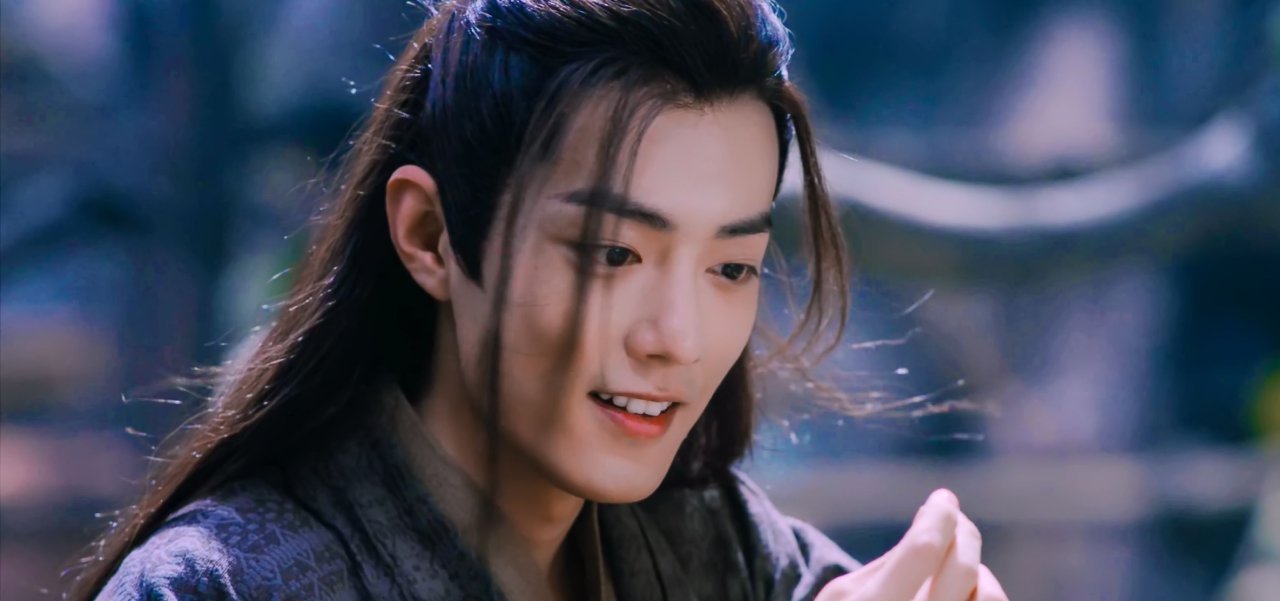
Chapter 4: The Mystery Behind Wei Wuxian’s Power Levels
Few topics create more debate among fans than Wei Wuxian’s sudden rise in power. Throughout the series, viewers watch him transform from a gifted cultivator into someone capable of controlling fierce corpses, dark energy, and forbidden techniques that terrify the entire cultivation world. Yet many audiences still question whether the drama fully explained how he became so overwhelmingly powerful so quickly. Because of that, this remains one of the most discussed The Untamed plot holes.
Unlike traditional cultivation heroes who train for decades, Wei Wuxian develops demonic cultivation under extreme emotional pressure and isolation. The Burial Mounds force him to survive without spiritual energy, pushing him toward dangerous experimentation. Emotionally, the transformation feels believable. Logically, however, the speed of his mastery raises difficult questions.
Readers interested in character psychology can also explore The Untamed character analysis and Wei Wuxian and Lan Wangji relationship evolution.
How Wei Wuxian Mastered Demonic Cultivation So Fast
One major inconsistency involves the timeline of Wei Wuxian’s training. After his fall into the Burial Mounds, the series suggests he rapidly invents entirely new cultivation methods while surviving among resentful spirits and corpses.
Fans often ask:
- How did he discover these techniques alone?
- Why could nobody else replicate his methods successfully?
- How did he gain control over such unstable power so quickly?
Traditional xianxia stories usually portray cultivation as a lifelong journey requiring discipline, meditation, and mentorship. Wei Wuxian’s transformation breaks many of those conventions. Instead of patient spiritual growth, his abilities emerge through desperation and emotional trauma.
That difference may actually be intentional. The series positions Wei Wuxian as a revolutionary figure who rejects rigid cultivation traditions. His creativity and intelligence allow him to challenge established systems that older sect leaders blindly follow.
Still, some scenes imply limits to demonic cultivation while later episodes seem to ignore those boundaries entirely. In one moment, Wei Wuxian struggles to maintain control. Shortly afterward, he commands massive armies of fierce corpses with little visible effort.
Consequently, viewers continue debating whether these moments represent character growth or unresolved The Untamed plot holes.
📖 Extended reading: cultural themes explored in The Untamed success as a xianxia phenomenon.
The Stygian Tiger Seal Creates More Questions
Another confusing element involves the Stygian Tiger Seal. The drama repeatedly describes the artifact as dangerously unstable and nearly impossible to control. Yet the exact rules surrounding its power remain vague throughout the story.
Several contradictions stand out:
- The seal appears capable of limitless destruction
- Characters fear it deeply but rarely explain its mechanics
- Wei Wuxian destroys half the seal, yet its influence continues
- Other cultivators seek the artifact despite knowing its risks
Because the series focuses heavily on emotional conflict, it rarely pauses to explain technical cultivation systems in detail. As a result, viewers often feel uncertain about what the seal can actually do.
The adaptation may have contributed to this confusion. In the original novel Mo Dao Zu Shi, cultivation concepts receive more detailed explanation through internal narration. The live-action version removed much of that exposition to maintain pacing and censorship compliance.
That choice strengthened emotional storytelling but weakened world-building clarity.
Fans who enjoy hidden lore may also like The Untamed hidden details analysis and The Untamed foreshadowing clues fans missed.
🎬 Want to see the full behind-the-scenes? Watch the video here
Why Other Cultivators Couldn’t Copy Wei Wuxian’s Methods
One fascinating aspect of the story involves how nobody successfully reproduces Wei Wuxian’s cultivation style after his death. Despite widespread fear of demonic cultivation, many sect leaders secretly desire his power.
Yet every imitation ends badly.
This detail actually reflects an important theme inside xianxia storytelling. Wei Wuxian’s strength does not come solely from technique. His emotional resilience, intelligence, musical talent, and willingness to challenge authority all contribute to his success.
Modern fandom discussions often compare him to “forbidden genius” archetypes found in other fantasy franchises. However, The Untamed treats power differently from many Western fantasy dramas. Instead of glorifying strength itself, the series constantly questions the moral cost of power without compassion.
Researchers studying fantasy narratives at the University of Hong Kong note that Chinese xianxia heroes often embody philosophical rebellion rather than simple heroism. Wei Wuxian perfectly fits that tradition because his cultivation methods expose corruption within the orthodox sect system.
As a result, his abilities symbolize social defiance as much as supernatural talent.
Readers interested in broader fandom interpretations can explore The Untamed global impact analysis and The Untamed fandom psychology explained.
Emotional Storytelling Matters More Than Technical Logic
Although some viewers criticize the unclear cultivation system, many fans believe emotional consistency matters more than rigid mechanics. Wei Wuxian’s journey resonates because audiences understand his loneliness, grief, and determination even when the supernatural rules feel vague.
That emotional connection explains why discussions about The Untamed plot holes continue years later. Fans remain invested because the characters feel deeply human beneath the fantasy setting.
🎬 Explore more in this YouTube clip – Click to watch
Readers who want deeper emotional analysis can also read The Untamed legacy and emotional impact and The Untamed intense moments breakdown.
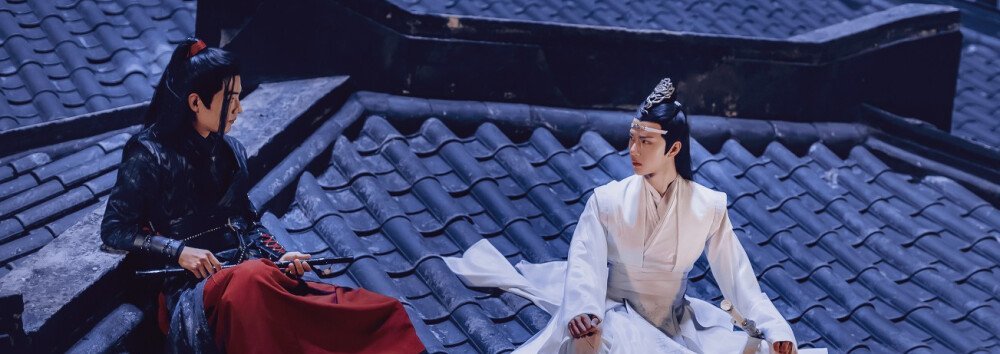
Chapter 5: The Untamed Plot Holes Related to Character Decisions
One reason fans continue debating The Untamed plot holes involves the strange decisions made by several major characters throughout the story. In many scenes, intelligent cultivators ignore obvious clues, remain silent during critical moments, or trust suspicious figures far too easily. While emotional storytelling explains some of these choices, others still leave viewers scratching their heads years later.
Fantasy dramas often rely on misunderstandings to create tension. However, The Untamed pushes that idea further by building entire tragedies around silence, pride, and social pressure. As a result, fans constantly wonder whether certain conflicts could have been avoided through one honest conversation.
Readers interested in broader character dynamics can also explore The Untamed relationship analysis and The Untamed character analysis hidden insights.
Why Did the Cultivation Clans Ignore Obvious Clues?
Throughout the series, several sect leaders overlook evidence that clearly points toward corruption and manipulation. Jin Guangyao especially benefits from this collective blindness. Despite suspicious behavior and repeated warning signs, most clans continue trusting him until the very end.
Fans frequently question:
- Why did respected leaders ignore Wei Wuxian’s warnings?
- How did Jin Guangyao hide major crimes for so long?
- Why were rumors treated as stronger evidence than facts?
Part of the answer lies in the political culture of the cultivation world. Reputation matters more than truth in many sects. Powerful families protect their image aggressively, while outsiders face immediate suspicion. Wei Wuxian becomes an easy target because his demonic cultivation already frightens conservative cultivators.
Traditional xianxia narratives often critique rigid social hierarchies, and The Untamed follows that pattern closely. Characters repeatedly choose stability over justice, even when the truth sits directly in front of them.
Still, some moments stretch credibility. Several leaders witness suspicious events firsthand yet continue supporting dangerous alliances without serious investigation. Consequently, many viewers see these moments as genuine The Untamed plot holes rather than intentional political commentary.
📖 Extended reading: cultural themes explored in The Untamed cultural impact analysis.
Lan Wangji’s Silence Frustrated Many Fans
Another controversial topic involves Lan Wangji’s silence during key emotional moments. Audiences understand that he struggles to express emotions openly because of his strict upbringing. Nevertheless, fans still debate whether his lack of communication unnecessarily worsened several tragedies.
For example:
- He rarely defends Wei Wuxian publicly early on
- Important truths remain unspoken for years
- Emotional misunderstandings continue despite obvious loyalty
From a storytelling perspective, Lan Wangji’s restraint creates emotional tension and slow-burn relationship development. Yet realistic communication could have prevented enormous suffering.
Modern audiences often expect emotionally transparent protagonists. Traditional Chinese storytelling, however, frequently values restraint, loyalty, and indirect emotional expression. Lan Wangji embodies those cultural ideals almost perfectly.
Academic studies on East Asian media narratives note that silence often symbolizes emotional depth rather than emotional absence. In The Untamed, Lan Wangji’s actions consistently reveal devotion even when his words remain limited.
Even so, fandom discussions continue asking whether earlier honesty might have changed Wei Wuxian’s fate entirely.
Readers interested in deeper relationship themes can explore WangXian relationship analysis and Bojun Yixiao chemistry analysis.
🎬 Want to see the full behind-the-scenes? Watch the video here
Jin Guangyao’s Manipulation Sometimes Feels Too Convenient
Jin Guangyao remains one of the drama’s most fascinating villains because he manipulates nearly everyone around him while maintaining a calm and respectable image. His intelligence and political skill make him compelling, but some fans believe the story occasionally makes other characters unrealistically naive to preserve his secrets.
Several scenes raise important questions:
- Why did nobody investigate his suspicious timing?
- How did he conceal so many crimes without exposure?
- Why did trusted allies overlook repeated inconsistencies?
Part of his success comes from understanding the cultivation world’s weaknesses. Jin Guangyao exploits class prejudice, political ambition, and public fear masterfully. Many characters refuse to suspect him because he presents himself as useful, humble, and emotionally supportive.
Researchers studying fandom psychology from Transformative Works and Cultures suggest morally complex villains often inspire stronger audience engagement because viewers enjoy analyzing hidden motivations. That phenomenon clearly appears within The Untamed fandom, where Jin Guangyao remains one of the most debated characters.
Fans fascinated by villain psychology may also enjoy The Untamed hidden foreshadowing and The Untamed intense moments analysis.
Emotional Tragedy Matters More Than Perfect Logic
Despite these questionable decisions, most viewers continue loving the series because the emotional consequences feel authentic. Characters make painful mistakes driven by fear, loyalty, pride, and grief rather than simple stupidity. That emotional realism helps audiences forgive certain inconsistencies.
Ironically, the frustration fans feel toward these decisions often proves how emotionally invested they became in the story.
🎬 Explore more in this YouTube clip – Click to watch
Readers who want deeper fandom discussions can also explore The Untamed fandom culture explained and The Untamed legacy in modern fandom.
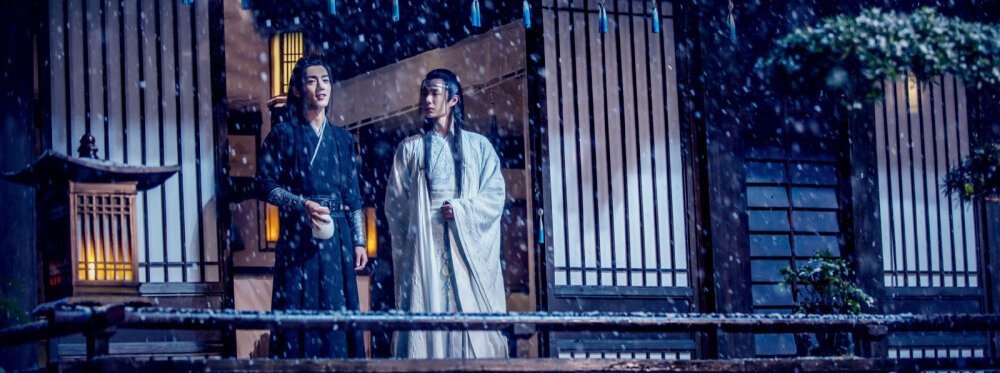
Chapter 6: Unanswered Questions About the Yin Iron
Among all the unresolved mysteries in the series, the Yin Iron storyline remains one of the most debated The Untamed plot holes. Early episodes present the Yin Iron as an incredibly dangerous source of dark spiritual energy capable of corrupting entire sects. The drama treats it as a central threat that could reshape the cultivation world. Yet as the story progresses, the importance of the Yin Iron suddenly fades into the background.
For many viewers, that shift feels abrupt.
The series spends significant time introducing fragmented Yin Iron pieces, secret investigations, and dangerous experiments. Then, without fully resolving its mythology, the narrative pivots toward political betrayal and emotional tragedy instead. As a result, fans continue wondering whether the writers intentionally abandoned the storyline or simply struggled to integrate it smoothly into the larger adaptation.
Readers interested in deeper lore analysis can also explore The Untamed hidden details fans missed and The Untamed plot twists explained.
The Origins of the Yin Iron Remain Vague
One major issue involves the unclear origins of the Yin Iron itself. The series describes it as an ancient and corrupting force, but the drama never fully explains who created it or why it exists in fragmented form.
Fans still ask questions such as:
- Where did the Yin Iron originally come from?
- Why does it possess such extreme power?
- Who first learned how to control it?
- Why are its abilities inconsistent across different scenes?
Traditional xianxia stories often include legendary artifacts tied to cosmic balance or spiritual corruption. However, most fantasy systems eventually establish clear rules surrounding those objects. The Untamed introduces the Yin Iron with heavy dramatic emphasis but provides surprisingly little technical explanation afterward.
Consequently, some viewers believe the writers initially planned a much larger Yin Iron storyline before shifting focus later in production.
The adaptation process likely contributed to this confusion. In Mo Dao Zu Shi, the original novel places less emphasis on Yin Iron mythology. The live-action drama expanded the concept to create stronger early conflict and visual tension. Unfortunately, that expansion created narrative expectations the series never fully resolved.
📖 Extended reading: cultural themes explored in The Untamed vs novel comparison.
Why the Yin Iron Storyline Suddenly Disappeared
Perhaps the most frustrating aspect of this subplot involves how quickly it loses importance. During the opening arcs, characters repeatedly risk their lives searching for Yin Iron fragments. Sect leaders treat the threat as catastrophic. Later episodes barely mention it at all.
That dramatic shift created one of the biggest perceived The Untamed plot holes in the fandom.
Several factors may explain the sudden transition:
- The drama prioritized emotional storytelling later on
- Political betrayal became the narrative focus
- Production limits reduced world-building scenes
- Adaptation changes compressed certain arcs
Even so, many fans feel the storyline deserved stronger closure. The Yin Iron initially seemed connected to Wei Wuxian’s eventual use of demonic cultivation, yet the relationship between those powers remains surprisingly unclear.
Some viewers theorize that the Yin Iron symbolically represents corruption caused by obsession with power. Others believe it simply functions as an early narrative device designed to unite the characters before larger conflicts emerge.
Researchers studying serialized fantasy narratives note that television adaptations often abandon early mythological threads when emotional character arcs prove more successful with audiences. That pattern appears strongly in The Untamed, where relationship dynamics ultimately overshadow supernatural lore.
Readers curious about emotional storytelling can also enjoy The Untamed relationship analysis and The Untamed iconic scenes breakdown.
🎬 Want to see the full behind-the-scenes? Watch the video here
The Yin Iron Reflects Traditional Xianxia Themes
Although the storyline feels incomplete, the Yin Iron still carries symbolic importance within the broader xianxia tradition. Many Chinese fantasy narratives use cursed artifacts to represent humanity’s dangerous relationship with ambition, greed, and emotional imbalance.
In The Untamed, nearly every character who seeks power through control eventually suffers devastating consequences.
Examples include:
- Wen Ruohan’s obsession with domination
- Xue Yang’s destructive revenge
- Jin Guangyao’s hunger for acceptance
- Wei Wuxian’s struggle with isolation and resentment
Viewed symbolically, the Yin Iron may matter less as a literal object and more as a reflection of corrupted desire. That interpretation aligns closely with classical xianxia storytelling, where emotional imbalance often creates spiritual catastrophe.
Still, modern audiences accustomed to detailed fantasy systems sometimes expect clearer explanations. Western fantasy franchises frequently establish rigid magical mechanics, while xianxia narratives often prioritize emotional symbolism over technical precision.
That cultural difference explains why some fans see unresolved mythology as meaningful ambiguity while others classify it as poor world-building.
Fans Turned the Mystery Into Collaborative Analysis
Ironically, the incomplete Yin Iron storyline helped strengthen fandom engagement. Viewers continue creating theories, essays, and timeline reconstructions to fill in missing details themselves. In many ways, the mystery became part of the entertainment experience.
Modern fandom culture thrives on collaborative interpretation. Reddit threads, YouTube analyses, and TikTok edits constantly revisit unresolved questions from the series.
🎬 Explore more in this YouTube clip – Click to watch
Readers interested in fandom culture may also enjoy The Untamed global phenomenon explained and Bojun Yixiao fandom psychology analysis.
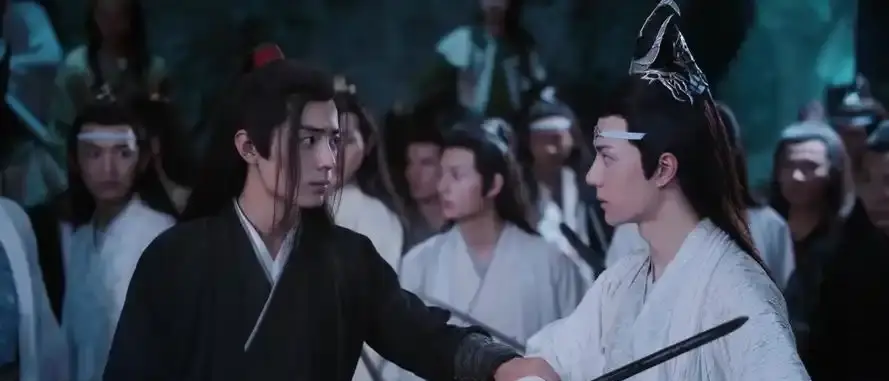
Chapter 7: Relationship Inconsistencies Fans Still Discuss
Beyond cultivation mysteries and timeline confusion, many debates surrounding The Untamed plot holes focus on relationships between the main characters. Emotional bonds drive the entire narrative, yet several interactions feel incomplete or suddenly rushed. Fans often praise the drama for its emotional depth while simultaneously questioning why certain conflicts escalate so quickly without proper explanation.
Unlike action-focused fantasy series, The Untamed depends heavily on emotional tension. Every major tragedy emerges from fractured trust, misunderstood loyalty, or unspoken feelings. Consequently, even small inconsistencies in character relationships become highly noticeable to viewers emotionally invested in the story.
Readers interested in broader emotional themes can also explore WangXian relationship analysis and The Untamed relationship insights.
Wei Wuxian and Jiang Cheng’s Fallout Feels Abrupt
One of the most heartbreaking aspects of the series involves the collapse of Wei Wuxian and Jiang Cheng’s brotherhood. Early episodes portray them as deeply loyal despite their constant arguments and personality differences. However, later conflicts escalate so dramatically that some viewers feel the emotional transition lacks sufficient development.
Fans frequently ask:
- Why didn’t Jiang Cheng trust Wei Wuxian more?
- Why did both characters avoid honest communication?
- Could their relationship have survived under different circumstances?
Emotionally, the fallout makes sense because both characters suffer immense trauma during the war. Jiang Cheng loses his parents, sect, and personal security. Meanwhile, Wei Wuxian sacrifices his golden core and isolates himself emotionally. Still, several viewers believe the drama rushed key emotional turning points.
Certain scenes imply unresolved conversations happened off-screen. As a result, audiences occasionally struggle to understand how resentment grew so intense so quickly.
Traditional xianxia storytelling often emphasizes tragic inevitability. Characters fail to communicate not because they lack intelligence, but because pride, duty, and emotional restraint prevent vulnerability. The Untamed follows that narrative tradition closely.
Even so, modern audiences accustomed to emotionally direct storytelling sometimes interpret these silences as frustrating The Untamed plot holes rather than intentional tragedy.
📖 Extended reading: cultural themes explored in The Untamed legacy and emotional impact.
Emotional Gaps Between Major Scenes Confused Viewers
Another commonly discussed issue involves emotional pacing. Several relationships seem to shift dramatically between episodes without enough on-screen development connecting those changes.
Examples include:
- Sudden hostility from former allies
- Rapid emotional reconciliation after conflict
- Missing reactions to traumatic events
- Limited recovery time after major losses
Because the drama condenses a massive story into a limited episode structure, some emotional transitions feel compressed. The adaptation removed several quieter character-building moments from the original novel, which may explain why certain interactions appear abrupt in the live-action version.
Researchers studying television adaptation theory note that emotional continuity often suffers when novels become serialized visual narratives. Internal monologues and subtle psychological details rarely translate fully to screen. That challenge becomes especially difficult in emotionally layered stories like The Untamed.
Still, many fans argue the actors’ performances compensate for missing exposition. Xiao Zhan and Wang Yibo communicate enormous emotional depth through body language, eye contact, and restrained dialogue. Consequently, viewers often “fill in” emotional gaps themselves.
Readers interested in performance analysis may also enjoy Xiao Zhan and Wang Yibo’s iconic roles and The Untamed cast introduction.
🎬 Want to see the full behind-the-scenes? Watch the video here
Did Censorship Affect Relationship Development?
Many fans believe censorship restrictions significantly impacted relationship storytelling within the drama. Since The Untamed adapted a danmei novel, the live-action version needed to reduce direct romantic content between Wei Wuxian and Lan Wangji.
That limitation created interesting storytelling challenges.
Instead of explicit romance, the drama relies on:
- Symbolic gestures
- Musical motifs
- Lingering eye contact
- Emotional sacrifice
- Parallel dialogue
For many viewers, this subtle approach actually strengthened emotional intensity. Others, however, feel certain relationship dynamics became confusing because important emotional context remained indirect.
The adaptation occasionally removes or softens scenes that originally clarified character motivations. Consequently, audiences unfamiliar with the novel sometimes miss emotional subtext entirely.
Academic research from Transformative Works and Cultures suggests fandom communities often strengthen emotional interpretation collectively when media uses ambiguity. That phenomenon clearly appears within The Untamed fandom, where viewers actively analyze symbolic moments frame by frame.
Readers curious about fandom interpretations can explore Is The Untamed a BL drama? and Bojun Yixiao fandom explained.
Emotional Authenticity Keeps Fans Invested
Despite these inconsistencies, fans remain deeply attached to the relationships in The Untamed because the emotional core feels authentic. Characters struggle with grief, loyalty, jealousy, and sacrifice in ways that resonate universally.
Ironically, the unresolved tensions may even strengthen audience attachment. Viewers continue debating motivations and emotional choices years later because the relationships feel emotionally alive rather than mechanically perfect.
🎬 Explore more in this YouTube clip – Click to watch
Readers who want deeper emotional analysis can also read The Untamed intense moments breakdown and WangXian famous quotes explained.
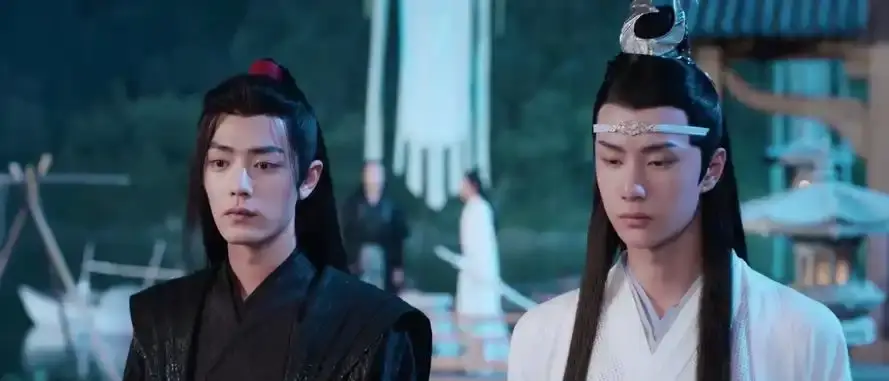
Chapter 8: The Untamed Plot Holes Analysis of the Villains
No fantasy drama can succeed without memorable villains, and The Untamed delivers several unforgettable antagonists. From Wen Ruohan’s hunger for domination to Jin Guangyao’s quiet manipulation, the series constantly blurs the line between evil and survival. Yet despite their emotional impact, many fans believe some villain storylines contain major inconsistencies. In fact, discussions about antagonist motivations remain one of the most active parts of The Untamed plot holes debates today.
Unlike simple “good versus evil” narratives, The Untamed portrays villains as products of trauma, ambition, and social inequality. That complexity makes the characters fascinating. At the same time, it occasionally creates logical gaps that leave viewers searching for answers long after the finale.
Readers interested in broader character psychology can also explore The Untamed character analysis and The Untamed plot twists explained.
Wen Ruohan’s Backstory Feels Underdeveloped
Early in the series, Wen Ruohan appears as a terrifying force capable of controlling entire sects through fear and military strength. The drama repeatedly describes him as nearly unstoppable. However, viewers receive surprisingly little insight into his personal motivations or history.
Fans often ask:
- Why did Wen Ruohan become obsessed with domination?
- How did he gain such overwhelming power so quickly?
- Why did powerful cultivation clans fail to unite against him earlier?
Compared to later villains, Wen Ruohan feels emotionally distant. The series positions him more as a symbol of tyranny than a fully developed character. Consequently, his eventual downfall happens rapidly despite the enormous threat he supposedly represents.
Some viewers believe the adaptation intentionally simplified his role to focus more heavily on emotional relationships between the younger generation. Others argue that production pacing simply left insufficient time for deeper exploration.
Traditional xianxia stories frequently use authoritarian villains as catalysts for character growth rather than emotionally layered antagonists. Even so, modern audiences often expect richer psychological development from major villains.
📖 Extended reading: cultural themes explored in The Untamed success as a xianxia drama.
Jin Guangyao Manipulated Everyone Too Easily
Among all the villains, Jin Guangyao generates the most discussion within the fandom. Many fans praise his intelligence and emotional complexity. Others argue his schemes succeed only because the story makes surrounding characters unrealistically oblivious.
Several moments continue fueling debate:
- Trusted leaders ignore obvious warning signs
- Witnesses overlook suspicious behavior repeatedly
- Political rivals fail to investigate clear inconsistencies
- His crimes remain hidden despite risky actions
Because of this, some viewers classify parts of his storyline as major The Untamed plot holes.
However, Jin Guangyao’s success also reflects deeper themes inside the cultivation world. He understands how reputation, class prejudice, and public fear shape political power. Unlike straightforward villains who rely on brute strength, he weaponizes social systems themselves.
Researchers studying morally ambiguous villains in serialized media note that audiences often remain fascinated by characters who blend vulnerability with manipulation. Jin Guangyao fits that pattern perfectly because viewers simultaneously sympathize with his painful upbringing and condemn his horrifying choices.
Still, several scenes stretch realism. Even emotionally intelligent characters fail to recognize manipulation that appears obvious to viewers watching from outside the story.
Readers interested in deeper fandom discussions can also enjoy The Untamed hidden foreshadowing and The Untamed ending secrets explained.
🎬 Want to see the full behind-the-scenes? Watch the video here
Xue Yang’s Survival Raises Major Questions
Another villain frequently mentioned in The Untamed plot holes discussions is Xue Yang. Fans love his chaotic energy and disturbing unpredictability, yet many still question how he repeatedly survives dangerous situations throughout the story.
Viewers especially debate:
- How did he avoid capture for so long?
- Why did powerful sects underestimate him repeatedly?
- How did his injuries fail to slow him down?
Unlike politically strategic villains, Xue Yang thrives through unpredictability and psychological manipulation. His relationship with Xiao Xingchen adds emotional tragedy that many fans consider one of the drama’s strongest subplots.
Yet his survival occasionally feels exaggerated for dramatic effect. Certain scenes imply he escapes situations that should realistically end his story much earlier.
Nevertheless, fans often forgive these inconsistencies because the emotional storytelling remains powerful. The Yi City arc resonates deeply because it explores loneliness, obsession, and irreversible moral damage rather than simple heroism.
Academic research on fandom engagement suggests emotionally tragic villains inspire stronger audience discussion because viewers enjoy exploring moral ambiguity together. That explains why Xue Yang continues trending in fan edits, essays, and theory videos years after the series aired.
Readers curious about emotional storytelling may also like The Untamed iconic scenes analysis and The Untamed intense moments breakdown.
Villain Complexity Strengthened the Drama’s Legacy
Despite logical inconsistencies, the villains in The Untamed remain unforgettable because they feel emotionally human. None of them pursue evil purely for entertainment. Instead, their actions emerge from insecurity, resentment, ambition, or desperation.
That emotional realism keeps fans engaged long after finishing the series.
🎬 Explore more in this YouTube clip – Click to watch
Readers interested in fandom psychology can also explore The Untamed fandom culture explained and The Untamed global phenomenon analysis.

Chapter 9: Confusing Rules of Cultivation and Spiritual Energy
One of the biggest reasons fans continue debating The Untamed plot holes involves the unclear rules surrounding cultivation, spiritual energy, and supernatural abilities. Throughout the series, characters perform extraordinary feats using swords, talismans, resentful energy, and spiritual instruments. Yet the drama rarely explains the exact limits of these powers in a consistent way.
For some viewers, this ambiguity strengthens the mystical atmosphere of the xianxia genre. Others believe the constantly shifting rules create confusion that weakens the story’s internal logic. As the series progresses, questions about resurrection, soul control, and demonic cultivation become increasingly difficult to answer clearly.
Readers interested in broader world-building analysis can also explore The Untamed hidden details fans missed and The Untamed timeline explained.
Spiritual Weapons Seem to Follow Different Rules
In The Untamed, spiritual weapons often behave differently depending on the emotional needs of the scene. Some swords possess strong spiritual consciousness, while others function more like ordinary tools. Similarly, musical cultivation techniques sometimes appear limitless before suddenly becoming restricted later in the story.
Fans frequently question:
- Why do some spiritual weapons react independently?
- How does musical cultivation truly work?
- Why can certain characters suppress resentful energy more effectively than others?
- What determines a cultivator’s spiritual strength?
The series introduces fascinating concepts but rarely establishes strict operational rules. As a result, viewers occasionally struggle to understand why one technique succeeds in one episode but fails in another.
Traditional xianxia narratives often prioritize symbolic meaning over scientific consistency. A sword may represent moral character as much as physical strength. Likewise, spiritual music frequently symbolizes emotional harmony rather than technical combat mechanics.
However, modern fantasy audiences often expect highly structured magical systems similar to Western franchises. That difference explains why some viewers interpret narrative flexibility as intentional symbolism, while others classify it as major The Untamed plot holes.
📖 Extended reading: cultural storytelling explored in The Untamed evolution of xianxia culture.
Resurrection and Soul Control Remain Deeply Unclear
Wei Wuxian’s resurrection remains one of the most emotionally powerful moments in the series. At the same time, it introduces major unanswered questions about souls, identity, and body possession.
Several mysteries still confuse fans today:
- How exactly did Mo Xuanyu’s sacrifice work?
- Why did Wei Wuxian retain his memories so perfectly?
- Could similar resurrection rituals happen again?
- What limits exist around soul summoning?
The drama intentionally keeps many details vague to preserve emotional focus. Instead of explaining supernatural mechanics scientifically, the series emphasizes the emotional consequences of returning from death.
That approach aligns closely with classical Chinese fantasy traditions, where spiritual resurrection often functions metaphorically. Characters return not simply because of magic, but because unresolved emotional bonds remain powerful enough to transcend death.
Still, some scenes contradict earlier implications. Certain spirits appear trapped permanently, while others communicate freely across realms. Likewise, soul fragments occasionally behave inconsistently depending on the emotional stakes of the moment.
Researchers studying mythological storytelling note that many Eastern fantasy narratives treat spiritual rules more fluidly than Western fantasy systems. Emotional resonance often takes priority over rigid mechanics. The Untamed follows that tradition strongly, though modern streaming audiences sometimes expect clearer explanations.
Readers interested in emotional symbolism can also enjoy The Untamed ending explained and WangXian famous quotes analysis.
🎬 Want to see the full behind-the-scenes? Watch the video here
Demonic Cultivation Has No Clear Boundaries
Another major source of confusion involves demonic cultivation itself. Early episodes portray resentful energy as extremely dangerous and emotionally corrupting. Later scenes sometimes depict it as surprisingly manageable under the right circumstances.
Fans still debate several unresolved issues:
- Does demonic cultivation inevitably destroy morality?
- Why could Wei Wuxian control it better than others?
- What emotional or spiritual costs truly exist?
- Why do the cultivation sects fear it so deeply if they barely understand it?
The drama intentionally frames demonic cultivation as both powerful and misunderstood. Wei Wuxian repeatedly argues that power itself is neutral; only human intention determines morality. Meanwhile, orthodox cultivators fear anything outside traditional structures.
That philosophical conflict matters more to the story than technical magical explanations.
Academic studies on xianxia literature often describe cultivation as a reflection of inner emotional balance rather than simple supernatural ability. In that context, Wei Wuxian’s strength represents intellectual freedom and emotional rebellion against rigid authority.
Even so, inconsistent limitations still frustrate many viewers. Certain battles imply enormous spiritual exhaustion, while others allow near-limitless power without visible consequences.
Readers curious about deeper thematic analysis may also explore The Untamed cultural impact and The Untamed fandom psychology explained.
Emotional Symbolism Outweighs Technical Precision
Ultimately, The Untamed values emotional storytelling more than perfectly structured world-building. Cultivation systems exist primarily to explore grief, loyalty, sacrifice, and social fear rather than to create rigid fantasy mechanics.
That creative choice explains why fans continue discussing these mysteries years later.
🎬 Explore more in this YouTube clip – Click to watch
Readers who enjoy deeper fandom discussions can also read The Untamed global phenomenon explained and The Untamed fandom culture analysis.

Chapter 10: Missing Explanations in the Final Episodes
As The Untamed approaches its ending, emotional tension reaches its peak. Betrayals unravel, hidden truths finally surface, and long-standing relationships confront painful realities. Yet despite the dramatic payoff, many viewers finished the final episodes with lingering confusion. Several storylines close emotionally while remaining logically incomplete, which is why the finale still fuels countless debates about The Untamed plot holes.
For many fans, the ending succeeds emotionally but struggles structurally. Important revelations happen rapidly, character motivations shift under pressure, and certain mysteries receive only partial explanation. As a result, audiences continue rewatching the final arc searching for hidden answers.
Readers interested in broader ending symbolism can also explore The Untamed ending explained and The Untamed hidden details fans missed.
The Final Separation Scene Confused Global Audiences
One of the most discussed moments in the entire series involves the ending between Wei Wuxian and Lan Wangji. Depending on the version viewers watched, the final scenes appear slightly different, leading to widespread confusion across the fandom.
Fans still ask questions such as:
- Did Wei Wuxian truly leave at the end?
- Why does the ending feel emotionally ambiguous?
- Were multiple versions released for censorship reasons?
- What exactly happened after the final mountain scene?
The emotional ambiguity created one of the most famous The Untamed plot holes discussions online. Some viewers interpret the ending as temporary separation before reunion. Others believe the drama intentionally leaves their future open to interpretation.
Part of this confusion comes from censorship adjustments during production and international distribution. Certain streaming platforms presented edited scene orders that changed emotional emphasis. Consequently, audiences in different regions sometimes experienced slightly different conclusions.
Traditional Chinese storytelling often embraces open-ended emotional closure rather than explicit resolution. Instead of directly confirming every detail, the narrative encourages viewers to emotionally interpret the final moments themselves.
Still, modern streaming audiences accustomed to definitive endings frequently found the ambiguity frustrating.
📖 Extended reading: cultural interpretation explored in Is The Untamed a BL drama?.
Important Mysteries Receive Minimal Closure
Beyond the relationship ending, several major story elements receive surprisingly little follow-up after the climax. Once Jin Guangyao’s schemes collapse, the narrative moves quickly toward emotional closure instead of detailed world-building explanations.
Some unresolved questions include:
- What happened to the cultivation world politically afterward?
- Did attitudes toward demonic cultivation actually change?
- How did surviving clans rebuild trust?
- What long-term consequences followed Wei Wuxian’s return?
The series prioritizes emotional healing over political reconstruction. While that choice fits the drama’s themes, many viewers hoped for stronger narrative closure regarding the world itself.
Researchers studying serialized television endings note that emotionally focused finales often leave logistical questions unanswered because creators prioritize character catharsis over technical detail. The Untamed clearly follows this pattern.
Even so, fans continue debating whether these unresolved issues represent intentional artistic ambiguity or incomplete storytelling caused by production limitations.
Readers interested in broader fandom interpretations can also enjoy The Untamed global phenomenon explained and The Untamed legacy analysis.
🎬 Want to see the full behind-the-scenes? Watch the video here
Hidden Clues Suggest a More Hopeful Ending
Despite the ambiguity, many fans believe the series quietly hints at a happy resolution. Throughout the final episodes, subtle visual symbolism strongly implies emotional reunion rather than permanent separation.
Viewers frequently point to:
- Repeated musical motifs connected to WangXian
- The peaceful atmosphere of the final scene
- Lan Wangji’s emotional expression during reunion hints
- Symbolic parallels to earlier promises between the characters
Because direct romantic confirmation faced censorship restrictions, the drama relies heavily on subtext and visual storytelling. For many fans, those subtle details feel more emotionally powerful than explicit dialogue would have been.
Academic studies on fandom interpretation suggest audiences often form stronger emotional attachment when narratives require active symbolic reading. That phenomenon became central to The Untamed fandom culture, where fans collaboratively analyze scenes frame by frame searching for emotional clues.
Readers curious about symbolic storytelling can also read WangXian relationship analysis and The Untamed iconic scenes breakdown.
Emotional Closure Outweighed Logical Precision
Although the finale leaves several unanswered questions, most viewers remember the emotional journey far more strongly than the missing details. The ending resonates because it completes the characters’ emotional arcs even when logistical explanations remain incomplete.
Wei Wuxian finally finds acceptance. Lan Wangji openly chooses loyalty over social expectation. The cultivation world slowly confronts its hypocrisy. Emotionally, those resolutions matter deeply to fans.
That emotional satisfaction explains why audiences continue revisiting the series despite unresolved The Untamed plot holes. Imperfect storytelling rarely inspires this level of lasting devotion unless the emotional experience feels genuine.
🎬 Explore more in this YouTube clip – Click to watch
Readers who enjoy deeper fandom discussions can also explore The Untamed fandom culture explained and Bojun Yixiao fandom psychology analysis.
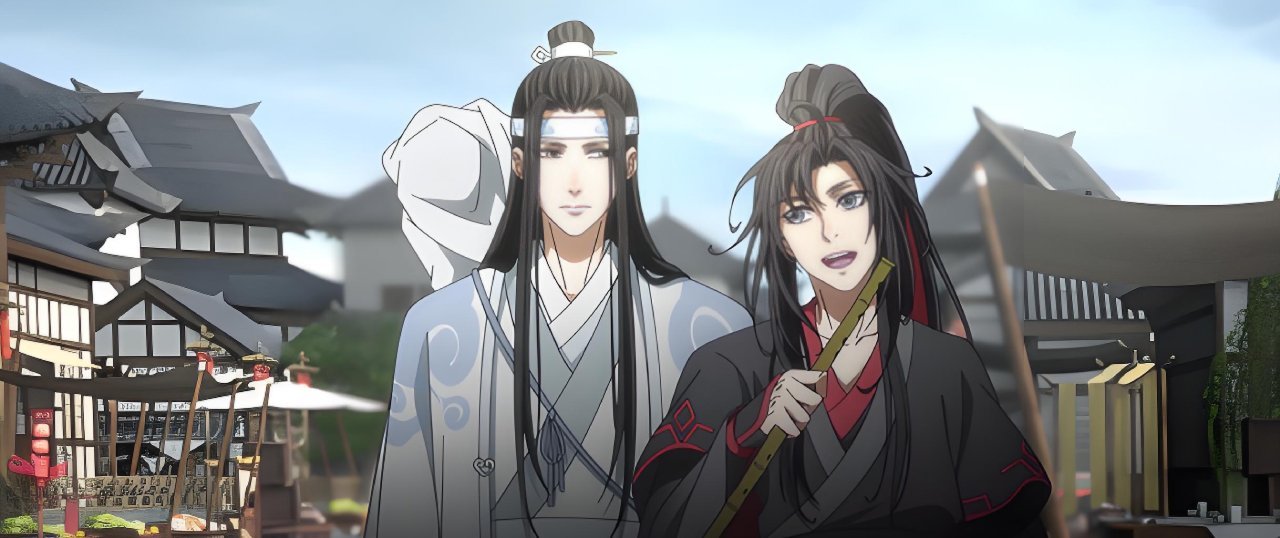
Chapter 11: Differences Between The Untamed and Mo Dao Zu Shi
One major reason fans continue debating The Untamed plot holes comes from the differences between the live-action drama and its original source material, Mo Dao Zu Shi. While the adaptation preserved the emotional core of the story, it also changed several important narrative elements. Those adjustments helped the drama reach mainstream audiences, but they also created new inconsistencies that viewers still analyze today.
For longtime readers of the novel, some plot changes felt understandable due to censorship and production limitations. Meanwhile, newer fans who only watched the drama often found certain storylines confusing because the adaptation removed or softened important explanations. As a result, comparisons between both versions remain one of the most active discussions within the fandom.
Readers interested in adaptation storytelling can also explore The Untamed anime vs live-action comparison and Mo Dao Zu Shi adaptation analysis.
Censorship Changed Key Relationship Dynamics
Perhaps the biggest adaptation challenge involved censorship regulations surrounding the relationship between Wei Wuxian and Lan Wangji. In the original novel, their bond develops explicitly as a romantic relationship. The live-action version, however, needed to communicate emotional intimacy through symbolism and indirect storytelling.
That creative limitation changed several aspects of the narrative:
- Romantic dialogue became emotionally coded subtext
- Physical affection transformed into symbolic gestures
- Emotional motivations sometimes appeared less direct
- Certain scenes lost contextual clarity for new viewers
For many fans, this subtle storytelling style actually strengthened emotional intensity. Quiet glances, musical motifs, and acts of sacrifice carried enormous meaning beneath the surface. Others, however, believe the reduced romantic context created confusion around certain emotional decisions.
Consequently, some viewers interpret emotionally ambiguous moments as genuine The Untamed plot holes, while novel readers recognize hidden subtext immediately.
Academic studies from Transformative Works and Cultures suggest censorship often increases fandom interpretation activity because audiences collaboratively decode symbolic storytelling together. That phenomenon clearly shaped The Untamed fandom culture worldwide.
📖 Extended reading: cultural themes explored in Is The Untamed a BL drama?.
The Yin Iron Storyline Expanded Beyond the Novel
Another major difference involves the Yin Iron arc. In Mo Dao Zu Shi, the story focuses more heavily on political corruption, personal morality, and emotional relationships. The live-action drama expanded the Yin Iron mythology significantly to create a larger fantasy framework for television audiences.
Although visually dramatic, this decision introduced several storytelling problems.
Fans frequently note that:
- The Yin Iron receives heavy early focus before fading away
- Its powers remain inconsistently defined
- The connection to demonic cultivation feels incomplete
- Certain lore explanations disappear midway through the series
Because the original novel never emphasized Yin Iron to the same degree, the adaptation struggled to integrate the storyline smoothly into later emotional arcs.
Researchers studying television adaptation theory explain that fantasy adaptations often add visual mythology to increase mainstream appeal. However, expanding lore without long-term narrative payoff can unintentionally create unresolved plot threads.
That criticism appears frequently in fandom discussions surrounding The Untamed plot holes.
Readers curious about unresolved mysteries may also enjoy The Untamed hidden details explained and The Untamed foreshadowing clues.
🎬 Want to see the full behind-the-scenes? Watch the video here
Character Motivations Feel Different Across Versions
Several characters also behave differently in the drama compared to the novel. The live-action adaptation softens some morally darker elements while emphasizing emotional tragedy more strongly.
Examples include:
- Wei Wuxian appearing less morally reckless
- Lan Wangji expressing emotions more subtly
- Jin Guangyao receiving more sympathetic framing
- Jiang Cheng’s anger becoming more emotionally tragic
These changes helped broaden mainstream appeal, especially for international audiences unfamiliar with xianxia storytelling traditions. At the same time, they occasionally weakened narrative clarity regarding certain motivations.
For instance, novel readers often understand Wei Wuxian’s internal struggles more clearly because the original text includes detailed inner monologues. The drama removes much of that internal narration, forcing viewers to interpret emotional conflict visually instead.
As a result, some emotional transitions feel abrupt or incomplete in the adaptation.
Readers interested in deeper character studies can also explore Lan Wangji character analysis and The Untamed relationship analysis.
Why Fans Still Love Both Versions
Despite these differences, both versions of the story maintain enormous global popularity because they succeed emotionally in different ways. The novel offers richer internal psychology and clearer world-building, while the drama delivers stunning visual emotion, unforgettable performances, and powerful atmosphere.
Many fans actually enjoy comparing both interpretations because each version fills gaps left by the other.
The novel clarifies:
- Cultivation mechanics
- Relationship motivations
- Political context
- Spiritual lore
Meanwhile, the drama strengthens:
- Emotional visual storytelling
- Character chemistry
- Symbolic imagery
- Atmospheric world-building
That complementary relationship keeps fandom discussion alive years later.
🎬 Explore more in this YouTube clip – Click to watch
Readers who enjoy fandom comparisons can also explore The Untamed global phenomenon analysis and The Untamed legacy in modern fandom.
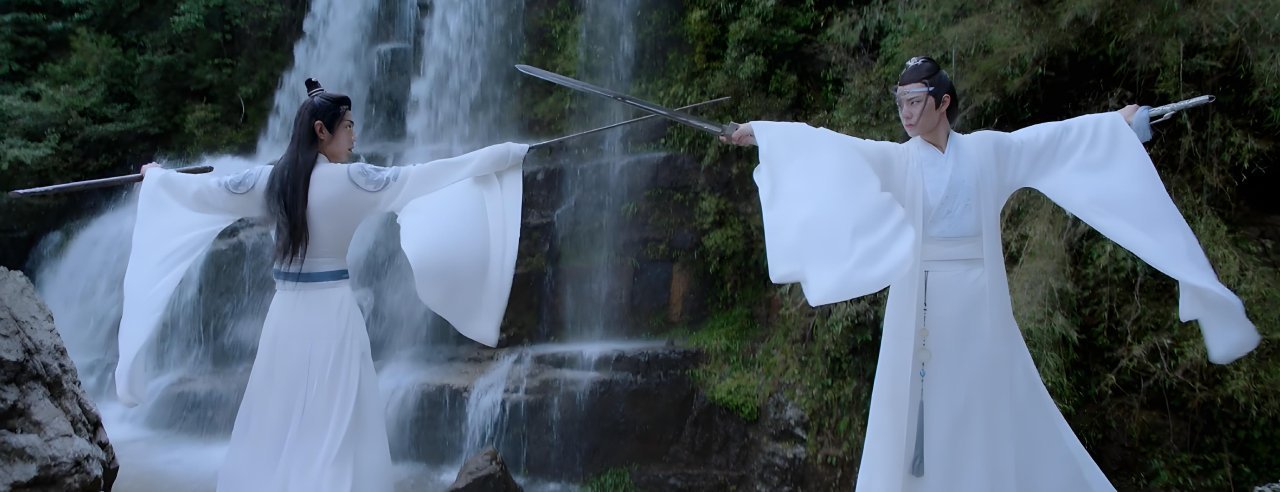
Chapter 12: Fan Theories That Try to Fix the Plot Holes
Whenever a story leaves unanswered questions behind, fandom communities step in to fill the gaps. That pattern perfectly describes the global obsession surrounding The Untamed plot holes. Over the years, fans have developed countless theories explaining timeline inconsistencies, emotional ambiguities, and unexplained supernatural rules. Some theories focus on hidden symbolism, while others attempt to rebuild the entire narrative using clues scattered across the series.
Interestingly, these discussions became part of the drama’s long-term success. Instead of fading after the finale aired, The Untamed evolved into an ongoing collaborative mystery where viewers constantly reinterpret scenes and character motivations.
Readers interested in deeper fandom culture can also explore The Untamed fandom culture explained and Bojun Yixiao fandom psychology analysis.
Fans Believe Hidden Clues Explain the Timeline Confusion
One of the most popular fan theories argues that the confusing timeline structure was entirely intentional. According to this interpretation, the fragmented chronology mirrors Wei Wuxian’s emotional disorientation after resurrection.
Supporters of this theory point to several storytelling choices:
- Sudden flashback transitions tied to emotional memories
- Repeated visual parallels across timelines
- Symbolic use of music to connect past and present
- Emotional continuity taking priority over exact dates
Rather than viewing these inconsistencies as mistakes, fans argue the series wants viewers to experience memory emotionally rather than chronologically.
This interpretation aligns closely with traditional xianxia storytelling, where emotional resonance often matters more than rigid realism. Academic research on nonlinear narratives also supports this idea. Scholars from Narrative Inquiry explain that fragmented storytelling can intentionally encourage audiences to reconstruct emotional meaning themselves.
Still, not all viewers agree. Some fans appreciate symbolic complexity, while others simply wanted clearer explanations.
Readers curious about timeline analysis can also explore The Untamed timeline explained and The Untamed hidden foreshadowing clues.
🎬 Want to see the full behind-the-scenes? Watch the video here
The “Lan Wangji Knew Earlier” Theory Remains Popular
Another fascinating theory suggests Lan Wangji recognized Wei Wuxian almost immediately after his resurrection but intentionally concealed his certainty. Many fans believe subtle acting choices and visual symbolism strongly support this interpretation.
Supporters frequently reference:
- Lan Wangji’s calm reaction during early encounters
- His immediate protective behavior
- Emotional hesitation in key scenes
- Musical cues linked to WangXian themes
According to this theory, Lan Wangji never truly doubts Wei Wuxian’s identity. Instead, he waits patiently for Wei Wuxian to reveal himself willingly.
This interpretation helps explain several emotional inconsistencies that some viewers originally considered The Untamed plot holes. Rather than poor writing, fans reinterpret those moments as evidence of restrained emotional communication.
Traditional Chinese storytelling often values emotional subtlety and indirect expression. Consequently, viewers familiar with those narrative traditions may notice emotional implications that international audiences initially miss.
Readers interested in relationship symbolism can also enjoy WangXian relationship analysis and Lan Wangji character analysis.
Fans Reinterpret the Yin Iron Symbolically
The unresolved Yin Iron storyline also inspired extensive fan reinterpretation. Since the drama never fully explains its mythology, many viewers believe the artifact functions primarily as symbolic storytelling rather than literal fantasy mechanics.
Several popular interpretations include:
- Yin Iron represents emotional corruption caused by obsession
- The fragments symbolize fractured morality within the sect system
- Resentful energy reflects suppressed trauma and social fear
- The artifact exposes humanity’s desire for control
Under this interpretation, the Yin Iron matters less as a physical object and more as a thematic warning about power without compassion.
Researchers studying mythological storytelling often note that Eastern fantasy traditions rely heavily on symbolic spiritual objects rather than strictly mechanical magical systems. In The Untamed, emotional imbalance repeatedly creates catastrophe across nearly every major storyline.
This symbolic reading helps many fans reconcile inconsistencies surrounding demonic cultivation and supernatural power limits.
📖 Extended reading: cultural storytelling explored in The Untamed cultural impact analysis.
Fandom Collaboration Strengthened the Series’ Legacy
One reason The Untamed remains culturally relevant involves how actively fans collaborate to interpret unresolved mysteries. Reddit threads, YouTube essays, TikTok edits, and fanfiction communities constantly expand the story through shared analysis.
Modern fandom culture transforms audiences from passive consumers into active participants. Instead of waiting for official explanations, fans collectively create emotional and symbolic interpretations themselves.
Researchers from Transformative Works and Cultures describe this process as “participatory storytelling,” where fandom communities help sustain narrative longevity through interpretation and creative expansion.
That phenomenon explains why discussions about The Untamed plot holes continue years after the drama ended.
🎬 Explore more in this YouTube clip – Click to watch
Readers who enjoy fandom theories can also explore The Untamed global phenomenon explained and Bojun Yixiao fandom explained.
Some Mysteries May Never Need Clear Answers
Ironically, the unresolved nature of the story may be exactly why fans remain emotionally attached to it. Perfectly explained narratives often fade quickly from cultural conversation. The Untamed, however, continues inspiring discussion because audiences still search for hidden meaning inside every scene.
For many viewers, the mystery itself became part of the emotional experience.

Chapter 13: Were These Really Plot Holes or Intentional Mysteries?
After years of debates, rewatches, and fan analysis, one major question still divides the fandom: are these truly The Untamed plot holes, or did the drama intentionally leave parts of the story unresolved? Some viewers argue the inconsistencies weaken the narrative. Others believe the ambiguity forms part of the series’ emotional and artistic identity.
That debate explains why The Untamed continues attracting new audiences long after its original release. Instead of offering straightforward answers, the drama invites interpretation. Every unresolved detail encourages fans to revisit scenes, compare theories, and emotionally reconstruct the story themselves.
Readers interested in broader fandom engagement can also explore The Untamed global phenomenon explained and The Untamed legacy analysis.
Ambiguity Plays a Major Role in Xianxia Storytelling
To understand why certain mysteries remain unresolved, viewers must first recognize how xianxia storytelling traditionally works. Unlike many Western fantasy dramas that carefully explain every magical rule, xianxia narratives often emphasize emotional philosophy, symbolism, and spiritual atmosphere instead.
In traditional xianxia stories:
- Emotional truth outweighs technical precision
- Symbolism matters more than scientific logic
- Spiritual growth reflects emotional transformation
- Mystery enhances emotional resonance
Because of these conventions, some moments labeled as The Untamed plot holes may actually reflect intentional genre traditions rather than writing mistakes.
For example, the unclear mechanics of demonic cultivation mirror Wei Wuxian’s emotional instability and isolation. Likewise, the fragmented timeline reflects memory, trauma, and loss rather than chronological realism.
Academic research on Chinese fantasy narratives from the University of Hong Kong notes that xianxia stories frequently blur the line between literal and symbolic storytelling. Emotional interpretation often matters more than strict factual explanation.
That cultural storytelling difference explains why international audiences sometimes interpret ambiguity differently from domestic viewers familiar with xianxia traditions.
📖 Extended reading: cultural themes explored in The Untamed evolution of xianxia culture.
Modern Audiences Expect More Structured Fantasy Worlds
Another important factor involves changing viewer expectations. Today’s global audiences consume fantasy through highly detailed franchises like Marvel, Harry Potter, and Game of Thrones. Those stories usually establish clear magical systems with consistent limitations and technical rules.
The Untamed approaches fantasy differently.
Instead of explaining every supernatural mechanic, the drama focuses on:
- Emotional sacrifice
- Moral ambiguity
- Social corruption
- Spiritual symbolism
- Character relationships
Consequently, viewers expecting strict world-building sometimes feel frustrated when powers or timelines appear inconsistent.
For example, Wei Wuxian’s cultivation abilities fluctuate depending on emotional circumstances. Some audiences see this as weak narrative structure. Others interpret it as symbolic storytelling reflecting his emotional state and spiritual burden.
Researchers studying transnational media reception explain that cultural storytelling expectations strongly influence how audiences judge narrative consistency. Western viewers often prioritize logical structure, while East Asian fantasy traditions frequently prioritize emotional atmosphere.
That difference significantly shapes debates surrounding The Untamed plot holes.
Readers curious about adaptation and storytelling differences can also enjoy The Untamed vs novel comparison and Mo Dao Zu Shi adaptation analysis.
🎬 Want to see the full behind-the-scenes? Watch the video here
Emotional Storytelling Often Matters More Than Logic
Despite unresolved questions, millions of viewers remain emotionally attached to The Untamed because the characters feel authentic and deeply human. Fans forgive narrative inconsistencies when emotional experiences resonate strongly.
Several emotional themes continue connecting with audiences worldwide:
- Loyalty despite social pressure
- Grief and personal sacrifice
- Isolation caused by misunderstanding
- The search for moral truth
Wei Wuxian’s journey especially resonates because his struggles feel emotionally realistic even inside a supernatural world. Viewers understand his loneliness, frustration, and emotional exhaustion regardless of unclear magical mechanics.
Similarly, Lan Wangji’s restrained devotion creates powerful emotional impact despite minimal direct dialogue. Their relationship works because emotional consistency remains stronger than technical explanation.
Modern fandom discussions frequently reveal that viewers care less about exact cultivation rules than about emotional meaning hidden beneath the fantasy.
Readers interested in emotional symbolism can also explore WangXian relationship analysis and The Untamed iconic scenes breakdown.
Fandom Interpretation Became Part of the Experience
One fascinating aspect of The Untamed involves how the fandom itself transformed unresolved mysteries into collaborative storytelling. Instead of damaging engagement, ambiguity encouraged fans to participate more actively.
Today, viewers continue creating:
- Theory videos
- Timeline reconstructions
- Symbolism essays
- Fanfiction expansions
- Character psychology analyses
Researchers from Transformative Works and Cultures describe this process as participatory fandom, where audiences emotionally expand narratives through collective interpretation.
That phenomenon helps explain why discussions about The Untamed plot holes remain so active years later.
🎬 Explore more in this YouTube clip – Click to watch
Readers who enjoy fandom analysis can also explore Bojun Yixiao fandom explained and The Untamed fandom psychology analysis.
Imperfect Stories Sometimes Leave the Deepest Impact
Ironically, the unanswered mysteries may be exactly why The Untamed continues living inside fandom culture. Perfectly explained stories often disappear quickly after release. Meanwhile, emotionally layered narratives with lingering ambiguity inspire endless reinterpretation.
For many fans, the emotional journey matters far more than achieving complete narrative precision.
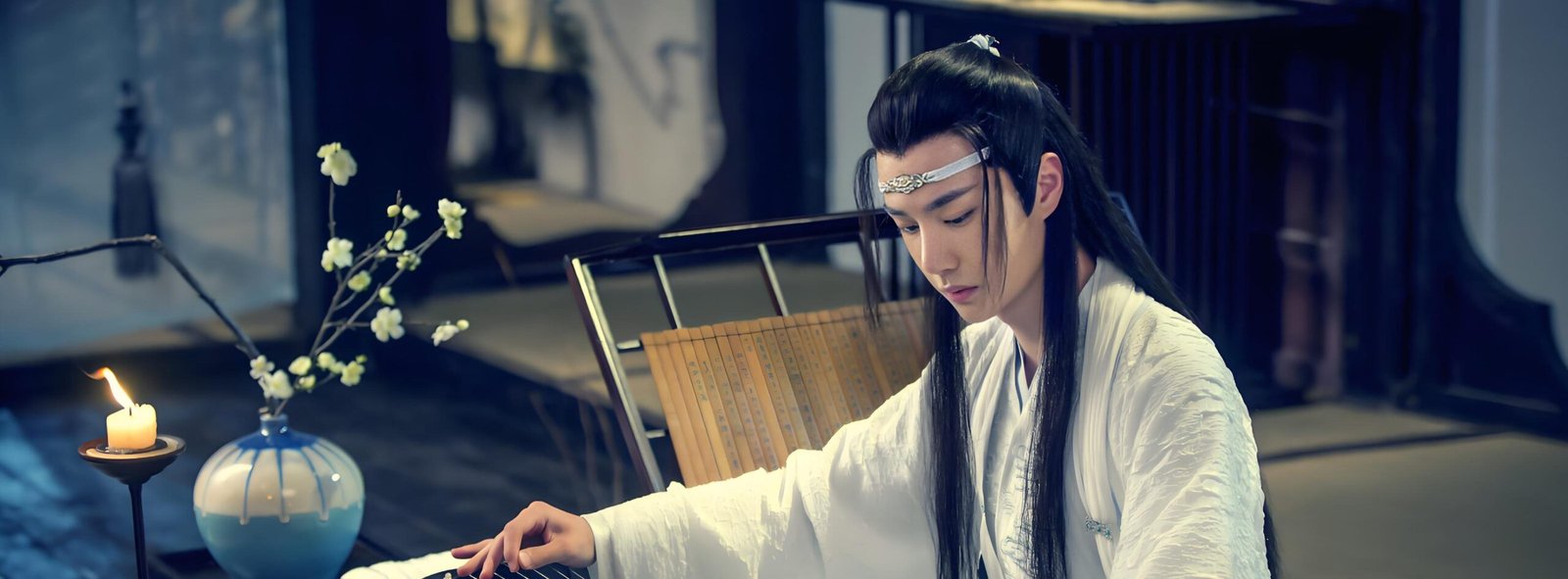
Chapter 14: Lessons Other Fantasy Dramas Can Learn from The Untamed
Despite ongoing debates about The Untamed plot holes, the drama remains one of the most influential fantasy series of its generation. Few xianxia productions have achieved the same level of global fandom engagement, emotional loyalty, and long-term cultural impact. That success offers important lessons for future fantasy dramas trying to balance world-building, emotional storytelling, and audience expectations.
Many modern fantasy series invest heavily in visual effects and large-scale action scenes. The Untamed, however, proved that emotional depth often matters more than technical perfection. Viewers stayed emotionally invested because the characters felt real, vulnerable, and morally complex.
Readers interested in the drama’s lasting cultural influence can also explore The Untamed cultural impact analysis and The Untamed global phenomenon explained.
Strong Emotional Storytelling Creates Lasting Fandoms
One of the clearest lessons from The Untamed involves the power of emotional storytelling. Even viewers who criticize certain inconsistencies continue rewatching the drama because the emotional journey remains unforgettable.
The series succeeds by focusing on:
- Character loyalty and sacrifice
- Emotional misunderstandings
- Moral ambiguity
- Quiet relationship development
- Tragic personal growth
Wei Wuxian and Lan Wangji resonate deeply because audiences connect with their emotional struggles rather than just their supernatural abilities. Their bond evolves gradually through trust, loss, and shared suffering, which creates stronger attachment than fast-paced romantic storytelling.
Modern fandom culture also amplified this emotional connection. Fans create edits, essays, reaction videos, and fanfiction because the characters continue feeling emotionally alive after the story ends.
Researchers studying fandom psychology from Transformative Works and Cultures explain that emotionally layered narratives encourage “participatory attachment,” where audiences emotionally continue the story through creative engagement. The Untamed demonstrates this phenomenon perfectly.
Fantasy dramas hoping to build loyal audiences should remember that emotional authenticity often matters more than flawless world-building.
📖 Extended reading: emotional storytelling explored in WangXian relationship analysis.
World-Building Needs Better Long-Term Consistency
Although emotional storytelling remains the drama’s greatest strength, the series also highlights the importance of maintaining consistent world-building. Several major The Untamed plot holes emerged because supernatural systems and political structures lacked clear long-term explanation.
Future fantasy dramas can learn valuable lessons from these issues.
For example:
- Early lore should connect clearly to later story arcs
- Magical systems need understandable limitations
- Political conflicts require logical continuity
- Timeline structure should remain emotionally and logically coherent
The Yin Iron storyline especially demonstrates how unresolved mythology can frustrate viewers. Introducing powerful artifacts without fully integrating them into the ending risks weakening narrative payoff.
Western fantasy franchises often dedicate significant attention to rule-based magical systems. Xianxia dramas traditionally focus more on symbolism and emotion. Successful future productions may benefit from balancing both approaches more carefully.
Researchers studying fantasy adaptation theory note that global audiences increasingly expect emotional storytelling combined with consistent internal logic. That expectation continues growing as international streaming expands cross-cultural viewing habits.
Readers curious about unresolved mythology can also explore The Untamed hidden details explained and The Untamed timeline analysis.
🎬 Want to see the full behind-the-scenes? Watch the video here
Representation and Subtext Can Strengthen Emotional Impact
Another important lesson involves how The Untamed handled emotional intimacy under censorship restrictions. Instead of relying on explicit romance, the drama communicated connection through symbolic gestures, music, body language, and sacrifice.
That storytelling approach created:
- Stronger audience interpretation
- Rich symbolic analysis
- Emotional subtlety
- Global fandom discussion
Although censorship limited direct representation, the creative team transformed restriction into emotional atmosphere. Many fans now consider the subtle relationship storytelling one of the series’ greatest strengths.
Academic studies on audience interpretation suggest that symbolic storytelling often increases emotional engagement because viewers actively participate in decoding meaning. That collaborative interpretation became central to The Untamed fandom culture.
However, future fantasy dramas may benefit from greater narrative clarity while preserving emotional subtlety. Balancing explicit storytelling with symbolic depth could strengthen both accessibility and artistic complexity.
Readers interested in fandom interpretation can also enjoy Is The Untamed a BL drama? and Bojun Yixiao fandom explained.
Imperfect Stories Can Still Become Cultural Legends
Perhaps the most important lesson of all is simple: a story does not need perfect logic to become unforgettable. The Untamed continues inspiring global discussion because its emotional themes remain deeply human.
Fans still connect with:
- Loneliness and belonging
- Loyalty under pressure
- Grief and forgiveness
- The search for moral truth
Those emotional experiences transcend technical flaws.
Ironically, some unresolved mysteries may have strengthened the drama’s legacy by encouraging endless reinterpretation and fandom collaboration. The debates surrounding The Untamed plot holes became part of the viewing experience itself.
🎬 Explore more in this YouTube clip – Click to watch
Readers who enjoy fandom culture analysis can also read The Untamed fandom psychology explained and The Untamed legacy in modern fandom.
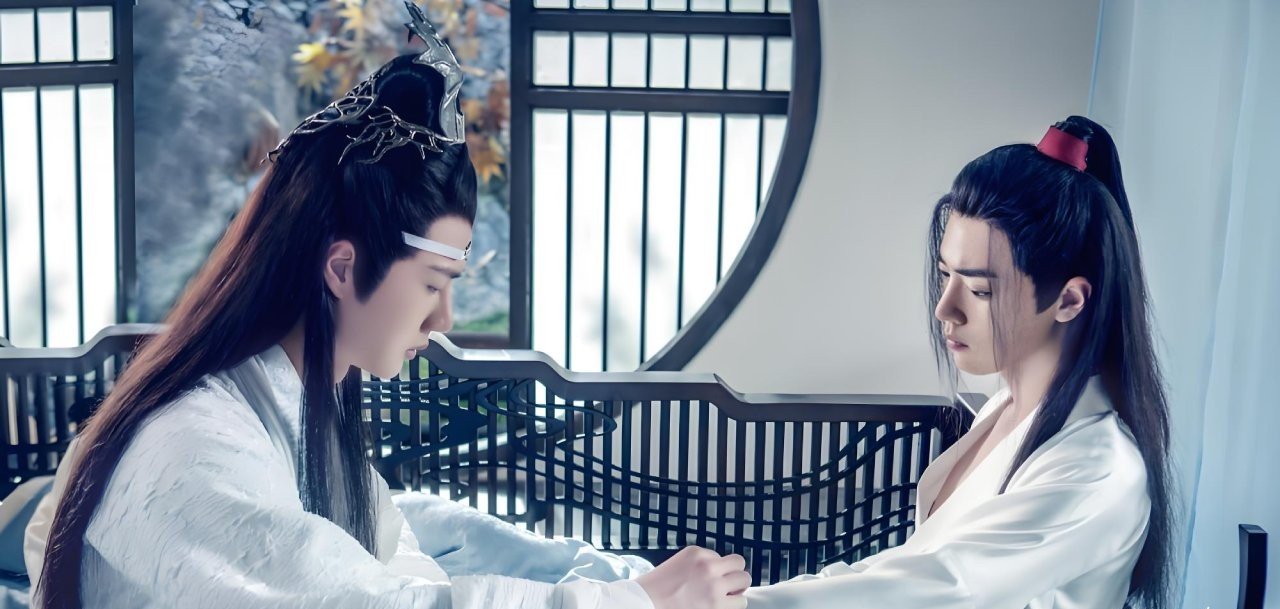
Chapter 15: FAQs About The Untamed Plot Holes Analysis
Even years after its release, fans continue asking questions about unresolved mysteries, emotional symbolism, and confusing storylines in The Untamed. Some viewers want clearer explanations for timeline inconsistencies, while others search for deeper cultural context behind the drama’s storytelling style. Below are the most frequently discussed questions surrounding The Untamed plot holes and the fandom theories connected to them.
Readers interested in deeper fandom discussions can also explore The Untamed fandom culture explained and The Untamed hidden details analysis.
Is The Untamed Based on a Novel?
Yes. The Untamed adapts the popular Chinese danmei novel Mo Dao Zu Shi by Mo Xiang Tong Xiu. The live-action drama follows many major storylines from the novel but changes several details due to censorship rules and television adaptation requirements.
Some important differences include:
- Reduced romantic content
- Expanded Yin Iron mythology
- Rearranged timeline structure
- Simplified cultivation explanations
Because of these changes, certain The Untamed plot holes appear more noticeable in the drama than in the original novel.
Readers curious about adaptation differences can also enjoy The Untamed vs novel comparison and Mo Dao Zu Shi adaptation analysis.
Why Does the Timeline Feel So Confusing?
The drama intentionally uses nonlinear storytelling to create emotional suspense and mystery. Instead of presenting events chronologically, the series slowly reveals past tragedies through extended flashbacks.
That structure creates emotional impact, but it also causes confusion regarding:
- Character ages
- War timelines
- Relationship development
- Cultivation training periods
Traditional xianxia storytelling often prioritizes emotional memory over strict chronological realism. However, modern global audiences sometimes expect clearer timeline organization.
📖 Extended reading: timeline breakdown available in The Untamed timeline explained.
Did Censorship Affect the Story?
Absolutely. Censorship significantly shaped several aspects of the adaptation. Since the original novel includes explicit romantic elements between Wei Wuxian and Lan Wangji, the live-action drama needed to communicate emotional intimacy through symbolism and subtext instead.
As a result, the series relied heavily on:
- Musical motifs
- Emotional sacrifice
- Visual symbolism
- Lingering eye contact
- Parallel dialogue
Many fans believe these restrictions actually strengthened emotional storytelling by encouraging subtle interpretation. Others feel censorship contributed to certain confusing emotional transitions and unresolved relationship dynamics.
Readers interested in fandom interpretation can also explore Is The Untamed a BL drama? and WangXian relationship analysis.
🎬 Want to see the full behind-the-scenes? Watch the video here
What Is the Biggest Plot Hole in The Untamed?
Fans disagree on the single biggest inconsistency, but several topics appear repeatedly in fandom discussions:
- The unresolved Yin Iron storyline
- Unclear resurrection mechanics
- Timeline inconsistencies
- Vague cultivation rules
- Jin Guangyao avoiding suspicion for so long
Among these, the Yin Iron arc probably receives the most criticism because the drama introduces it as extremely important before largely abandoning it later.
Even so, many viewers argue these unresolved details matter less than the emotional storytelling itself.
Readers interested in mythology debates may also enjoy The Untamed foreshadowing analysis and The Untamed plot twists explained.
Are the Novel and Drama Endings Different?
Yes, though emotionally they share many similarities. The novel provides clearer romantic closure between Wei Wuxian and Lan Wangji, while the drama relies on more symbolic emotional resolution.
This difference explains why some viewers found the live-action ending emotionally ambiguous. Depending on regional edits and streaming versions, certain scenes also appear in slightly different order.
Despite those differences, most fans agree both versions ultimately emphasize reunion, loyalty, and emotional healing.
Readers interested in ending symbolism can also read The Untamed ending explained and The Untamed iconic scenes breakdown.
Why Do Fans Still Discuss The Untamed Years Later?
Very few fantasy dramas create this level of long-term emotional engagement. Fans continue revisiting The Untamed because the story combines:
- Emotional complexity
- Symbolic storytelling
- Morally layered characters
- Deep relationship dynamics
- Unresolved mysteries open to interpretation
Modern fandom culture also plays a huge role. Reddit theories, TikTok edits, YouTube essays, and fanfiction communities constantly expand discussion around the series.
Researchers studying fandom psychology describe this phenomenon as participatory storytelling, where audiences emotionally continue narratives through collaborative interpretation.
🎬 Explore more in this YouTube clip – Click to watch
Readers interested in fandom psychology can also explore Bojun Yixiao fandom explained and The Untamed global phenomenon analysis.
Will There Ever Be a Sequel or Remake?
As of now, no official sequel continuation has been confirmed. However, the franchise continues expanding through fandom projects, anniversary celebrations, merchandise, and ongoing streaming popularity.
Because The Untamed remains internationally successful, fans still speculate about:
- Future spin-offs
- Remastered releases
- International adaptations
- Reunion specials
Whether or not new official content appears, the fandom itself continues keeping the story alive through analysis, creativity, and emotional connection.
🎬 Explore more in this YouTube clip – Click to watch
Readers who enjoy ongoing fandom updates can also explore Where the Untamed cast are now and The Untamed legacy in modern fandom.
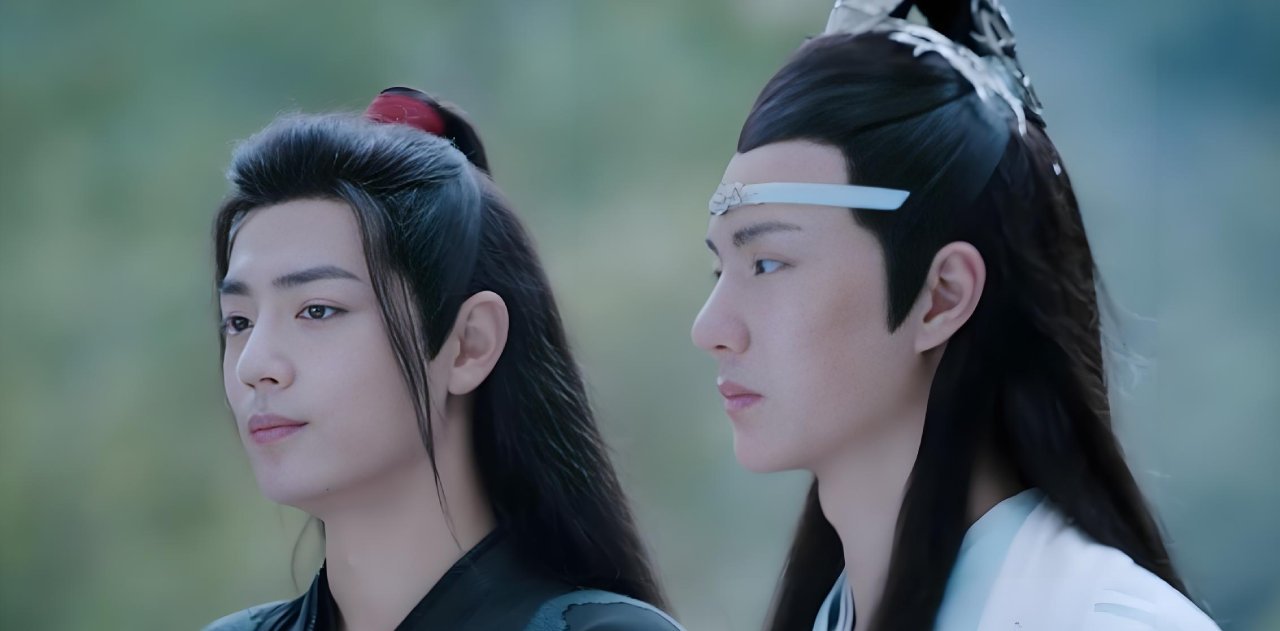
Chapter 16: Conclusion — Why The Untamed Still Fascinates Fans Despite Its Plot Holes
Years after its release, The Untamed continues to captivate global audiences in ways few fantasy dramas ever achieve. Fans still debate unresolved mysteries, emotional symbolism, and narrative inconsistencies because the story created something far more powerful than perfect logic alone. Even with widely discussed The Untamed plot holes, the series remains emotionally unforgettable.
At its core, The Untamed succeeds because it prioritizes human emotion over flawless structure. Wei Wuxian’s loneliness, Lan Wangji’s unwavering loyalty, Jiang Cheng’s grief, and Jin Guangyao’s desperation all feel painfully real beneath the fantasy setting. Viewers connect with the emotional truth of these characters even when timelines blur or supernatural rules remain unclear.
Readers interested in the drama’s broader emotional legacy can also explore The Untamed legacy analysis and The Untamed cultural impact explained.
The Untamed Plot Holes Became Part of the Experience
Ironically, many unresolved questions actually strengthened the fandom instead of weakening it. Discussions surrounding The Untamed plot holes inspired endless theory videos, Reddit essays, TikTok edits, and fanfiction expansions. Rather than consuming the story passively, audiences became active participants in interpreting its meaning.
Fans continue debating:
- The true nature of demonic cultivation
- Hidden symbolism behind WangXian scenes
- The unresolved Yin Iron mythology
- Timeline inconsistencies and emotional clues
- Alternate interpretations of the ending
That collaborative analysis transformed The Untamed from a television drama into a long-term fandom phenomenon.
Academic research on fandom psychology consistently shows that stories with interpretive ambiguity often maintain stronger audience engagement over time. Viewers return repeatedly because unresolved details encourage emotional investment and collective discussion.
📖 Extended reading: fandom psychology explored in Bojun Yixiao fandom analysis.
Emotional Storytelling Outweighed Technical Imperfections
Many modern fantasy dramas focus heavily on visual effects and rigid world-building systems. The Untamed chose a different path. The series emphasized emotional atmosphere, moral ambiguity, and symbolic storytelling instead.
That creative choice explains why viewers still feel emotionally attached years later.
Several elements continue resonating globally:
- Quiet emotional sacrifice
- Themes of misunderstood identity
- Loyalty against social pressure
- Tragic consequences of fear and prejudice
- The healing power of emotional connection
Even critics who point out narrative inconsistencies often admit the emotional journey remains deeply compelling.
Traditional xianxia storytelling also shaped this emotional focus. Rather than explaining every magical rule scientifically, the drama explored spiritual and emotional transformation symbolically. Understanding that cultural storytelling style helps explain why certain “plot holes” may actually reflect intentional artistic ambiguity.
Readers curious about xianxia storytelling traditions can also enjoy The Untamed evolution of xianxia culture and The Untamed success as a xianxia phenomenon.
🎬 Want to see the full behind-the-scenes? Watch the video here
Why Fans Will Keep Returning to the Story
Very few dramas inspire this level of emotional loyalty long after ending. The Untamed continues surviving because fans see parts of themselves inside its themes of grief, belonging, sacrifice, and resilience.
Wei Wuxian’s struggle against misunderstanding resonates universally. Lan Wangji’s quiet devotion continues inspiring emotional analysis across fandom spaces worldwide. Meanwhile, the morally gray cultivation world reflects real human flaws involving power, fear, and social pressure.
As streaming platforms expand global access to Chinese fantasy dramas, The Untamed also introduced many international viewers to xianxia storytelling for the very first time. That cultural crossover helped redefine how global audiences engage with Chinese media.
🎬 Explore more in this YouTube clip – Click to watch
Readers interested in the drama’s continuing global influence can also explore Why The Untamed still tops global watchlists and The Untamed global phenomenon analysis.
Final Thoughts
In the end, The Untamed proves something important about storytelling: audiences rarely remember technical perfection as strongly as emotional truth. The series may contain unresolved mysteries and inconsistencies, but those flaws never erased its emotional impact.
Instead, they became part of the conversation.
That ongoing discussion is exactly why fans still revisit The Untamed, analyze hidden details, and passionately debate every unresolved clue years later. Imperfect stories sometimes leave the deepest emotional scars—and perhaps that is the true magic behind The Untamed.
Fan-Favorite Collectibles & Gifts