The Untamed Family Relationships That Shape Every Fate
1. The Jiang Household — Love Distorted by Comparison
A Home Built on Unequal Expectations
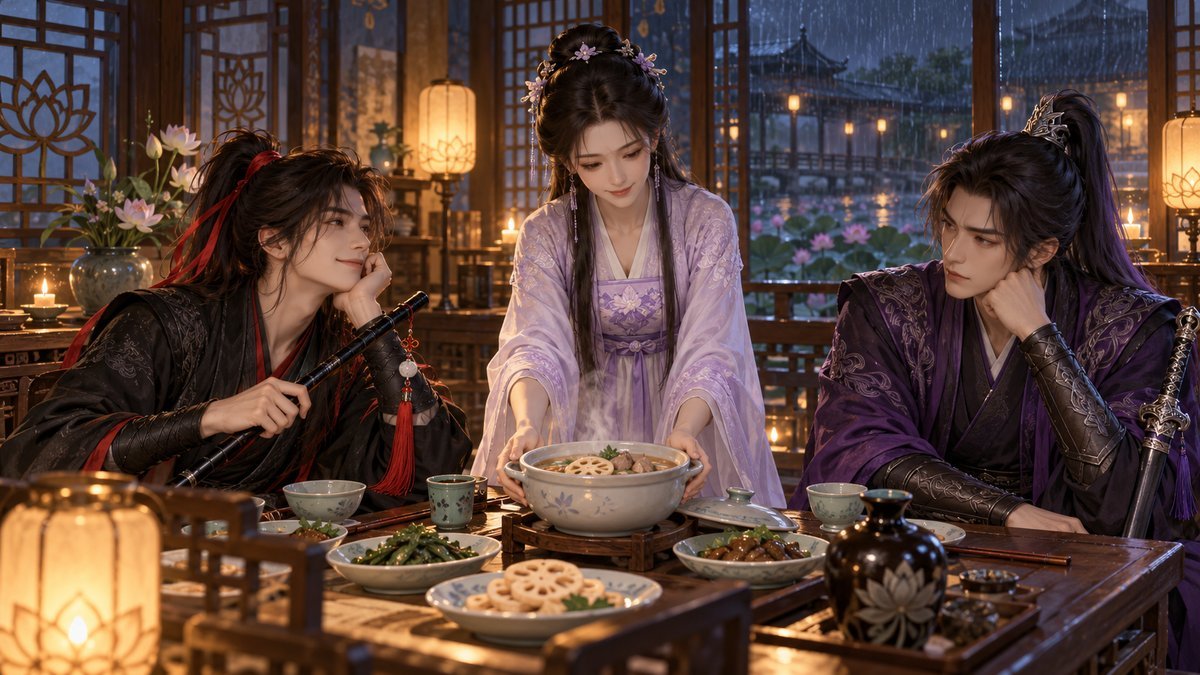
Lotus Pier feels warm in memory, but its family life is never emotionally secure. Jiang Fengmian’s kindness toward Wei Wuxian is shaped by loyalty to the boy’s parents. Yu Ziyuan reads that kindness through the pain of her marriage and the fear that Jiang Cheng will always be compared with someone more naturally gifted. The adults’ unresolved conflict becomes part of the children’s language before any of them can name it.
Wei Wuxian grows up grateful and loved, yet aware that his place began as an act of generosity. Jiang Cheng grows up as heir, yet feels that his father’s approval can be lost to the brother beside him. Neither boy invents the imbalance. Both adapt to it. The result is a bond filled with real affection and a constant question about who belongs more securely.
The clan context matters. As The Untamed Clans Explained: Rivalries, Loyalty, and Tragedy shows, family identity and political responsibility are inseparable. Jiang Cheng cannot respond only as a brother; he must also imagine himself as the future leader of Yunmeng Jiang.
Jiang Yanli as the Family’s Emotional Center
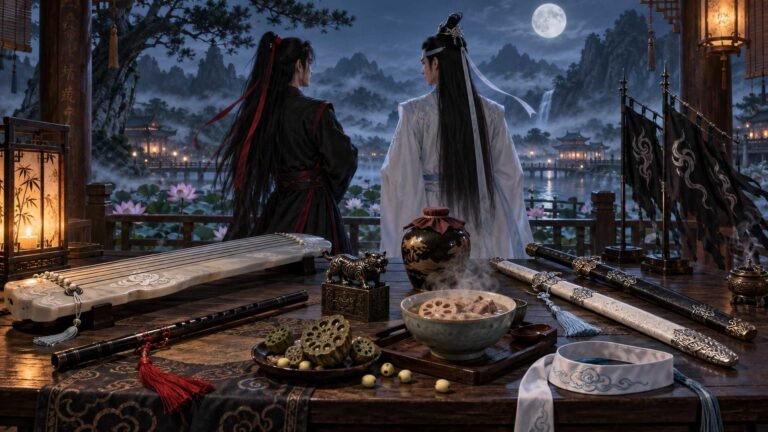
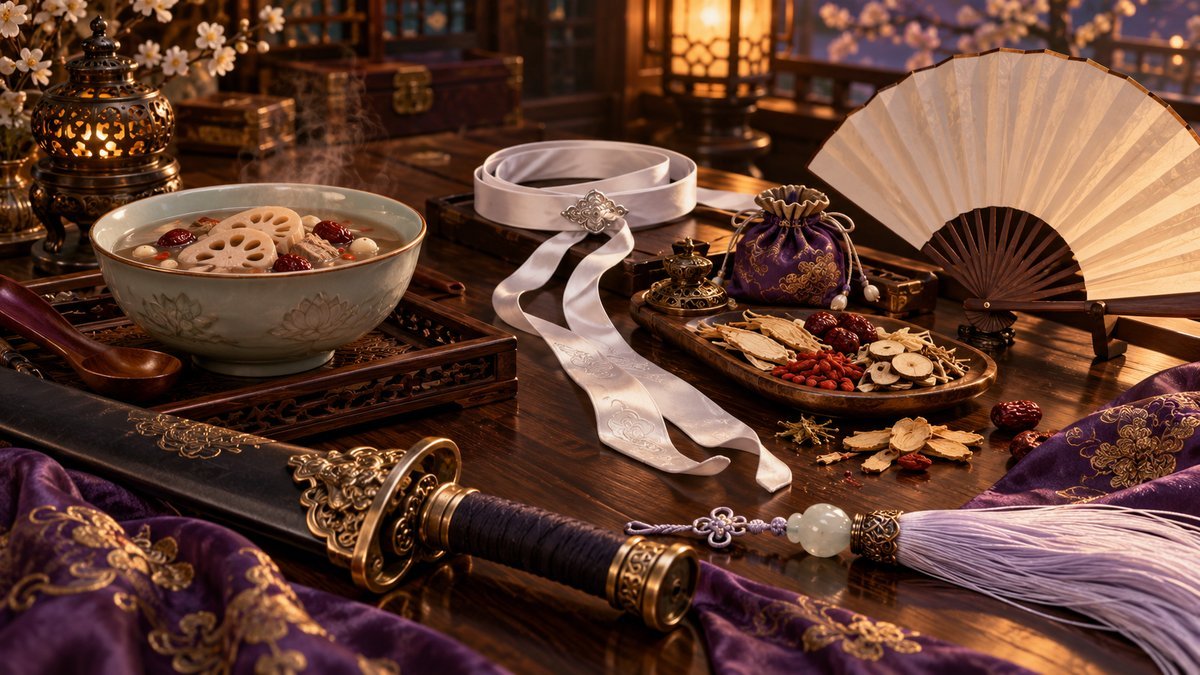
Jiang Yanli gives both brothers something the household otherwise struggles to provide: affection without comparison. Her lotus-root soup matters because it does not ask who is more talented, more legitimate, or more useful. She sees hunger, grief, and pride before she sees rank.
Her gentleness is active. Yanli defends Wei Wuxian publicly, recognizes Jiang Cheng’s vulnerability, and keeps treating the three of them as a family even when outside pressure tries to divide them. She cannot solve the adults’ marriage or the clan’s politics, but she creates moments when home feels possible.
After her death, the brothers lose more than a sister. They lose the person who translated love into something neither had to earn. Their relationship survives, but grief and secrecy make it difficult to approach without reopening every other loss. The broader The Untamed Relationship Analysis: 7 Powerful Insights helps explain why bonds in the drama remain meaningful even when reconciliation is incomplete.
2. The Lan Family — Rules, Absence, and Quiet Protection
Growing Up Around an Unspoken Wound
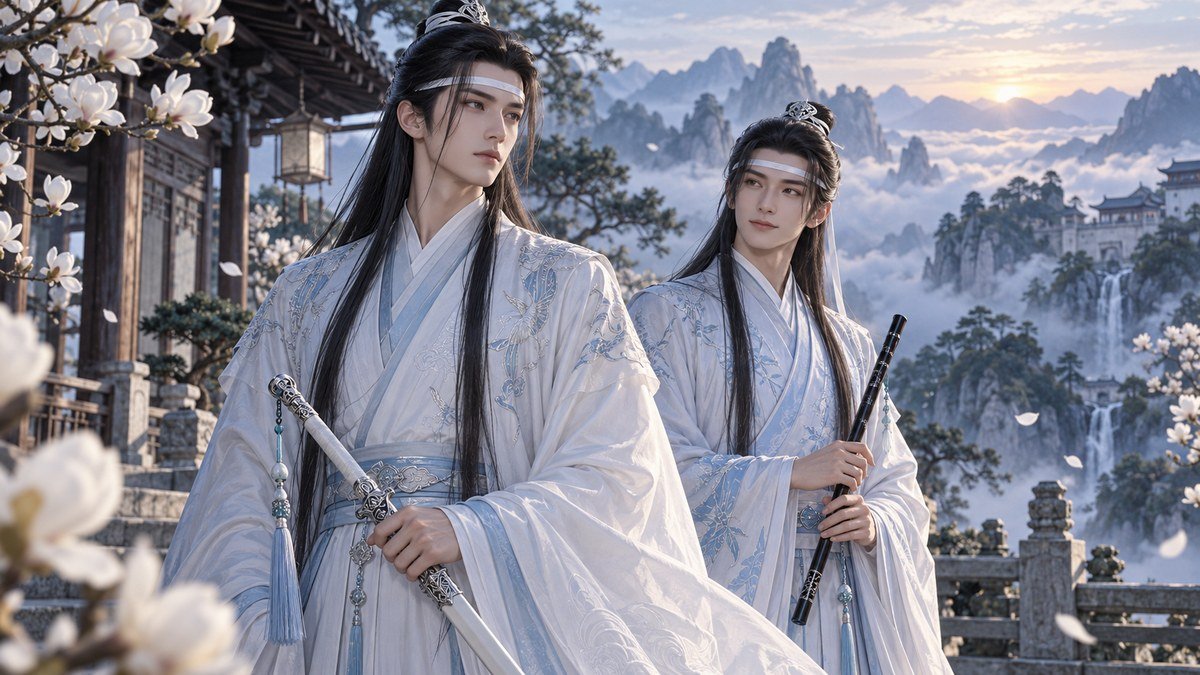
Lan Wangji and Lan Xichen grow up within one of the cultivation world’s most disciplined families, but the strictness surrounds an intimate absence. Their mother lives apart at Gentian House, and their father withdraws from ordinary leadership. The boys receive fragments of warmth inside a family structure that does not openly explain its pain.
Lan Qiren becomes teacher, guardian, and representative of the clan’s continuity. His rules offer stability after scandal and loss. They also make emotion harder to express. Discipline protects the brothers from chaos, yet it can teach them to treat desire, grief, and uncertainty as problems to master privately.
Gentian House therefore carries two meanings at once. It is a place of remembered tenderness and proof that love can be confined by duty. Details like this reward the attention described in The Untamed Hidden Details: 10 Secrets You Missed, because architecture and routine often reveal what the family cannot say directly.
Brotherhood Makes the Rules More Human
Lan Xichen understands Lan Wangji’s silences without treating them as emptiness. He notices attachment, concern, and conviction beneath his brother’s restraint. That emotional fluency creates room inside the clan’s rules for Lan Wangji to be known as a person rather than only as an exemplary disciple.
Understanding does not mean perfect agreement. Lan Wangji eventually acts on moral judgment even when tradition, reputation, or family caution points elsewhere. Lan Xichen’s gentleness can also become hesitation when trust in another person delays a harder question. Their bond matures because difference does not erase respect.
The Lan family demonstrates how inherited rules can be both shelter and limit. The brothers do not abandon their upbringing; they interpret it. Principles such as discipline and righteousness become more humane when joined to attention, evidence, and compassion.
3. The Wen Remnants — Family Under Collective Punishment
Wen Qing and Wen Ning Protect a Vulnerable Branch
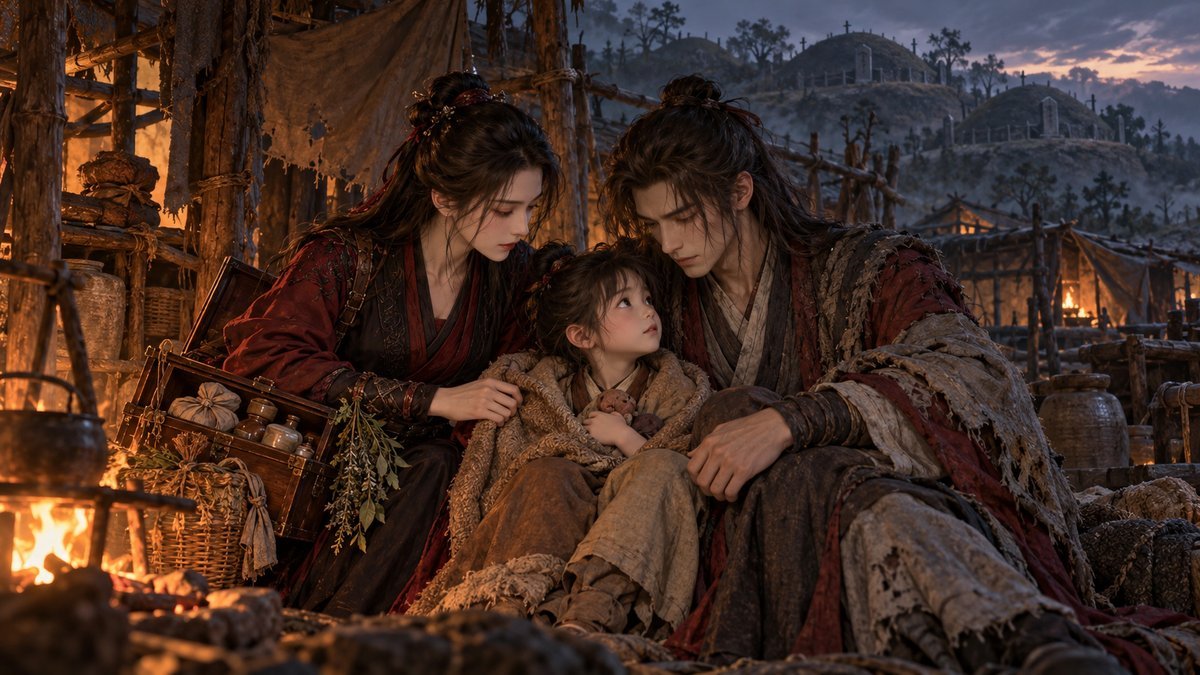
The Wen surname becomes a verdict after Wen Ruohan’s defeat, but Wen Qing and Wen Ning expose the injustice of judging an entire family by its most powerful members. Their branch includes healers, elders, laborers, and a child. They are connected by blood and survival, not by shared responsibility for the leadership’s crimes.
Wen Qing protects through competence. Her medical knowledge gives her a small area of control inside a violent system. Wen Ning protects through gentleness and memory; kindness shown to him becomes a reason to act bravely later. Both siblings understand that their choices may endanger the other, yet neither can become indifferent merely to feel safer.
Their fate illustrates the pattern explored in Character Fate Analysis in The Untamed: Hidden Meanings: the cultivation world often punishes names and associations before it judges conduct. Family loyalty becomes heroic because the larger society has made ordinary protection dangerous.
A-Yuan and the Future Their Family Tries to Save
A-Yuan changes the moral scale of the Burial Mounds. Arguments about clans and justice become concrete when a child needs food, safety, and someone willing to answer his questions. The remnants are not an abstract political problem; they are a family trying to keep daily life alive.
Wei Wuxian’s care for them creates kinship beyond blood. He cannot restore what they lost, but he shares risk and labor. Lan Wangji’s later protection of A-Yuan allows one part of that family to continue under another name. The approved scene reference, Lan Zhan Holding A-Yuan with Wei Ying—Such a Strong Protective Moment!, captures how a small act of care can hold the emotional weight of an entire threatened community.
Survival here is not victory. It is continuity. A child lives long enough to inherit memories from more than one home, proving that family identity can expand without erasing its earlier roots.
4. The Jin Family — Lineage Without Security
Legitimacy Decides Who Is Allowed to Belong
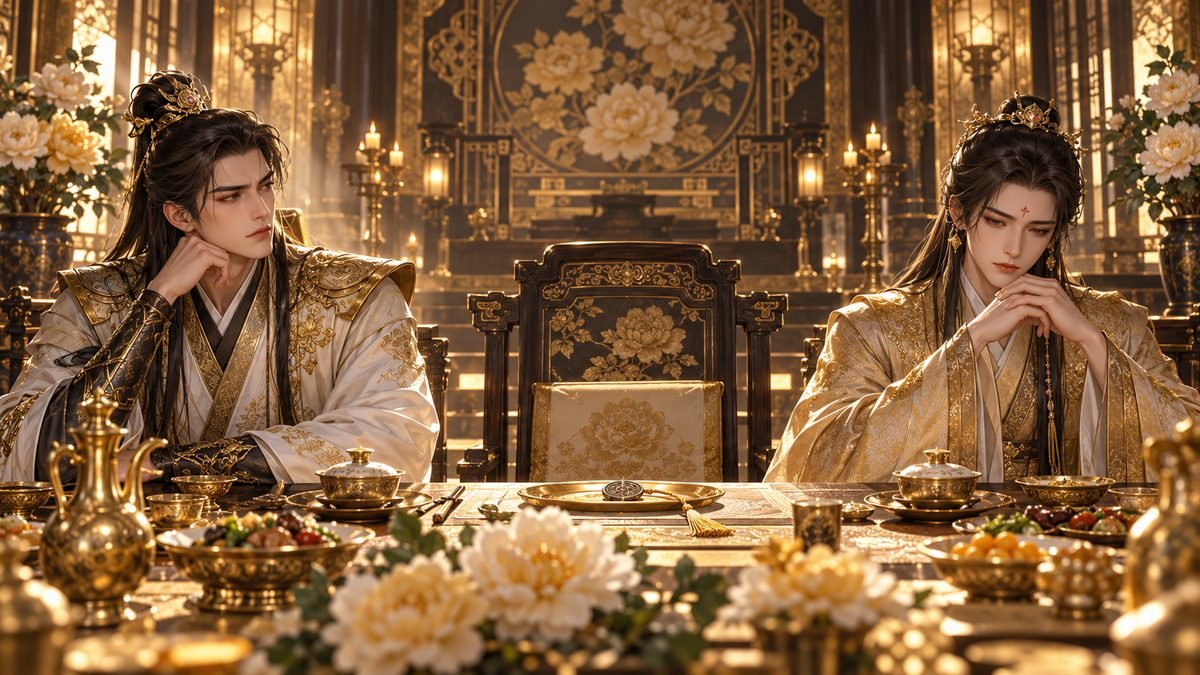
Lanling Jin presents itself through wealth, ceremony, and polished authority, yet its family structure is shaped by unequal recognition. Jin Zixuan grows up as the legitimate heir. Jin Guangyao and Mo Xuanyu share Jin blood without receiving the same security. Their father treats acknowledgment as something that can be withheld, granted, or used.
That inequality does not determine every later choice, but it creates the conditions in which belonging becomes a competition. Jin Guangyao learns to make himself useful and pleasant because acceptance is conditional. Mo Xuanyu becomes vulnerable to dismissal and ridicule. Jin Zixuan benefits from status he did not create, though he gradually becomes capable of questioning some of the pride attached to it.
The Jin family shows why blood alone cannot guarantee family. Recognition without care becomes another form of control. The patterns explored in The Untamed Character Analysis: 12 Hidden Insights are especially visible here: public grace can conceal private abandonment.
Jin Ling Inherits Love and Contradiction
Jin Ling grows up surrounded by people who love him but carry incompatible versions of the past. Jiang Cheng protects him through strictness and fear. Jin Guangyao offers attention and warmth while hiding actions that shaped the boy’s losses. The Jin clan gives him status, but status cannot answer the questions created by orphanhood.
His anger often functions as armor. Pride helps him avoid appearing needy in a world that expects an heir to be strong. As he encounters Wei Wuxian and the junior disciples, lived experience begins to challenge inherited stories. He discovers that the people he was taught to blame cannot be reduced to a single role.
Jin Ling’s future remains meaningful because he can revise family legacy rather than simply obey it. He does not need to stop loving his guardians in order to understand their limitations. Maturity becomes the ability to hold affection, evidence, and disappointment together.
5. The Nie Family — Duty Passed Down Through Grief
Nie Mingjue Tries to Prepare the Brother He Cannot Understand
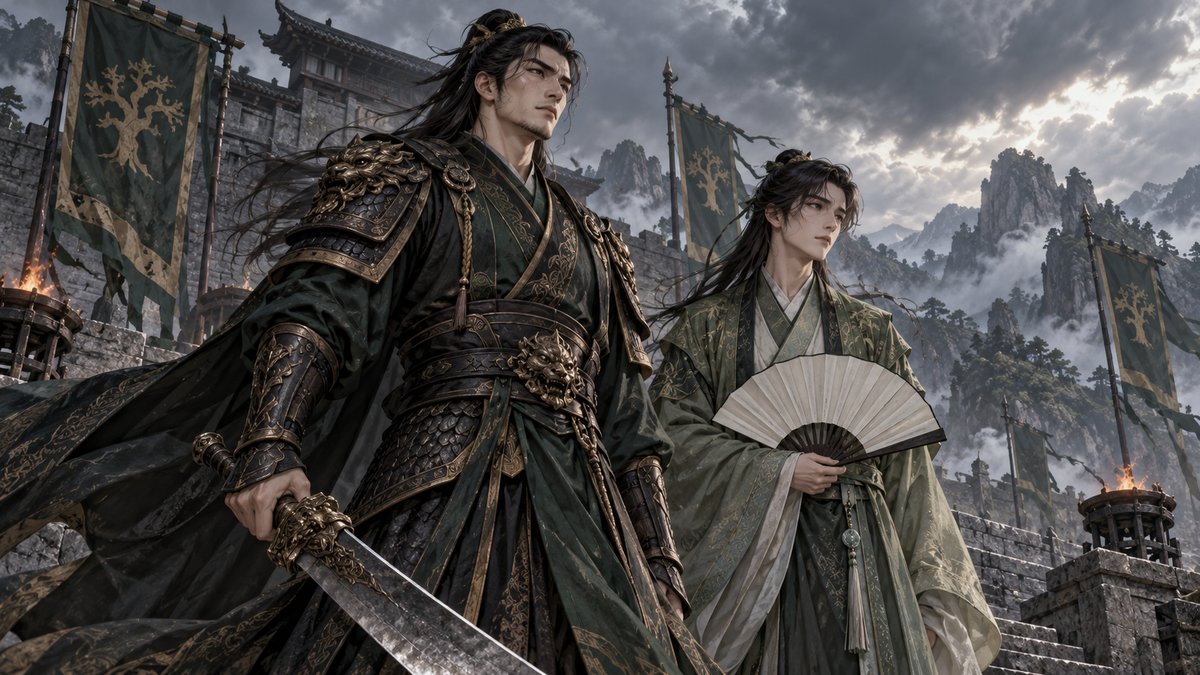
Nie Mingjue believes preparation must be rigorous because danger is real. His saber tradition, leadership duties, and awareness of mortality make Nie Huaisang’s avoidance of training look irresponsible. Protection therefore arrives as command. He pushes because he is afraid his brother will be helpless when protection is no longer available.
Huaisang possesses different strengths: observation, social sensitivity, patience, and the ability to appear harmless. Mingjue does not value those qualities in the same way, so the younger brother learns to hide rather than argue. Their affection is genuine, but their emotional languages rarely meet.
Loss Turns Family Memory Into Strategy
After Mingjue’s death, the brother dismissed as incapable becomes difficult to read. The drama strongly invites viewers to infer that grief motivates an intricate search for truth, while leaving some steps deliberately uncertain. That ambiguity should remain part of the analysis rather than be converted into confirmed detail.
Huaisang’s later choices reveal the cost of inherited duty. He pursues accountability, but he may also draw uninformed people into danger. Family memory becomes both compass and weapon. Love has given him purpose; grief has changed the methods he is willing to use.
The Nie story asks whether avenging family restores anything family provided. The answer is uneasy. Truth matters, yet revenge cannot return the relationship whose loss made truth urgent.
6. Chosen Family — Rebuilding Belonging After Loss
Care Creates Kinship Beyond Blood
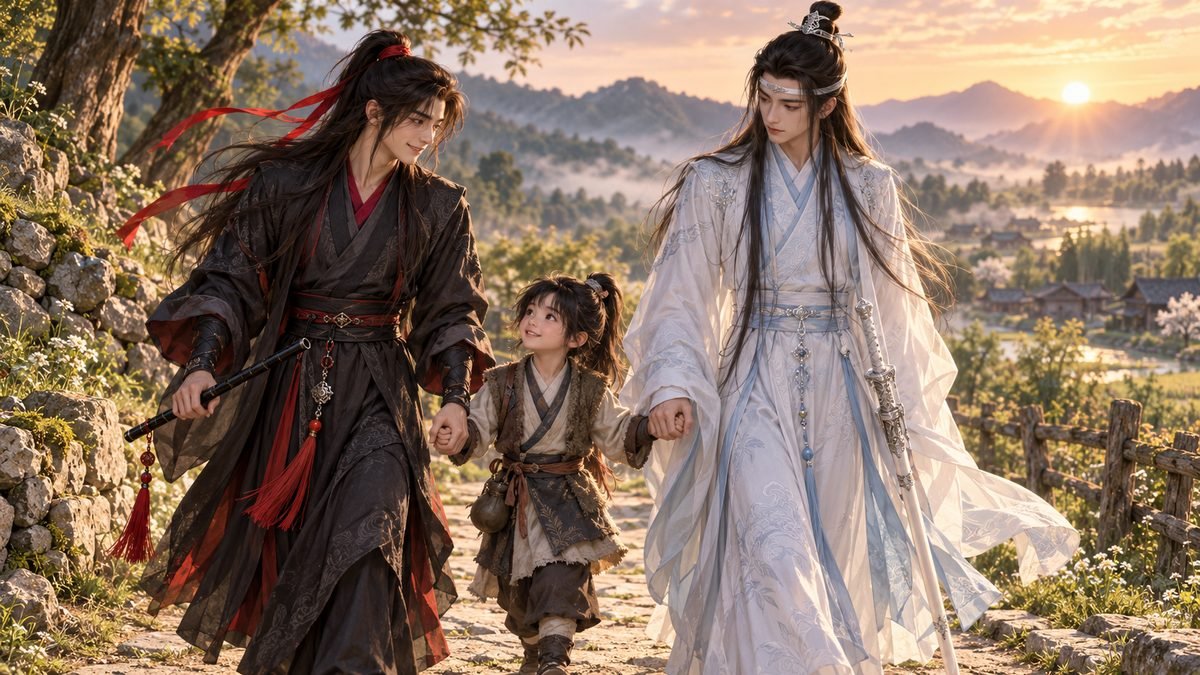
The drama repeatedly rebuilds family through action. Wei Wuxian becomes a Jiang sibling through years of shared life, not biology. At the Burial Mounds, he joins a community bound by responsibility and survival. Lan Wangji’s care for A-Yuan links the child’s Wen past to a future within Gusu Lan.
Chosen family does not replace original bonds or make their loss less painful. It prevents loss from becoming the end of belonging. That distinction matters. Wei Wuxian’s connection to the Wen remnants does not erase his love for the Jiangs; it expresses the same instinct to protect people whom society treats as disposable.
The moments gathered in The Untamed Healing Moments: 10 Scenes That Bring Comfort resonate because care often arrives after institutions have failed. A meal, a hand held, or a place offered to sleep becomes evidence that family can be practiced.
The Juniors Inherit a Different Possibility
Lan Sizhui, Lan Jingyi, and Jin Ling inherit clan identities shaped by older conflict, but shared experience gives them another path. They argue, cooperate, and learn to judge people by conduct. Their friendship does not solve the cultivation world’s divisions; it shows that those divisions are not natural laws.
Sizhui’s life carries the clearest bridge. He belongs to the Wen past and the Lan present without becoming false to either. His compassion suggests that identity can hold more than one family history. Jin Ling learns that loyalty does not require accepting every inherited accusation. Jingyi proves that rules can coexist with candor and curiosity.
Through them, The Untamed family relationships become a question about the future. What should be preserved: the name, the grievance, or the care that made the name worth carrying? The juniors do not answer in speeches. They answer by choosing one another when older divisions would make separation easier.
Frequently Asked Questions
What are the most important family relationships in The Untamed?
The Jiang household, Lan brothers, Wen remnants, Jin family, and Nie brothers shape many of the drama’s central choices. Each family represents a different tension between affection and duty. Chosen relationships involving Wei Wuxian, A-Yuan, and the juniors also expand the story’s definition of kinship.
Is Wei Wuxian officially part of the Jiang family?
Wei Wuxian is raised at Lotus Pier as a disciple and grows up alongside Jiang Cheng and Jiang Yanli. He is not their biological brother, but their shared childhood and mutual attachment function emotionally as family. His uncertain formal position contributes to both gratitude and insecurity.
Why is Lan Qiren so strict with Lan Wangji?
Lan Qiren values discipline and clan stability, especially after painful events in the brothers’ parents’ generation. His strictness reflects care, fear, and institutional responsibility, though it can leave little room for emotional explanation. The drama presents his protection as sincere but limited.
Are all members of the Wen clan villains?
No. Wen Qing, Wen Ning, A-Yuan, and the civilian remnants demonstrate that a shared surname does not create shared guilt. One of the drama’s clearest moral failures is the collective punishment of people whose conduct differs sharply from Wen Ruohan’s leadership.
Why is Jin Ling raised by different relatives?
Jin Ling loses both parents and grows up connected to the Jin and Jiang families. Jiang Cheng and Jin Guangyao become important guardians who offer different forms of care and influence. Their conflicting histories help explain Jin Ling’s defensiveness, pride, and gradual reassessment of the past.
How does chosen family appear in The Untamed?
Chosen family appears whenever repeated care creates belonging beyond blood: Wei Wuxian among the Jiangs, his protection of the Wen remnants, Lan Wangji’s care for A-Yuan, and the juniors’ growing trust across clans. These bonds expand family without pretending earlier relationships never mattered.

Conclusion — Family Is What the Characters Carry Forward
The drama’s families are unforgettable because love never exists outside history. The Jiangs inherit comparison and silence. The Lans turn loss into discipline. The Wen remnants protect one another under collective punishment. The Jins make legitimacy a source of insecurity, while the Nie brothers struggle to translate fear into understanding.
Across The Untamed family relationships, good intentions do not guarantee good outcomes. Parents and siblings may act from love while leaving wounds that shape an entire life. Understanding those patterns does not excuse cruelty. It explains why certain choices feel emotionally inevitable even when they remain morally wrong.
Chosen family offers hope because it treats belonging as an action. Characters build home through food, medicine, teaching, rescue, patience, and the decision to believe evidence over reputation. The next generation inherits grief, but it also inherits examples of care that crossed clan boundaries.
If you enjoy thoughtful essays about the relationships beneath the drama’s biggest conflicts, you can support future work through Ko-fi. Which family relationship most changed how you understood a character?