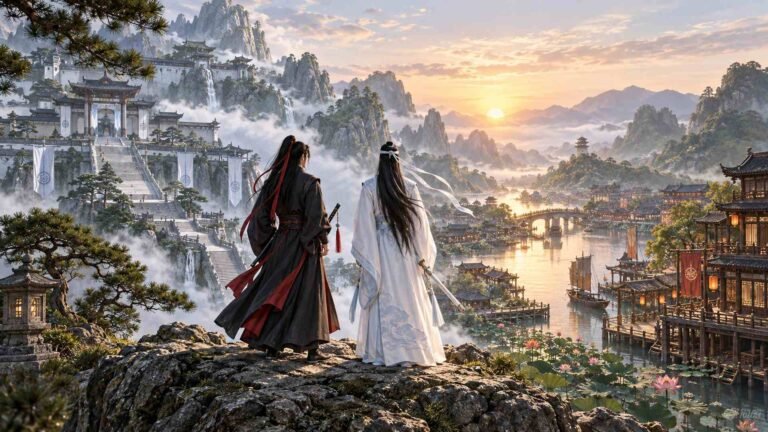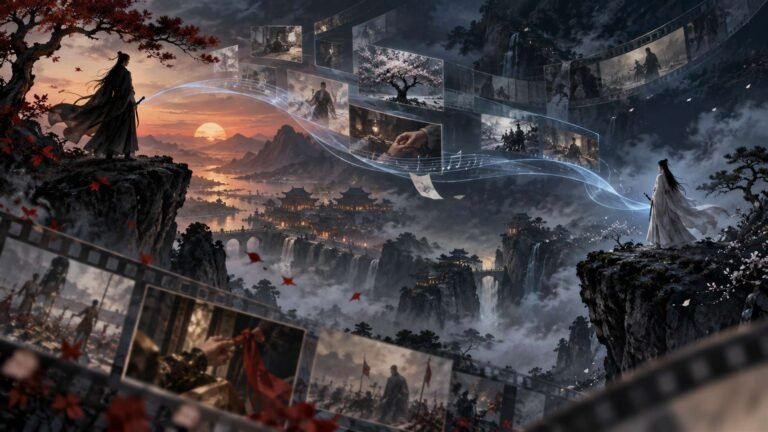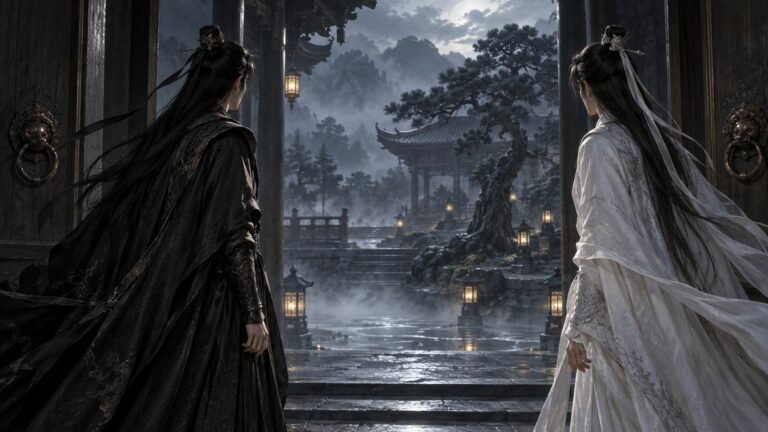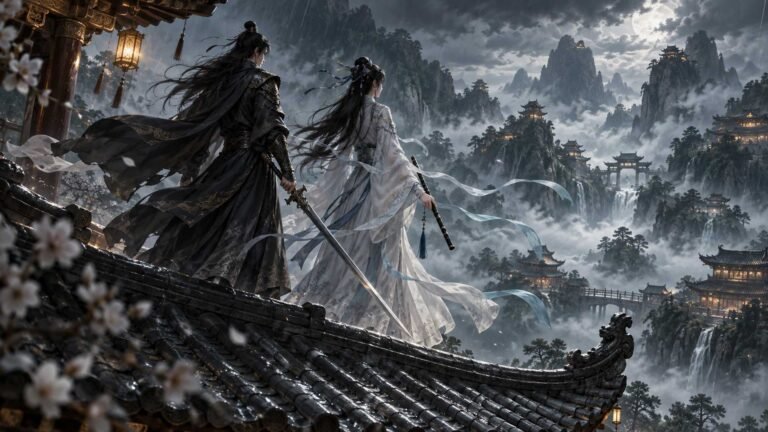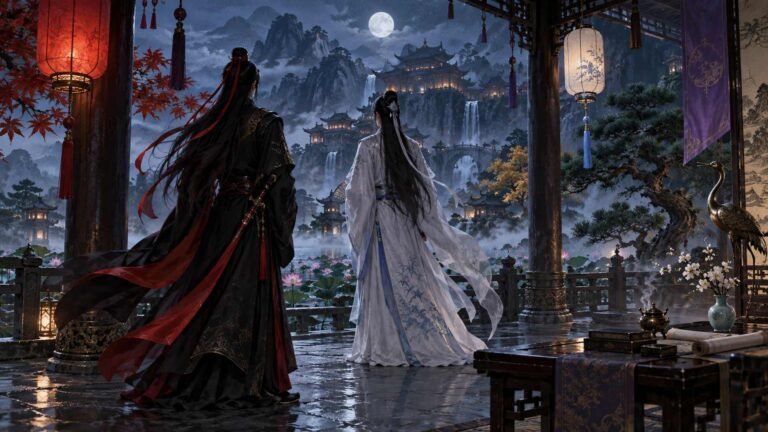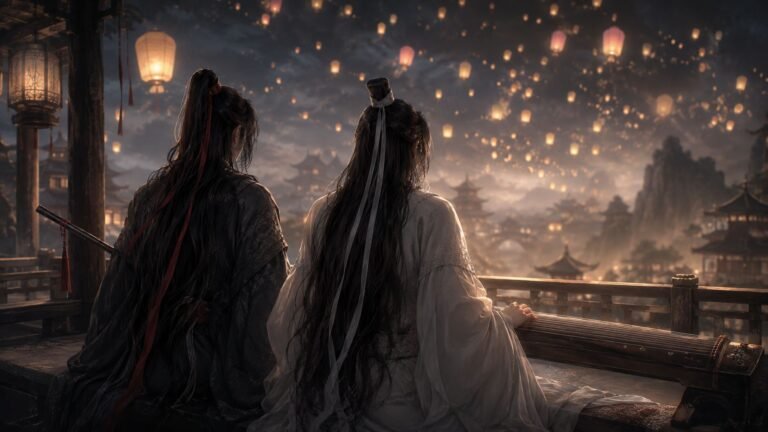
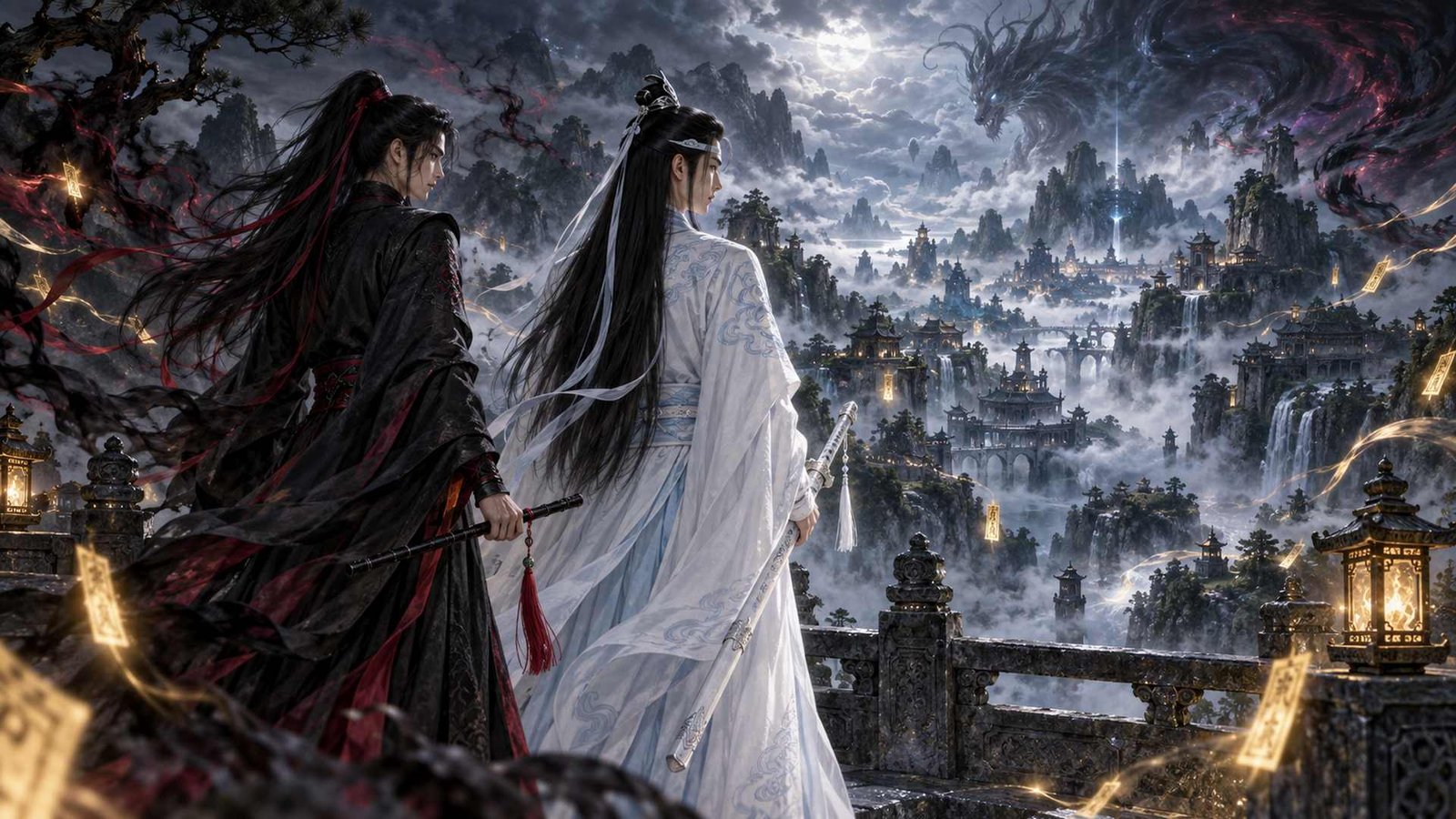
The Untamed Visual Effects: Fantasy Brought to Life
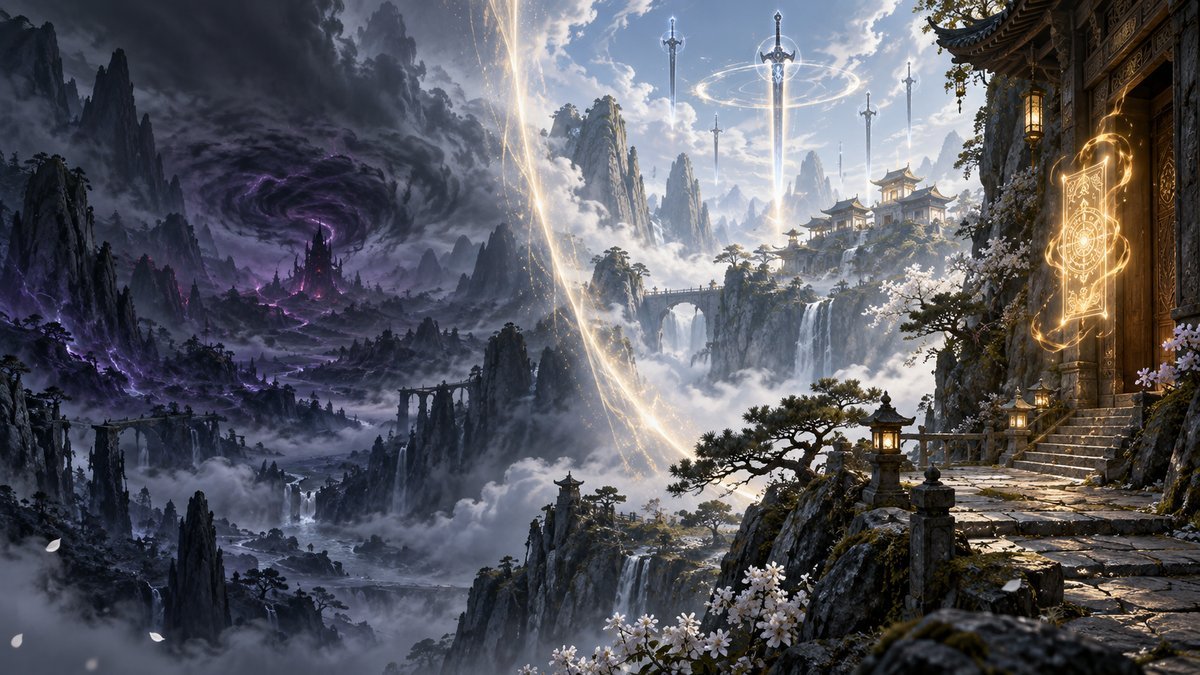
Why The Untamed Visual Effects Work as Worldbuilding
The audience enters The Untamed through a world of clans, spiritual tools, cultivation methods, monsters, and moral arguments about power. A long verbal explanation for every rule would slow the story. Visual effects provide a shortcut. They show when an object has been activated, when a space has become dangerous, and when a familiar technique has changed.
This approach supports the drama’s larger worldbuilding system. Viewers gradually learn to recognize colors, textures, sounds, and movement patterns. Meaning accumulates through repetition.
Repeated visual rules create recognition
Consistency matters more than raw complexity. When disciplined cultivation repeatedly appears through clean light, precise movement, and controlled weapon paths, the audience begins to associate that visual language with order. When another form of power appears through smoke, vibration, and unpredictable reactions, it feels disruptive before anyone condemns it.
These patterns allow a later scene to communicate quickly. A glow around a talisman or a shift in surrounding mist can announce that the rules of the space have changed. The effect becomes narrative punctuation.
Effects make invisible forces readable
Spiritual pressure, resentment, protection, control, and corruption are abstract ideas. Effects translate them into things the eye can follow. A line of energy establishes direction. A barrier shows where safety ends. Moving fog suggests a presence before the source is visible.
The detailed cultivation system in The Untamed becomes easier to grasp because the drama does not leave every concept invisible. Effects create a map of cause and consequence.
Restraint keeps the human story visible
The most effective scenes do not bury actors beneath constant spectacle. Effects appear around a choice: who uses power, who refuses, who loses control, and who steps closer despite the danger. Faces and bodies remain the emotional center.
That restraint is essential to The Untamed visual effects. A fantasy image matters because a character reacts to it. Without fear, resolve, grief, or recognition, light and smoke would have little dramatic weight.
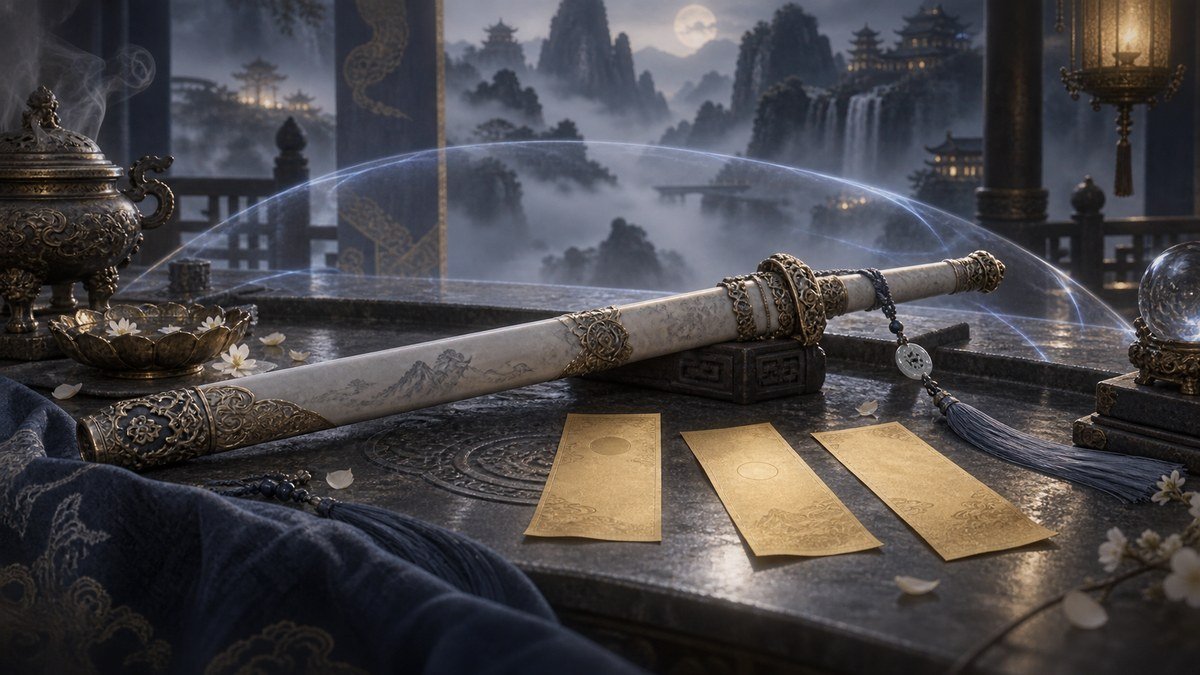
Spiritual Energy, Swords, and Talismans Create a Shared Language
The orthodox cultivation world is associated with trained control. Swords, talismans, seals, and musical instruments turn knowledge into action. Their effects make that training visible while also distinguishing characters and clans.
Sword light expresses disciplined cultivation
Sword effects usually follow a readable direction. Energy travels with the weapon, an attack has a clear source, and the character’s posture supports the movement. The light extends physical skill rather than replacing it.
That relationship between body and effect is important. The audience sees preparation, release, and result. Even when a sword moves beyond ordinary human limits, it still feels connected to its wielder’s discipline. The drama’s fight choreography gains clarity when effects reinforce rather than obscure movement.
Talismans turn knowledge into visible action
Talismans are small physical objects with large narrative potential. Their written surfaces imply learned technique, while light, flame, or energy shows activation. A character does not simply possess power; the character understands a method.
Effects give each action a beginning. The hand prepares the talisman, the object responds, and the environment changes. This sequence keeps the magic legible. Readers interested in the symbolic role of these objects can explore The Untamed Talismans and Artifacts: Hidden Meanings.
Barriers and seals define space and danger
A magical barrier changes geography. It can protect people inside, imprison someone, or prevent help from entering. By drawing a luminous surface or visible disturbance across ordinary space, the drama creates an immediate rule: this line matters.
Seals work similarly at a smaller scale. They concentrate attention on a door, object, or body and announce that crossing or opening it will have consequences. The effects help the setting participate in the story.
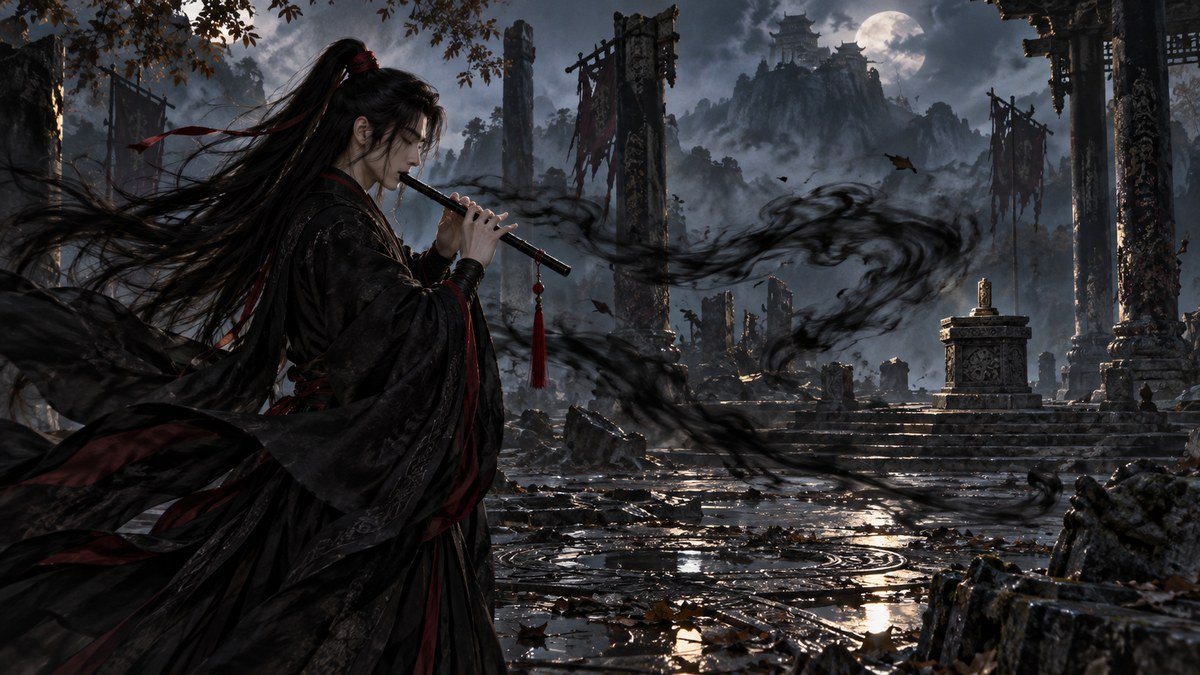
Resentful Energy Changes the Mood of the Fantasy World
When Wei Wuxian turns toward resentful energy, the drama’s visual vocabulary changes. Power becomes less linear and less securely connected to approved objects. It spreads through air, sound, bodies, and the reactions of groups. The change is aesthetic, political, and emotional.
Smoke, shadow, and unstable motion
Dark smoke is effective because it has no fixed shape. It can gather, thin, invade, or surround. Unlike a clean sword path, it resists precise boundaries. Its movement makes control look temporary even when Wei Wuxian appears confident.
The effect therefore carries an argument. Resentful energy may answer an urgent need, but its visual instability keeps danger present. The demonic cultivation analysis explains how this power challenges both conventional technique and the social order built around it.
The flute makes power feel distant and unsettling
The flute separates visible effort from distant consequence. Wei Wuxian may remain comparatively still while other bodies, weapons, or shadows respond elsewhere. Sound bridges that gap, and the effects show its reach.
This distance changes the mood. A sword strike is local and direct; flute-led influence can seem to surround an entire space. The combination of music and visual reaction gives his power scale without requiring every movement to become a large explosion.
The Yin Tiger Tally gives power a physical center
Abstract danger becomes easier to understand when attached to an object. The Yin Tiger Tally provides a physical focus for fear, desire, and conflict. Visual effects can radiate from it, gather around it, or respond when it is divided or activated.
The object matters because different characters project different hopes onto it. The Yin Tiger Tally explanation shows why its significance extends beyond what it can visibly do. Effects establish capability; the plot reveals the moral cost of wanting control over it.
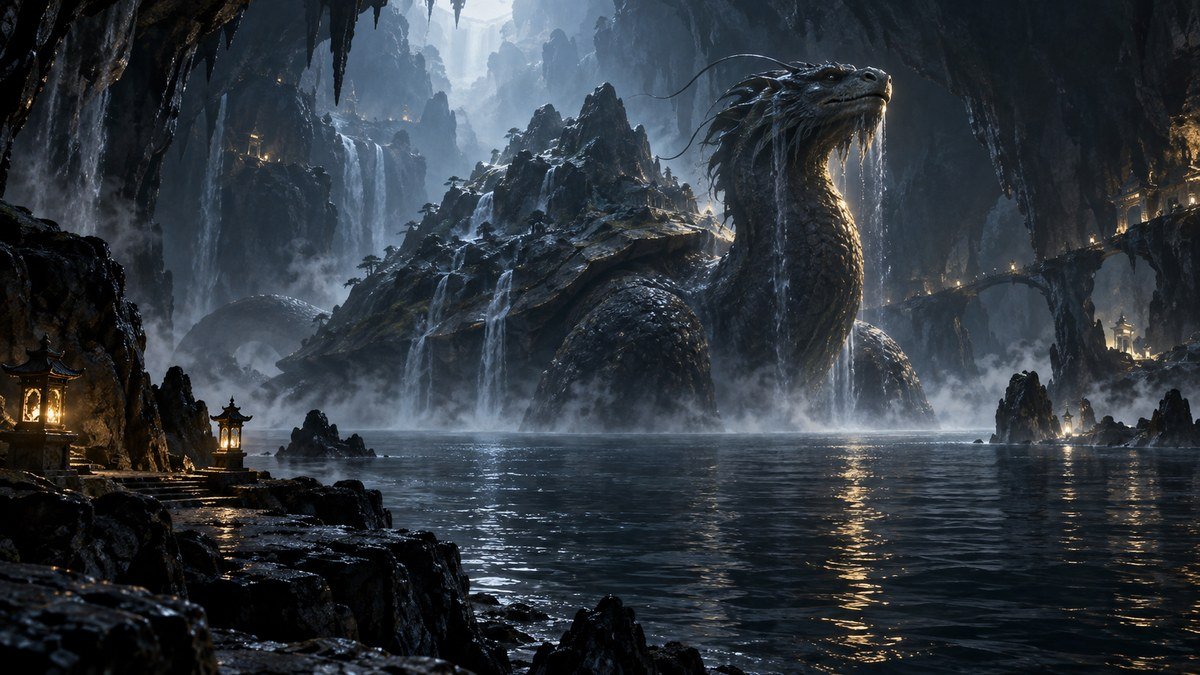
Creatures and Supernatural Threats Expand the Scale
Creatures allow the drama to test its heroes against problems larger than a duel. They change terrain, force cooperation, and expose the limits of familiar techniques. The best sequences use scale as a story condition rather than an end in itself.
The waterborne abyss makes the environment hostile
Water is visually useful because its surface can hide direction and depth. Ripples, dark shapes, and sudden movement turn the entire environment into a threat. Boats become fragile areas of safety, and the characters must read effects that appear beneath or around them.
The sequence establishes a key principle: danger is not always a person standing in front of the heroes. It may occupy the space itself. That idea returns whenever fog, darkness, or architecture conceals the true boundary of a threat.
The Xuanwu combines creature scale with confined danger
The Xuanwu feels powerful partly because the cave restricts escape. The creature’s mass is measured against rock, water, and the small human figures around it. Effects enhance its presence, but the environment gives that scale credibility.
The sequence also remains character-focused. Survival depends on observation, improvised tactics, and trust. Its place among the drama’s iconic scenes comes from the combination of fantasy danger and relationship development.
Puppets and fierce corpses keep fear close to the human body
Human-shaped threats create a different kind of unease. Their movement is recognizable but altered. A rigid posture, unnatural stillness, or sudden response suggests that a person has lost agency.
Effects around the eyes, skin, veins, or surrounding energy can signal that transformation, but they work best when kept restrained. The closer the figure remains to human, the more clearly the audience understands the violation. Wen Ning is especially important because his continued personality complicates any simple division between human and monster.
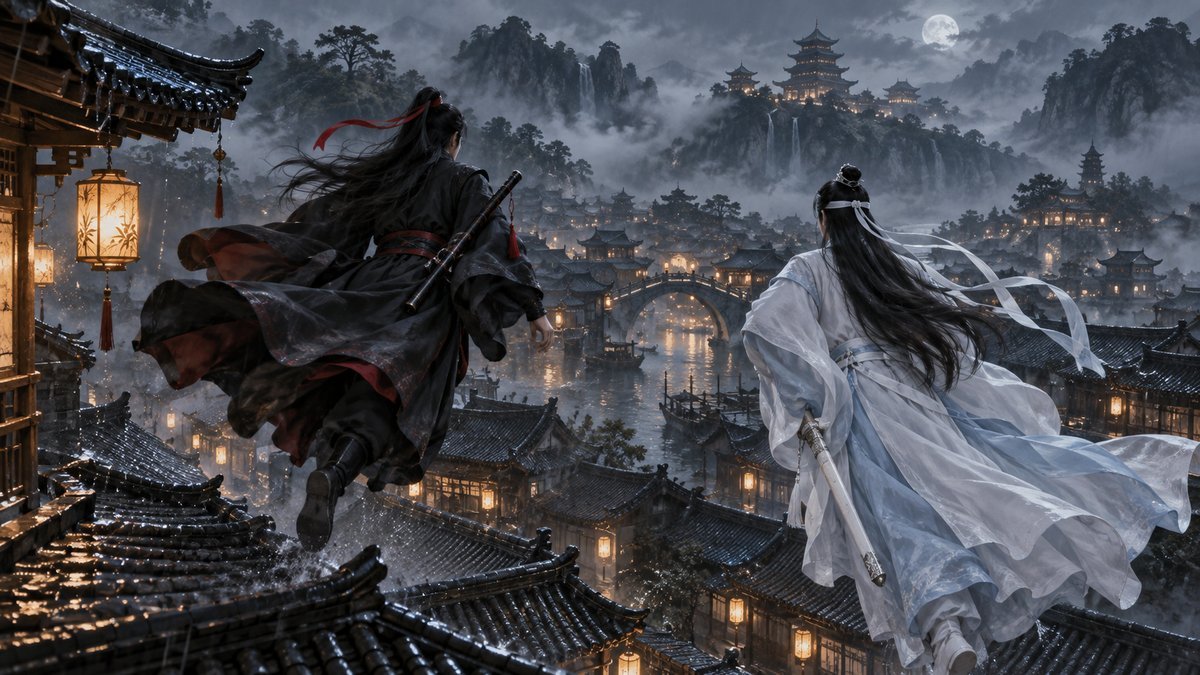
Environments, Wirework, and Practical Detail Sell the Illusion
Digital effects feel more convincing when the physical frame already has weight. Stone steps, wet roofs, wooded paths, fabric, lantern light, and real props give performers surfaces to touch and spaces to cross. Effects then extend an environment the audience already believes.
Locations provide weight before effects are added
A mountain path establishes height before mist deepens the drop. A cave establishes confinement before a creature appears. Water reflects light and movement before supernatural energy disturbs it. The base environment supplies scale, texture, and gravity.
The drama’s filming locations help explain why many fantasy scenes retain a sense of place. The effects are strongest when they amplify the qualities already present in the landscape or set.
Flight works through movement, fabric, and framing
Xianxia movement asks viewers to accept bodies traveling with unusual lightness. The illusion depends on more than removing visible support. Robes must respond, hair must move, performers must maintain controlled lines, and the camera must frame the motion so the destination remains understandable.
Effects may add energy trails or environmental response, but fabric and posture provide much of the grace. When all elements agree about direction and speed, flight feels like part of the world’s movement language.
Props, weather, and lighting connect physical and digital elements
An effect belongs in a scene when it appears to influence the same air as the actors. Wind moves sleeves. Light changes on a face. Rain reveals a barrier. Dust or water reacts to impact. These practical details connect the visible performer to the supernatural event.
The behind-the-scenes perspective on The Untamed offers useful context for appreciating how many departments contribute to a single fantasy image. The final illusion is collaborative, even when viewers experience it as one seamless moment.
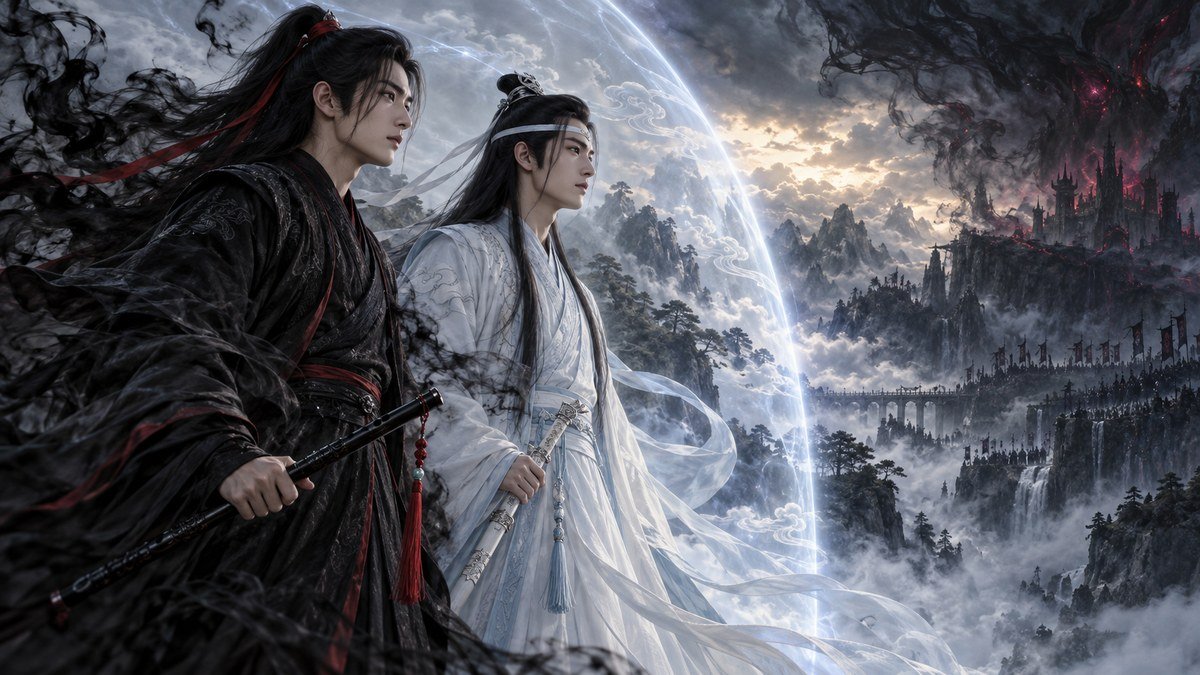
The Best Effects Support Emotion Rather Than Replace It
An effect becomes memorable when it changes a relationship or reveals a choice. The audience remembers not only what the power looked like, but who used it, who feared it, and who remained nearby after everyone else withdrew.
Power reveals character choices
Wei Wuxian’s techniques show creativity and a refusal to accept limits that leave vulnerable people unprotected. Lan Wangji’s controlled movements express discipline, but his position in relation to Wei Wuxian reveals how that discipline evolves. Effects externalize these differences.
The Wei Wuxian character study helps connect his visual inventiveness with the traits driving his decisions. Power is not separate from personality; it is personality placed under pressure.
Visual escalation mirrors emotional collapse
As conflicts intensify, effects can become denser, darker, and harder to separate. Crowds react, resentful energy spreads, and familiar spaces lose clear boundaries. The image reflects a situation that no one person can fully control.
This escalation works because the drama begins with more readable visual rules. The audience can feel when those rules are breaking. In the most intense scenes, spectacle communicates emotional overload rather than merely increasing brightness or scale.
Rewatching the effects as narrative clues
On a rewatch, follow one effect category at a time. Notice the difference between sword light and resentful energy. Watch when barriers protect and when they imprison. Track how the environment reacts before a threat is fully revealed.
Also watch faces immediately after the effect. The reaction often supplies its true meaning. A technically modest image can carry enormous weight if it confirms fear, trust, grief, or recognition. That relationship between fantasy and performance is the lasting strength of The Untamed visual effects.
The same method can be applied to quieter scenes. Look at whether lantern light changes when danger approaches, whether mist hides an entrance, or whether an object is given a clean silhouette before it becomes important. These choices prepare attention. The audience may not consciously identify the clue, but the composition makes the later supernatural action easier to understand.
Frequently Asked Questions
Are The Untamed visual effects mostly CGI?
The finished fantasy imagery combines digital work with physical locations, sets, costumes, props, performer movement, lighting, weather effects, and editing. It is more useful to study how those layers interact than to assume every supernatural moment comes from one technique.
Why do different forms of cultivation look different?
Visual contrast helps viewers recognize method and meaning. Clean directional light often supports disciplined sword cultivation, while darker, less stable textures suggest resentful energy. Talismans, instruments, and objects provide additional visual identities.
What do the dark energy effects represent?
They make resentful energy visible and communicate instability, danger, and social fear. They do not automatically prove that the user is evil. The drama separates the appearance of a method from the moral intentions and consequences surrounding its use.
Which creature sequence is most important to the story?
The Xuanwu cave sequence is especially important because the creature’s scale forces cooperation and reveals trust under pressure. The waterborne abyss is also significant because it teaches viewers how the environment itself can become supernatural danger.
Do the visual effects improve as the drama progresses?
Later sequences often carry more narrative weight because viewers understand the visual rules and relationships. Perceived impact therefore comes from accumulated meaning as well as technical complexity. A familiar effect can become stronger when its emotional context changes.
What should viewers notice on a rewatch?
Look for consistent color, direction, sound, and environmental reaction. Ask where an effect begins, who controls it, who responds first, and whether it changes the characters’ positions. Those details reveal how fantasy imagery supports the story.
Conclusion
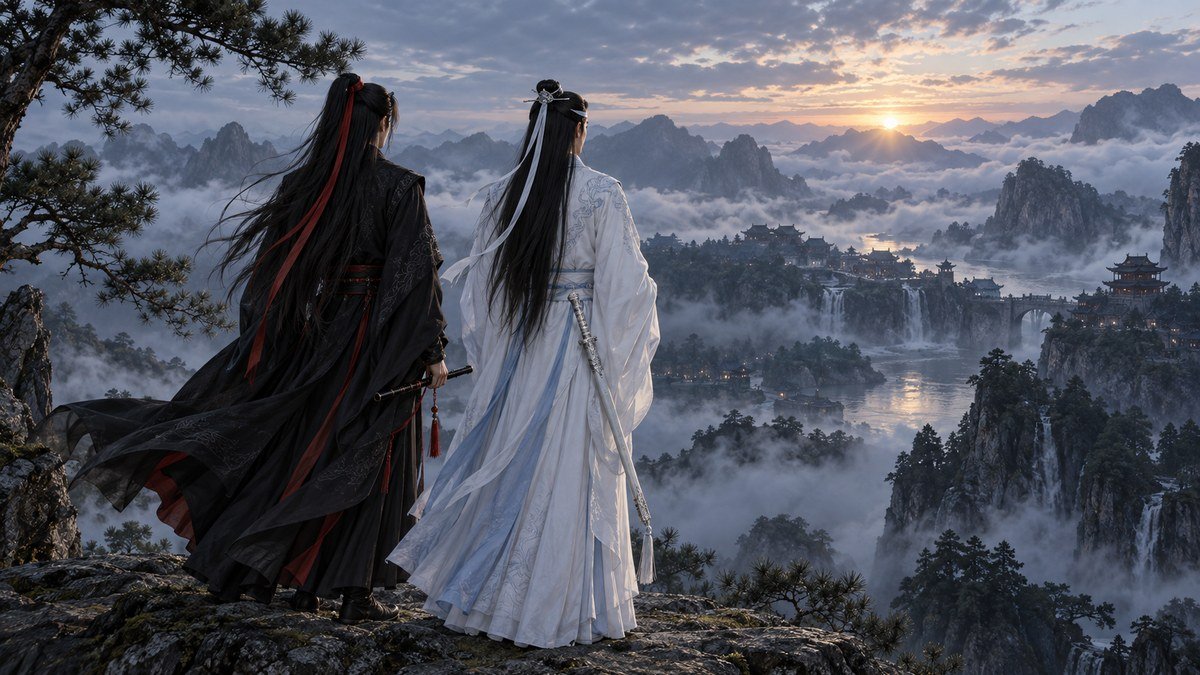
The Untamed visual effects bring the fantasy world to life by making its invisible rules visible. Sword light gives discipline a direction. Talismans convert learning into action. Smoke and shadow make resentful energy feel difficult to contain. Creatures alter geography, while barriers, weather, fabric, sound, and performance connect supernatural events to physical space.
Their lasting value comes from emotion. The strongest effect is rarely the largest one; it is the effect that clarifies a choice, changes a relationship, or makes the audience fear what a character may lose. Rewatch the drama with attention to those patterns, and its fantasy language becomes easier to read and richer in meaning.
If you enjoy detailed visual analysis of familiar scenes, you can support future articles through Boxiao on Ko-fi.
Fan-Favorite Collectibles & Gifts